★ Win a pair of Brandecosse Capriolo boots worth £219! Click here to enter ★

Woodpigeon open season a ‘Trojan horse’, warns Mr Pigeon
Wiltshire pest controller Peter Schwerdt warns Defra’s woodpigeon open season proposal could eventually lead to tighter shooting restrictions.
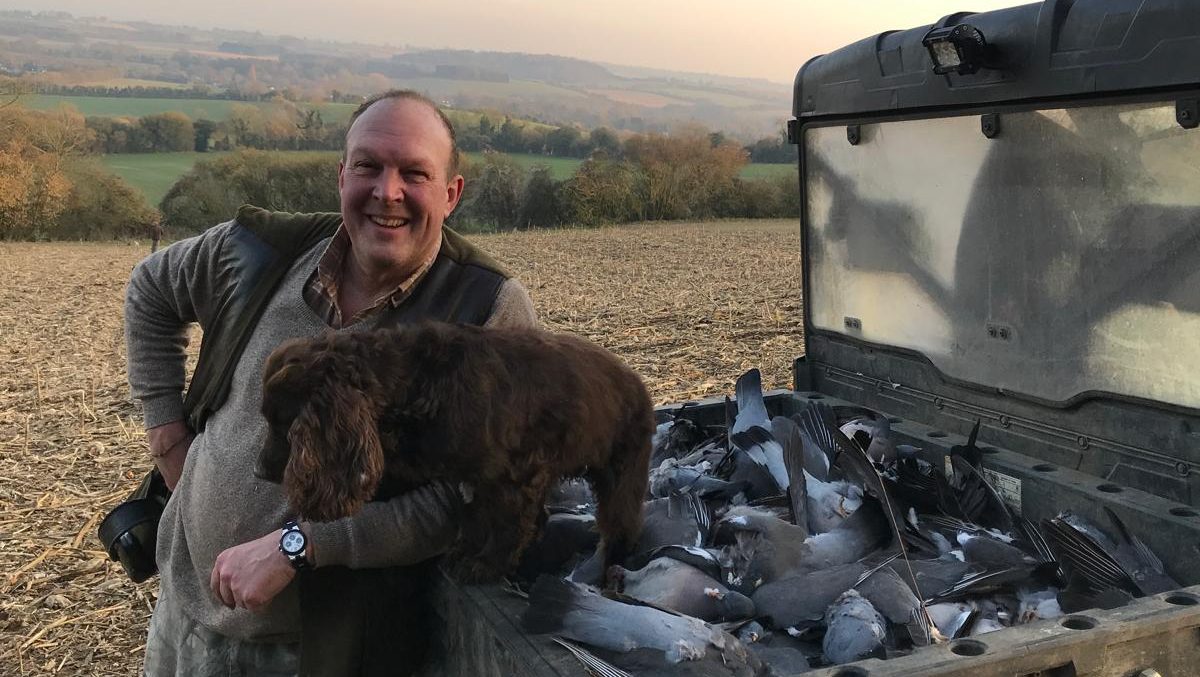 Peter Schwerdt, AKA Mr Pigeon, runs a woodpigeon pest control business across roughly 70,000 acres of Wiltshire farmland.

Concern over proposed season
One of Britain’s most prolific woodpigeon shots has warned that proposals to introduce a formal open season for the species amount to a “massive Trojan horse”, potentially leaving shooters far more restricted than they are today.
Peter Schwerdt, known as Mr Pigeon, runs a woodpigeon pest control business across roughly 70,000 acres of Wiltshire farmland. Operating under GL42, the general licence permitting lethal control for crop protection, he handles the reconnaissance, builds the hides, obtains the permissions and guides his clients through the fieldcraft on the day. The result is year-round pigeon control and lower crop losses for working farms. It is GL42, and what he believes will eventually happen to it, that concerns Peter.
Defra’s ‘Improving protection for huntable wild birds’ consultation, which closes on 17 May, proposes adding woodpigeon to the quarry list with an open season from 1 September to 31 January. During those five months, shooting for recreation or food would be lawful without recourse to a general licence. Outside that window, GL42 would continue to permit shooting for crop protection. It’s a straightforward gain, on the face of it. But Peter disagrees.
His first objection is to the dates. The open season as proposed would end on 31 January, leaving February and March – traditionally among the best months for roost shooting, when woodpigeons are not breeding – outside its scope and dependent on GL42. “Two of the best months for roost shooting are currently out of scope of what’s proposed,” commented Peter.
BASC has recommended a seven-month open season running from 1 September to 31 March. Head of policy and campaigns, Conor O’Gorman, argued that a close season outside those dates would cover the peak breeding period while giving shooters the February and March months that Defra’s proposal leaves out. However, achieving that would require an amendment to the Wildlife and Countryside Act 1981, under which the open season cannot currently extend beyond 20 February.
.
Fears over GL42
Peter’s deeper concern is what comes next. GL42 currently permits woodpigeon shooting year-round for crop protection without the need to apply for individual licences. Peter believes that once a close season is written into law, establishing the principle that shooting outside those fixed dates requires justification, the pressure to tighten GL42 itself will follow.
“The Trojan horse is this,” he told Shooting Times. “A year, two, three years down the line, I think they’d retract GL42 and say you have to apply for an individual licence instead. You’d only be permitted to shoot on standing crops where birds are actively causing damage. That would mean no flight lines, no roost shooting, no stubbles – just standing crops. How long would it take to get that licence before too much damage is done? And what do we do when they simply stop issuing the licences altogether?”
The end result, he argues, would be the effective end of woodpigeon shooting as it is currently practised and a threat to food security; not through a single legislative change but through a sequence of incremental restrictions that began with something most shooters welcomed.
Peter points to the foot-and-mouth outbreak of 2001 to illustrate what even a temporary reduction in shooting pressure can do to woodpigeon populations. When countryside access was suspended during the crisis, numbers recovered rapidly. Peter recalls shooters who had been accounting for seven or eight thousand birds a year shooting 25,000 in the season after restrictions were lifted. “A woodpigeon can raise four broods a year, two young at a time,” he said. “Reduce the shooting pressure for even one season and the numbers come back fast.”
By any measure, 25,000 birds in a single season sounds extraordinary, until you consider the scale of the problem the species represents. By Natural England’s own assessment, woodpigeon is “widely regarded as the most important avian pest of arable farmland”. The National Farmers Union has estimated that without control, damage to oilseed rape crops in East Anglia alone would exceed £45 million a year. “Archie Coates said it best: a woodpigeon can eat enough grain in a day to make a pint of lager,” commented Peter. “That’s the economic argument and it’s one that resonates well beyond the shooting community.”
The crop damage case only sharpens Peter’s unease about where the consultation might lead. “Put woodpigeon on the quarry list, by all means,” he said. “But watch what comes next.”
.
Defra response
Approached for comment, Defra told Shooting Times it recognised that lethal control of woodpigeon is necessary and stated there were no plans to remove GL42, nor for the statutory close season to lead to a ban on shooting altogether. A spokesperson said: “The proposal to introduce a close season should increase the welfare of nesting birds and squabs, whilst continuing control measures to protect crops.”
Defra’s consultation on bird shooting seasons closes on 17 May 2026. Responses can be submitted at consult.defra.gov.uk.
Do you have a news story to share?
Contact our group news editor Hollis Butler at hollis.butler@twsgroup.com. We aim to respond to all genuine news tips and respect source confidentiality.
Stay in the loop with the latest fieldsports news
Don’t miss a story – get shooting news straight to your inbox or phone. Join our newsletter and WhatsApp channel.
Related Articles
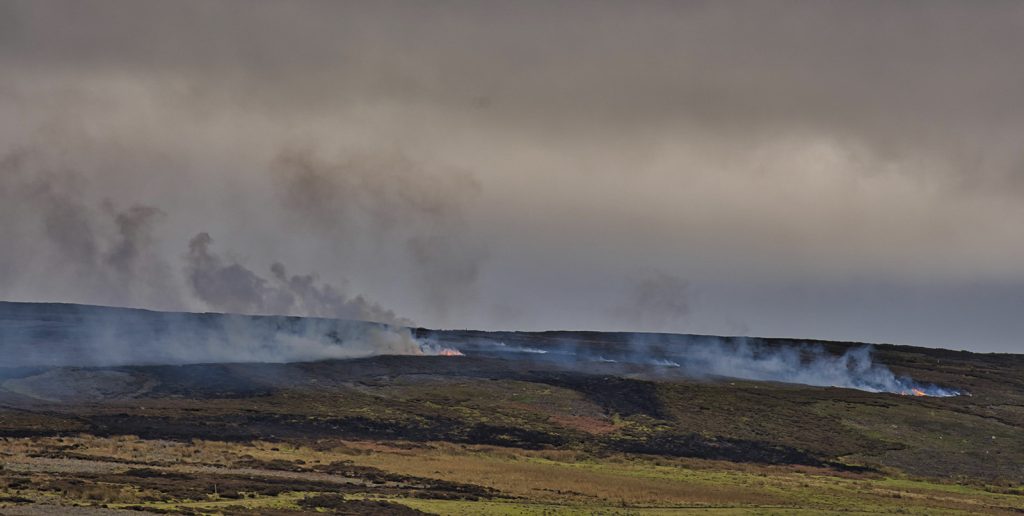
Gamekeepers refuse to endorse Scotland's new muirburn code
Scotland's gamekeepers say they will not endorse the revised Muirburn Code when NatureScot publishes it on 1 July, warning that it strips out the tools they rely on to fight wildfire and puts public s...
By News Desk
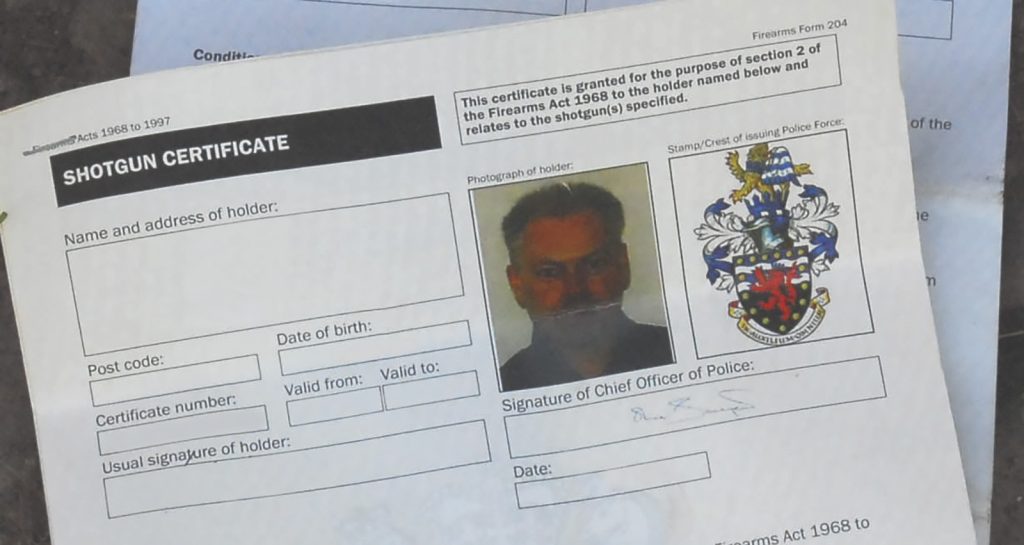
Firearm and shotgun certificates fall to lowest levels in years
Firearm and shotgun certificate numbers in England and Wales have fallen again, with BASC saying the latest Home Office figures strengthen its case for a single national firearms licensing authority t...
By News Desk
Get the latest news delivered direct to your door
Subscribe to Shooting Times & Country
Discover the ultimate companion for fieldsports enthusiasts with Shooting Times & Country Magazine, the UK’s leading weekly publication that has been at the forefront of shooting culture since 1882. Subscribers gain access to expert tips, comprehensive gear reviews, seasonal advice and a vibrant community of like-minded shooters.
Save on shop price when you subscribe with weekly issues featuring in-depth articles on gundog training, exclusive member offers and access to the digital back issue library. A Shooting Times & Country subscription is more than a magazine, don’t just read about the countryside; immerse yourself in its most authoritative and engaging publication.