Young Shots: gundog training, drey poking and recipes
Welcome to Shooting Times Junior, featuring expert advice on gundog training, a guide to drey poking for squirrels, and a delicious southern fried rabbit recipe
Lee Francis1 June 2026
Shooting Times Junior
There is more to shooting than standing on the peg and trying to bag driven game. It is during the close season that some of the most important shooting happens as gamekeepers and conservationists look to control pest species. Managing pests and vermin effectively supports each shoot ahead of the new season, but also offers plenty of opportunities to enjoy some sport. Whether you try pigeon shooting with a .410 or pick up rabbiting with an air rifle, know that whatever pest control you are doing this summer will help keep the ecosystem of the British countryside in check.
As always, we’d love to hear about your experiences, so please get in touch.
Are you our next star? Please send your letters and photos to shootingtimes@twsgroup.com
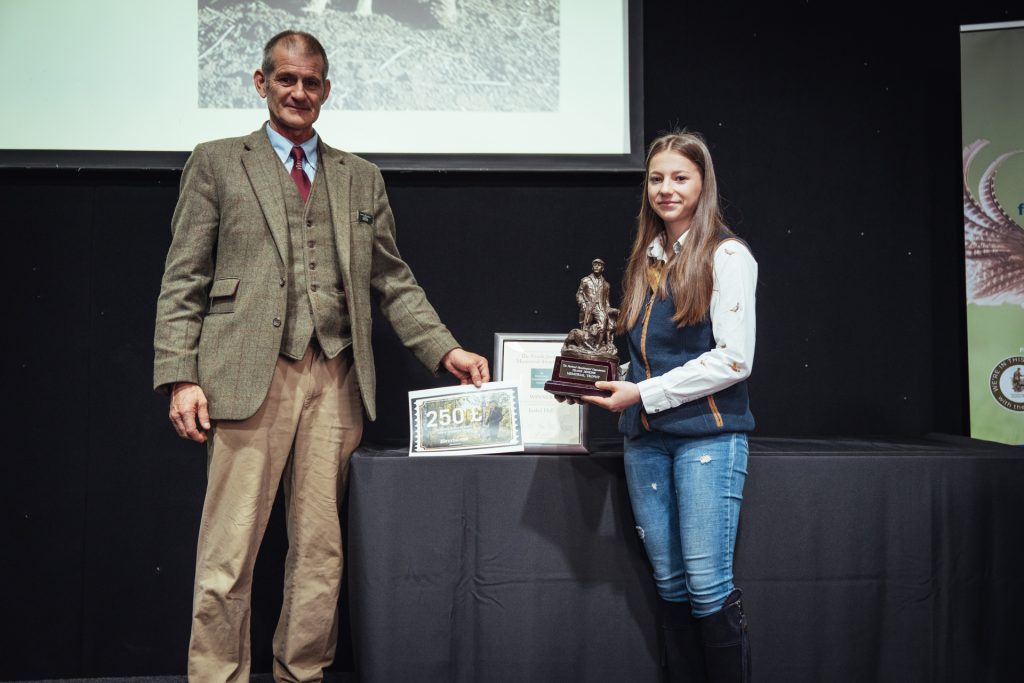
Star of the month: Izabel Hall
Izabel “Izzy” Hall was presented with the National Gamekeepers’ Organisation’s 2026 Frank Jenkins Memorial Trophy in April. She is an outstanding young underkeeper from Leicestershire whose skill, commitment and ambassadorial promise set her apart. Izzy, 17, is studying Countryside and Land Management Level 3 and works on the Walter Benbow Shoot in Thurlaston. She shares content that demystifies gamekeeping for a wider audience through her social media channels, “Izzy the Underkeeper”.
» To nominate a Star of the Month email shootingtimes@twsgroup.com
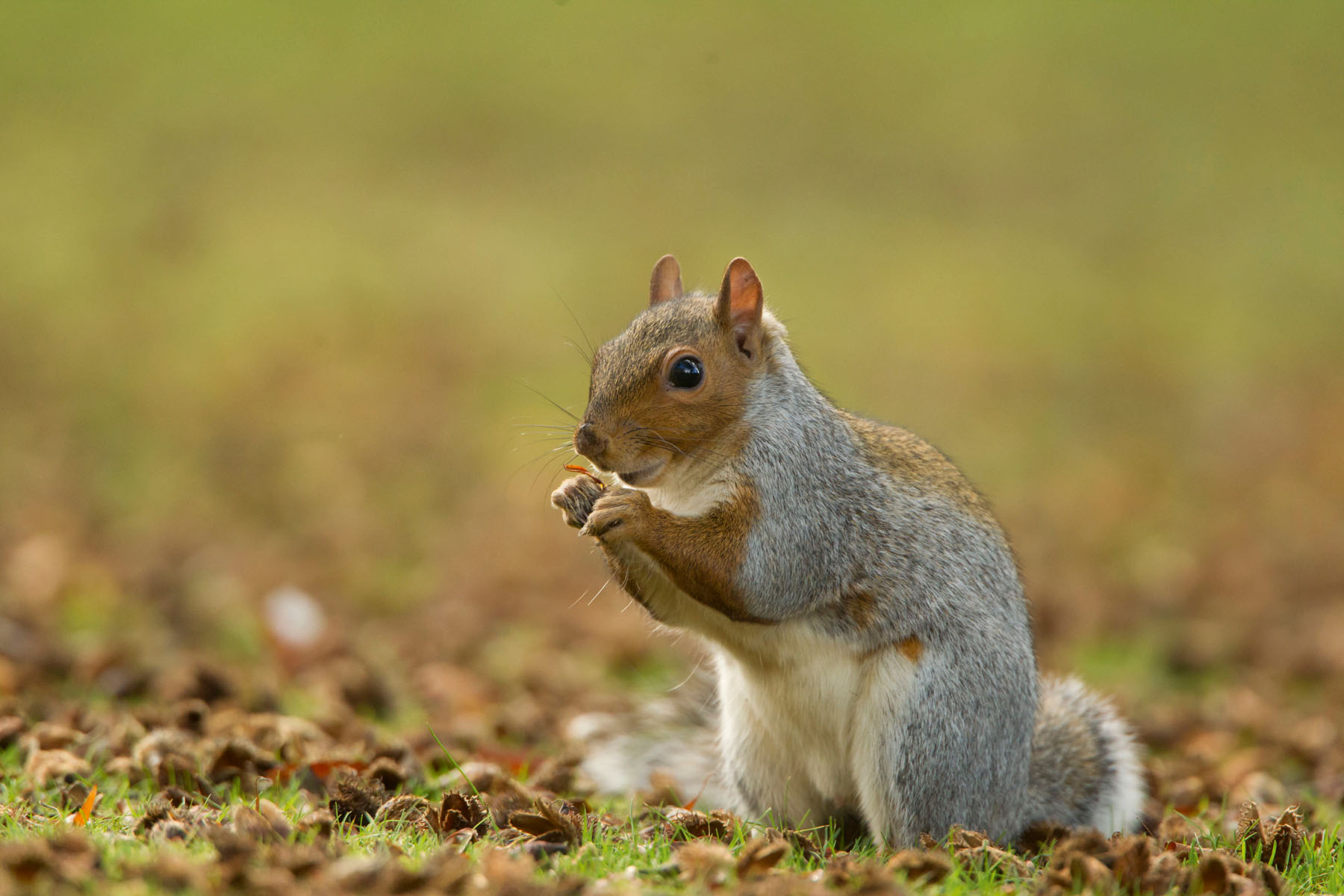
Quarry in question — Squirrels: the grey menace
Grey squirrels create problems for some native wildlife. They compete with red squirrels for food and habitat and can carry a disease called squirrelpox, which is very harmful to reds. They can damage trees by stripping bark from trunks, which can ruin forests. Because of this, conservation groups in some parts of the UK work to protect red squirrel habitats and manage grey populations.
Fast facts
Did you know? A squirrel’s front teeth never stop growing. They stay sharp by gnawing on nuts, seeds and even tree bark.
Did you know? As well as being surprisingly noisy animals, greys often flick their tails while calling to warn other squirrels about danger or to scare off rivals.
Profile & behaviour
What is it: The grey squirrel (Sciurus carolinensis) is a medium-sized rodent with soft grey fur, a pale belly and a large bushy tail that helps it balance while climbing. Adult grey squirrels are usually about 23cm to 30cm long, with a tail almost as long as their body. They normally weigh between 400g and 700g. Males are known as boars and females are called sows.
How to find: Grey squirrels live in woodlands, parks, gardens and towns across much of the UK. They especially like areas with large trees where they can build nests, called dreys. Their dreys are made from twigs, leaves and moss, creating a shelter for sleeping and raising young.
Population: Unlike the red squirrel, the grey is not native to the UK. Grey squirrels originally came from North America and were introduced to Britain in the late 1800s. Today, there are an estimated 2.5m to 3m grey squirrels living in the UK. Native red squirrel numbers are much lower, with around 300,000 remaining, mostly in Scotland and protected areas. Grey squirrels have spread successfully because they adapt well to different habitats and can find food easily in towns and cities.
Breeding: Grey squirrels breed twice a year – once in late winter and again in summer. The sows give birth to 2 to 4 babies, called kits, after a pregnancy of about 44 days. The babies are born blind and hairless and stay inside the drey at first. By the time they are around 10 weeks old, they are ready to explore the trees on their own.
Readers in the field: why predator control is vital for wildlife
Predation management is often used by people, especially farmers, gamekeepers and conservationists, to protect wildlife or livestock. Many predators play an important role in nature by keeping ecosystems balanced. However, there are incidents when certain predators such as foxes or corvids need controlling to help protect lambs or vulnerable ground nesting birds such as lapwing and curlew.
The Game & Wildlife Conservation Trust (GWCT) has carried out significant scientific research into the effects of predation management. Many of the studies show that when legal predation management is in place, rare and vulnerable species of animals can increase in population due to reducing predation pressures during nesting and breeding periods.
The main predators controlled within England are foxes, carrion crows, magpies, brown rats, stoats, weasels, grey squirrels and mink. There is a variety of methods used to control these species, including lethal means such as shooting and trapping and non-lethal methods such as electric fencing. Every farm or estate will have different predation pressures, but the best time to control predators is during spring and early summer when the vulnerable prey animals are nesting.
» For more information regarding our predation work please visit gwct.org.uk – Alex Keeble, GWCT
First driven shoot – best day ever!
I went on my first proper driven pheasant shoot with my dad and grandad last season, and I had the best day ever. I wasn’t shooting, but I helped pick up birds with the dogs.
My favourite part was standing on the edge of the wood listening to the beaters shouting and then suddenly hearing the pheasants coming over the trees. They sounded really fast. One of the Guns shot a brilliant high bird and everyone clapped.
At lunchtime we all stood around a fire barrel eating sausages and drinking hot chocolate. The spaniels were muddy and kept trying to steal sandwiches when nobody was looking. By the end of the day I was very tired but I can’t wait to go again next season. – Tom, aged 10
Editor responds: Well done, Tom. Don’t forget that beaters and pickers-up are just as important for a good day’s shooting as the Guns. Hopefully we can see some pictures when you are out again next season!
Are you next month’s star?
Are you a young Gun, beater or picker-up (or you know one) experiencing the field for the first time this year? We would love to hear all about your adventures and experiences. Why not get in touch and tell us about your shoot and how you are getting involved?
» Send your stories to shootingtimes@twsgroup.com. Some of our favourite letters might even be in with a chance of winning some great prizes!
Gundog guidance: introduction to the stop whistle (part 1)
Supplied by Muntjac Trading
These simple training steps will help you feel confident, build trust with your dog and set the right foundations for success in the field.
The stop whistle is one of the most important skills your gundog will learn. It keeps your dog safe and calm, even when they are excited or running. It also helps you direct your dog into the right area where a bird or dummy has fallen. When your dog stops and looks back at you, you can guide them with hand signals or send them in a new direction. Acme 210.5 whistles are best for spaniels and smaller gundog breeds, while Acme 211.5 or 212 usually suit Labradors better.
Start close and keep it simple: Begin with your dog close to you. Ask for a sit and wait until they are settled. Give one short pip. As soon as your dog stays sitting and looks at you, reward them. You are teaching your dog that the whistle means stop and pay attention.
Add a few steps of movement: Next, try the same thing while your dog is standing beside you. Let them take one or two steps forward. Give a pip. Reward any pause. If they do not stop, guide them back into a sit and try again.
Walk together and practise stopping: When this feels easy, walk slowly with your dog at heel. Give a pip and stop walking. Reward your dog for stopping with you.
Add a little distance: Ask your dog to sit, walk away a short space, turn to face them and give a pip. Reward them for staying still and looking at you.
Walk on and return to your dog: Walk forward with your dog beside you. Give a pip to stop them, then continue walking a few strides without your dog. Turn, walk back, collect them at heel and repeat.
– Jennifer Thomas, JT Dog Training and Muntjac Trading ambassador
How to drey poke
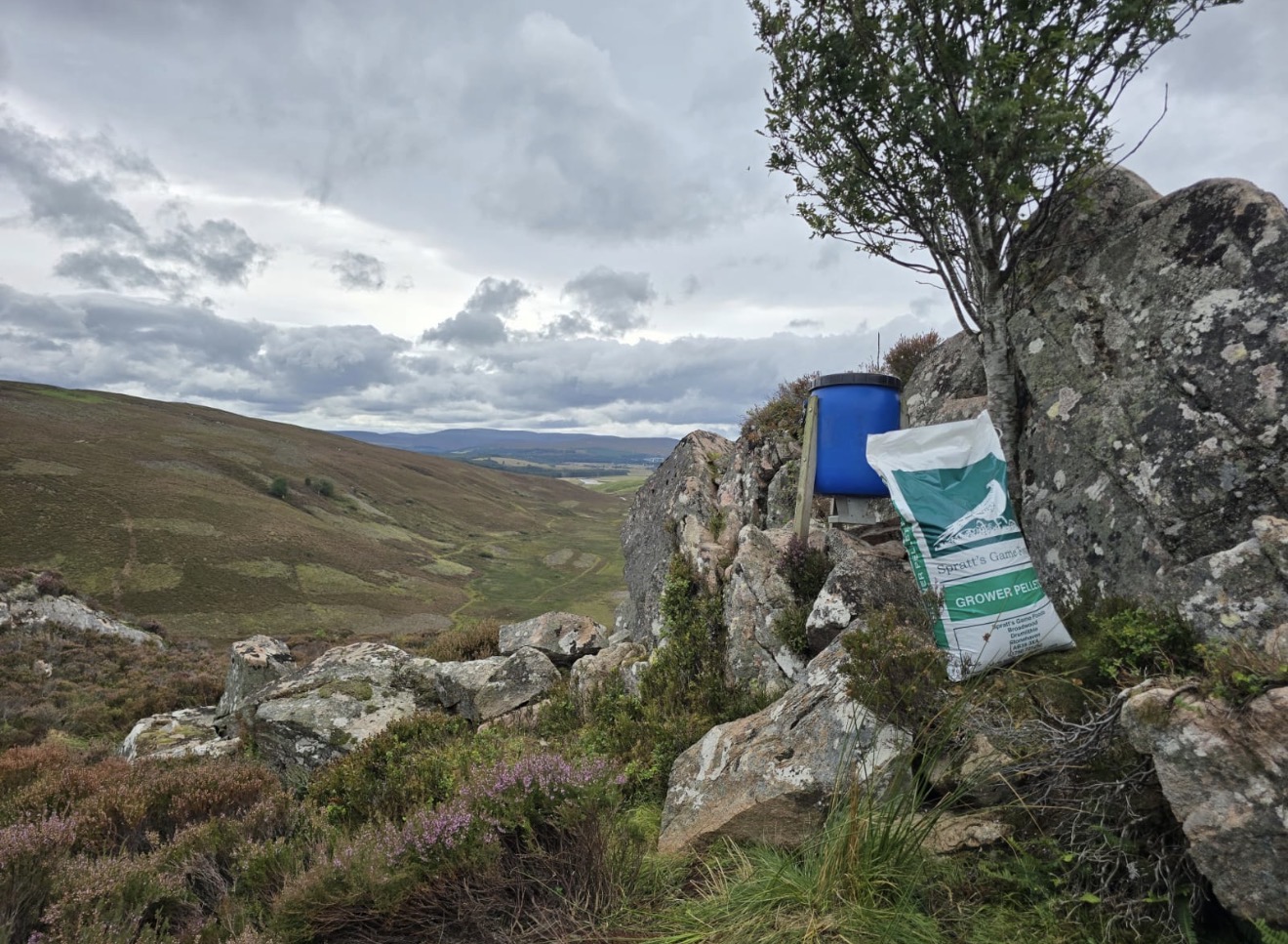
Grey squirrels are one of the biggest threats to British broadleaf woodland, stripping bark, damaging young trees and putting pressure on native wildlife. While trapping and feeding stations remain effective control methods, drey poking is a traditional and highly enjoyable way to manage squirrels during late winter and early spring. Targeted control is considered an important part of woodland management, so here’s our straightforward guide to getting started.
Above: it’s always good to have a useful sort of dog, such as a spaniel, on hand to pick squirrels that have fallen into deep cover. Drey poking is best done in teams, with someone operating the poles and others covering the exits.
Step by step
Get permission: Before entering any woodland with a gun, always secure the landowner’s permission. Remember, anyone under 15 must be supervised by someone 21 or older when holding an assembled shotgun. Young people can use a shotgun without adult supervision from age 15, provided they have a certificate.
Gather the right kit: You’ll need a reliable shotgun, suitable cartridges, extendable drey poles with a hook attachment, sturdy boots and protective headwear. A dog is useful for retrieving squirrels from dense cover.
Choose the right time: Late winter and early spring are ideal, before the trees leaf up. Dreys are easier to spot and squirrels are more likely to be tucked up inside during spells of colder weather.
Learn to spot active dreys: Look for fresh dreys built from leafy twigs high in the canopy. Fresh material and signs of feeding nearby are good indicators of activity.
Work as a team: One person operates the poles while others stand safely in position to cover likely escape routes. Communication and safe gun handling are essential.
Keep it safe and sporting: Always identify your target clearly and maintain safe shooting angles. Drey poking is hard work, but done well it is a rewarding way to help protect Britain’s woodlands.
Cookery corner: southern fried rabbit
Makes: 2 servings
Ingredients
2 rabbits, jointed and silverskin removed
1 litre chicken stock
Sprig of thyme
4 garlic cloves
300ml buttermilk (or yoghurt)
1 tsp garlic powder
1 tsp onion powder
1 tsp smoked paprika
400g cornmeal (or polenta)
700ml vegetable (or sunflower) oil
Method
Put the rabbits in a casserole dish with the thyme, stock and garlic cloves. Cover with a lid or tinfoil and cook in a low oven (165°C / Gas mark 3) for around two hours, until the rabbit is soft and coming off the bone.
Allow the rabbit to cool, then coat it in the buttermilk mixed with a pinch of salt.
Mix the remaining spices and cornmeal, and toss the rabbit pieces one by one until covered.
Heat the oil to 180°C and add the coated rabbit pieces into the hot oil – being careful not to overcrowd the pan – and turn them after a minute or two. Cook until the pieces are golden brown on both sides.
Finally, remove the pieces with a slotted spoon and drain on some kitchen paper. Serve with salad or chips.
Top tip: You will know when your oil is hot enough if, when you drop a piece of bread into it, it sizzles and quickly floats to the top.
This month's Young Shots page has it all — from a roe deer masterclass and rifle round explainer to a 14-year-old's beating line memoir, venison cannelloni and your next gundog training challenge
Discover the ultimate companion for fieldsports enthusiasts with Shooting Times & Country Magazine, the UK’s leading weekly publication that has been at the forefront of shooting culture since 1882. Subscribers gain access to expert tips, comprehensive gear reviews, seasonal advice and a vibrant community of like-minded shooters.
Save on shop price when you subscribe with weekly issues featuring in-depth articles on gundog training, exclusive member offers and access to the digital back issue library. A Shooting Times & Country subscription is more than a magazine, don’t just read about the countryside; immerse yourself in its most authoritative and engaging publication.
To provide the best experiences, we use technologies like cookies to store and/or access device information. Consenting to these technologies will allow us to process data such as browsing behavior or unique IDs on this site. Not consenting or withdrawing consent, may adversely affect certain features and functions.
Functional
Always active
The technical storage or access is strictly necessary for the legitimate purpose of enabling the use of a specific service explicitly requested by the subscriber or user, or for the sole purpose of carrying out the transmission of a communication over an electronic communications network.
Preferences
The technical storage or access is necessary for the legitimate purpose of storing preferences that are not requested by the subscriber or user.
Statistics
The technical storage or access that is used exclusively for statistical purposes.The technical storage or access that is used exclusively for anonymous statistical purposes. Without a subpoena, voluntary compliance on the part of your Internet Service Provider, or additional records from a third party, information stored or retrieved for this purpose alone cannot usually be used to identify you.
Marketing
The technical storage or access is required to create user profiles to send advertising, or to track the user on a website or across several websites for similar marketing purposes.