★ Your magazine. Your say. Complete our reader survey with a chance to win Jack Pyke kit worth £500! ★


Derbyshire game shoot shows what cover crops can do for nature recovery
A Derbyshire DIY game shoot shows what game cover crops and predator control can deliver for nature recovery, in a new BASC case study.
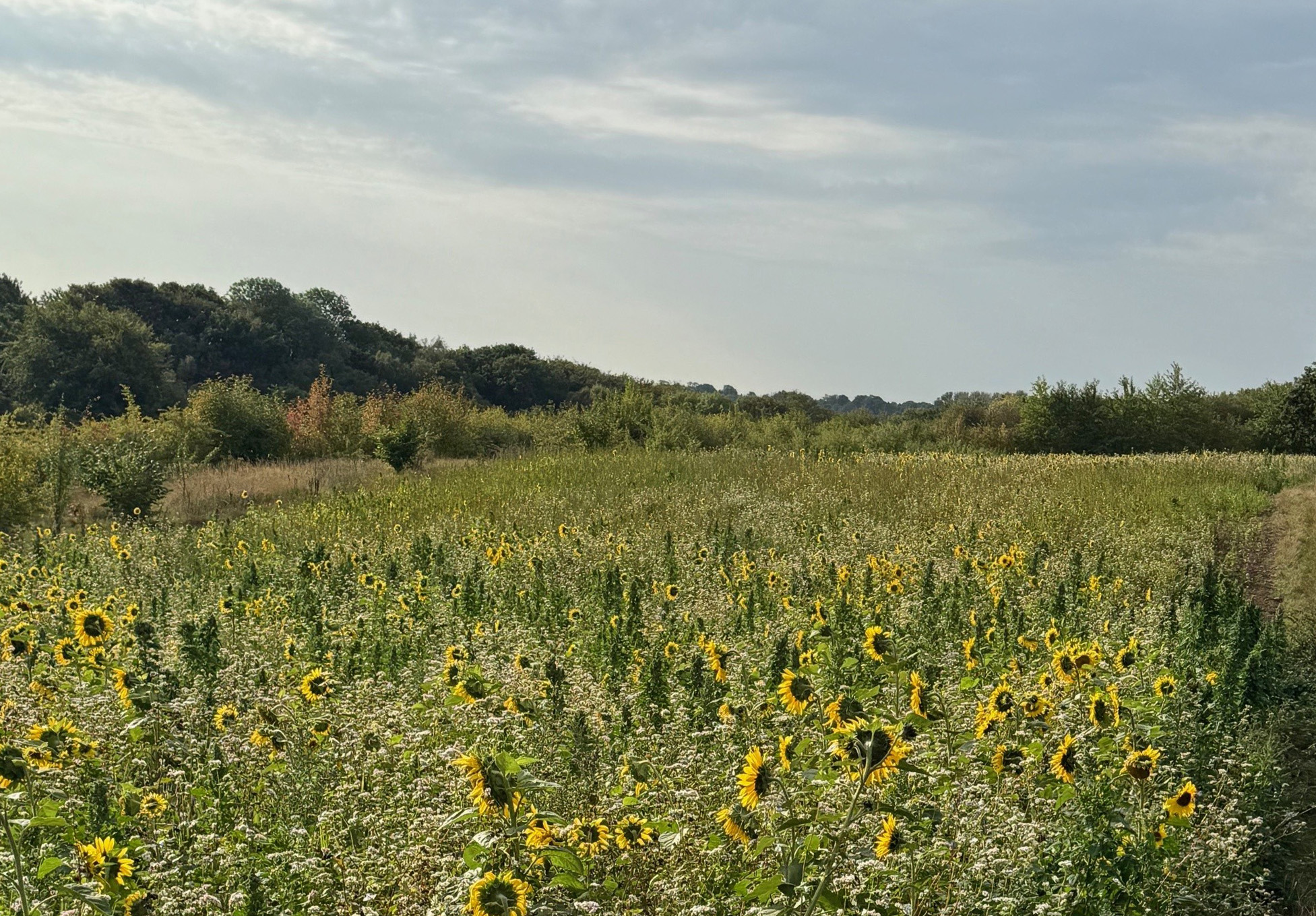

A small Derbyshire game shoot is being held up as an example of what game cover crops can deliver for nature recovery, after BASC published a case study of the conservation work on its ground in June 2026.
A woodland shoot punching above its weight
Jim and Catherine Allsop run the Monk Wood Shoot near Chesterfield, a DIY game shoot on 270 acres of largely wooded ground. With less open space than a typical lowland shoot, Jim has still put in more than 20 acres of wild bird cover, only a tenth of it funded through public schemes and the rest paid for by the shoot.
Which cover crops does the shoot use?
Rather than single straights, the shoot uses mixes of kale, turnip rape, the kale and mustard hybrid utopia, quinoa, sunflowers and phacelia, chosen for biodiversity as well as for holding birds. No artificial fertiliser, pesticides or herbicides are used and any weeding is done by hand.
Every cover sits near one of the many ponds being created on the shoot, and more than 50 feeding stations are topped up year round, not just through the hungry gap. Covers are staggered in age across the ground so there is always brood-rearing and winter holding cover.
What does predator control deliver?
Control of crows, magpies, rats and foxes underpins the work, with fox numbers brought down from more than 100 a year to low tens. Birdlife recorded on the shoot includes bittern, nightjar, barn owl and woodcock, with local wildlife trusts visiting to log the diversity. The shoot moved to steel shot last season.
Why does it matter for nature recovery?
With the Government weighing the part shooting plays in nature recovery, the Allsops’ ground is a practical answer, showing what smaller game shoots can achieve when habitat and predator control are taken seriously. BASC, which published the case study, said it showed what smaller shoots could deliver.
Frequently Asked Questions
What is the Monk Wood Shoot?
A DIY game shoot on 270 acres of largely wooded ground near Chesterfield in Derbyshire, run by Jim and Catherine Allsop and held up by BASC as an example of conservation in action.
Which cover crops are best for wildlife?
The shoot uses mixes of kale, turnip rape, the kale and mustard hybrid utopia, quinoa, sunflowers and phacelia, chosen for biodiversity as well as for holding birds.
Does predator control help other wildlife?
On this shoot, controlling crows, magpies, rats and foxes has helped support birdlife including bittern, nightjar, barn owl and woodcock.
 Closes 15 JanuaryWorth £129.90Win a pair of tickets to the British Shooting Show 2027Enter nowFree to enter
Related Articles

London Proof House opens firearms storage to certificate holders
The Proof House has turned an unused armoury on Commercial Road into a secure, climate-controlled store open to certificate holders, gunmakers and dealers, proof master David Miles has told Gun Trade...
By News Desk | 10 October 2026
Rural businesses freeze investment over inheritance tax, CLA finds
Nine in ten of the family businesses behind Britain’s farms and estates have paused spending, the CLA warns ahead of the Budget
By News Desk | 9 October 2026
Get the latest news delivered direct to your door
Subscribe to Shooting Times & Country
Discover the ultimate companion for fieldsports enthusiasts with Shooting Times & Country Magazine, the UK’s leading weekly publication that has been at the forefront of shooting culture since 1882. Subscribers gain access to expert tips, comprehensive gear reviews, seasonal advice and a vibrant community of like-minded shooters.
Save on shop price when you subscribe with weekly issues featuring in-depth articles on gundog training, exclusive member offers and access to the digital back issue library. A Shooting Times & Country subscription is more than a magazine, don’t just read about the countryside; immerse yourself in its most authoritative and engaging publication.