★ Your magazine. Your say. Complete our reader survey with a chance to win Jack Pyke kit worth £500! ★


BASC Wildlife Fund grant pays off at Derbyshire shoot
Trustees visited Monkwood, near Chesterfield, to see how a grant-funded ecological baseline is shaping habitat work across the 270-acre shoot
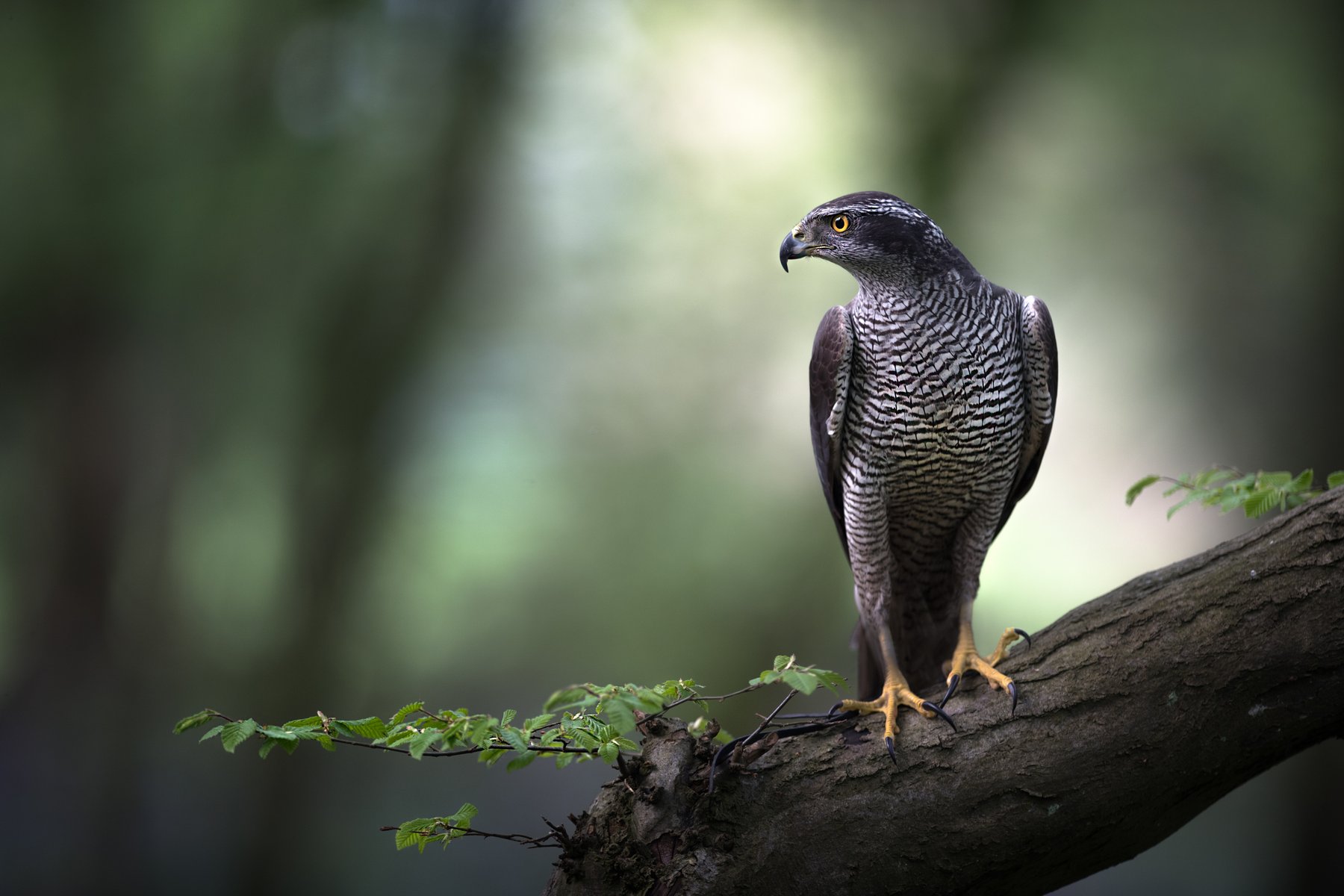

Adder, bittern, nightjar, goshawk and kestrel are among the species now recorded at Monkwood, where shoot managers Jim and Catherine Allsop used a BASC Wildlife Fund grant to establish the site’s first biodiversity baseline. The trustees who toured the Derbyshire shoot on 31 July went home discussing what the next grant might do.
What did the grant pay for?
The Allsops applied to the fund in May 2025 and were awarded a grant by July that year, paying for a Preliminary Ecological Appraisal of the 270-acre shoot near Chesterfield. The appraisal is a structured survey of the habitats and species on the ground, and it gives the shoot a formal baseline against which every future season’s habitat work can be measured. For a shoot, that record does two jobs at once: it shows where habitat effort will do most good, and it evidences the conservation delivered on ground managed for shooting.
John Harlow, a trustee of the BASC Wildlife Fund, said: “What Jim and Catherine are achieving at Monkwood is exactly what the BASC Wildlife Fund exists to support. The PEA will give them a proper baseline to work from – one they’ll be able to measure future progress against.”
A mosaic of habitats
Jim Allsop said the grant had done more than pay for surveys. “The grant for our baseline surveys has been invaluable. It has opened many doors to shooting and conservation knowledge and people willing and keen to share it,” he said.
The surveys have changed the shoot’s ambitions too. “People often ask which species I really wanted on the property. I used to say barn owl, naively, because it’s one of my favourite birds. Now I understand the aim isn’t to chase a single species but to build a mosaic of habitats for as many as possible,” Mr Allsop said.
Monkwood is part of BASC’s Four Seasons campaign, which follows the conservation work done on shooting ground through the year. The fund’s grants have form on delivery: earlier this summer a £20,000 award helped the project that has made Kent free of breeding mink, in partnership with the Waterlife Recovery Trust.
What happens next?
Trustees discussed further grant support for Monkwood during the visit, and Mr Harlow described the shoot as “a model for what a grant and a lot of hard work on the ground can do”. Shoots and clubs weighing up conservation projects of their own can read the full account of the visit, and details of the fund, on the BASC website via the links below. The trustees will weigh further support for Monkwood as the habitat work develops.
Frequently asked questions
What is the BASC Wildlife Fund?
It is BASC’s grant-making conservation fund, which pays for practical projects carried out by the shooting community, from the baseline surveys at Monkwood to the £20,000 mink-eradication grant in Kent.
What is a Preliminary Ecological Appraisal?
A structured survey of a site’s habitats and species. At Monkwood it established the biodiversity baseline against which the shoot’s future habitat work will be measured.
Which species have been recorded at Monkwood?
Recorded species include adder, bittern, nightjar, goshawk and kestrel across the 270-acre Derbyshire site.
 Closes 15 JanuaryWorth £129.90Win a pair of tickets to the British Shooting Show 2027Enter nowFree to enter
Related Articles

Rigby opens Grade II-listed London home with museum
The 251-year-old gunmaker has moved to a converted ballet school in Clapham, where visitors can watch guns being made and see Jim Corbett’s rifle at the heart of the showroom
By News Desk | 14 October 2026
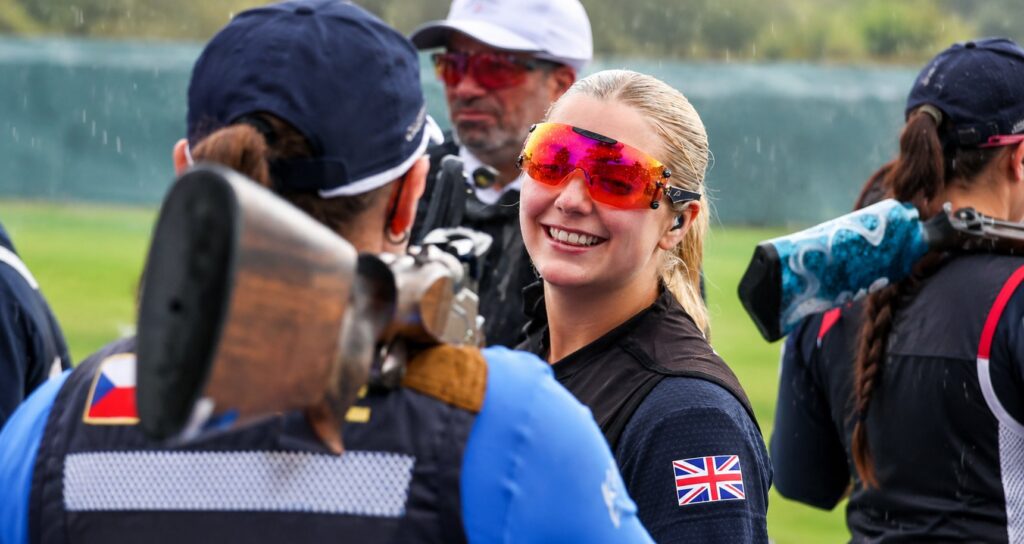
Amber Rutter crowned European Skeet champion in Greece
The Olympic silver medallist beat Italy’s Diana Bacosi by a single target in Malakasa, on a week when two GB juniors also took European bronze
By News Desk | 14 October 2026
Get the latest news delivered direct to your door
Subscribe to Shooting Times & Country
Discover the ultimate companion for fieldsports enthusiasts with Shooting Times & Country Magazine, the UK’s leading weekly publication that has been at the forefront of shooting culture since 1882. Subscribers gain access to expert tips, comprehensive gear reviews, seasonal advice and a vibrant community of like-minded shooters.
Save on shop price when you subscribe with weekly issues featuring in-depth articles on gundog training, exclusive member offers and access to the digital back issue library. A Shooting Times & Country subscription is more than a magazine, don’t just read about the countryside; immerse yourself in its most authoritative and engaging publication.