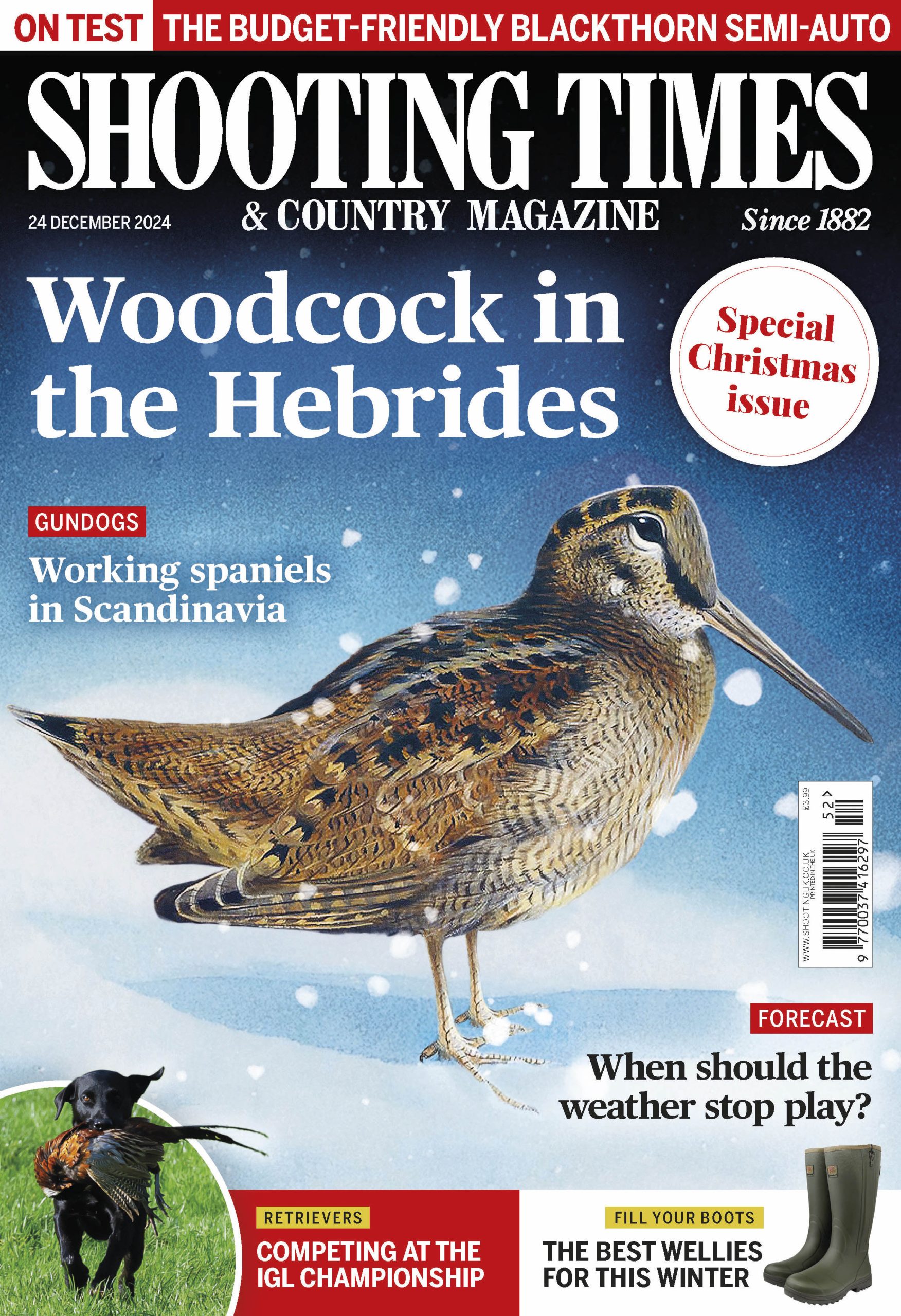
★ Your magazine. Your say. Complete our reader survey with a chance to win Jack Pyke kit worth £500! ★


BASC grant backs drive for a mink-free Kent to save water voles
A £20,000 grant from the BASC Wildlife Fund is funding smart traps and rafts to clear invasive American mink from Kent's waterways and protect native wildlife


A £20,000 grant from the BASC Wildlife Fund is helping the Waterlife Recovery Trust pave the way to a mink-free Kent, a county that once had one of the highest densities of invasive American mink in Britain. The grant is funding smart mink rafts and equipment for the Reclaiming Kent’s Waterways project, which aims to cut the county’s mink population by 90 per cent within two years.
Why does mink control matter for native wildlife?
American mink, introduced to the UK through the fur trade, have had a devastating impact on native wildlife since becoming established in the countryside. Their most notable victim is the water vole, now the UK’s fastest-declining mammal.
Mink also prey on ground-nesting birds such as snipe, lapwing and waterfowl, as well as kingfishers and sand martins, making their removal a priority for anyone with an interest in wetland and riverbank wildlife.
How will the grant be used?
The project is part of the Waterlife Recovery Trust’s wider Waterlife Recovery Southeast initiative, which aims to clear mink from Kent to Hampshire. Ali Horn, the trust’s Kent project officer, said the BASC grant allowed the purchase of 56 smart traps, rafts and other essential equipment.
“It’s been great to have extra equipment funded by the BASC Wildlife Fund to cover areas of the county where sightings of mink had been reported but where we didn’t yet have traps,” she said. “The grant will ultimately free 672 square kilometres of Kent of invasive American mink. The traps have already been busy.”
What has the approach already achieved?
The Kent work builds on a pioneering trial in East Anglia, where the trust’s network of volunteers and smart trap technology achieved a 70 per cent year-on-year reduction in mink numbers and led to the species’ complete removal from Norfolk, Suffolk and East Cambridgeshire, an area of more than 11,000 square kilometres. Smart traps alert volunteer trap managers by text and email the moment they are triggered, allowing a swift response and ensuring no harm to non-target species.
Michelle Nudds, BASC’s South East regional director, said: “This grant is a great example of what the BASC Wildlife Fund exists to do: backing projects with a proven track record and a clear, measurable conservation benefit. WRT’s smart trap technology has already shown it can deliver mink-free landscapes at scale in East Anglia, and the appetite from landowners and volunteers across Kent shows just how much support there is for this work on the ground.”
What happens next?
The grant forms part of a wider funding package covering the project’s first two years, with the trust and other funders meeting staffing and remaining equipment costs. Kent is seen as strategically important because its coastline limits future mink immigration once neighbouring counties, including the High Weald, are also cleared.
Details of how to apply for support from the BASC Wildlife Fund are available at bascwildlifefund.co.uk.
 Closes 15 JanuaryWorth £129.90Win a pair of tickets to the British Shooting Show 2027Enter nowFree to enter
Related Articles

Rigby opens Grade II-listed London home with museum
The 251-year-old gunmaker has moved to a converted ballet school in Clapham, where visitors can watch guns being made and see Jim Corbett’s rifle at the heart of the showroom
By News Desk | 14 October 2026
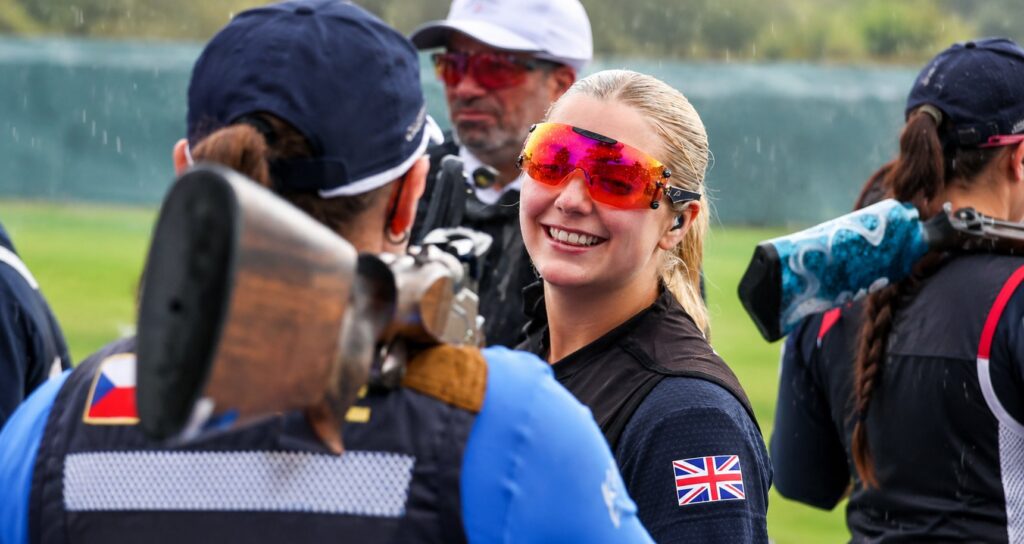
Amber Rutter crowned European Skeet champion in Greece
The Olympic silver medallist beat Italy’s Diana Bacosi by a single target in Malakasa, on a week when two GB juniors also took European bronze
By News Desk | 14 October 2026
Get the latest news delivered direct to your door
Subscribe to Shooting Times & Country
Discover the ultimate companion for fieldsports enthusiasts with Shooting Times & Country Magazine, the UK’s leading weekly publication that has been at the forefront of shooting culture since 1882. Subscribers gain access to expert tips, comprehensive gear reviews, seasonal advice and a vibrant community of like-minded shooters.
Save on shop price when you subscribe with weekly issues featuring in-depth articles on gundog training, exclusive member offers and access to the digital back issue library. A Shooting Times & Country subscription is more than a magazine, don’t just read about the countryside; immerse yourself in its most authoritative and engaging publication.