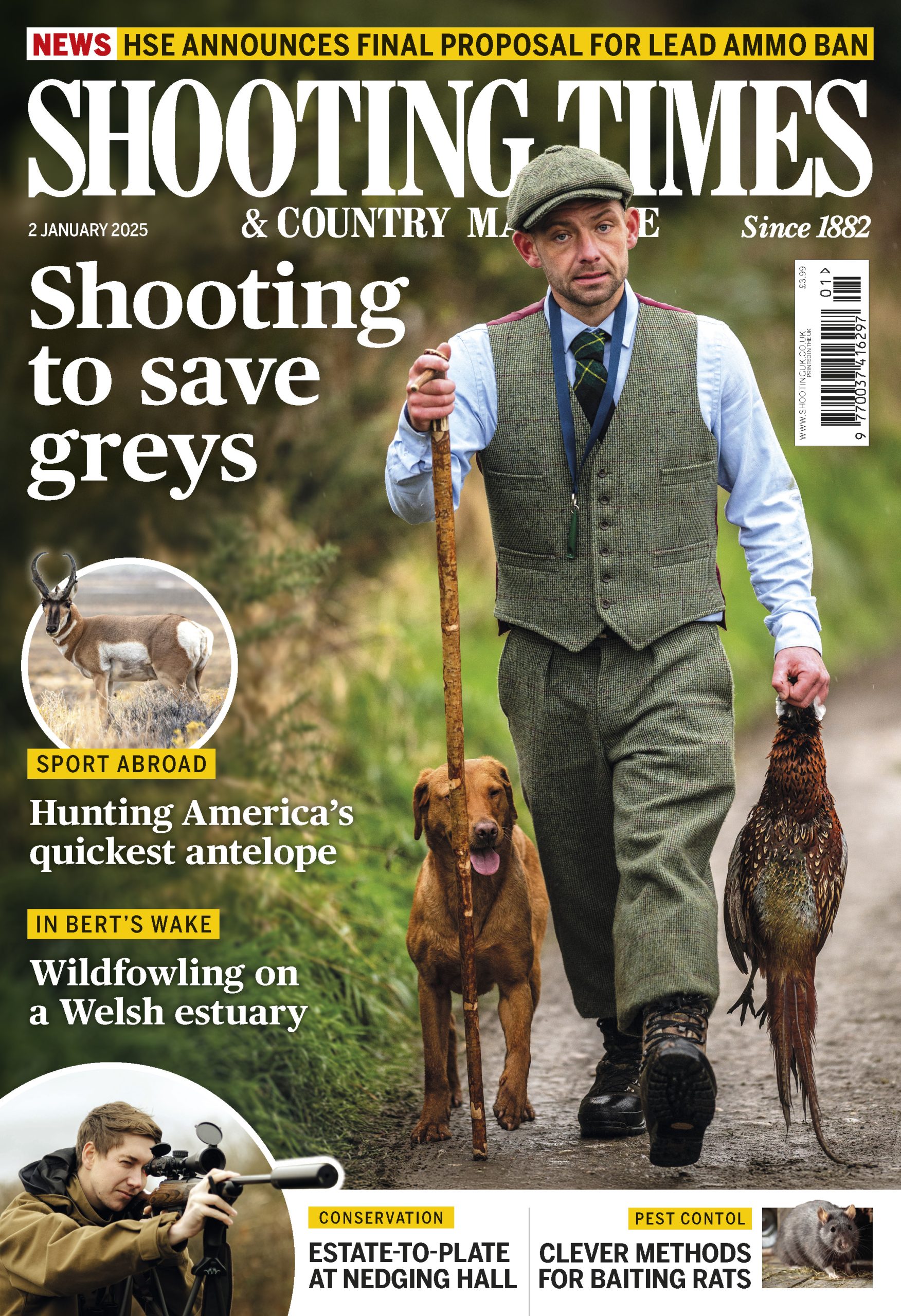
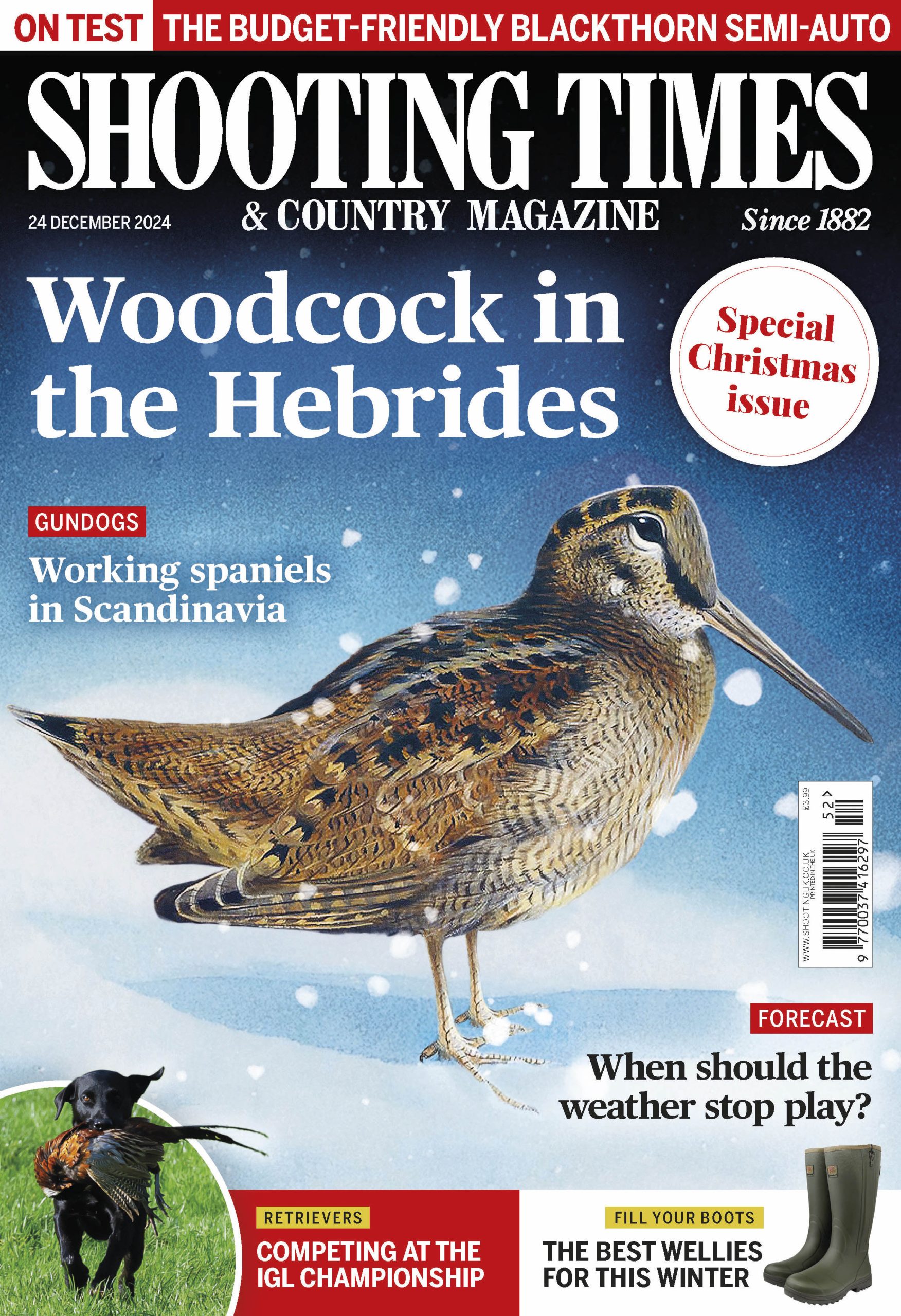
★ Your magazine. Your say. Complete our reader survey with a chance to win Jack Pyke kit worth £500! ★


The history of Shooting Times: the world’s oldest shooting weekly
The story of the world's oldest shooting weekly, the editors who have shaped it, the owners who have kept it going and an unbroken run of issues reaching back to 1882
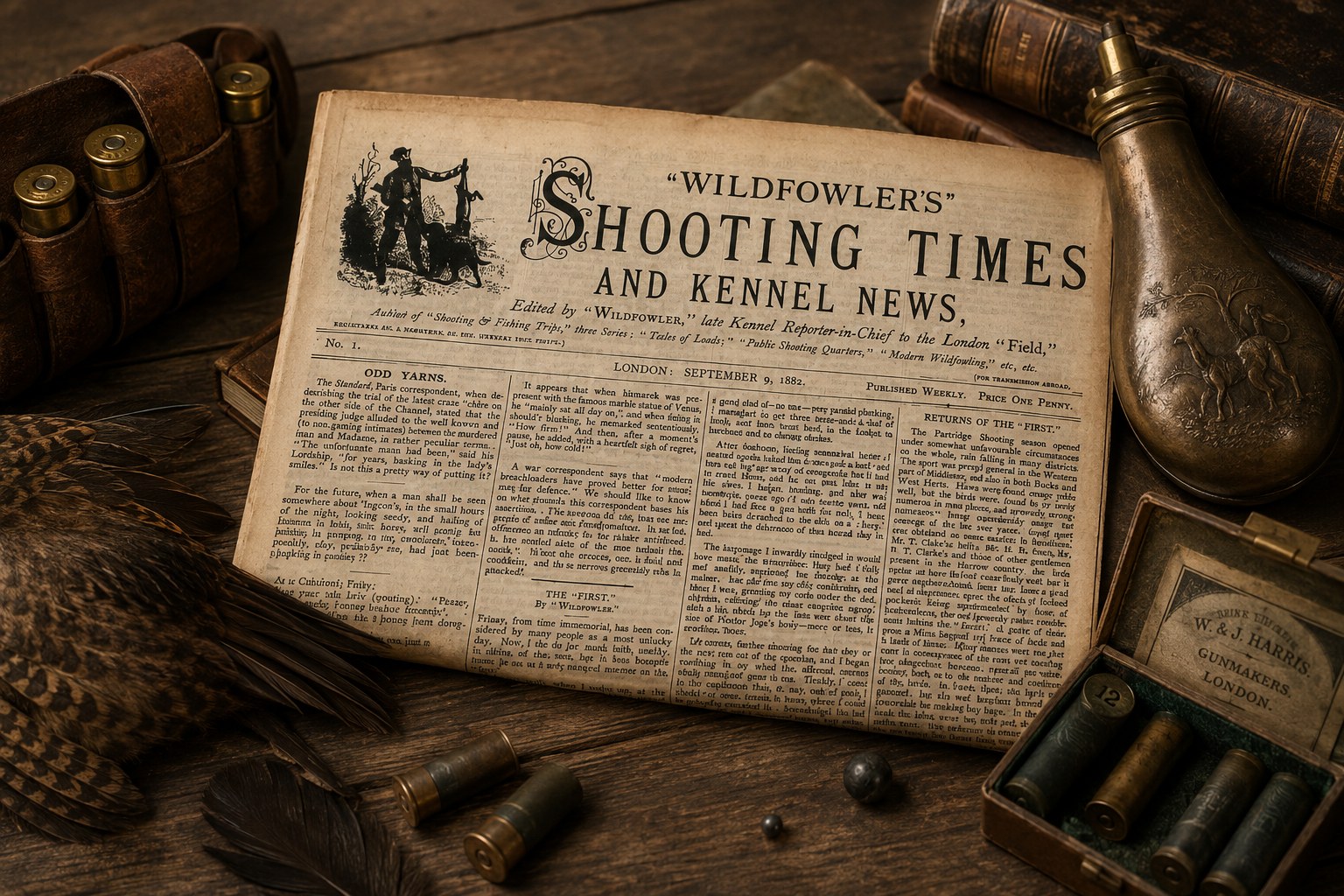

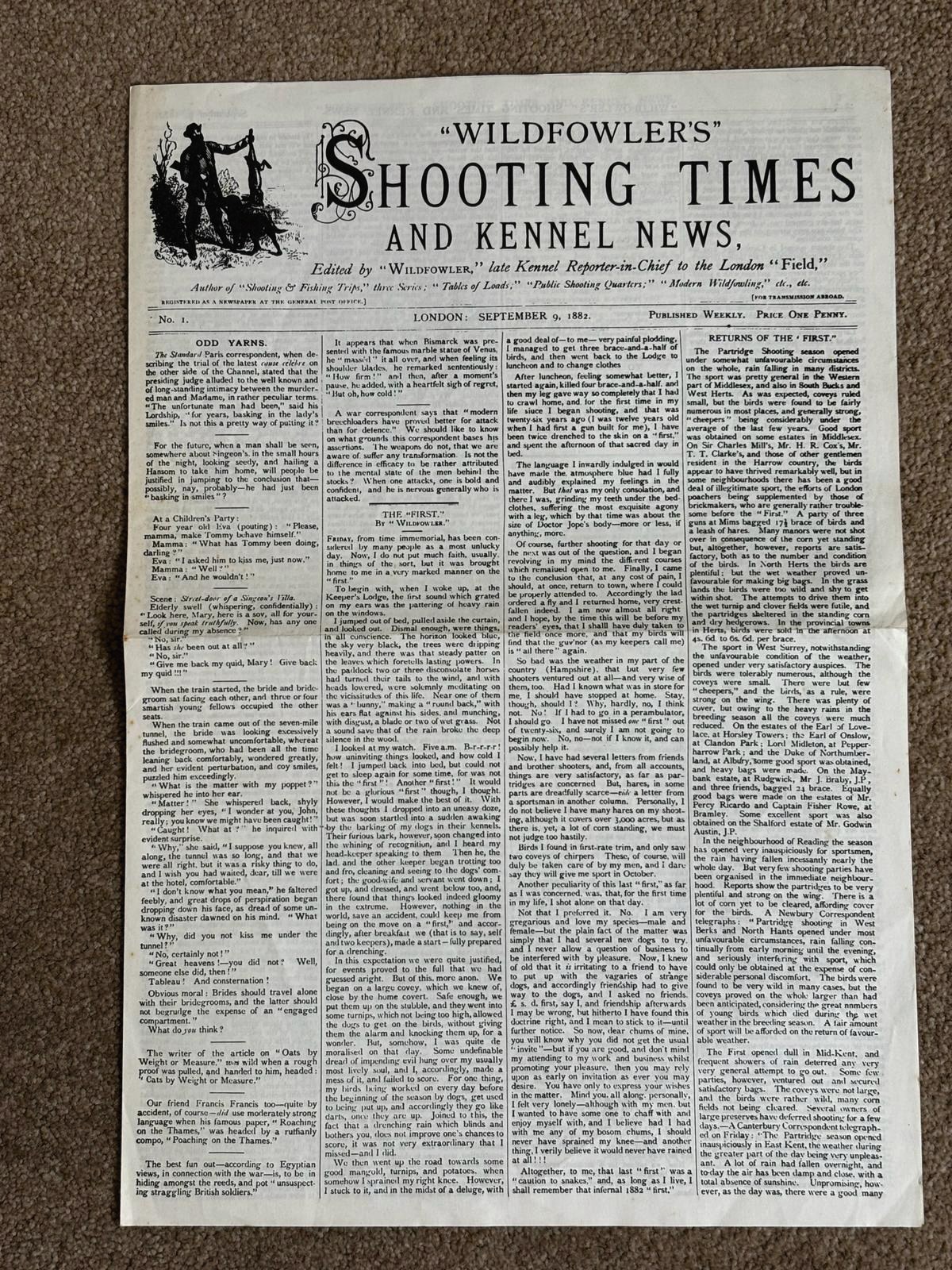
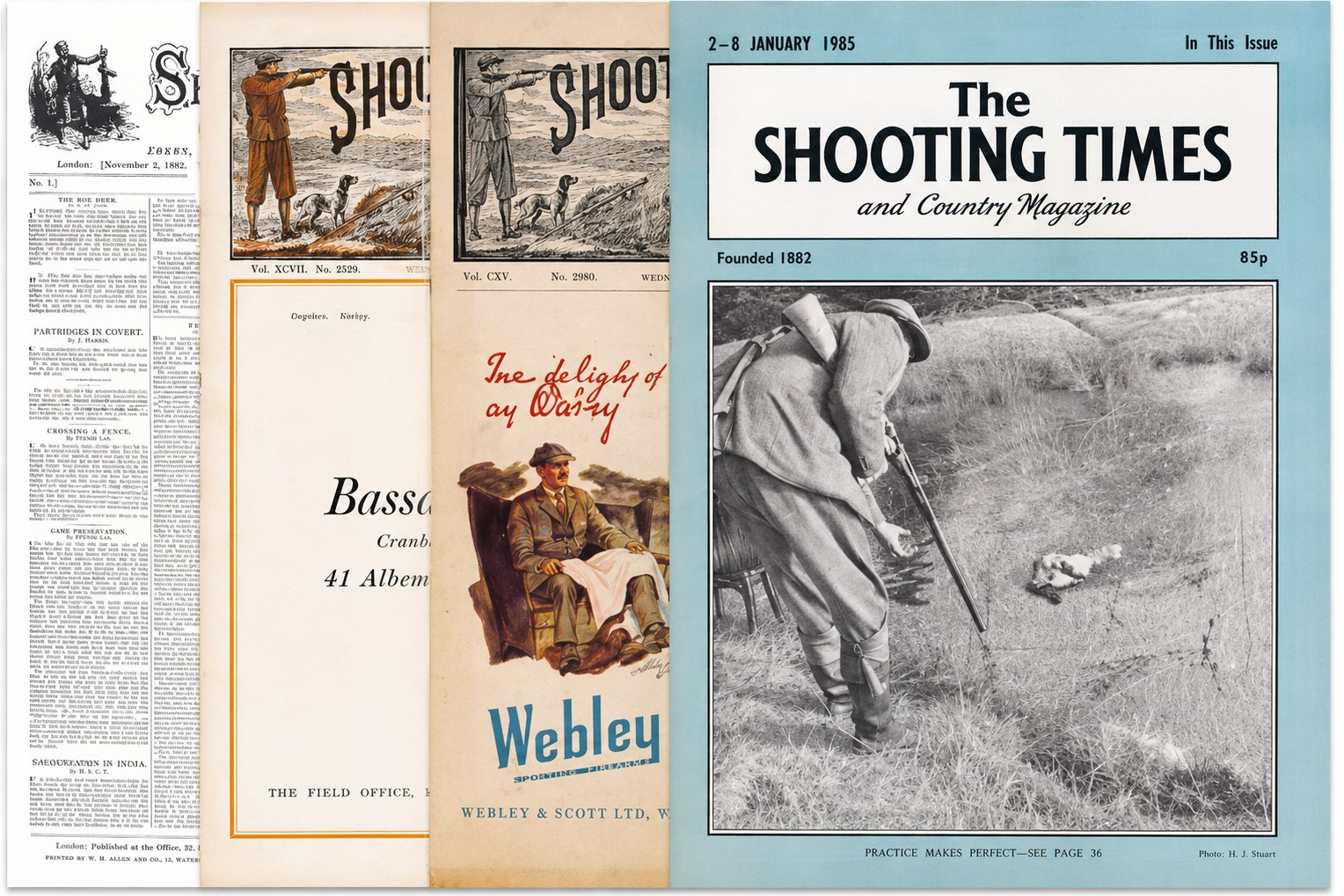
Shooting Times has gone to press every week since September 1882, when it first appeared as Wildfowler’s Shooting Times and Kennel News. Not one issue has been missed since: not through two world wars, not through the Blitz, not through paper rationing or the power cuts of the 1970s, and not through the Covid lockdowns. It has published through every change British shooting has lived out in that time, from black powder to non-toxic shot. It is the oldest shooting weekly in the world and the fullest continuous record of British fieldsports anywhere in print. The organisation that became BASC was founded through a letter to its editor, and generations of shooters have learned their sport in its pages.
This history draws on the account written for the magazine by Tony Jackson, who edited it from 1974 to 1986.
Who founded Shooting Times
The founder was Lewis Clement, who wrote under the pen name ‘Wildfowler’. Born in 1844 to wealthy parents, he spent his early years travelling Europe in pursuit of sport, shooting wolves in Bavaria and wild boar in France, and returning whenever he could to wildfowling and the training of gundogs. He had been kennel reporter-in-chief to The Field, which published his book Public Shooting Quarters in 1881, but fell out with the magazine and started his own weekly the following year.
What was in the first issue of Shooting Times
Lewis kept his own kennels and employed one or two professional trainers, and he understood immediately what a magazine could do for that business. The first issue carried an advertisement for his own dogs: steady Clumbers from 10 guineas, retrieving cockers from six, and pointers, setters and retrievers from 15. The weekly was produced from 230 Goswell Road in London for its first two years before moving in September 1884 to East Temple Chambers in Fleet Street.
In April 1893 Lewis severed all connection with the magazine. There was no editorial announcement, only a note instructing readers that cheques should in future be made payable to A. C. Bonsall. Nothing further was heard of him until 1906, when at the age of 62 he was sentenced to three years’ penal servitude for fraud involving the purchase and sale of gundogs.
How Shooting Times got its name
Arthur Bonsall took over a magazine that was by then thriving, removed the references to his predecessor and, within a fortnight, renamed it Shooting Times, British Sportsman and Kennel News. He moved the office to St Bride’s Avenue, held the cover price at 2d and increased the pagination to 24 pages. He stayed in charge for 31 years, until his death in 1924, and founded the Burlington Publishing Company, which remained the title’s holding company until the 1980s.
How Shooting Times helped found BASC
The magazine’s most consequential contribution to British shooting came in its issue of 26 October 1907, which carried a letter from the contributor Stanley Duncan proposing a wildfowlers’ association and asking the editor to make the paper the forum for the discussion. The Wildfowlers’ Association of Great Britain and Ireland was founded the following year, and Shooting Times became its official weekly organ. The association is now the British Association for Shooting and Conservation, and from 2026 its members receive a digital subscription to the magazine as part of their membership. Stanley went on contributing to the magazine for more than 60 years.
How Shooting Times survived two world wars
Through the First World War the weekly continued to appear, thinner for want of paper and news, while shoots lapsed and keepers and their employers went to the trenches. Among the contributors of that period were Henry Sharp, who ran a long series on guns, Stanley himself, and James Wentworth Day, who recalled being paid seven shillings and sixpence for 1,200 words. In 1917 the magazine published a first article by a writer who would eventually become one of its defining editors: Noel Sedgwick, known as Tim and later writing as ‘Tower-Bird’.
After Arthur’s death the magazine was run for four years by its business manager, Arthur Hughes, with a brief interlude under Arthur Heinemann. In 1928 the editorship passed to Dr Wagner, an Irish clergyman and the son of the Bishop of Boyle, who was regarded at the time as an authority on shooting. His tenure ended when it was discovered that he was writing articles under a series of pen names and being paid for each of them. His more durable legacy was the magazine’s association with Ye Olde Cheshire Cheese in Fleet Street, which lasted into the 1960s.
Tim was appointed editor in 1932 and held the chair for 33 years. He worked with Stanley to limit the effect of the Wild Goose and Duck Act 1939, which moved the opening of the season from 1 to 12 August and brought the close forward to 31 January, and he took the magazine through the Second World War almost single-handed, still publishing on Saturdays at sixpence. Blitz damage destroyed many of the early bound volumes, but not one weekly issue was lost. In 1942 Peter Moxon began a weekly gundog column and was later appointed gundog editor.
The post-war years
Peter Whitaker joined as assistant editor in 1950, writing under the name ‘Petrel’. The magazine was then owned by Stephen and Fraser Bird, and moved from Fleet Street to Old Bond Street at the suggestion of a managing director who wanted to be nearer his club. In 1954 publication shifted to Friday. Gough Thomas began a regular column on guns, followed four years later by Geoffrey Boothroyd, and circulation grew steadily to a peak of 55,000 copies a week in 1979.

Who has edited Shooting Times
Philip Brown became editor in 1965, a surprising appointment in that he had spent years as secretary of the RSPB and had been closely involved in the return of the ospreys at Loch Garten and the re-establishment of breeding avocets. He proved a committed supporter of fieldsports and brought hunting coverage into the magazine, a decision that contributed to its rapid growth. Tony Jackson, who had joined in 1961 as an editorial assistant, edited the title from 1974 to 1986 and later wrote its own published history.
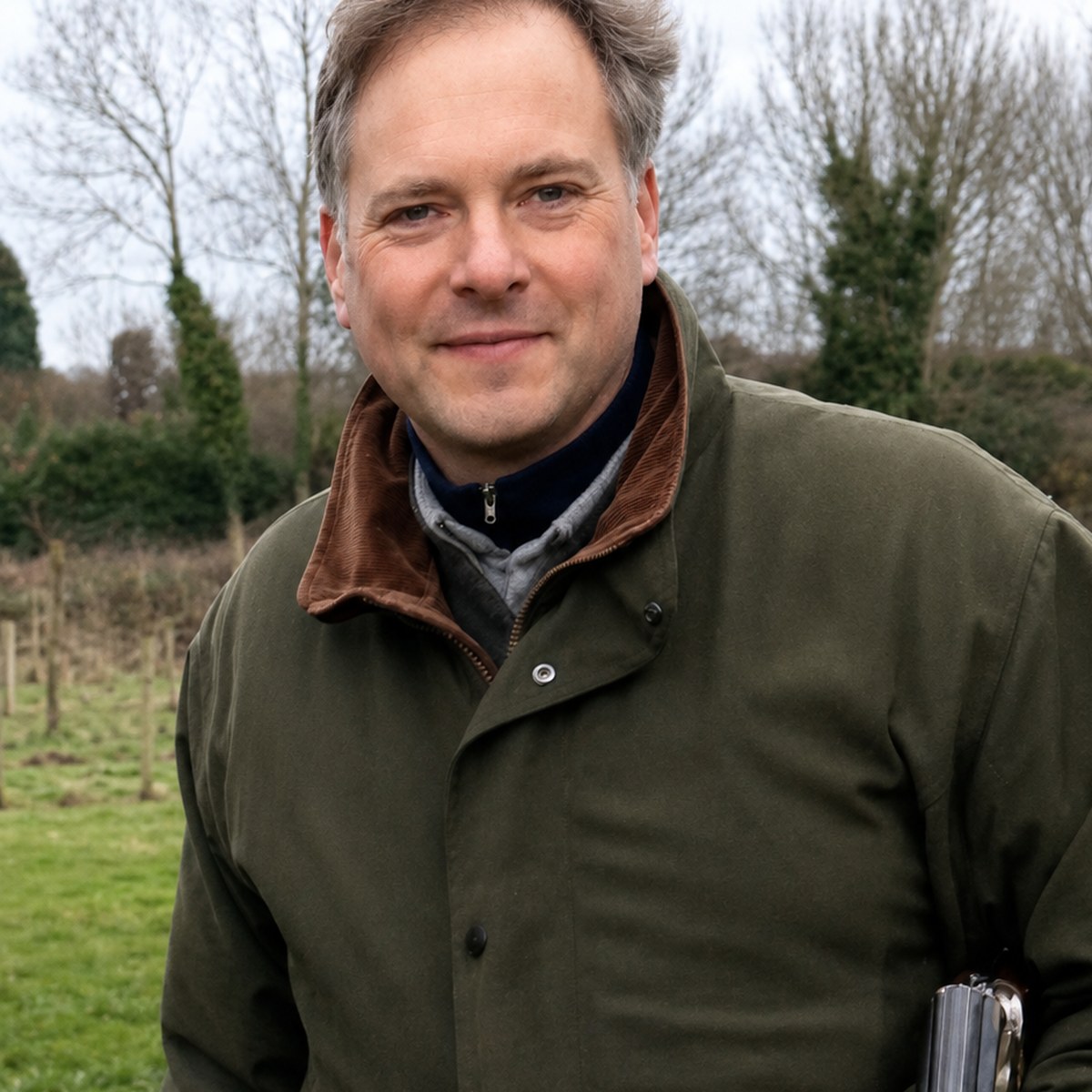
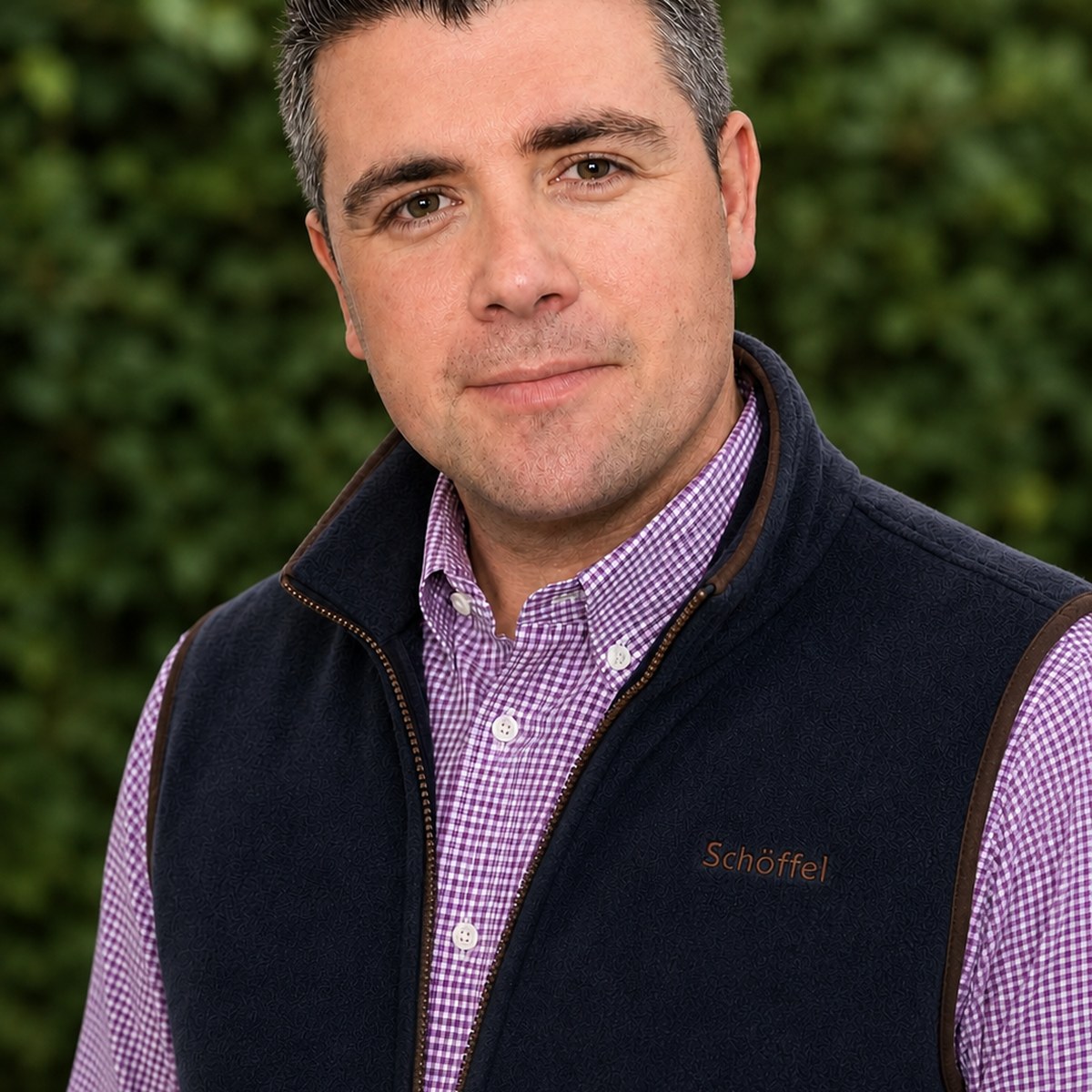
Jonathan Young, who had been Tony’s assistant editor, took the chair from 1986 to 1990, left to edit The Field for the next 29 years and returned as editor-in-chief of Shooting Times in 1997. Mark Hedges edited the title from 1998 to 1999, then spent a year as publisher of The Field, Shooting Times, Sporting Gun and Anglers Mail before editing Horse & Hound and, from 2006, Country Life. Derek Bingham was appointed from The Field and held the chair for the two years to 1992, when John Gregson took over for the next six. Julian Murray-Evans held the chair for the two years to 2001. Rob Gray, previously group editor at BPG in Stamford, edited the title from 2001 to 2005 and later became director of campaigns at the Countryside Alliance. Camilla Clark was appointed in April 2005 and edited the title until the end of 2007. Her deputy Alastair Balmain, who had joined as news editor in 2002, succeeded her in January 2008 and held the chair until April 2015, followed by Joe Dimbleby that year. Patrick Galbraith was appointed in 2017, launched a weekly podcast alongside the magazine and stayed through the sale to Fieldsports Press before leaving in 2023. Ollie Harvey followed as managing editor, and Martin Puddifer, who had previously worked on Shooting Gazette and Airgun World, took over in 2026.






The writers who made Shooting Times
The contributor list has been a roll call of British sporting writing. Denys Watkins-Pitchford, who wrote as ‘BB’, appeared in its pages, as did Colin Willock, the game angling writer Arthur Oglesby and Major Archie Coats, the grandfather of modern pigeon shooting. Gough Thomas and Geoffrey Boothroyd made the magazine the place to read about guns, Peter Moxon did the same for gundogs, and John Humphreys, whom Tony Jackson called the backbone of the magazine, wrote for it across decades. A great deal of what the British shooting public knows about its own sport it learned from these people, a week at a time.
The Shooting Times Woodcock Club
Its own institutions have outlasted most of its editors. The Shooting Times Woodcock Club has raised money for woodcock research for four decades, its annual dinner funding the Game & Wildlife Conservation Trust‘s satellite tagging work; the 30th was held at Blenheim Palace in 2014. From 2026 the club is managed by the National Gamekeepers’ Organisation.
ShootingUK, the magazine’s website
The magazine’s website, ShootingUK, was launched in 2007 and has had extensive investment in recent years. It is the leading site for everything to do with fieldsports, publishing exclusive editorial alongside the magazine and serving as the place readers go to keep up with breaking news.
Which magazines have been merged into Shooting Times
A good many sporting magazines have ended up merging into Shooting Times. The magazine is published incorporating Shooting Magazine, Shooting Life, British Sportsman, The Angler’s News & Sea Fisher’s Journal, Field Sport, Sporting Rifle and The Countryman’s Weekly. Two of those are recent. Sporting Rifle, a monthly covering deer stalking and foxing, published its final issue on 1 April 2021 and appeared inside Shooting Times from 5 May that year. The Countryman’s Weekly followed in 2024, saved from closure by Fieldsports Press and merged in, which increased the pagination to 84 pages. The others are older absorptions, and British Sportsman is the oldest thread of all: it formed part of the title Arthur Bonsall gave the magazine when he renamed it in 1893.
Who owns Shooting Times
Ownership moved with the century. The title passed from the Burlington Publishing Company to IPC, which was renamed Time Inc. UK in September 2014, became TI Media under the private equity firm Epiris in 2018 and was acquired by Future plc in 2020. Fieldsports Press, since renamed Time Well Spent Group, bought Shooting Times from Future in 2023, and merged The Countryman’s Weekly into it the following year.
Time Well Spent Group is owned by Simon and Selena Barr, who built the business by acquisition after founding it as Fieldsports Press. Selena’s connection to Shooting Times predates the purchase by almost two decades. She joined the magazine as news and web editor in 2005, taking over the news desk from Alastair Balmain as he moved up to deputy editor, and stayed until 2009, working under Camilla Clark and then under Alastair. She and Simon bought the title from Future in 2023.
Why Shooting Times still matters
Few magazines become institutions. This one has. It has outlived its founder, the company that first published it, seven absorbed rivals and every prediction of its demise, and it has done so by turning up every week with something worth reading. For close to a century and a half it has been where British shooting argues with itself, learns its craft, defends its corner and works out what it thinks. That is not simply a publishing record. It is a national institution, and it belongs to the people who read it.
Every editor of Shooting Times
| Years | Editor |
|---|---|
| 1882 to 1893 | Lewis Clement, founder |
| 1893 to 1924 | Arthur Bonsall |
| 1924 to 1928 | Arthur Hughes |
| 1928 to 1932 | Dr Wagner |
| 1932 to 1965 | Noel Sedgwick, known as Tim |
| 1965 to 1974 | Philip Brown |
| 1974 to 1986 | Tony Jackson |
| 1986 to 1990 | Jonathan Young |
| 1990 to 1992 | Derek Bingham |
| 1992 to 1998 | John Gregson |
| 1998 to 1999 | Mark Hedges |
| 1999 to 2001 | Julian Murray-Evans |
| 2001 to 2005 | Rob Gray |
| 2005 to 2007 | Camilla Clark |
| 2008 to 2015 | Alastair Balmain |
| 2015 to 2017 | Joe Dimbleby |
| 2017 to 2023 | Patrick Galbraith |
| 2023 to 2026 | Ollie Harvey |
| 2026 | Martin Puddifer |
Every owner of Shooting Times
| Date | Owner |
|---|---|
| 1882 | Founded and published by Lewis Clement, from 230 Goswell Road and then Fleet Street |
| 1893 | Arthur Bonsall takes control and founds the Burlington Publishing Company, which holds the title until the 1980s |
| 1950s | Owned by Stephen and Fraser Bird, with offices in Fleet Street and later Old Bond Street |
| Date to confirm | The title passes to IPC |
| September 2014 | IPC Media is renamed Time Inc. UK by its American parent |
| 2018 | The business becomes TI Media, owned by the private equity firm Epiris |
| 2020 | Future plc acquires TI Media |
| May 2023 | Fieldsports Press buys Shooting Times from Future, along with Sporting Gun, ShootingUK and The Shooting Show |
| 2024 | Fieldsports Press rebrands as Time Well Spent Group, and The Countryman’s Weekly is merged into Shooting Times |
Frequently asked questions
How old is Shooting Times?
Shooting Times first appeared in September 1882 as Wildfowler’s Shooting Times and Kennel News, which makes it 144 years old in 2026. It has gone to press every week since, and no issue has been missed.
Is Shooting Times the oldest shooting magazine in the world?
It is the oldest shooting weekly in the world. Its unbroken run since 1882 also makes it the fullest continuous record of British fieldsports anywhere in print.
How often is Shooting Times published?
Weekly, without a break since September 1882. It appeared on Saturdays for most of its history and moved to Friday publication in 1954.
Related Articles

Countryside Alliance takes rural reset demand to Westminster
The Alliance counts at least 27 measures, from shotgun ownership restrictions to the family farm tax, as direct threats to rural communities
By News Desk | 10 September 2026

Hill-goers urged to check stalking routes as stag season peaks
Deer managers and NatureScot are pointing walkers to the 'Heading for the Scottish Hills' service as culls come under growing pressure to deliver national targets
By News Desk | 10 September 2026
Get the latest news delivered direct to your door
Subscribe to Shooting Times & Country
Discover the ultimate companion for fieldsports enthusiasts with Shooting Times & Country Magazine, the UK’s leading weekly publication that has been at the forefront of shooting culture since 1882. Subscribers gain access to expert tips, comprehensive gear reviews, seasonal advice and a vibrant community of like-minded shooters.
Save on shop price when you subscribe with weekly issues featuring in-depth articles on gundog training, exclusive member offers and access to the digital back issue library. A Shooting Times & Country subscription is more than a magazine, don’t just read about the countryside; immerse yourself in its most authoritative and engaging publication.