★ Win a pair of Brandecosse Capriolo boots worth £219! Click here to enter ★

Pheasant releasing does not harm insects, Natural England review finds
A scientific review commissioned by Natural England and carried out by the Game and Wildlife Conservation Trust has found no evidence that releasing pheasants reduces insect numbers across the wider countryside, handing shoots fresh evidence in the debate over gamebird releasing.
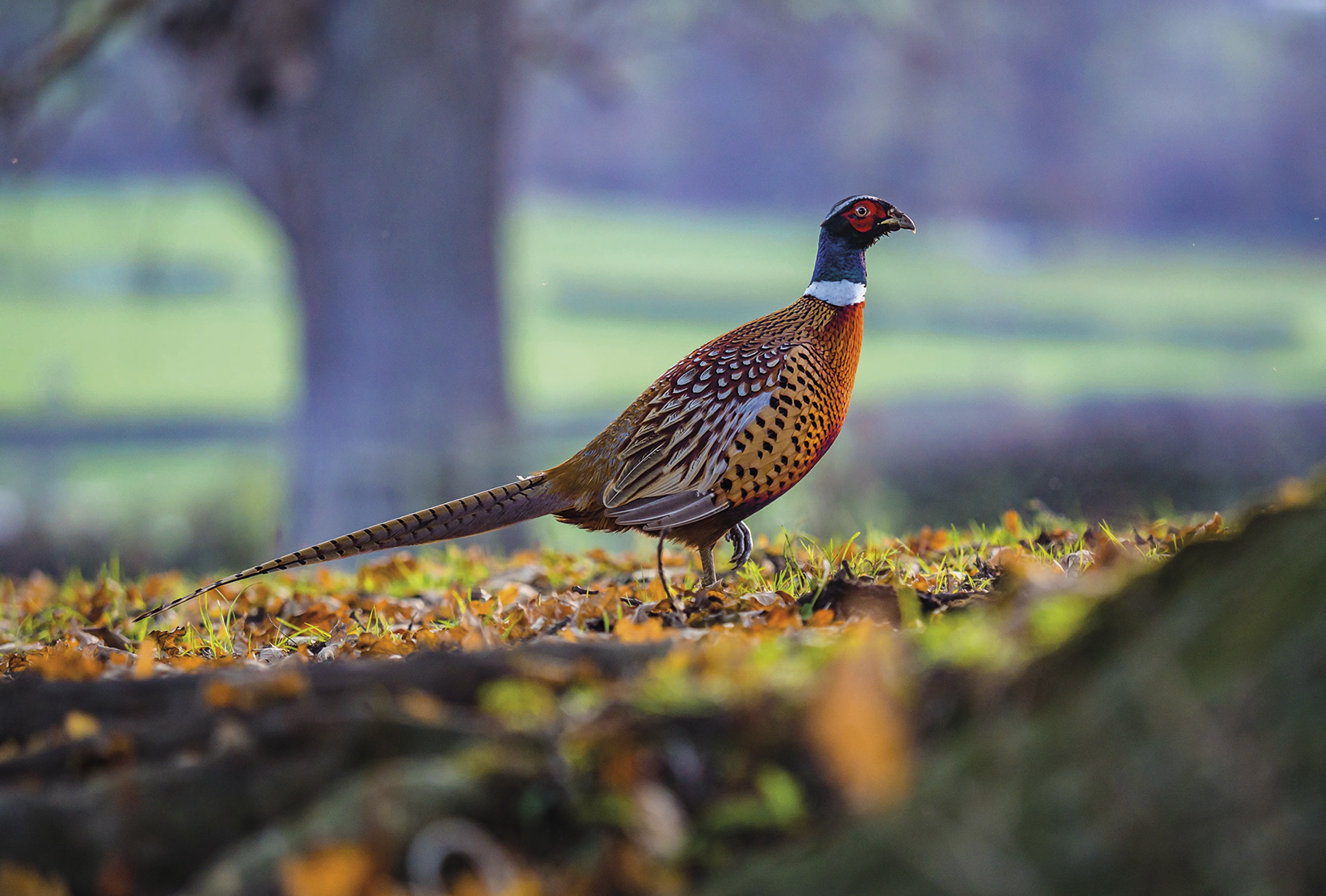

A scientific review commissioned by Natural England and carried out by the Game and Wildlife Conservation Trust has found no evidence that pheasant releasing reduces insect numbers in the wider countryside. Published on 15 June, the review concluded that any effects on invertebrates were limited to the spots where released birds concentrate, such as release pens and feeders, and that careful management keeps even those to a minimum.
What did the Natural England review find?
The review, written by GWCT senior scientist Dr Rufus Sage, set out to test a charge frequently levelled at gamebird shooting: that releasing large numbers of pheasants depletes the insects other wildlife depends on. It found no support for it across the wider countryside.
“Pheasant releasing is often blamed for causing insect declines, but we have found no evidence for this,” Dr Sage said. “The studies showed that, even where up to 20 birds per hectare were present across large areas, there was no detectable effect on invertebrate abundance, species richness or diversity.”
One study drawn on by the review sampled nearly 40,000 invertebrates, representing 308 species, across six large grassland Sites of Special Scientific Interest of between 50 and 200 hectares. Another compared 17 paired woodlands, with and without release pens, using pitfall trapping, vegetation surveys and pheasant counts before and after release.
How much of a pheasant’s diet is insects?
The review also looked at what released pheasants eat. Adult birds had diets dominated by plants, particularly grain and leafy vegetation, with invertebrates typically making up less than 3% of their intake on arable farmland.
That proportion rose to between 5% and 20% in spring and early summer, when more insects had emerged and fewer birds remained on the ground. The report described pheasants as accidental rather than deliberate predators of invertebrates.
What does the review mean for shoots and gamekeepers?
The findings give shoots evidence to counter criticism of releasing at a time when the practice is under growing regulatory scrutiny. The review found that negative effects were detectable only where birds congregated at high density, around release pens and feeders, and that these could be reduced by good practice.
Sticking to GWCT guidance on spreading feeders and capping the number of birds per hectare of release pen lowers the risk further, it said. With those measures in place, the review found a likelihood of biodiversity net gain at a landscape scale, citing the woodland rides, hedgerows, game crops, field margins and structurally diverse woodland edges maintained for gamebirds, all of which support insects, farmland birds and other wildlife.
“The science suggests effects linked to releasing drop off quickly with distance from the release pen and are largely absent once you get a few hundred metres away from areas where birds are concentrated,” Dr Sage said. “If GWCT’s releasing guidelines are followed, it can deliver a net positive effect on the large scale needed for nature recovery.”
What happens next
GWCT has published a summary of the review on its website and is pointing shoots towards its releasing guidelines on feeder spacing and pen densities ahead of the summer release season.
Releasing remains tightly regulated on and around protected sites in England, where it is governed through the general licensing system overseen by Natural England. Shoots planning releases near designated land should check the current general licence conditions before any birds go down.
Frequently Asked Questions
Who commissioned the pheasant releasing review?
The review was commissioned by Natural England and carried out by the Game and Wildlife Conservation Trust, with the report written by senior scientist Dr Rufus Sage.
Does releasing pheasants help or harm wildlife?
The review found no evidence that releasing harms insects across the wider countryside, and concluded that habitat managed for gamebirds, such as woodland edges, hedgerows and game crops, can deliver a net gain for invertebrates and other wildlife where GWCT guidelines are followed.
Related Articles
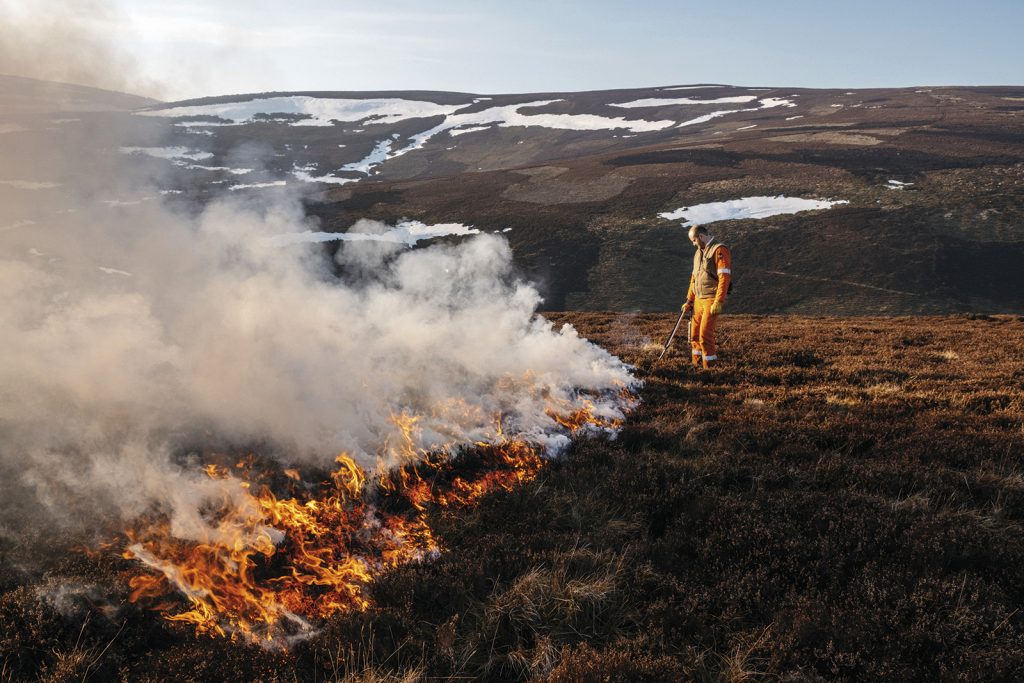
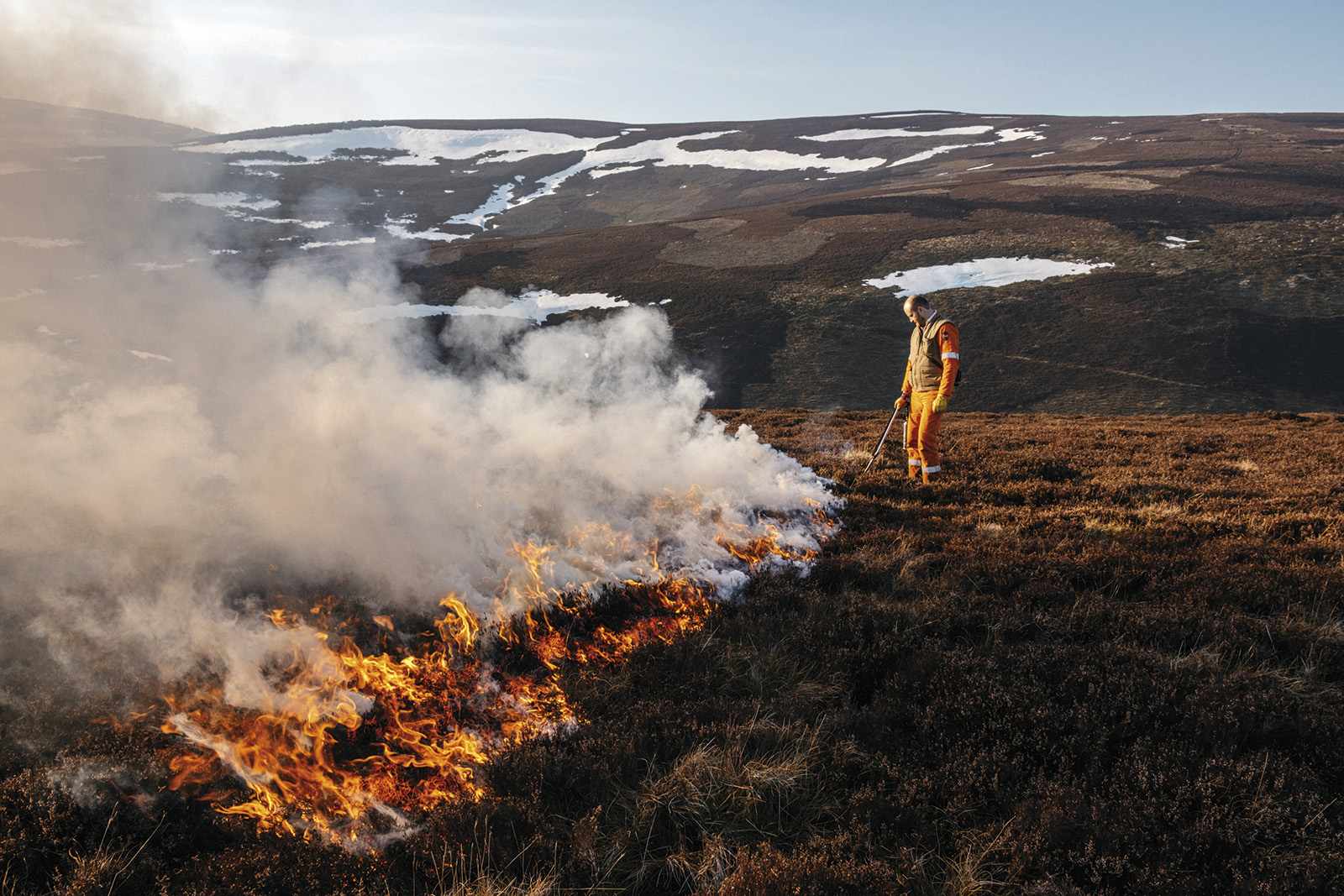
Muirburn licence required across Scotland from autumn 2026
Every gamekeeper carrying out muirburn in Scotland will need a licence from autumn 2026 under NatureScot's new scheme. What keepers must do now
By News Desk
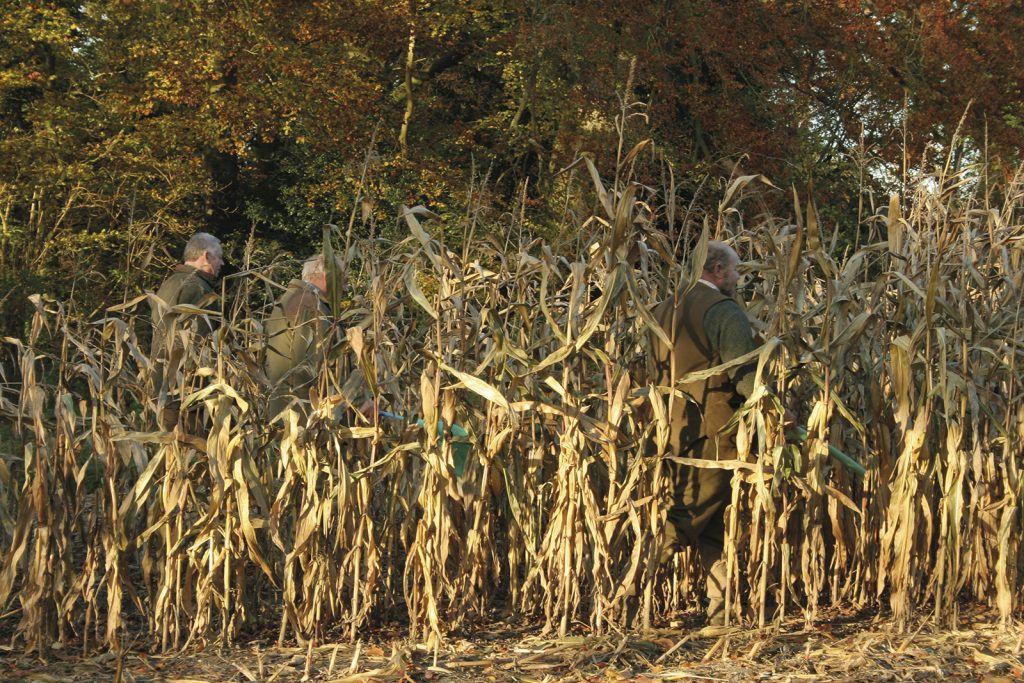
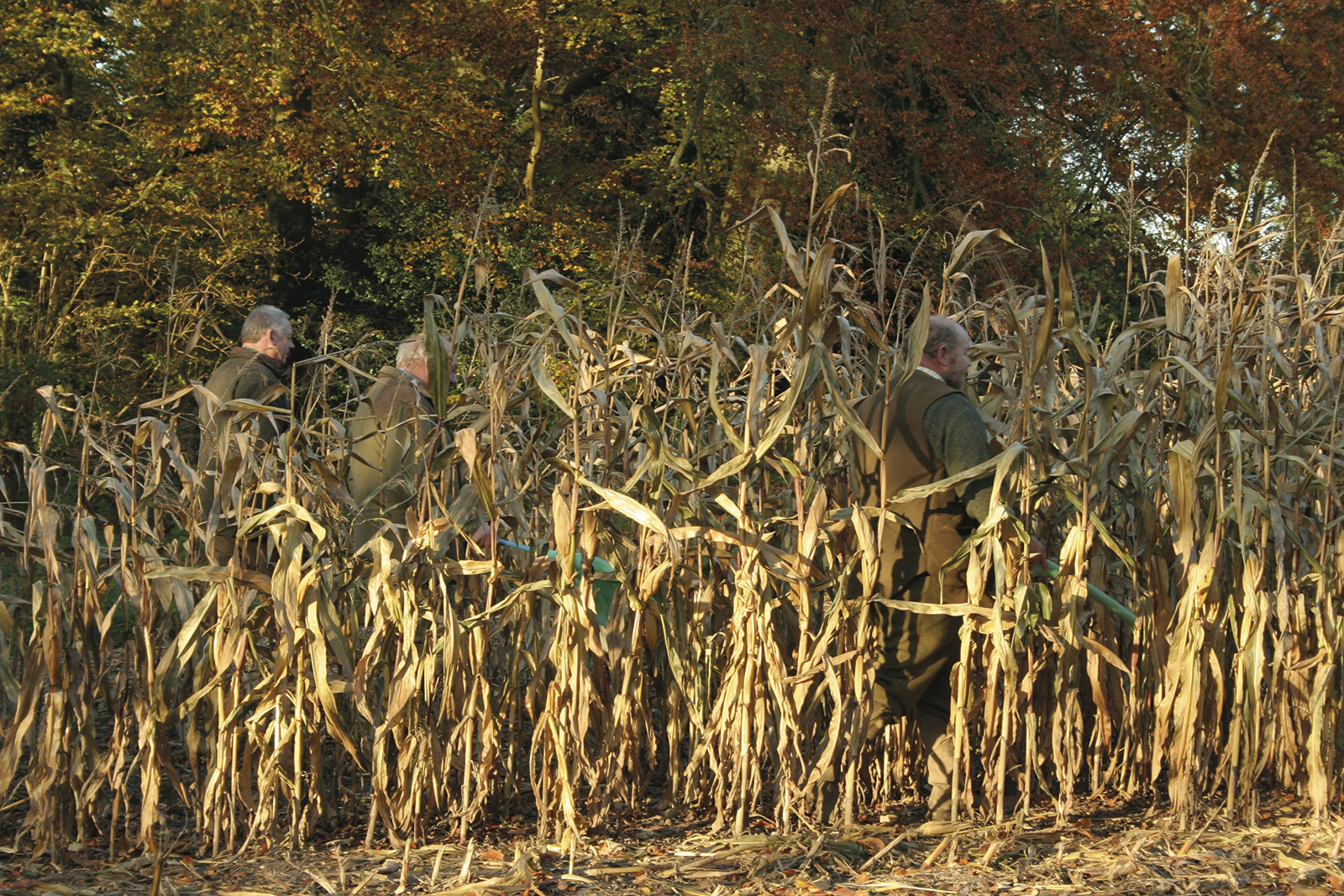
Derbyshire game shoot shows what cover crops can do for nature recovery
A Derbyshire DIY game shoot shows what game cover crops and predator control can deliver for nature recovery, in a new BASC case study.
By News Desk
Get the latest news delivered direct to your door
Subscribe to Shooting Times & Country
Discover the ultimate companion for fieldsports enthusiasts with Shooting Times & Country Magazine, the UK’s leading weekly publication that has been at the forefront of shooting culture since 1882. Subscribers gain access to expert tips, comprehensive gear reviews, seasonal advice and a vibrant community of like-minded shooters.
Save on shop price when you subscribe with weekly issues featuring in-depth articles on gundog training, exclusive member offers and access to the digital back issue library. A Shooting Times & Country subscription is more than a magazine, don’t just read about the countryside; immerse yourself in its most authoritative and engaging publication.