★ Win a pair of Brandecosse Capriolo boots worth £219! Click here to enter ★

Muirburn licence required across Scotland from autumn 2026
Every gamekeeper carrying out muirburn in Scotland will need a licence from autumn 2026 under NatureScot's new scheme. What keepers must do now
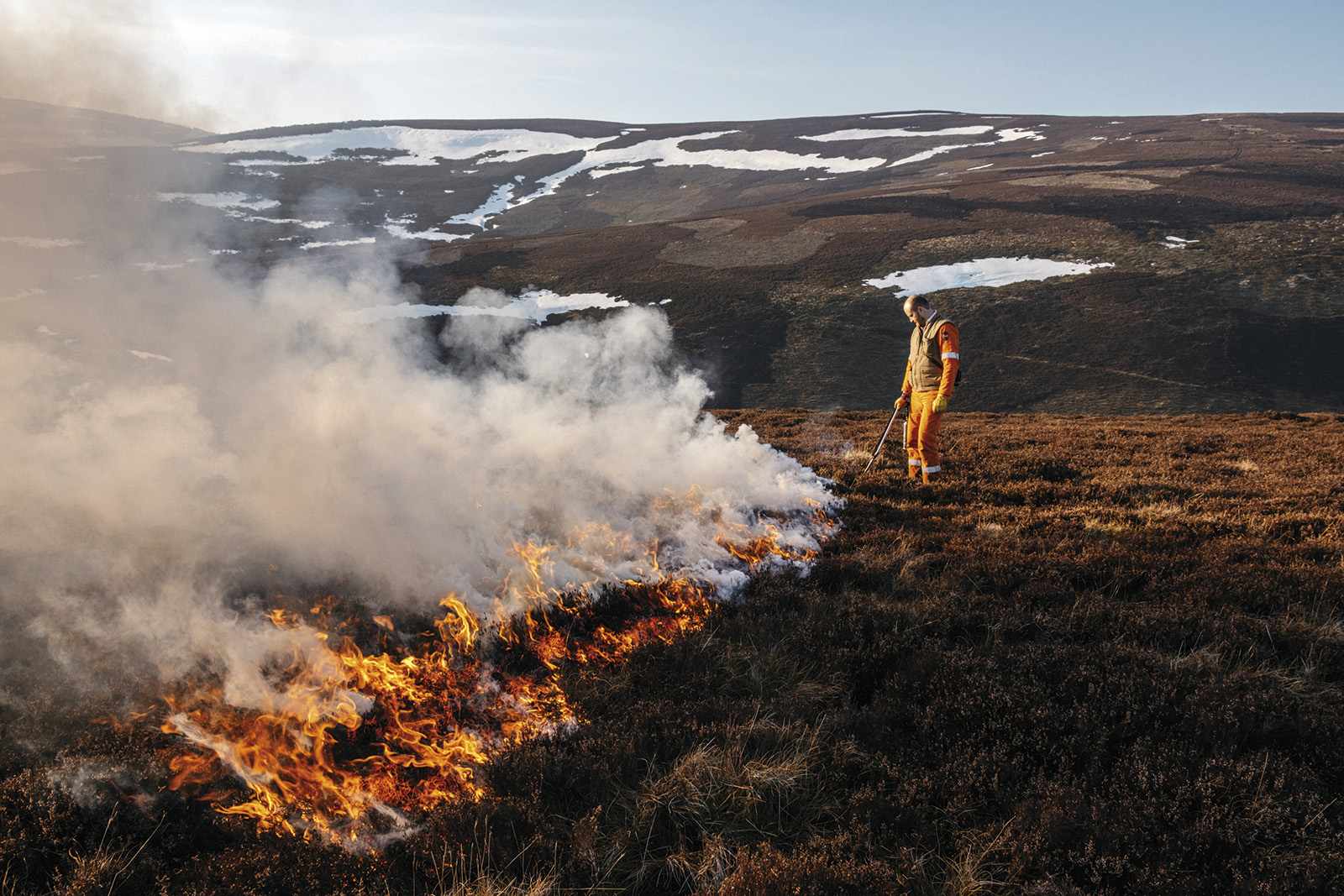

Every gamekeeper and land manager carrying out muirburn in Scotland will need a muirburn licence from this autumn, after NatureScot confirmed the new scheme will be in place before the season opens on 15 September 2026. The agency is urging moorland managers to start preparing now, warning that it will be an offence to burn heather or grass on any ground without a licence once the system goes live.
What is changing for muirburn in Scotland?
Muirburn, the controlled burning of heather and rough vegetation, is a core part of grouse moor management. Keepers use it to regenerate young heather for red grouse and other moorland birds and to reduce the fuel that drives wildfires. Until now they have been able to burn within the season under the Muirburn Code without an individual licence on most ground.
The Wildlife Management and Muirburn (Scotland) Act 2024 changes that. Once the scheme is live, a licence will be required to carry out muirburn on any land in Scotland, and burning without one will be an offence. NatureScot has said the scheme will be announced in autumn 2026, ahead of the season that runs from 15 September to 31 March.
What do gamekeepers need to do now?
NatureScot is advising land managers to gather their paperwork before applications open. That means the details of the areas they wish to burn, evidence of training from a Lantra-approved Muirburn Practitioner Foundation Course, confirmation that they will comply with the Muirburn Code and, depending on the ground, peat depth survey data collected using NatureScot’s mapping tool.
The training requirement is central. Anyone intending to carry out muirburn must complete the foundation course, which has both an online and a practical element, with both required from 15 September 2026.
How does the peatland rule work?
The scheme draws a clear line between peatland and non-peatland, with the Act defining peatland as ground with a peat layer of 40cm or more. There are ten licensable purposes in all, six available on non-peatland and four on peatland.
On non-peatland, licences cover managing the habitats of moorland game or wildlife, improving grazing for livestock, and conserving or enhancing the natural environment, as well as wildfire prevention and research. On peatland the permitted purposes are narrower, centred on restoring the natural environment, reducing the risk of wildfire damage to habitats, people and property, and research. Managers can apply for both peatland and non-peatland purposes in a single application.
What happens next?
The Muirburn Code itself is being reviewed by NatureScot and the Muirburn Code Working Group, and the updated code is expected alongside the licensing scheme. The Scottish Countryside Alliance, which flagged the timetable to members, has urged moorland managers not to wait, and to book training and assemble their burn records now so they are ready when applications open.
Land managers who need guidance can contact the NatureScot licensing team on 01463 725364; licensing@nature.scot.
Frequently Asked Questions
When will the muirburn licence scheme start?
NatureScot has confirmed the scheme will be in place before the 2026 season opens on 15 September. From that point a licence is required to carry out muirburn on any land in Scotland.
Do gamekeepers need training to get a licence?
Yes. Anyone carrying out muirburn must complete the Lantra-approved Muirburn Practitioner Foundation Course, which has online and practical elements, both required from 15 September 2026.
What counts as peatland under the scheme?
The Wildlife Management and Muirburn (Scotland) Act 2024 defines peatland as ground with a peat layer of 40cm or more, with narrower licensable purposes than on non-peatland.
Related Articles
Pheasant releasing does not harm insects, Natural England review finds
A scientific review commissioned by Natural England and carried out by the Game and Wildlife Conservation Trust has found no evidence that releasing pheasants reduces insect numbers across the wider c...
By News Desk
Derbyshire game shoot shows what cover crops can do for nature recovery
A Derbyshire DIY game shoot shows what game cover crops and predator control can deliver for nature recovery, in a new BASC case study.
By News Desk
Get the latest news delivered direct to your door
Subscribe to Shooting Times & Country
Discover the ultimate companion for fieldsports enthusiasts with Shooting Times & Country Magazine, the UK’s leading weekly publication that has been at the forefront of shooting culture since 1882. Subscribers gain access to expert tips, comprehensive gear reviews, seasonal advice and a vibrant community of like-minded shooters.
Save on shop price when you subscribe with weekly issues featuring in-depth articles on gundog training, exclusive member offers and access to the digital back issue library. A Shooting Times & Country subscription is more than a magazine, don’t just read about the countryside; immerse yourself in its most authoritative and engaging publication.