★ Your magazine. Your say. Complete our reader survey with a chance to win Jack Pyke kit worth £500! ★


Stalking diary: dawn starts for summer roebucks in Ayrshire
As summer settles over Ayrshire, Chris Dalton heads out at dawn to monitor territorial roebucks, read the wind and plan a selective cull
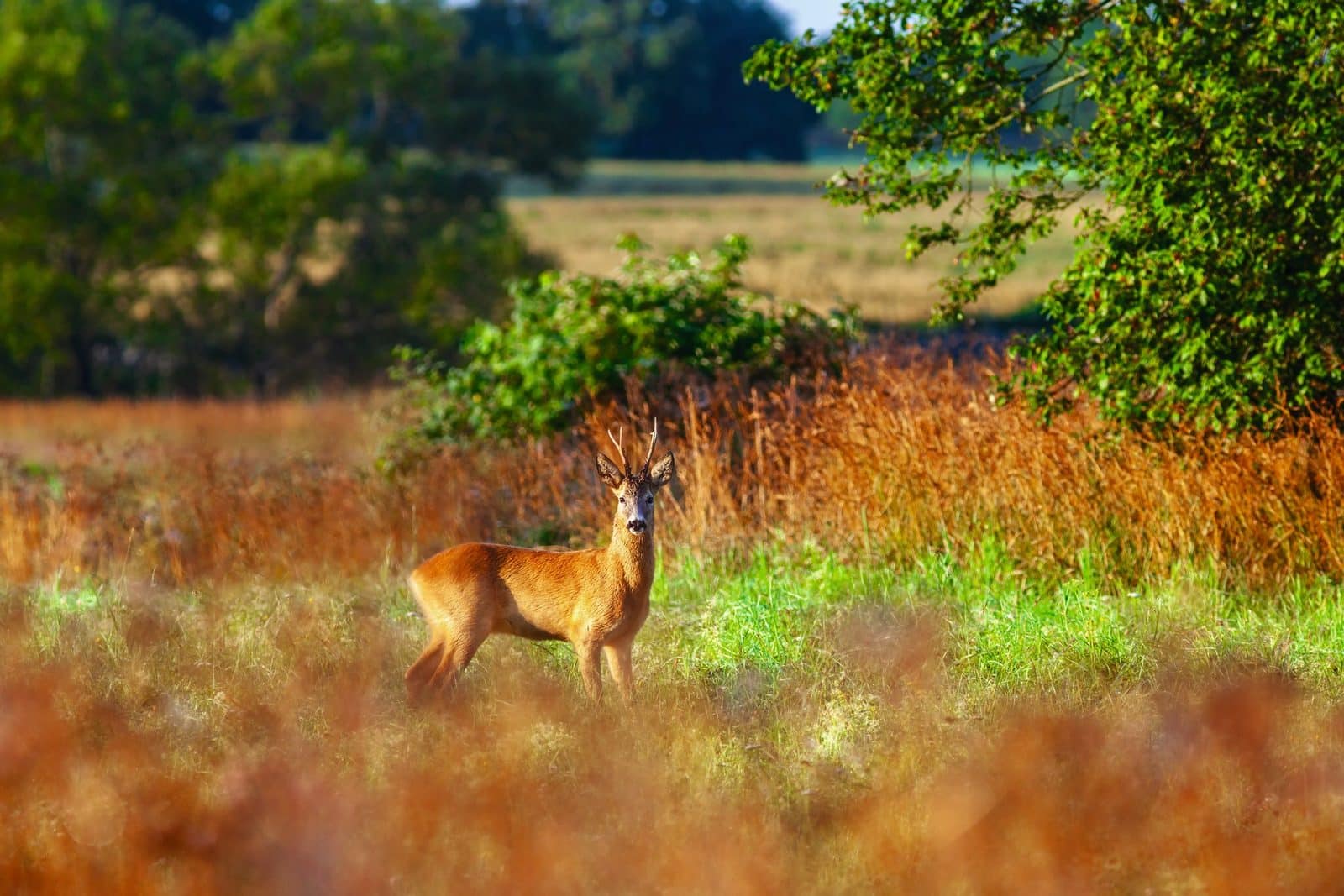

Finally, our Ayrshire roebucks are in full summer pelage. They were late changing this year, a pattern mirrored by both the garden and the vegetable plants, which were also slow to develop. There can be few better sights than a fox-red roebuck meandering peacefully along a hedgerow against a backdrop of buttercups and clover.
On most mornings I am out at dawn and, with the summer solstice only just passed, that means venturing out in what feels like the middle of the night. The shock of the alarm is soon forgotten as I savour the quiet of the morning. It is simply magical: pleasantly cool and, thankfully, with just enough breeze to keep the midges at bay.
I am surrounded by a cacophony of birdsong accompanied by the hum of insects working the wildflowers. I have the rifle and my hound, Zosia, for company. The countryside is at peace and it will be a few hours yet before there is any likelihood of human intrusion. This is how I like it: the solitude of a very early morning makes the lack of sleep worthwhile.
These quiet mornings are more than a pleasure – they provide an invaluable opportunity to monitor deer activity as the season progresses.
I am out checking the grounds of an old castle. I want to see where the bucks are and what they are up to, looking not only for sightings of deer but also for evidence of fraying as territorial activity intensifies. The rut is still some way off, but territorial boundaries are firmly established. Mature bucks have settled into their home ranges and are often surprisingly predictable, provided they are left undisturbed.
Rather than wandering widely, they tend to patrol familiar routes, checking field edges, rides and hedgerows while feeding during the cooler parts of the day. Early starts are often rewarded. As first light creeps across the landscape, roe deer may still be feeding in open meadows or on the heather-covered rides and firebreaks of commercial plantations.
How to read the wind when stalking roe
A gentle breeze is a stalker’s greatest ally, carrying scent away from the deer and masking the slight sounds of movement. On still mornings, every snapped twig or rustling stem seems amplified, making a slow, deliberate approach essential.
With many clients due to visit us in the coming weeks, success rarely comes through luck alone. It depends on careful observation, patience and an understanding of how roe deer respond to changing weather, vegetation and human activity.
Selective culling and stalking in summer cover
Summer growth changes the game considerably. Crops, nettles, bracken and young woodland regeneration can quickly conceal even a mature animal. Exploding vegetation demands a different approach, focusing on small clearings, woodland rides, heather banks and field margins where deer briefly expose themselves while browsing. Reconnaissance is invaluable at any time, but even more so now, when opportunities can be fleeting and limited.
Selective culling remains the foundation of responsible deer management. The objective is not simply to harvest the largest head but to remove the correct animal according to the management plan. Age, body condition, antler quality and the overall health of the local population all play a part in making that decision. Young developing bucks and those with breeding potential are often left, while older or poorer quality animals may be selected.
Ultimately, summer roebuck stalking is a blend of fieldcraft, observation and restraint. The finest outings are rarely measured solely by the weight of the larder but by reading the wind correctly, spotting a buck before it spots you and making evidence-based management decisions. It is these small victories, repeated over many seasons, that make summer one of the most rewarding times to be in the British countryside.
Chris Dalton, the Professional Deerstalker of the Year, is the founder of South Ayrshire Stalking and presents Outfitter Tales on YouTube.
Frequently Asked Questions
Why are early morning stalks best for summer roebucks?
At first light roe deer may still be feeding in open meadows or on the rides and firebreaks of commercial plantations, and mature bucks patrol familiar routes during the cooler parts of the day. The countryside is also quiet and undisturbed at dawn, so the bucks behave predictably and are easier to watch and read.
Why does the wind matter so much when stalking roe deer?
A gentle breeze is a stalker’s greatest ally, carrying human scent away from the deer and masking the small sounds of movement. On still mornings every snapped twig or rustling stem seems amplified, which is why a slow, deliberate approach becomes essential.
What is selective culling in roe deer management?
Selective culling means removing the correct animal according to the management plan rather than simply taking the largest head. Age, body condition, antler quality and the health of the local population all feed the decision, so young developing bucks and those with breeding potential are usually left while older or poorer animals are selected.

About the author
Chris Dalton
A South Ayrshire-based full-time deer manager and founder of South Ayrshire Stalking, Chris is a regular contributor to Shooting Times. He comes from a farming background in rural South Yorkshire and continued shooting around the world as a serving RAF officer before moving to Scotland, where he and his wife Anne set up South Ayrshire Stalking at Garryloop, their converted barn and cobbler's cottage near Girvan. The business offers accompanied stalking, deer management training and assessment for DSC 1 and DSC 2 qualifications, and was the first in the UK accredited under the 2% for Conservation scheme. Chris is an assessor for the British Deer Society and a member of the UK trophy measuring team for BASC and BDS. He was named UK Professional Stalker of the Year from 2019 to 2023.
Related Articles
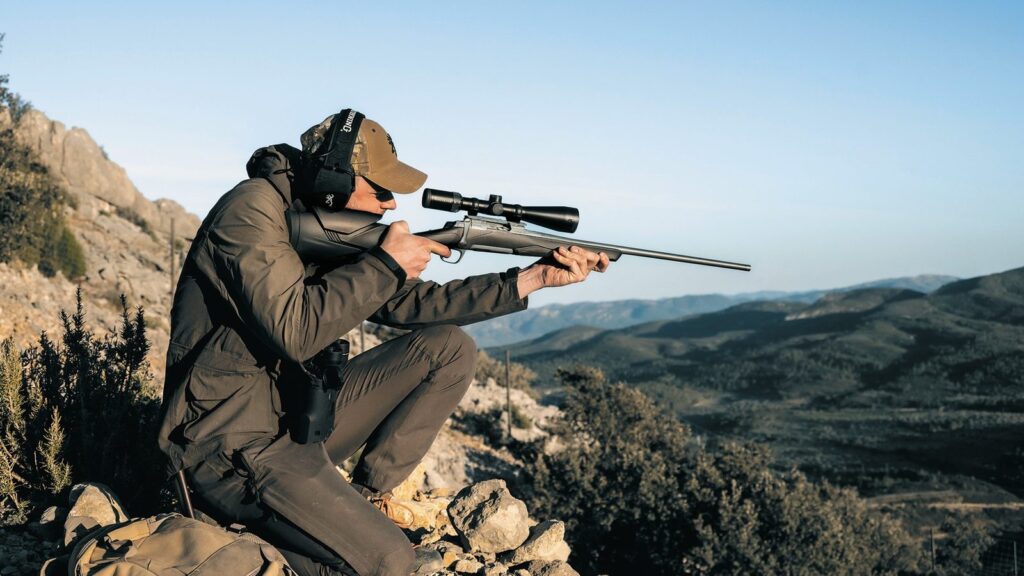
Browning X-Bolt 2 Stainless Vari-Tech Black: ready for every hunt
Browning's new X-Bolt 2 Stainless Vari-Tech Black is a bolt-action rifle built to adapt to the shooter, with an adjustable stock and comb, a stainless barrel and action, and a threaded 51cm barrel. Ma...
By Browning | 15 September 2026

HIKMICRO's three-step stalking ecosystem tested on muntjac
Ed Jackson takes HIKMICRO's three-step detection, observation and shot ecosystem into the high seat after muntjac, to find out whether connected kit really earns its place on a stalk
By Ed Jackson | 11 September 2026
Get the latest news delivered direct to your door
Subscribe to Shooting Times & Country
Discover the ultimate companion for fieldsports enthusiasts with Shooting Times & Country Magazine, the UK’s leading weekly publication that has been at the forefront of shooting culture since 1882. Subscribers gain access to expert tips, comprehensive gear reviews, seasonal advice and a vibrant community of like-minded shooters.
Save on shop price when you subscribe with weekly issues featuring in-depth articles on gundog training, exclusive member offers and access to the digital back issue library. A Shooting Times & Country subscription is more than a magazine, don’t just read about the countryside; immerse yourself in its most authoritative and engaging publication.