Ed Jackson tests the compact Zeiss Conquest Apia 65, a 65mm angled spotting scope built for the stalker who wants alpha-grade glass without the weight or the £2,000 price tag
 Ed Jackson testing the compact Zeiss Conquest Apia 65 in the field

Glass is a personal thing, and you only really work out what you need by carrying it and using it day in, day out. The spotting scope market is crowded, but when Zeiss adds a new model it is always worth a proper look. The Conquest Apia 65 is aimed squarely at the stalker or naturalist who does not want to lug a full-size 85mm or 95mm scope up the hill, so it drops to a 65mm objective and keeps the weight down.
At around £1,275, the Zeiss Conquest Apia 65 sits in a clever spot in the UK market. It bridges the gap between keenly priced glass and the flagship alpha scopes from the likes of Swarovski and Kowa, giving you the reassurance of a top-tier German brand without asking you to spend £2,000-plus on a specialist rig. For anyone who wants a real step up from mid-range kit but stops short of alpha money, that is an appealing pitch. Prices quoted here are the guide RRP at the time of writing and may have changed.
| Specification | Detail |
|---|---|
| Objective lens | 65mm |
| Magnification | 20-50x |
| Field of view | 48-21m @ 1,000m |
| Exit pupil | 3.2mm (20x) to 1.2mm (50x) |
| Light transmission | 87% |
| Minimum focus | 3.5m |
| Weight | 1,350g (47.6oz) |
| Assembled length | 310mm (12.2in) |
| Body | Magnesium and aluminium alloy, rubber armour, nitrogen filled (200 mbar waterproof) |
| Tripod mount | Arca compatible, 360-degree rotating collar |
| Price (guide RRP) | £1,275 |
| Manufacturer | Zeiss |
Open the box and you get the usual Zeiss attention to detail, with one twist for a compact scope: the Apia arrives in two pieces. Rather than one fixed unit, the 240mm main body and the 20-50x eyepiece are packed separately. That will split opinion. Some will love being able to stow the scope in a smaller bag, while others will wince at the thought of misplacing a part in the field. Joining them is simply a case of lining up the markings and clicking the eyepiece into the body’s bayonet mount, and an externally mounted catch gives a small, positive click to tell you it is locked home. It feels precise rather than fiddly.
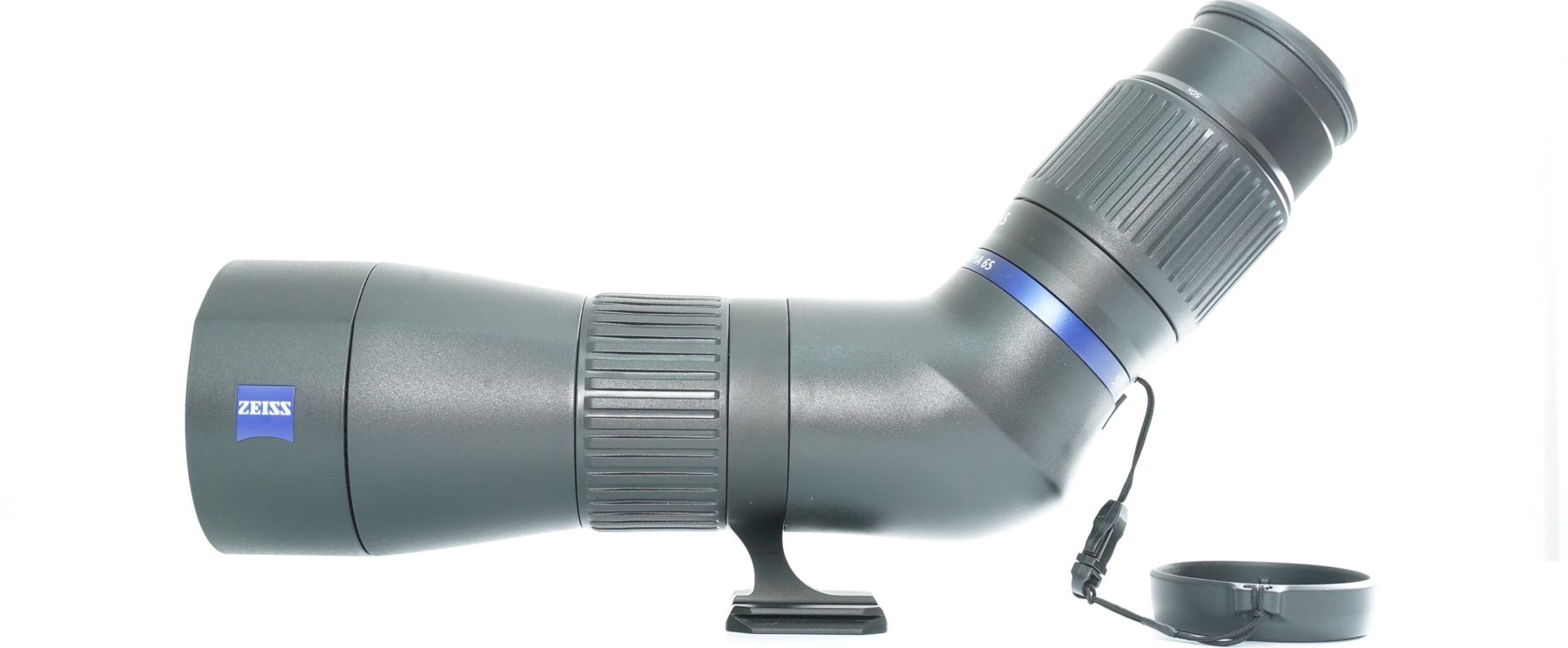
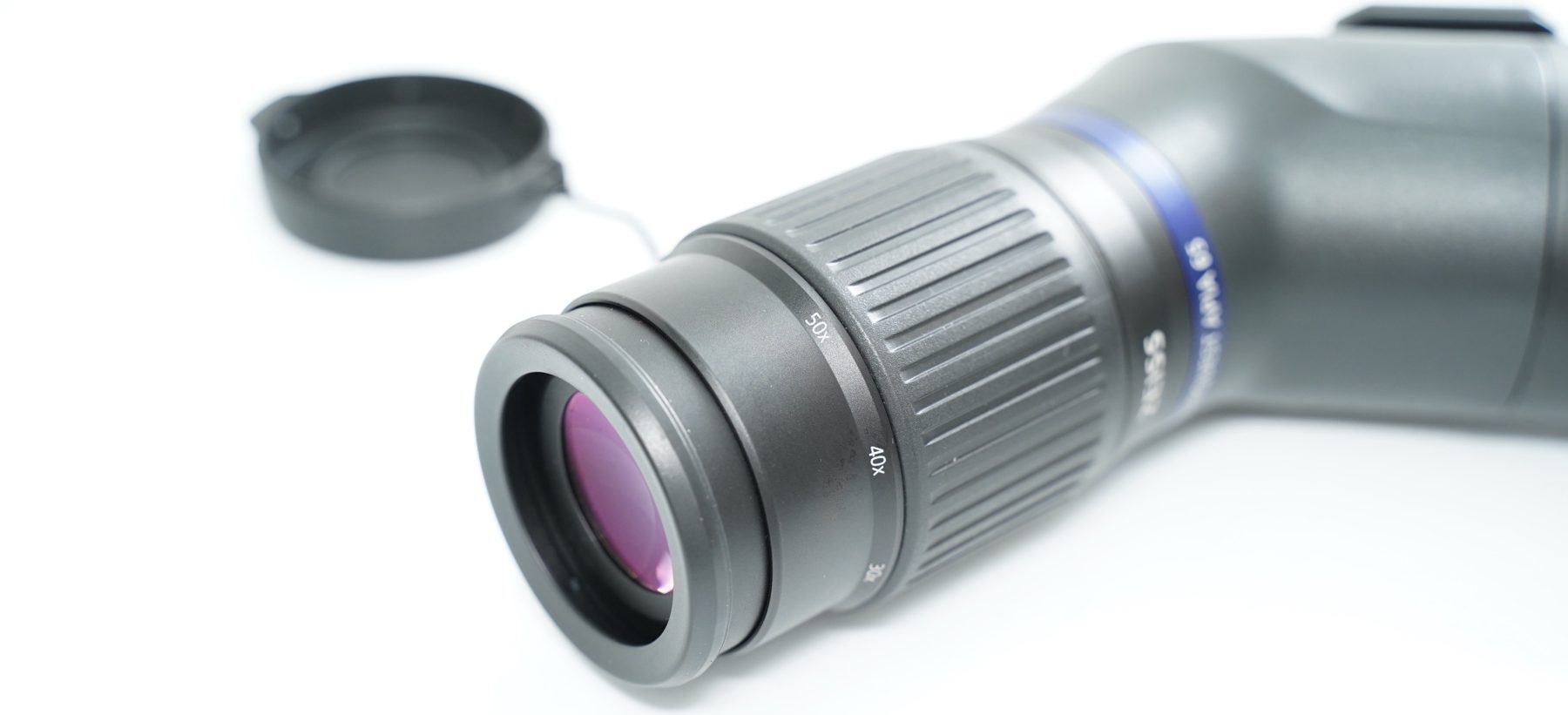
The magnesium and aluminium alloy body wears a high-quality, textured rubber armour that feels tactile and genuinely tough. Assembled it measures 310mm and weighs 1,350g, which makes it noticeably lighter and more compact than most of its rivals, and that is a big part of the appeal. A neat built-in sunshade adds another 20mm of length when it is pulled out. The housing is nitrogen filled, so it stays fogproof and waterproof, with a 200 mbar water resistance rating to shrug off British weather.
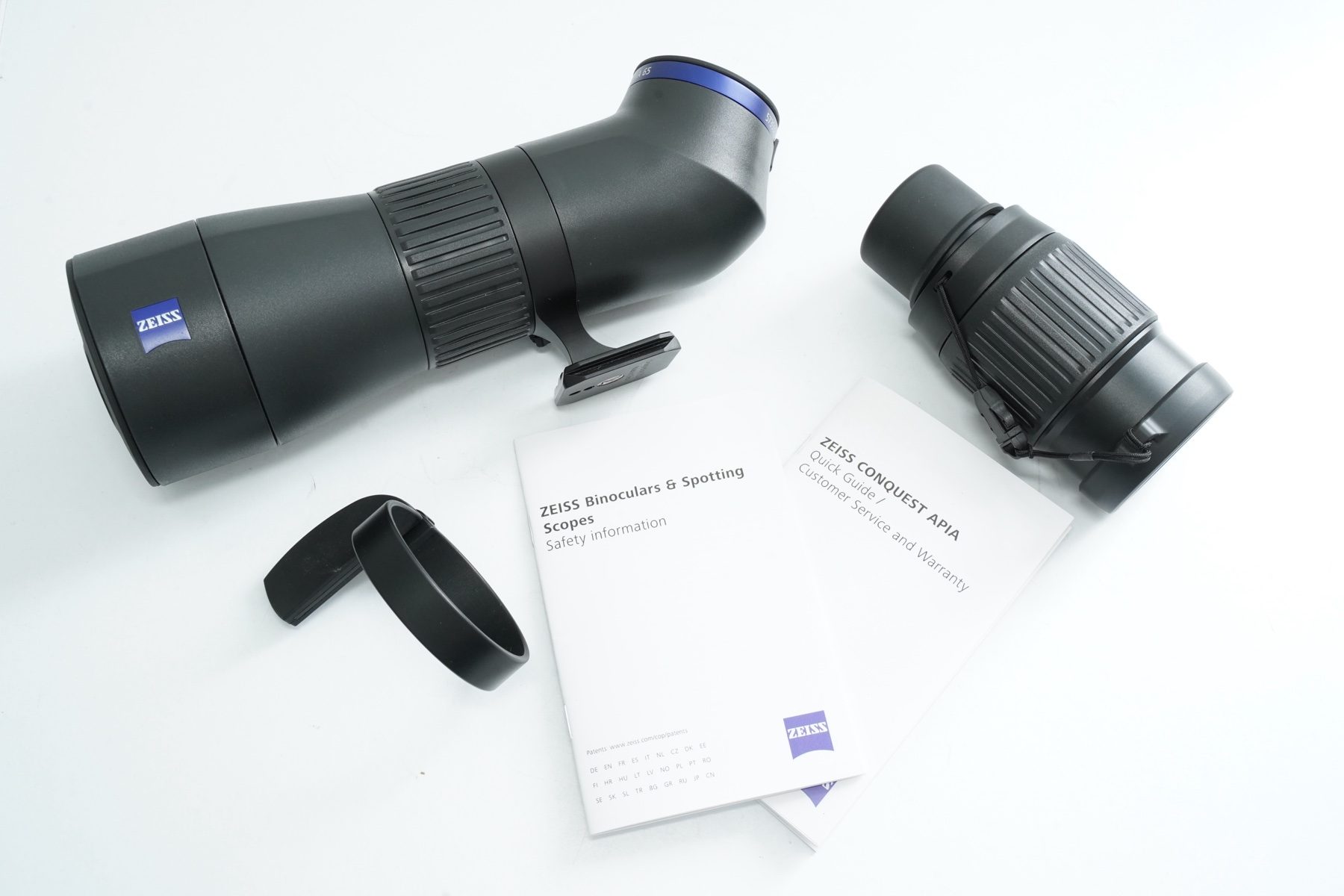
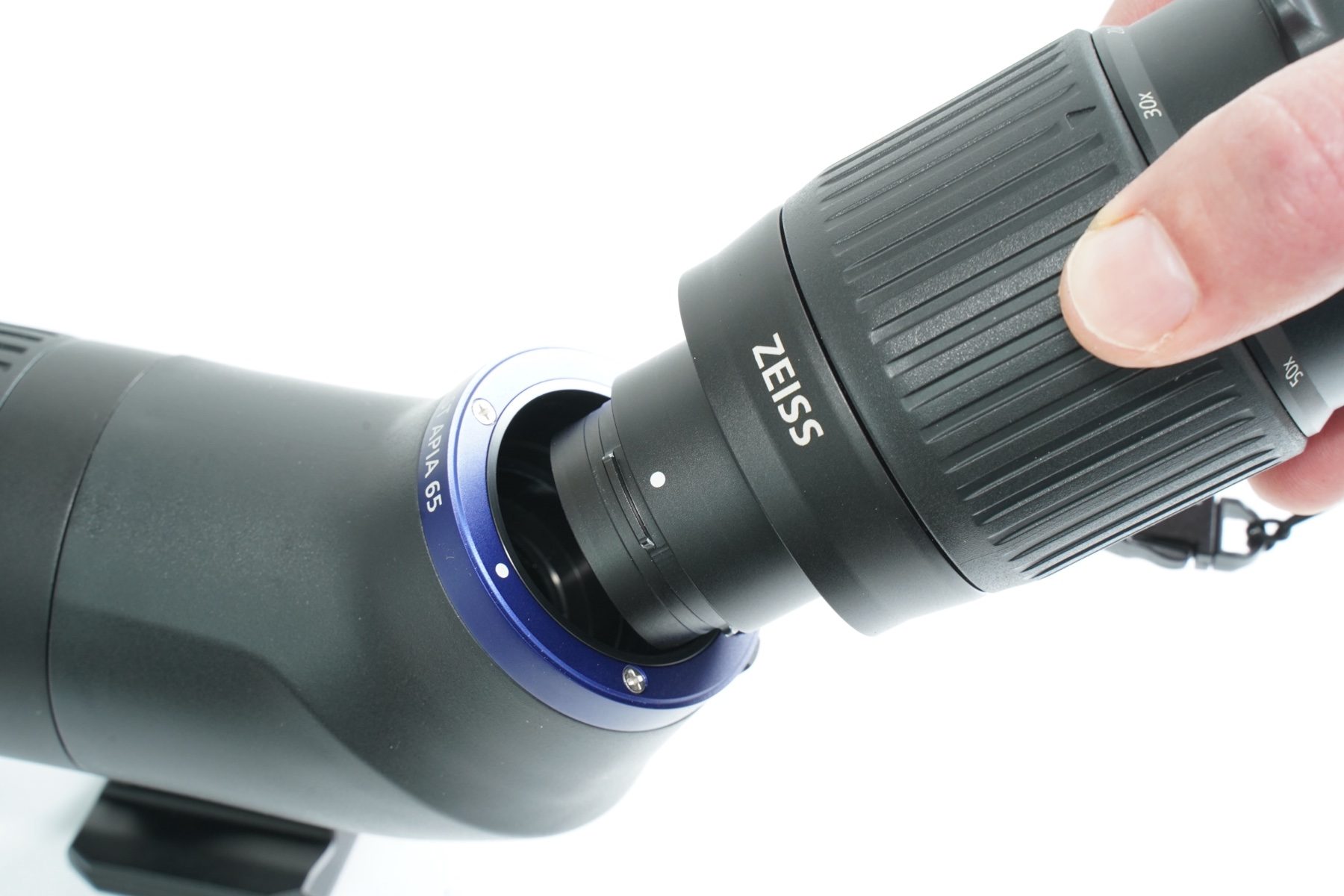
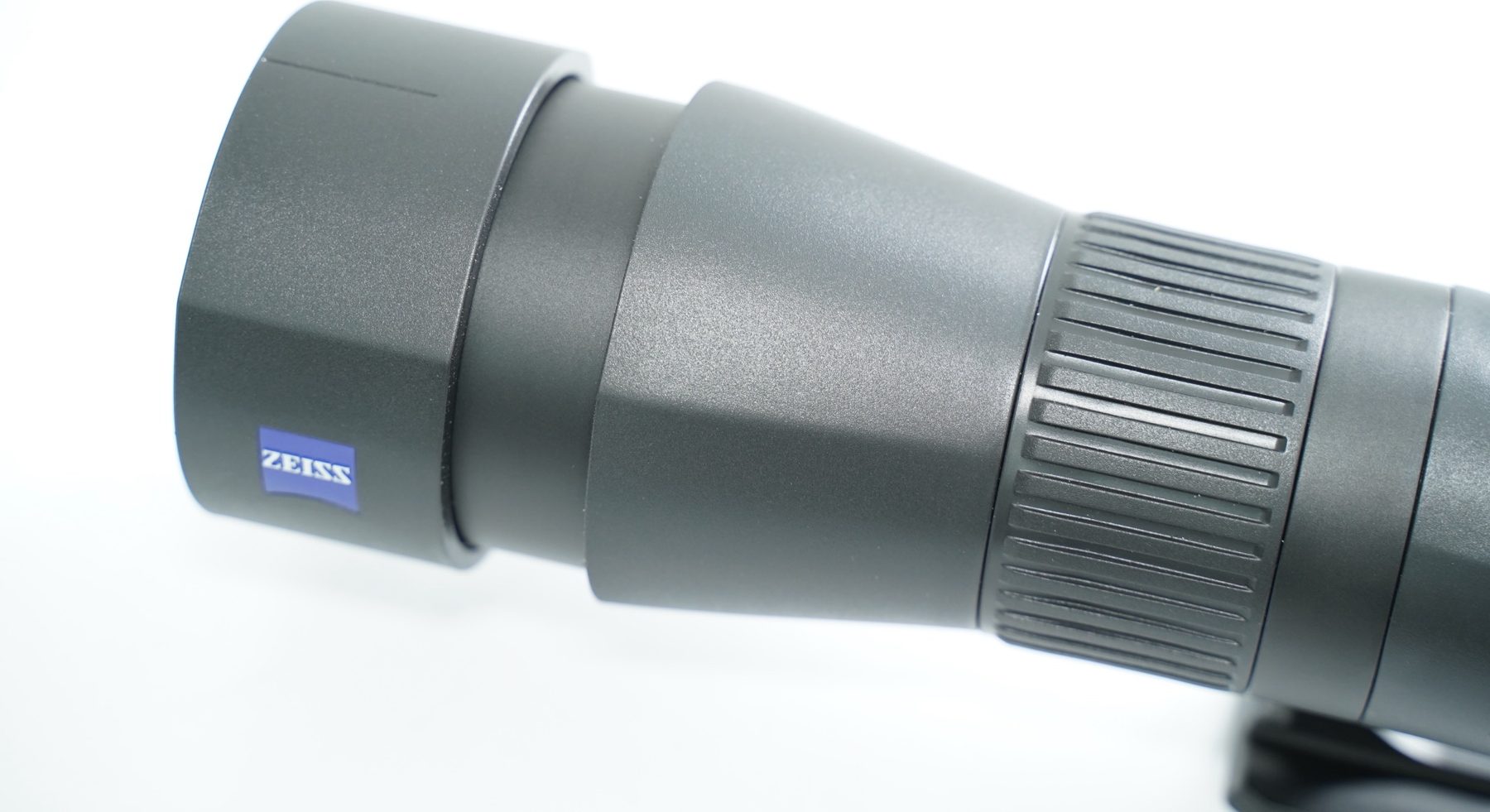
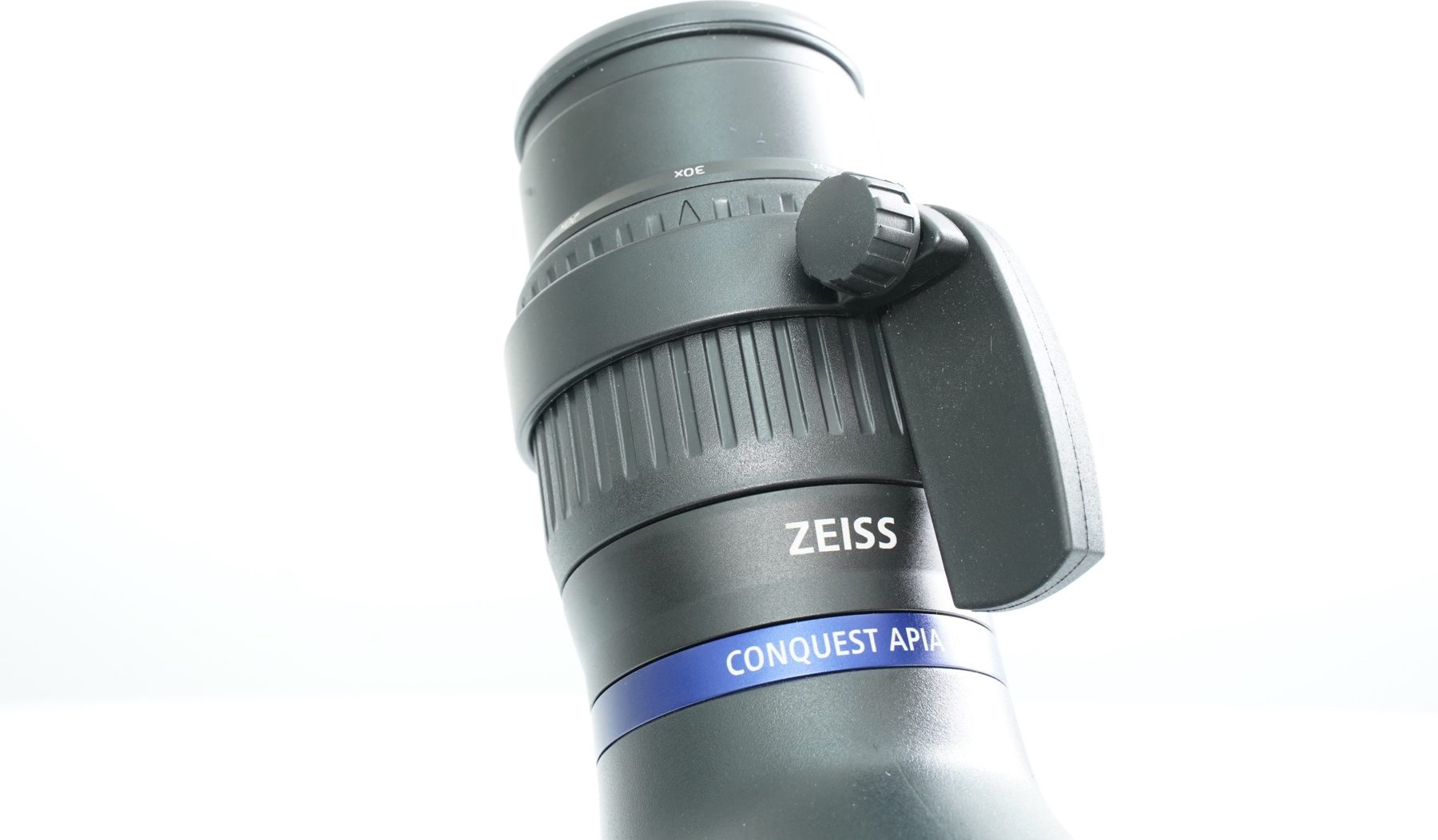
Ergonomically, Zeiss has sensibly gone for a single large focus wheel built into the body rather than the twin wheels you find on some scopes. It is 40mm deep, so there is plenty to grip, rubberised and serrated, and sat centrally so you can spread the weight between both hands when glassing freehand. The action is smooth and the resistance is judged well, letting you make quick, precise adjustments without your hand tiring over a long sit. Minimum focus, for the record, is 3.5m. The zoom collar sits under the adjustable eyepiece, is 45mm deep and shares the same finish as the focus wheel. You also get a substantial throw lever that clamps onto the zoom control with a tension band, which speeds up magnification changes when your fingers are cold.
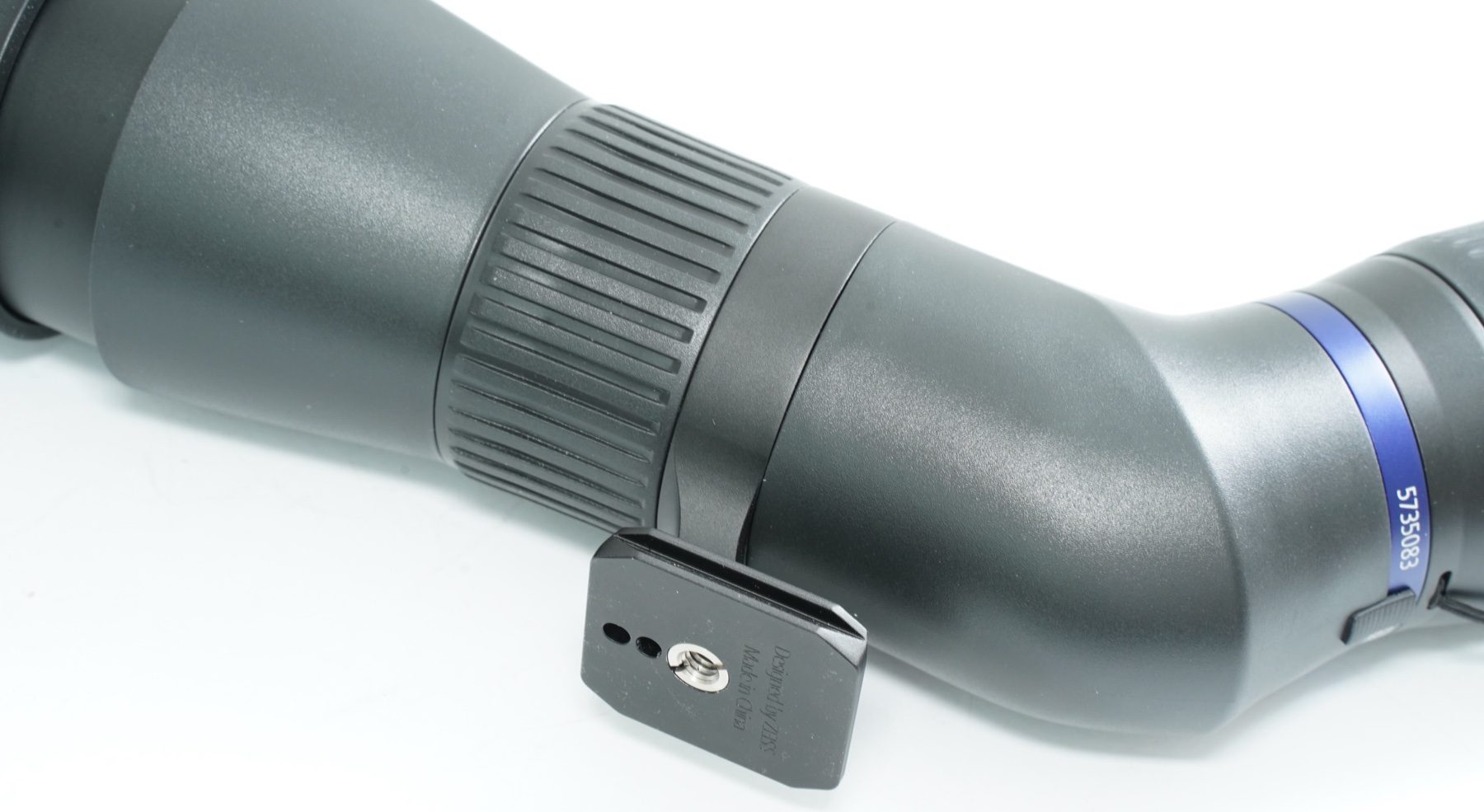
A tripod base attaches to the body on a 360-degree rotatable collar, so you can spin the scope to a comfortable angle. More usefully, the base is Arca compatible, which means it clamps straight onto most modern tripods with no need for an extra plate. It is a small thing, but for the hunter travelling light it is a genuine win.
This is the easy part of the review, because Zeiss’s optical reputation does most of the talking. As so often with good glass, I found myself grinning the first time I put my eye to it. The scope delivers clear, high-contrast images right across the field of view, which is exactly what you want when you are picking quarry out of a busy hillside.
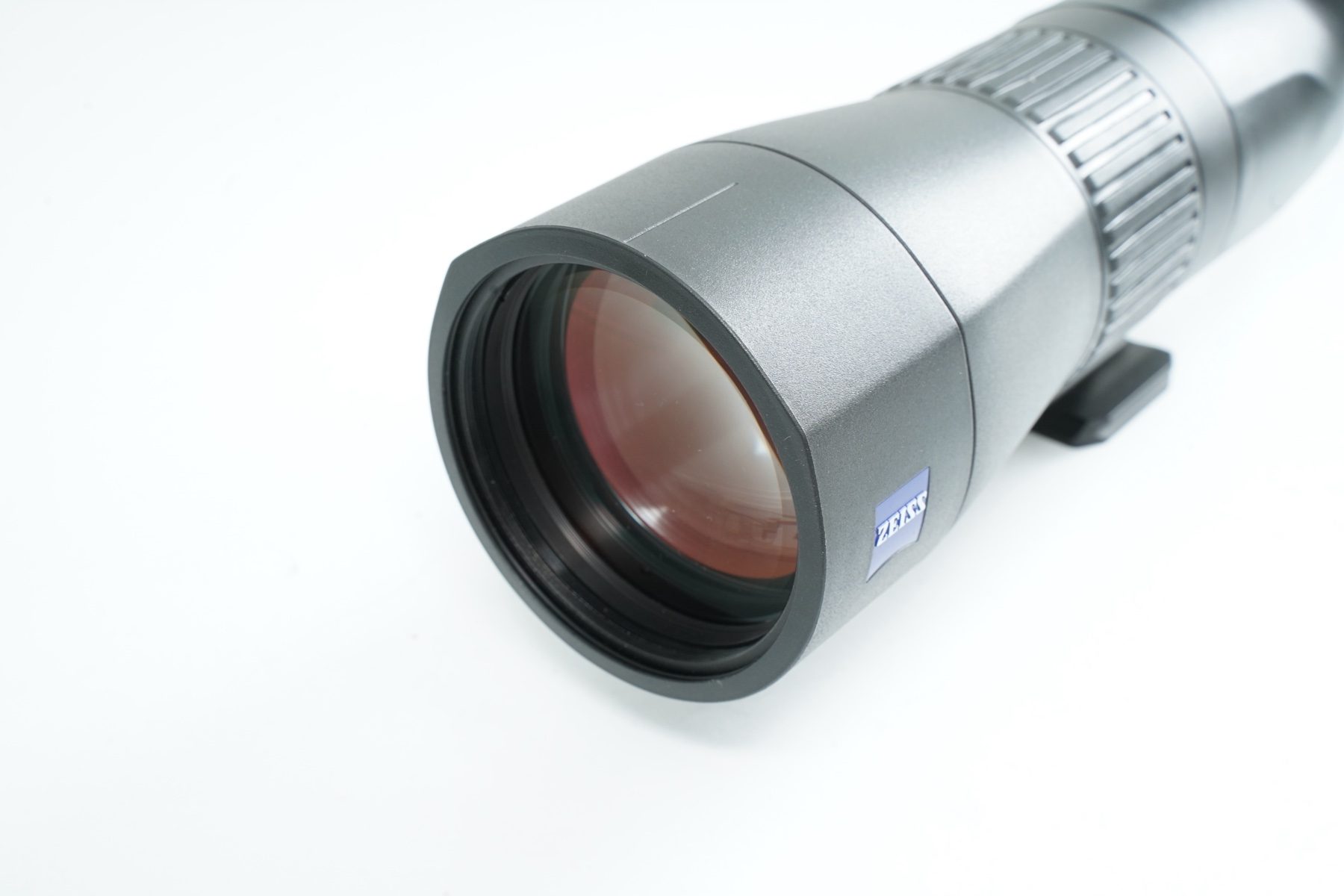
The external lenses carry Zeiss’s LotuTec coating, a water-repellent layer that makes rain and condensation bead up and roll away, and lets you wipe off dust or a fingerprint without smearing. On our damp little island that matters. The 20-50x magnification range is sensible for a 65mm objective. I am forever banging the field-of-view drum, so I was pleased that starting at 20x gives a generous 48m field of view at 1,000m, which is ideal for scanning ground and compares well with its rivals.
The viewing experience is tied to the exit pupil, which is 3.2mm at 20x. That gives a relaxed eyebox and makes the 20x to 30x window the most rewarding for long spells of glassing. Push towards 50x and the exit pupil shrinks to 1.2mm, so head position becomes far more critical and viewing gets harder on the eyes, particularly past 40x. The full 50x is handy for a final identification, but the Apia is at its most comfortable and brilliant kept at more moderate magnifications.
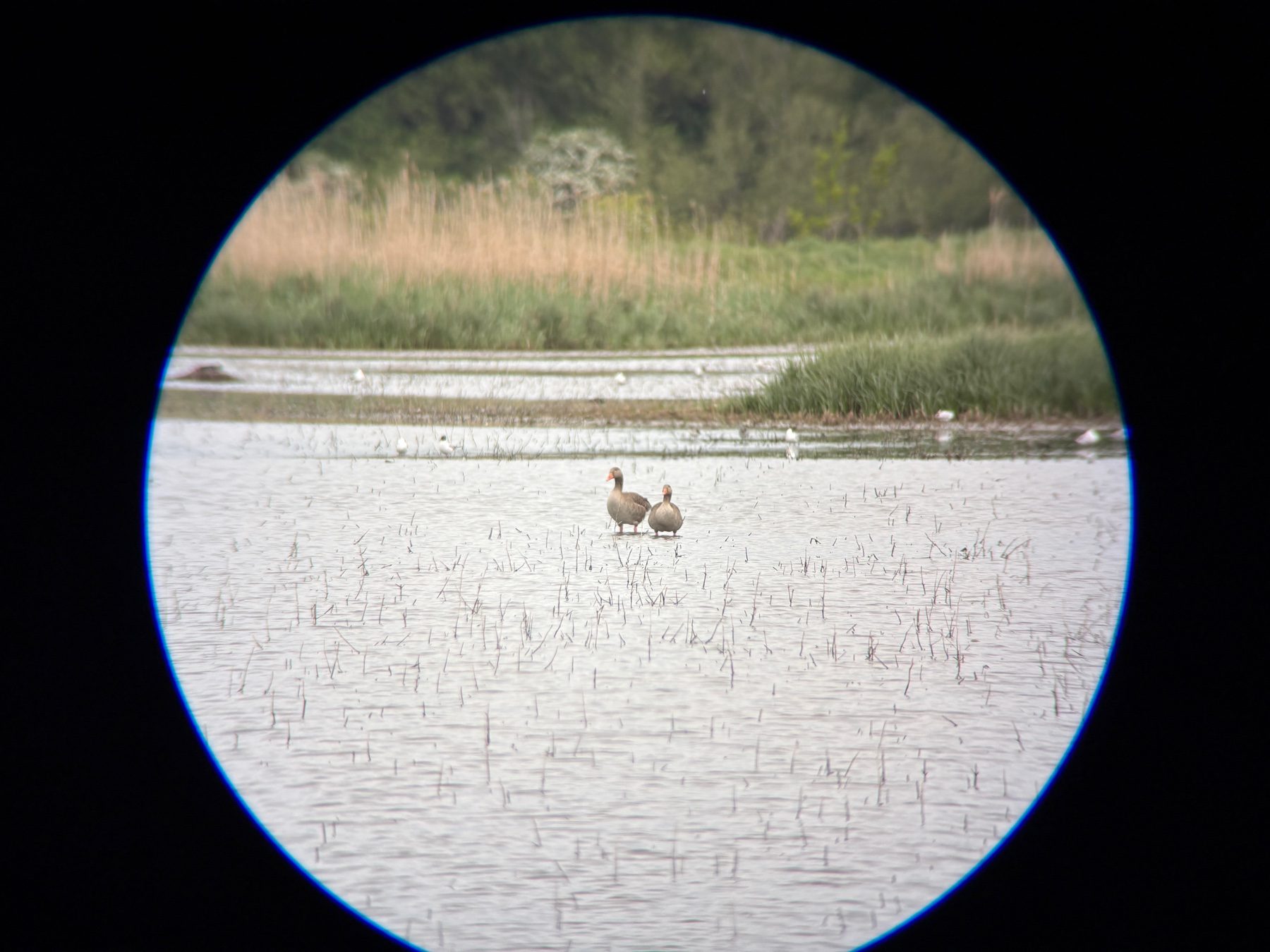
The Zeiss Conquest Apia 65 hits a real sweet spot. It gives up some light-gathering compared with larger objectives, but it pays you back in practicality. At around £1,275 it offers a lot of scope for the money, with flagship-grade clarity minus the alpha price tag. It is glass for people who want to see everything without carrying everything. Compact, robust and optically very good, it is well worth a look for the mobile stalker.
The guide price is around £1,275, which places it between value spotting scopes and the alpha models from Swarovski and Kowa. Prices are RRP at the time of writing and may have changed.
It weighs 1,350g (47.6oz) and measures 310mm assembled, making it lighter and more compact than most 65mm spotting scopes, which is its main selling point for the mobile stalker.
The 240mm body and the 20-50x eyepiece are supplied separately and join via a bayonet mount, so the scope packs down into a smaller case. The trade-off is a separate eyepiece that needs looking after in the field.
Yes. In testing it worked well with a universal mobile phone adaptor, and the 20-30x range gives the most comfortable image for capturing photos or video through the scope.
The tripod base is Arca compatible, so it clamps directly onto most modern tripods without an extra plate, and the collar rotates through 360 degrees for a comfortable viewing angle.

From dummies and slip-leads to the vest you will all but live in, here is our pick of the kit worth a handler's attention as the young dogs go back to work this summer.

Ed Jackson mounts the £799 Nocpix Nite D70R on his Bergara and tests how this day and night digital scope, from a brand better known for thermal, holds up against fierce competition as the legal ligh...
Get the latest news delivered direct to your door
Discover the ultimate companion for fieldsports enthusiasts with Shooting Times & Country Magazine, the UK’s leading weekly publication that has been at the forefront of shooting culture since 1882. Subscribers gain access to expert tips, comprehensive gear reviews, seasonal advice and a vibrant community of like-minded shooters.
Save on shop price when you subscribe with weekly issues featuring in-depth articles on gundog training, exclusive member offers and access to the digital back issue library. A Shooting Times & Country subscription is more than a magazine, don’t just read about the countryside; immerse yourself in its most authoritative and engaging publication.
 Shooting UK
 Gundog Journal
 Fieldsports Journal
 Airgun World
 Rifle Shooter
 Sporting Gun
 Trout and Salmon