
We take neutering of dogs for granted. But should we? When to neuter your dog – and the behavioral risks…

How many times should I feed my gun dog everyday?

Some people feed once daily, others twice daily and someone told me that gundogs should be regularly starved one day each week.
As carnivorous hunters, our dogs’ ancestors have specialised digestive and gastrointestinal adaptations that allow them to ingest a large meal followed by days of not eating. The subsequent process of domestication, however, gave dogs the opportunity of a more plentiful food supply and their digestive system has adapted accordingly.
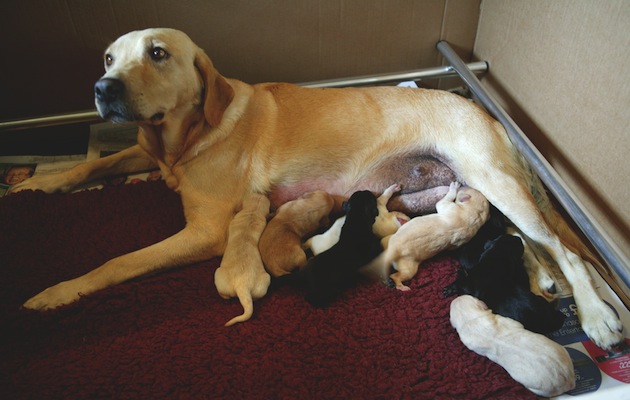
A lactating bitch needs to have her daily food divided into several small meals in order not to overload her digestion.
During the first six weeks of pregnancy, the feeding schedule used for normal adult maintenance meets the need. However, from the sixth week until whelping, the energy requirement begins to increase, becomes even more significant during lactation and reaches a peak approximately three weeks after whelping. So daily food needs to be divided into several small meals in order not to overload the bitch’s digestive capacity.
We take neutering of dogs for granted. But should we? When to neuter your dog – and the behavioral risks…

I’m often asked whether dogs suffer hypothermia. The answer is yes and there are some particular signs that owners of…
A car sick dog is miserable and the condition can be caused by different factors. It may not be due…
The daily ration for dogs with gastrointestinal disorders or diabetes and dogs on low-calorie diets should be divided into several meals. Feeding frequent small meals helps to prevent the corrosive action of gastric acid in dogs with gastritis, reduces the intestinal overload in dogs with diarrhoea and prevents undue blood glucose fluctuations in dogs with diabetes. It can also be an effective way to control hunger in overweight dogs.
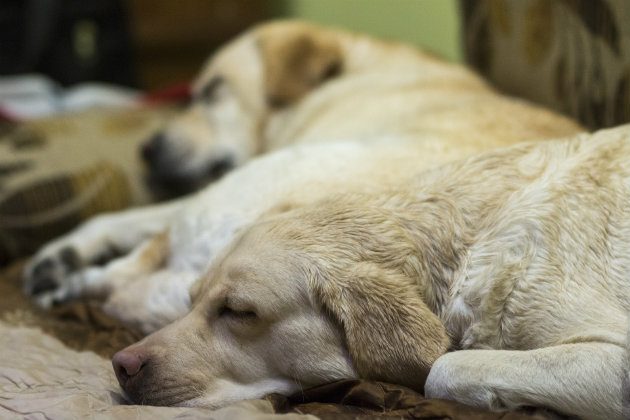
Always allow a dog to sleep off a meal
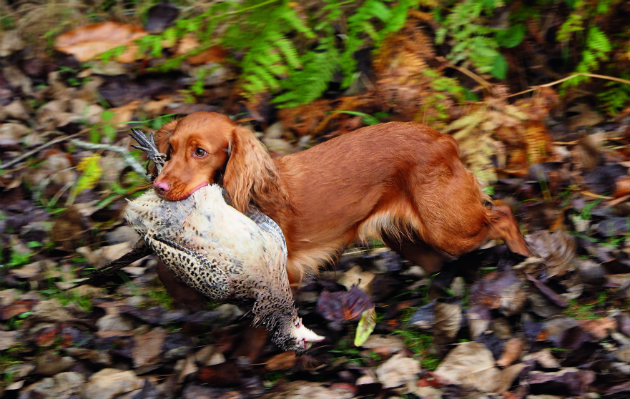
After a meal a dog sleeps to enable its food to be digested. The period after a feed is the quietest time in any kennels as dogs usually curl up and rest. We feed our kennel dogs twice a day with a small meal in the morning and the main meal about 4.30pm.
I am a stickler for regular feeding times whenever possible.
Many dogs, particularly Labradors, bolt their food which makes it even more important to allow them time to digest it.
Do not train your dog on a full stomach. Dogs carrying a full stomach will feel uncomfortable during training – a distraction you don’t want.
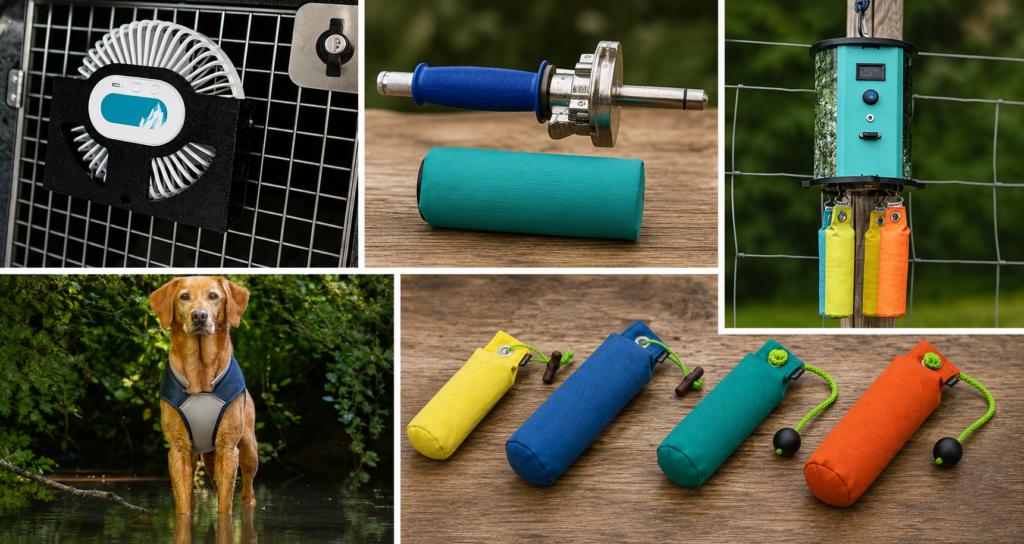
Our pick of five lightweight, practical products to keep both handler and dog cool and comfortable through summer training, from cooling coats to a remote dummy dropper, rounded up to help you get the...
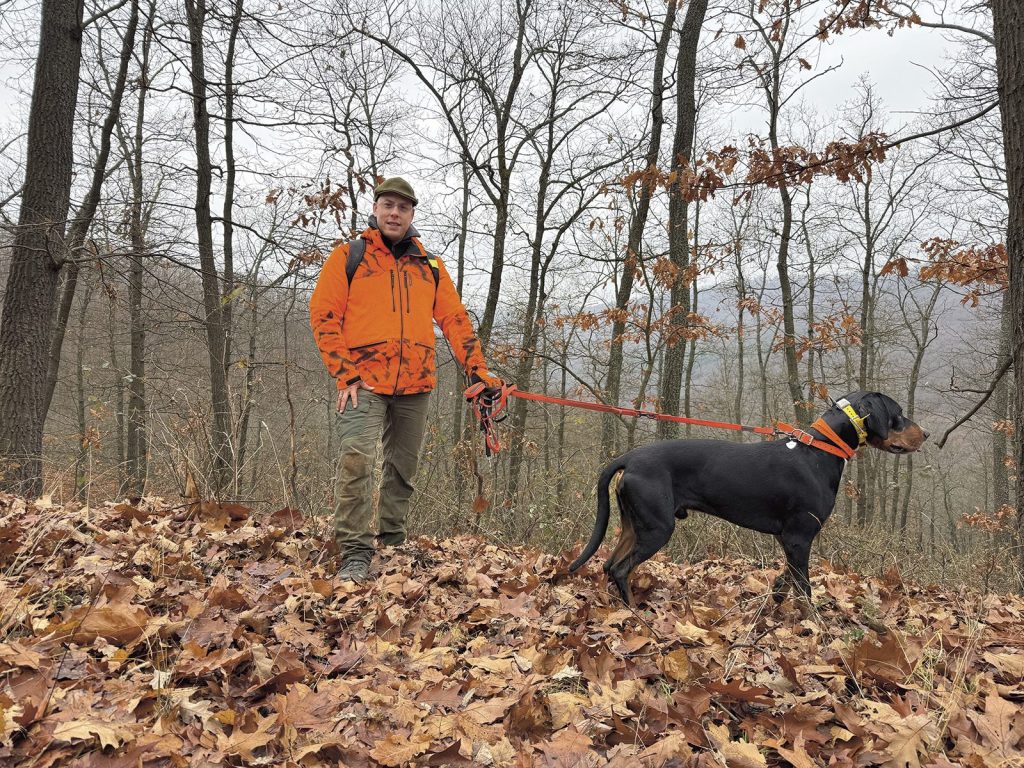
From the wild Carpathian mountains, Gergely Bödők follows a Transylvanian hound at work after wild boar, a breed shaped by centuries of rugged forest and dangerous game. It is a rare scent hound tha...
Get the latest news delivered direct to your door
Discover the ultimate companion for fieldsports enthusiasts with Shooting Times & Country Magazine, the UK’s leading weekly publication that has been at the forefront of shooting culture since 1882. Subscribers gain access to expert tips, comprehensive gear reviews, seasonal advice and a vibrant community of like-minded shooters.
Save on shop price when you subscribe with weekly issues featuring in-depth articles on gundog training, exclusive member offers and access to the digital back issue library. A Shooting Times & Country subscription is more than a magazine, don’t just read about the countryside; immerse yourself in its most authoritative and engaging publication.