★ Your magazine. Your say. Complete our reader survey with a chance to win Jack Pyke kit worth £500! ★

Sporting Life: from breakers to trainers, the keepers who set the standard with gundogs
'Gamekeeper trained' was once a selling point in the classified columns, and Jeremy Hobson remembers the keepers whose spaniels and labradors earned it


In the days when the Shooting Times classified section ran to several pages and, depending on the time of year, contained numerous ‘situations vacant’ opportunities for keepers, plentiful game-rearing equipment and much ‘shooting/fishing to let’ for those who wanted it, it also featured copious columns of dogs for sale – many of which were, in the adverts, described as being ‘gamekeeper bred’ and/or ‘gamekeeper trained’.
Some decades ago – possibly before there were all that many professional gundog trainers on the scene – there was a certain kudos attached to being able to claim that the paragon of virtue sitting perfectly at the peg had been trained by a keeper. In those long-ago advertisements it was a good selling point.
While most of the gundogs I’ve trained and owned have been perfectly adequate for the job and, with the exception of just a couple of occasions, never let me down, I can’t say that – entirely due to my own limitations – any have been polished to field trial champion standard.
Exceptional spaniels and labradors on the moors
Not so some of the dogs I’ve seen trained and handled by other gamekeepers. While many were good, others were exceptional.
Spaniels owned and worked by a Wiltshire keeper during the 1970s spring to mind – as does a whole pack of diminutive cocker spaniels belonging to a grouse moor keeper employed on the moors at Broomhead during the time I used to go beating there.
Another keeper I knew back in the 1970s was, no matter when you met him, invariably cheerful and ready with a joke – a quite unusual disposition as far as the reputation of most gamekeepers is concerned.
Coincidence or not, his labradors – sometimes nine in number as they clustered around his heels en route to picking up behind the grouse butts – seemed always to be of similar character. If dogs can be said to look happy and eager to please, they were – and never once did I hear him raise his voice or have need to chastise them in any shape or form.
From dog breakers to gundog trainers
Once known as dog ‘breakers’ rather than trainers, some of those involved in training during the early part of the last century used techniques that involved little or no canine psychology and left a lot to be desired. Some were undoubtedly cruel – under their methods, dogs would either be conditioned to work without question or become so cowed and spiritually broken that they were useless.
By the 1920s, however, things were beginning to change. In 1922, HW Carlton wrote in Spaniels: Their Breaking for Sport and Field Trials: ‘Thrashing is not, as so many thoughtless breakers seem to think, a means of education in itself … [now] the word ‘breaking’ is merely a figure of speech … it is impossible for a “broken” – in the literal meaning of the word – dog to be a first-class one.’
Nevertheless, I recall one person met during my early years of keepering – albeit a shooting man rather than a keeper – who had somewhat unorthodox methods eerily reminiscent of those early ‘breakers’, one of which was to let his young spaniels chase chickens randomly around the farmyard and then teach steadiness.
Although I most likely thought nothing of it at the time, it occurs to me now that he was creating a situation which could obviously have been avoided by not allowing them the opportunity to chase in the first place. Despite that, I have to say that his dogs were always close to heel when not working, stylish when hunting cover and impeccably steady to the gun when shot over while out rough shooting.
Jeremy Hobson was a gamekeeper for over 30 years. He regularly hunts and occasionally fishes and is the author of over 30 fieldsports and country-based books.
Frequently asked questions
What did ‘gamekeeper trained’ mean in gundog adverts?
Before professional gundog trainers were common, a dog trained by a keeper carried a certain kudos, and ‘gamekeeper bred’ or ‘gamekeeper trained’ was used as a selling point in the Shooting Times classified columns.
Why were gundog trainers once called ‘breakers’?
Early in the 20th century many trainers relied on harsh methods with little understanding of canine psychology. By the 1920s that was changing: HW Carlton wrote in 1922 that “breaking” had become merely a figure of speech, as a literally broken dog could never be first-class.

About the author
Jeremy Hobson
A Hampshire-based writer and author, Jeremy has been a professional freelance journalist for more than two decades, though his first article appeared in 1976, and behind the writing lies more than 30 years' involvement in gamekeeping and shoot management. He remains connected to the shooting world as host on a nearby sporting estate. The author of more than 30 books, most of them rural, from fieldsports and farming to smallholding and working dogs, he is best known for A Practical Guide to Modern Gamekeeping, first published in 2012 and now a modern classic in its expanded form as A Comprehensive Guide to Gamekeeping and Shoot Management, along with Running a Shoot and The Shoot Lunch. His most recent title is the authorised biography of the wildlife artist David Shepherd.

 Closes 15 JanuaryWorth £129.90Win a pair of tickets to the British Shooting Show 2027Enter nowFree to enter
Related Articles
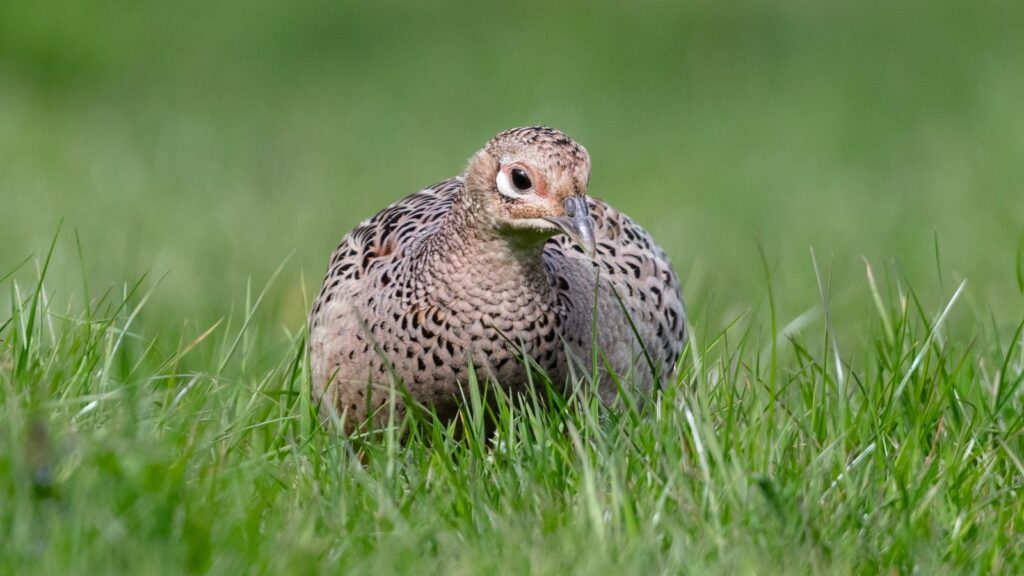
How habitat management helps gamebirds survive drought and heatwaves
Recent droughts and heatwaves have hit gamebirds hard, but careful habitat management can help them survive, says the GWCT's Alex Keeble
By Alex Keeble | 6 October 2026

Game farmer James Elliott: why the cheapest poult costs a shoot more
The Game Farm Ltd lost 3.4% of its birds this year, well under the industry average, and its co-founder says a well-reared poult costs only about 20p more than the cheapest. James Elliott’s advice t...
By News Desk | 6 October 2026
Get the latest news delivered direct to your door
Subscribe to Shooting Times & Country
Discover the ultimate companion for fieldsports enthusiasts with Shooting Times & Country Magazine, the UK’s leading weekly publication that has been at the forefront of shooting culture since 1882. Subscribers gain access to expert tips, comprehensive gear reviews, seasonal advice and a vibrant community of like-minded shooters.
Save on shop price when you subscribe with weekly issues featuring in-depth articles on gundog training, exclusive member offers and access to the digital back issue library. A Shooting Times & Country subscription is more than a magazine, don’t just read about the countryside; immerse yourself in its most authoritative and engaging publication.
 New competitionWin a pair of tickets to the British Shooting Show 2027Worth £129.90Closes 15 JanuaryEnter now ›