★ Your magazine. Your say. Complete our reader survey with a chance to win Jack Pyke kit worth £500! ★


Flexibility enables a rapid response: BASC on Scotland’s General Licences
Peter Clark on why Scotland’s effective General Licence system needs targeted practical updates rather than an overly bureaucratic overhaul, and what BASC has put to NatureScot
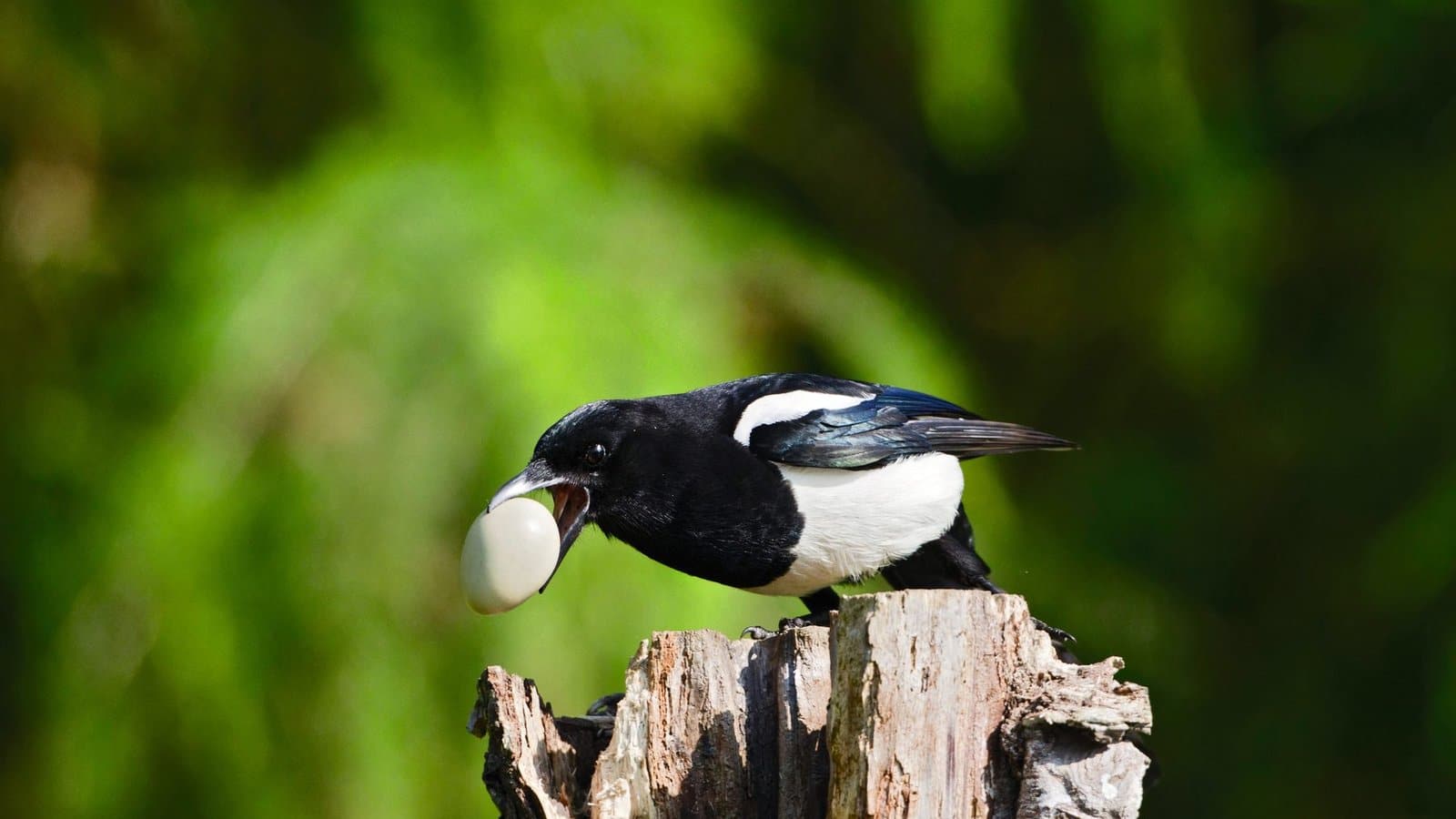

General licensing does a simple job well. It lets a keeper deal with a magpie raiding a nest, or a farmer with geese in a barley field, there and then, rather than waiting for paperwork while the damage carries on. That’s why, when NatureScot’s consultation on Scotland’s General Licences closed on 31 August, our response was clearly stated. The system works well in principle, so improve it, don’t replace it.
Why General Licences matter to keepers and farmers
We say that because General Licences let gamekeepers, farmers, shoot managers, pest controllers and other land managers respond quickly where the legal tests are met, rather than waiting for a bespoke licence for every routine case. Move that work on to individual licences instead and the result will be lost crops, increased disease risk, avoidable impacts on livestock or missed opportunities to protect nesting birds when intervention is most needed.
For BASC members, the three licences that matter most are GL01, GL02 and GL03, covering the conservation of wild birds, the prevention of serious damage and the protection of public health and safety. These issues arise regularly across farms, shoots, fisheries, holdings and rural businesses, which is borne out in what our members say.
A survey we ran over the past couple of months to inform our response to NatureScot backs this up. Of 150 members who answered a question on the essential requirements of General Licences, 91% pointed to being able to proactively prevent serious problems caused by wild birds, 89% to population control of problem species, 86% to conservation and 85% to being able to react quickly to damage as it happens.
Should every General Licence carry an annual reporting condition?
One of the sharper questions in the consultation asked whether every General Licence should carry a mandatory condition to report what’s been done under it each year. Our answer is no. Reporting as a blanket condition would create an administrative burden without necessarily producing reliable or meaningful data.
We’re not rejecting monitoring outright, and we appreciate that reliable information can help demonstrate that licences remain justified and targeted. But any reporting condition needs to earn its place. It should be necessary, risk-based, proportionate and demonstrably able to improve decision-making. Our preferred route is a well-designed voluntary or sample-based system for specific licences, not a universal requirement applied across the board.
The practical improvements BASC has asked for
We’ve also pushed for a handful of practical improvements. Top of the list is extending the licence period from one year to two, in line with NatureScot’s own multiyear goose schemes and the two-year licences Defra issues in England. In addition we have flagged the need for clarity on why designated sites carry a 500m buffer, guidance on what to do if a protected species turns up unexpectedly in a trap, and confirmation that operators won’t be marked as being non-compliant just for being unable to recite a licence from memory, so long as its conditions are genuinely being met. We have also proposed widening GL01 to cover several gull species, ravens and ring-necked parakeets for conservation purposes. Those are just some of the main points we put to NatureScot.
Not defending the status quo for its own sake
None of this is about defending the status quo for its own sake. It’s about recognising that a system built around timely, local decision-making helps the farmers and land managers who rely on it, just as much as it supports the conservation outcomes it’s designed to protect. Get the detail right on returns, licence length and species, and general licensing can keep doing that job for years to come. That’s the case BASC has put to NatureScot – and we’ll keep making it.
Peter Clark is BASC’s director of Scotland. He can be contacted at peter.clark@basc.org.uk.
Frequently asked questions
What are GL01, GL02 and GL03 in Scotland?
They are the three General Licences that matter most to BASC members: GL01 covers the conservation of wild birds, GL02 the prevention of serious damage, and GL03 the protection of public health and safety. They let a land manager act at once where the legal tests are met, rather than applying for an individual licence each time.
What has BASC asked NatureScot to change?
To extend the licence period from one year to two, to explain why designated sites carry a 500m buffer, to give guidance on a protected species found unexpectedly in a trap, to confirm that not reciting a licence from memory is not non-compliance, and to widen GL01 to several gull species, ravens and ring-necked parakeets for conservation purposes.
Would annual returns be required under the new licences?
That was one of the consultation questions. BASC’s answer is no as a blanket condition, on the grounds that it would create an administrative burden without necessarily producing reliable data. Its preferred route is a voluntary or sample-based system for specific licences instead.

About the author
Peter Clark
Director of BASC Scotland since 2023, Peter succeeded Dr Colin Shedden after 39 years in the post and writes for Shooting Times and ShootingUK on Scottish shooting, deer management and licensing. He grew up on the family farm in rural Aberdeenshire near Inverurie, out with his father's gundogs and topping up pheasant feeders with his grandfather, and after graduating worked in the Scottish Parliament as rural policy adviser to the Shadow Cabinet Secretary for Rural Affairs before joining BASC as public affairs manager for Scotland. He leads the association's lobbying on muirburn and grouse licensing, the Natural Environment Bill and deer policy, and has argued for community deer management on publicly owned land and against mandatory competence testing. He shoots walked-up and driven game, works his springer spaniel Beth and manages deer on the family farm.
Related Articles
Defra confirms GL45 will not be renewed
While Defra has now announced that GL43 will be issued in the coming weeks, avian influenza risk levels are preventing the renewal of GL45
By ShootingUK | 2 April 2025
Home Secretary set to scrutinise licensing
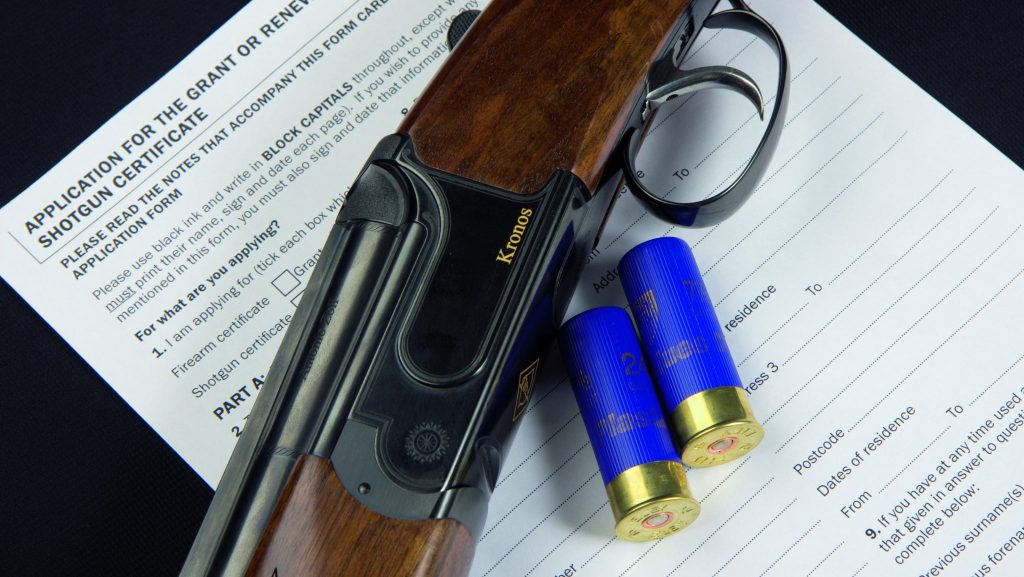
Shotgun and firearms licensing laws are in the spotlight after a Luton teenager murdered his family with an illegally purchased shotgun.
By ShootingUK | 2 April 2025
Get the latest news delivered direct to your door
Subscribe to Shooting Times & Country
Discover the ultimate companion for fieldsports enthusiasts with Shooting Times & Country Magazine, the UK’s leading weekly publication that has been at the forefront of shooting culture since 1882. Subscribers gain access to expert tips, comprehensive gear reviews, seasonal advice and a vibrant community of like-minded shooters.
Save on shop price when you subscribe with weekly issues featuring in-depth articles on gundog training, exclusive member offers and access to the digital back issue library. A Shooting Times & Country subscription is more than a magazine, don’t just read about the countryside; immerse yourself in its most authoritative and engaging publication.