

Bird flu near Biggar bans gamebird release in Scottish Borders zones
Keepers inside the zones declared on 2 November may not release gamebirds, and moving poultry, eggs, carcases and litter needs general licence cover
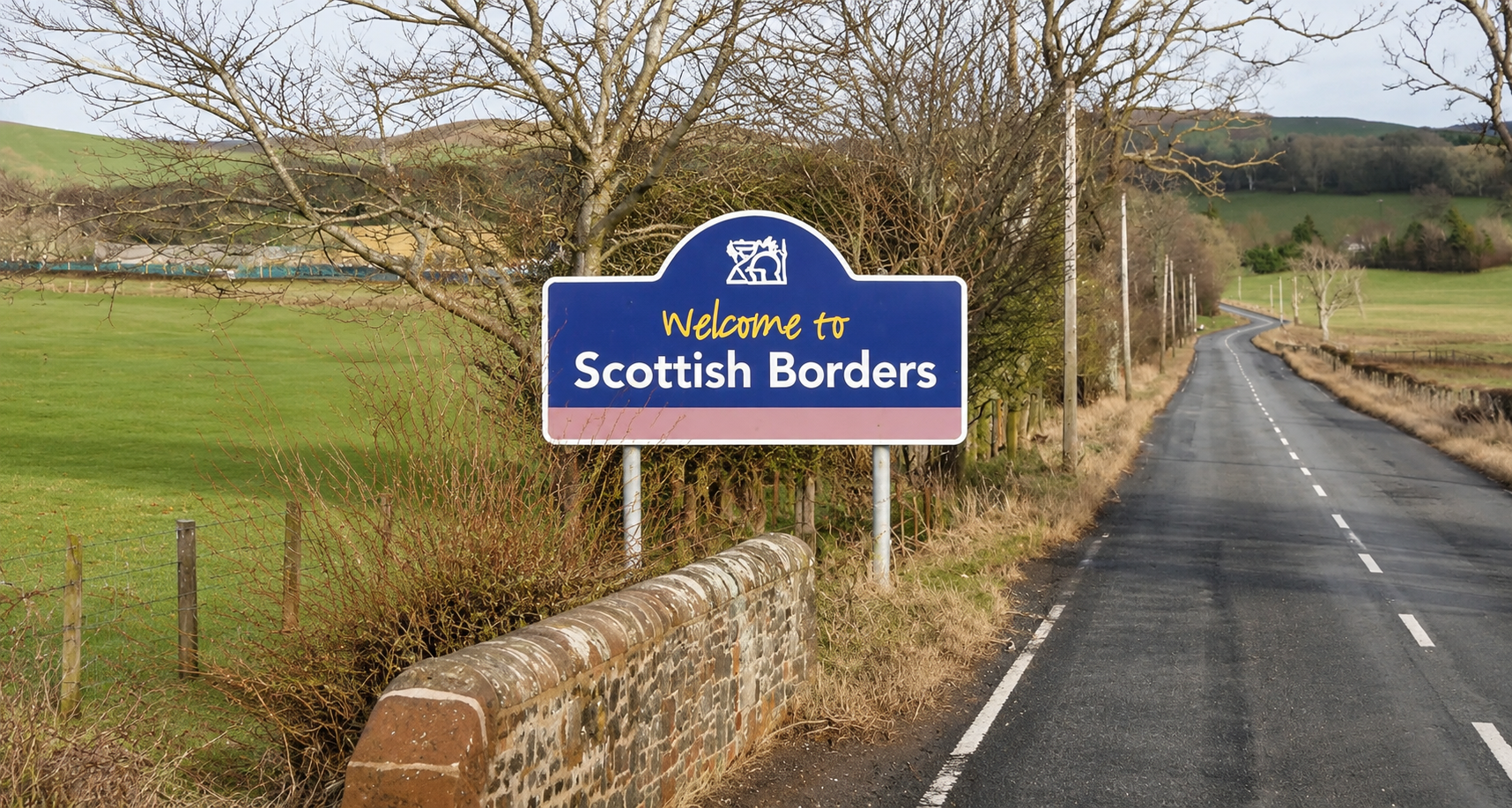

Highly pathogenic H5N1 avian influenza has been confirmed at premises near Biggar in the Scottish Borders, bringing a 3km protection zone and a 10km surveillance zone in which gamebirds must not be released. The Scottish Government declared the zones on Monday, 2 November, under case reference AIV 2026/22.
What do the zones require?
Inside both zones, keepers must not release gamebirds while the declaration stands, and movements of poultry and other captive birds, hatching and table eggs, carcases, poultry litter and manure, and domestic mammals from affected premises must comply with the general licences published for the outbreak. Keepers of any flock, from a commercial shed to a backyard pen, must follow the enhanced biosecurity the declaration sets out. The declaration’s full text, with zone maps, sits on the Scottish Government’s website, and the licences are published alongside it.
How bad is the picture this autumn?
Great Britain’s risk level stands at medium for avian influenza in wild birds, and at low for kept birds where biosecurity is sub-optimal, very low where it is stringent. The Biggar case follows the H5N5 outbreak confirmed at Ness on the Isle of Lewis on 2 October, and the Scotland-wide Avian Influenza Prevention Zone remains revoked, as it has been since 4 June. Across the water, the Department of Agriculture, Environment and Rural Affairs (DAERA) urged Northern Ireland’s bird keepers on 20 October to review and strengthen their biosecurity, from commercial poultry farms to backyard flocks.
What should keepers do now?
Shoots inside the zones cannot release birds while the declaration stands, and any planned movement of birds, eggs or litter needs checking against the general licences first. A shoot inside a zone should speak to its vet and check the licences before the next shoot day, because the rules reach beyond release to the movement of birds and by-products. Elsewhere, the standing advice is biosecurity: keep feed and water out of reach of wild birds, disinfect kit and vehicles between sites, and report dead wild birds rather than handling them. Suspected disease in kept birds is notifiable and must be reported to the local office of the Animal and Plant Health Agency (APHA) immediately.
What happens next
The zones stay until the Scottish Government lifts the declaration, with surveillance in the 10km zone determining how long that takes. The desk will report the lifting, and any further cases, as they are declared; keepers can check the live declarations and licences on the Scottish Government’s avian influenza pages, and BASC’s avian influenza hub carries guidance for shoots.
Frequently asked questions
Where is the new Scottish bird flu case?
At premises near Biggar in the Scottish Borders, confirmed as highly pathogenic H5N1 on 2 November 2026, with a 3km protection zone and a 10km surveillance zone declared around it.
Can gamebirds be released inside the bird flu zones?
No. The declaration states that keepers in the zones must not release gamebirds while it stands.
What should I do if I suspect bird flu in my birds?
Avian influenza in kept birds is notifiable: report suspicion to the Animal and Plant Health Agency (APHA) immediately, and do not move birds, eggs or litter in the meantime.
 Closes 15 JanuaryWorth £129.90Win a pair of tickets to the British Shooting Show 2027Enter nowFree to enter
Related Articles
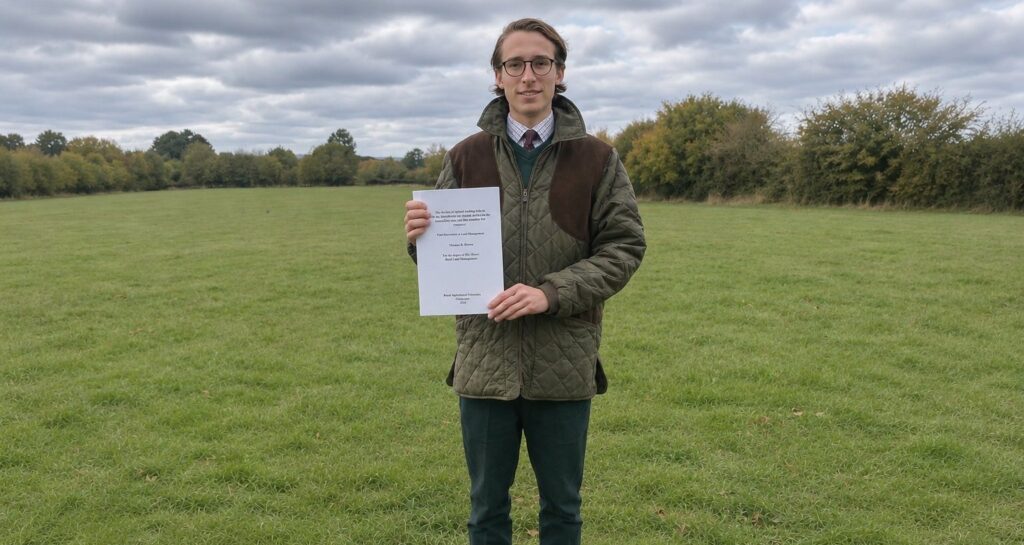
Game shooting can be justified, student, 17, tells Government review
Felix Hodgkinson-Last weighed both sides of the argument for his A-level project, concluded the sport can be justified, and filed it as evidence
By News Desk | 5 November 2026
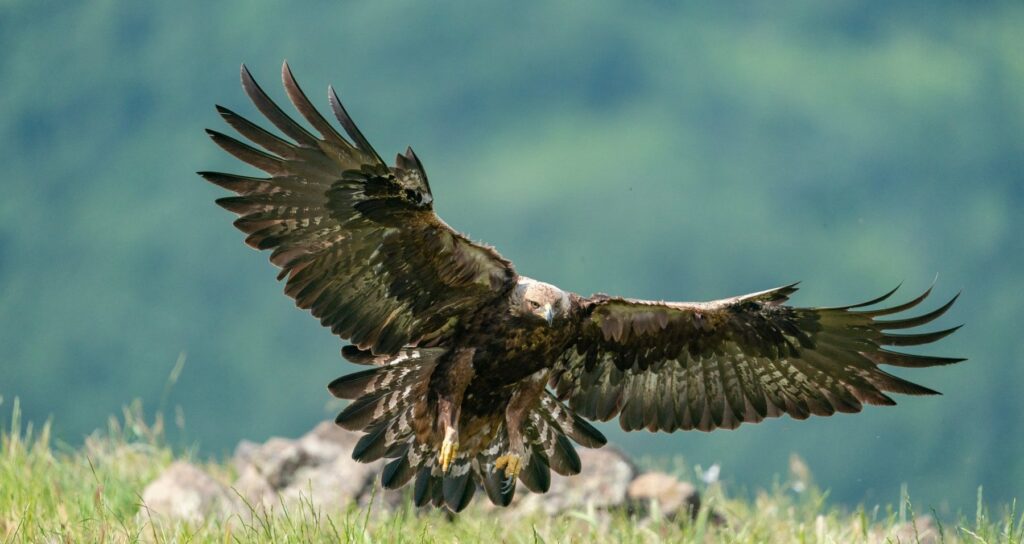
Golden eagle chick raised on grouse moor is a southern Scotland first
Keepers who work the moor have named him Beaky Junior, as the project behind the recovery counts more than 50 eagles in southern Scotland, a 300-year high
By News Desk | 5 November 2026
Get the latest news delivered direct to your door
Subscribe to Shooting Times & Country
Discover the ultimate companion for fieldsports enthusiasts with Shooting Times & Country Magazine, the UK’s leading weekly publication that has been at the forefront of shooting culture since 1882. Subscribers gain access to expert tips, comprehensive gear reviews, seasonal advice and a vibrant community of like-minded shooters.
Save on shop price when you subscribe with weekly issues featuring in-depth articles on gundog training, exclusive member offers and access to the digital back issue library. A Shooting Times & Country subscription is more than a magazine, don’t just read about the countryside; immerse yourself in its most authoritative and engaging publication.

