★ Your magazine. Your say. Complete our reader survey with a chance to win Jack Pyke kit worth £500! ★


No official count of catapult attacks on wildlife, Defra admits
An 18-day-late written answer concedes the offences are not notifiable, passes the recording question to the Home Office and backs a campaign-led operation instead
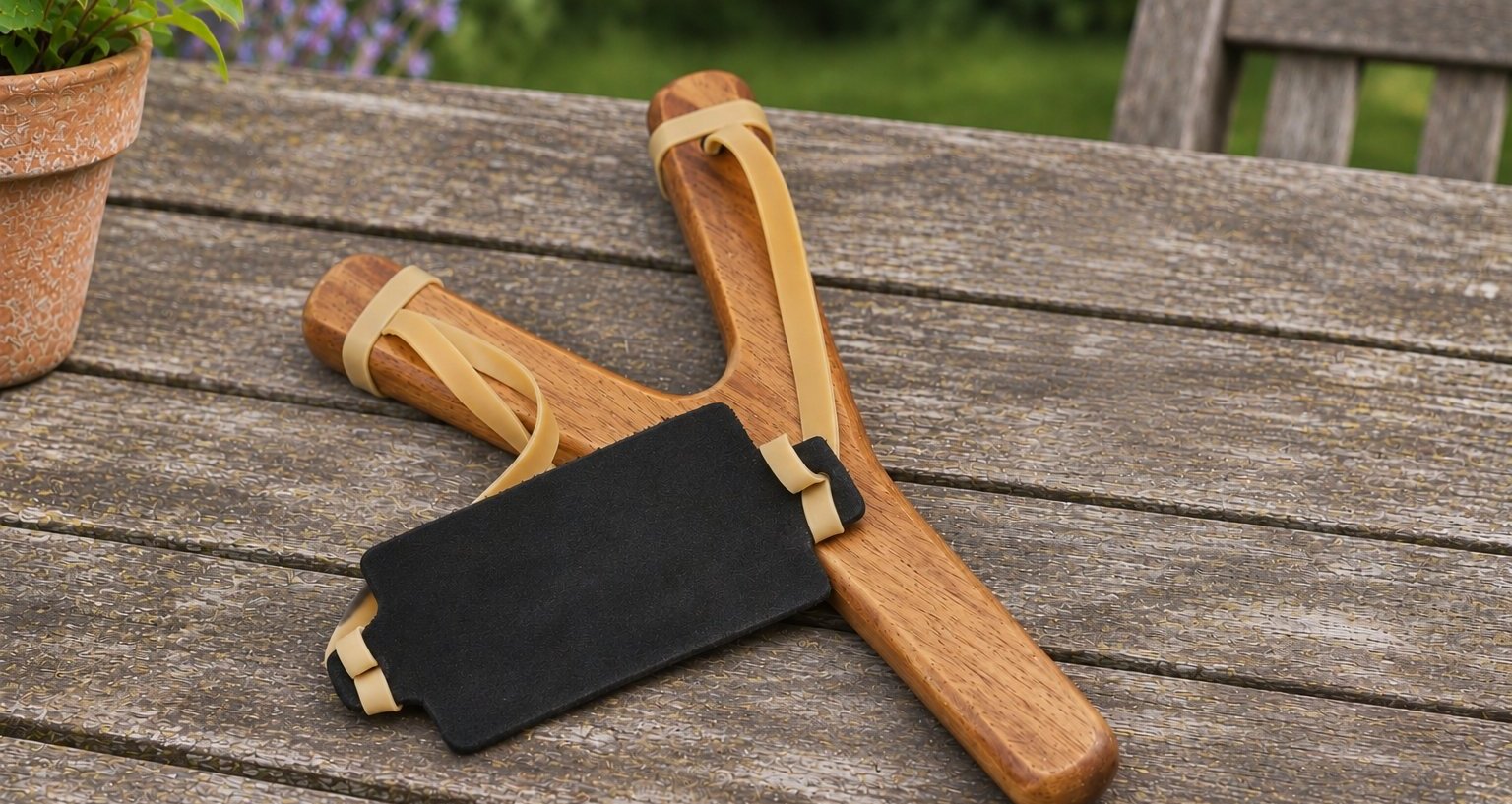

No official statistics exist on catapult attacks against wildlife, Defra has admitted, because wildlife crimes are not notifiable offences and forces are not required to report them to the Home Office. The answer, given on Tuesday, 3 November, came 18 days late to a question tabled in mid-October asking for incident numbers since January 2024, and it confirms what rural crime teams have long suspected: nobody in Whitehall is keeping score.
What did Defra actually say?
The Department for Environment, Food and Rural Affairs (Defra) said it could provide none of the breakdowns the question sought, by police force area, species targeted, offender age or case outcome, because “no official statistics or identifiable trends” exist for offences that are not notifiable. Any decision to make wildlife offences notifiable, it added, “would sit with the Home Office, not Defra”.
The department was blunter about the problem itself: “Defra does, however, take crimes against wildlife seriously and is aware of the ongoing and horrific misuse of catapults against wild animals.”
Why does the data gap matter?
Keepers, wildfowling clubs and police rural crime teams have reported a steady run of catapult attacks on waterfowl, gamebirds and livestock over two years, from ball-bearing attacks on pheasants in Somerset to an operation launched at a Wrexham beauty spot this week. Without notifiable status, none of it shows in national crime figures, which makes the case for new law harder to evidence even as forces run dedicated operations against it. The Home Office confirmed last week that ministers are actively considering age restrictions on catapult sales.
Who is counting, if Whitehall is not?
Defra put on record that it supports Operation Lakeshot, the multi-agency initiative led by the League Against Cruel Sports that aims to reduce catapult crime against wildlife, and police wildlife crime officers log incidents locally. The desk notes the irony that the only national tally government can point to is run by a campaign group; shooting organisations have long argued that proper recording would serve legitimate catapult users and wildlife alike, since a true picture of criminal misuse is the surest way to keep any new law aimed at the offenders rather than at everyone who owns one.
What happens next
The question of notifiable status now sits squarely with the Home Office, which is already weighing catapult sale restrictions. A further written question on the catapult data, tabled in October, remains unanswered, and the desk will report the department’s next move when it comes.
Frequently asked questions
Are catapult attacks on wildlife recorded nationally?
No. Wildlife crimes are not notifiable offences, so forces do not have to report them to the Home Office and no official statistics exist.
Is it illegal to kill wildlife with a catapult?
Yes. Killing or injuring protected wild birds and animals is an offence under the Wildlife and Countryside Act 1981 and related law, whatever the weapon used.
Will catapult sales be restricted?
The Home Office confirmed in late October that ministers are actively considering age limits on catapult sales; no legislation has yet been brought forward.
 Closes 15 JanuaryWorth £129.90Win a pair of tickets to the British Shooting Show 2027Enter nowFree to enter
Related Articles

Seven-year lead shot transition confirmed for Northern Ireland
The EU restriction in final scrutiny will bind Northern Ireland under the Windsor Framework, with rifle ammunition left out and twice Great Britain’s run-off, Countryside Alliance Ireland says
By News Desk | 5 November 2026

BASC winter gun draw offers Beretta 687 and grouse day over dogs
A Silver Pigeon III, a Borders grouse day over pointers and setters and a night’s stay make a £7,000 package, with proceeds to the association’s Fighting Fund
By News Desk | 5 November 2026
Get the latest news delivered direct to your door
Subscribe to Shooting Times & Country
Discover the ultimate companion for fieldsports enthusiasts with Shooting Times & Country Magazine, the UK’s leading weekly publication that has been at the forefront of shooting culture since 1882. Subscribers gain access to expert tips, comprehensive gear reviews, seasonal advice and a vibrant community of like-minded shooters.
Save on shop price when you subscribe with weekly issues featuring in-depth articles on gundog training, exclusive member offers and access to the digital back issue library. A Shooting Times & Country subscription is more than a magazine, don’t just read about the countryside; immerse yourself in its most authoritative and engaging publication.

