★ Win a pair of Brandecosse Capriolo boots worth £219! Click here to enter ★

Soaring cull targets ‘could wreck estates and cost 2,500 jobs’
One of Scotland's foremost red deer authorities has warned that soaring cull targets could drive estates to the brink and land the taxpayer with the bill.
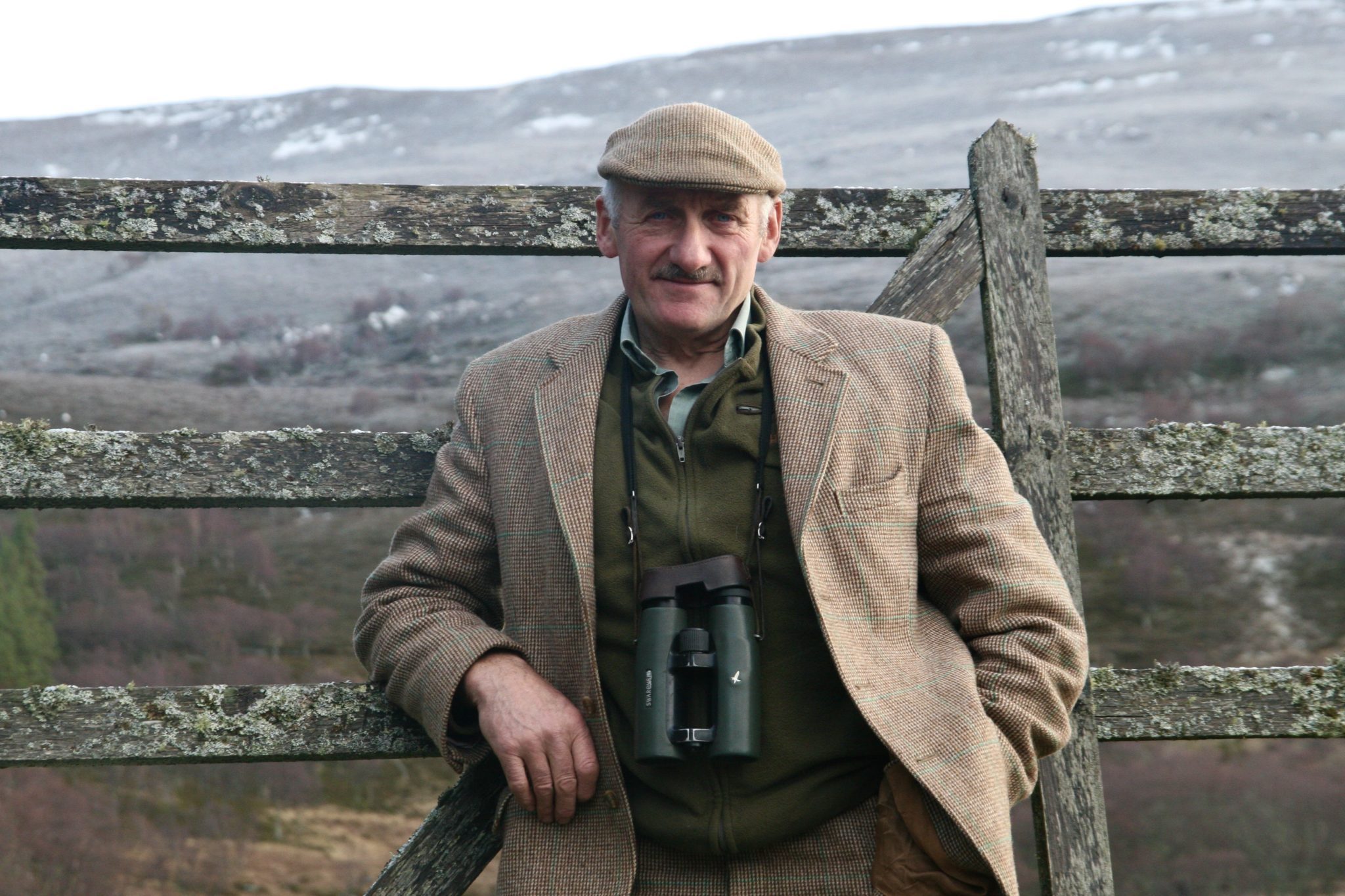 Outgoing SGA vice chairman Peter Fraser. Credit: SGA Media.

Warning over pace of cull increases
A veteran deer stalker has warned that Government plans to increase Scotland’s annual cull by up to 50,000 animals could collapse the private investment underpinning deer management across the uplands and cost 2,500 rural jobs.
Peter Fraser, who retired as head stalker at Invercauld Estate in Royal Deeside in 2012 after 43 years, made the warning as he stepped down as vice chairman of the Scottish Gamekeepers Association at the body’s AGM in Perthshire on 10 April.
Culling too deep too fast, he believes, could push sporting estates to the brink, leading to mounting pressure on the creaking public purse as well as empty glens.
“I’d like to see more common sense from all parties when it comes to deer,” he said. “We are in real danger of wrecking a lot of estates’ business models now because of the pace of the culls and the continuous demand for more.
“If you look at the Cairngorms National Park, for example, they are wanting to reduce deer densities to a very, very low level in some places, but they also want less sheep on the hills and cattle, too, because they want to look at the impacts of all herbivores on the environment. For a lot of estates, that is the entire business model – or a large part of it – so I can’t see how that won’t have impacts on jobs.”
.
Estate economics under strain
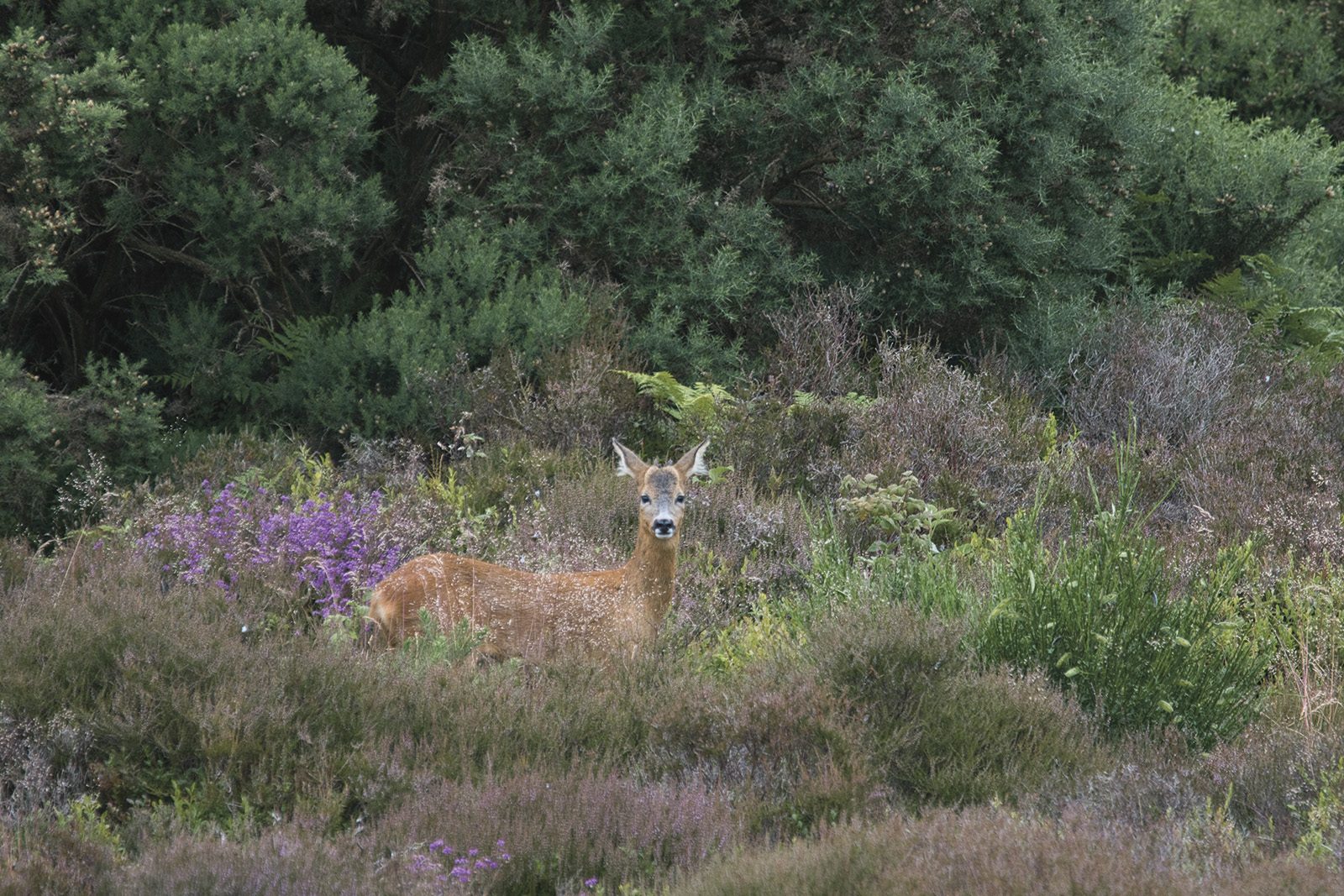
Mr Fraser said that during the pandemic he walked an entire Invercauld beat and found just two stags and one hind on ground that had previously yielded an annual cull of 25 stags and 40 hinds. He warned that estates stripped of deer income could not justify the cost of a deer manager, leaving the public purse to pick up the bill.
“What people don’t realise is the amount of private investment that goes into deer management,” he said. “If we lose that, the onus for deer management will just revert to the squeezed taxpayer, so there needs to be common sense and a balance.”
Freedom of Information data obtained by The Ferret shows Scotland’s publicly-funded forestry bodies spent more than £134 million on deer management over the past decade, covering culling, fencing and equipment. Private estates, however, account for around 80% of the annual cull, according to the SGA, with private investment dwarfing that public expenditure.
.
Case for fencing and long-term planning
Mr Fraser also rejected calls from some MSPs to remove fencing subsidies from forestry grant schemes, arguing that fences protecting newly planted woodland for 20 to 25 years reduce the long-term cost of contract deer stalking and ultimately represent better value than the alternative.
“When you erect a fence, it protects your asset for 20 to 25 years and it means far less money being spent on contract deer stalkers,” he said. “At the end of it, you can take the fence down.
“A lot of problems were created when people started planting unfenced forestry schemes in the middle of the red deer range. If you see forestry schemes in the lowlands today, they all have fences around them. I don’t know why the uplands are seen as different.”
.
Transition and succession
Mr Fraser, who intends to continue advocating for red deer, will be succeeded as vice chairman by Perthshire gamekeeper Bob Connelly.
“To serve as a committee member then as SGA vice chairman has been a great honour and a privilege,” he said. “With the influx of young committee members, along with the wealth of experience held by the committee and advisers in the background, I am sure the SGA will grow from strength to strength.”
Do you have a news story to share?
Contact our group news editor Hollis Butler at hollis.butler@twsgroup.com. We aim to respond to all genuine news tips and respect source confidentiality.
Stay in the loop with the latest fieldsports news
Don’t miss a story – get shooting news straight to your inbox or phone. Join our newsletter and WhatsApp channel.
Related Articles
Shooting community urged to complete 2026 Game Shooting Census
The deadline for the 2026 Game Shooting Census and Shoot Owner Census, run by GunsOnPegs and Lycetts with the backing of BASC, the Countryside Alliance and the GWCT, closes at 12 noon tomorrow (Tuesda...
By News Desk
Gamekeepers refuse to endorse Scotland's new muirburn code
Scotland's gamekeepers say they will not endorse the revised Muirburn Code when NatureScot publishes it on 1 July, warning that it strips out the tools they rely on to fight wildfire and puts public s...
By News Desk
Get the latest news delivered direct to your door
Subscribe to Shooting Times & Country
Discover the ultimate companion for fieldsports enthusiasts with Shooting Times & Country Magazine, the UK’s leading weekly publication that has been at the forefront of shooting culture since 1882. Subscribers gain access to expert tips, comprehensive gear reviews, seasonal advice and a vibrant community of like-minded shooters.
Save on shop price when you subscribe with weekly issues featuring in-depth articles on gundog training, exclusive member offers and access to the digital back issue library. A Shooting Times & Country subscription is more than a magazine, don’t just read about the countryside; immerse yourself in its most authoritative and engaging publication.