★ Your magazine. Your say. Complete our reader survey with a chance to win Jack Pyke kit worth £500! ★


A century and a half in the field: Fiocchi and the future of game ammunition
Built by hunters and still run, in part, by the founding family, Fiocchi turns 150 this year. Its UK chief talks game cartridges, stalking ammunition and the move beyond lead
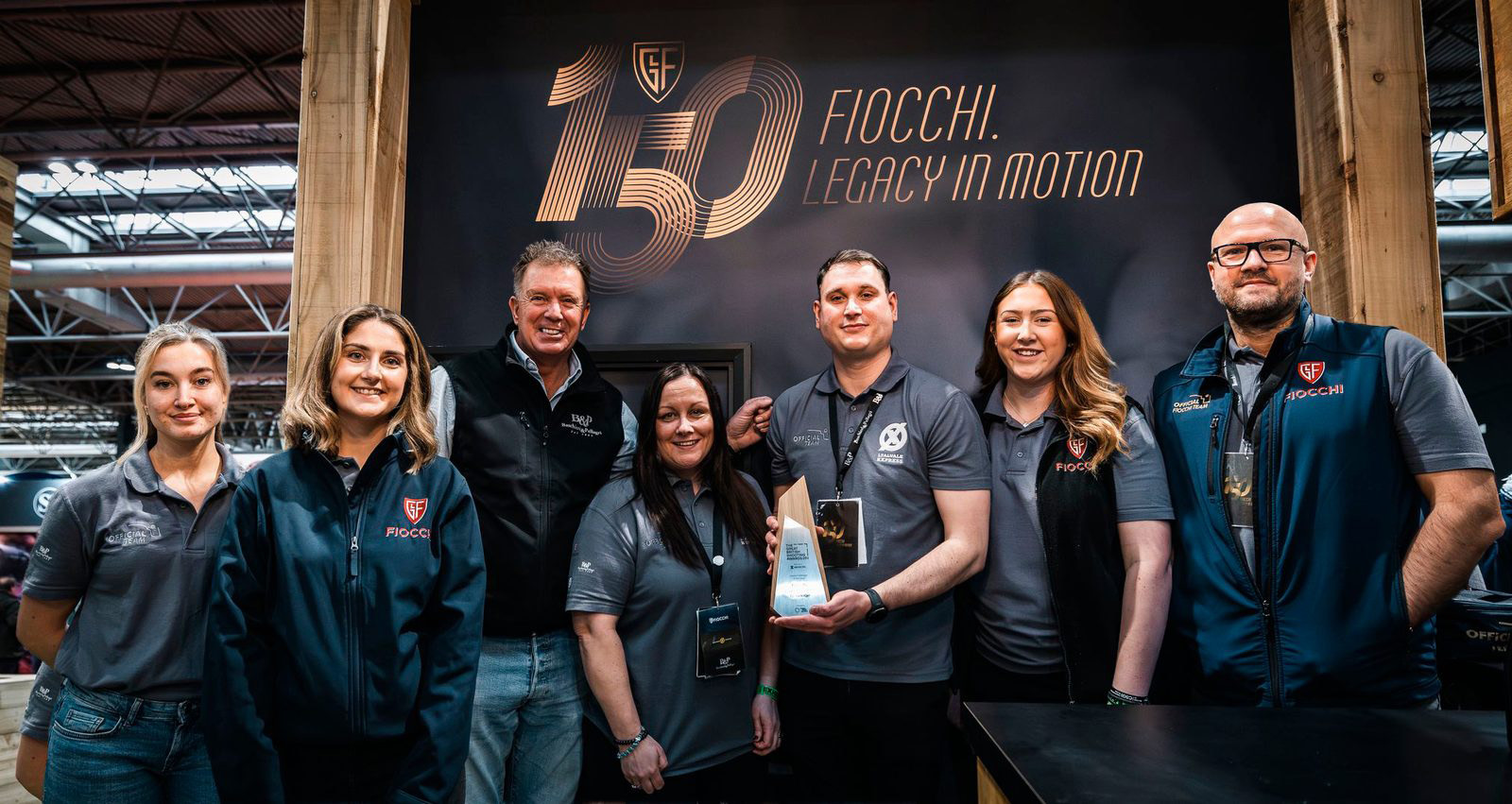

Fiocchi was built on the back of the shooting field. The company that turns 150 this year began in Lecco in 1876 and, as its UK chief executive James Rose puts it in an exclusive interview, “it started off as passionate hunters.” The business has grown and diversified enormously since, but its roots are in the sport that Shooting Times readers practise, and that lineage is worth bearing in mind as the game shooter faces the most significant change to ammunition in a generation.
On the shotgun side Fiocchi has been a familiar name in the cartridge bag for years, across game loads from the high-bird covert to the walked-up rough day. On the rifle side it makes metallic ammunition for the stalker, the fox shooter and the pest controller, even if, by the company’s own admission, that part of the UK business has lived in the shadow of the shotshell. What unites them is a manufacturer that, unusually, makes its own components from raw material to finished round.
That breadth matters now more than ever, because the move away from lead reaches across both barrel and bolt. Shooting Times readers will know the shape of the regulations well enough; the live question is not what the timetable says but whether the cartridges and bullets that replace lead will do the job in the field. It is a question Fiocchi is keen to answer.
A company that has met big challenges before
James does not pretend the industry eagerly welcomed any of this. “None of us wanted to go down that road,” he says. “But it’s done. It’s out of our hands, and now we have to embrace it and run with it.” His argument is a firm one: a company that has navigated 150 years of upheaval is well placed to navigate one more, and the change is better understood as forced innovation than as a threat to the sport.
For the game shooter, the practical reassurance is that the company is not starting from scratch. Fiocchi already supplies non-lead cartridges and is developing metallic loads for the larger stalking calibres, and because it controls its own components it can chase the consistency a quarry shooter demands rather than building a load around whatever projectiles the market happens to offer. The point James keeps returning to is that the fieldcraft does not change: the same coverts, the same high birds, the same shot at a fox across a stubble – only the load in the chamber is being asked to evolve.
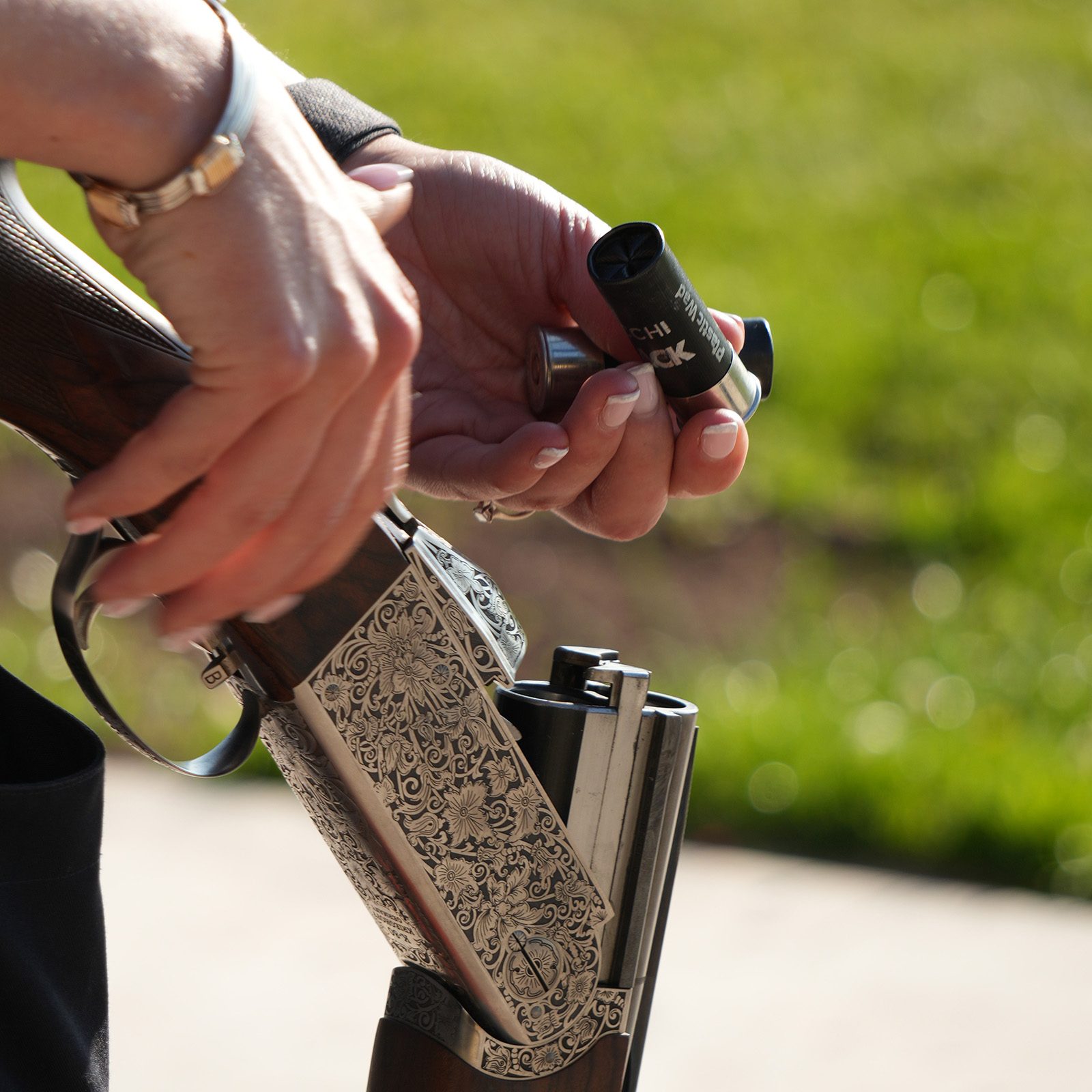
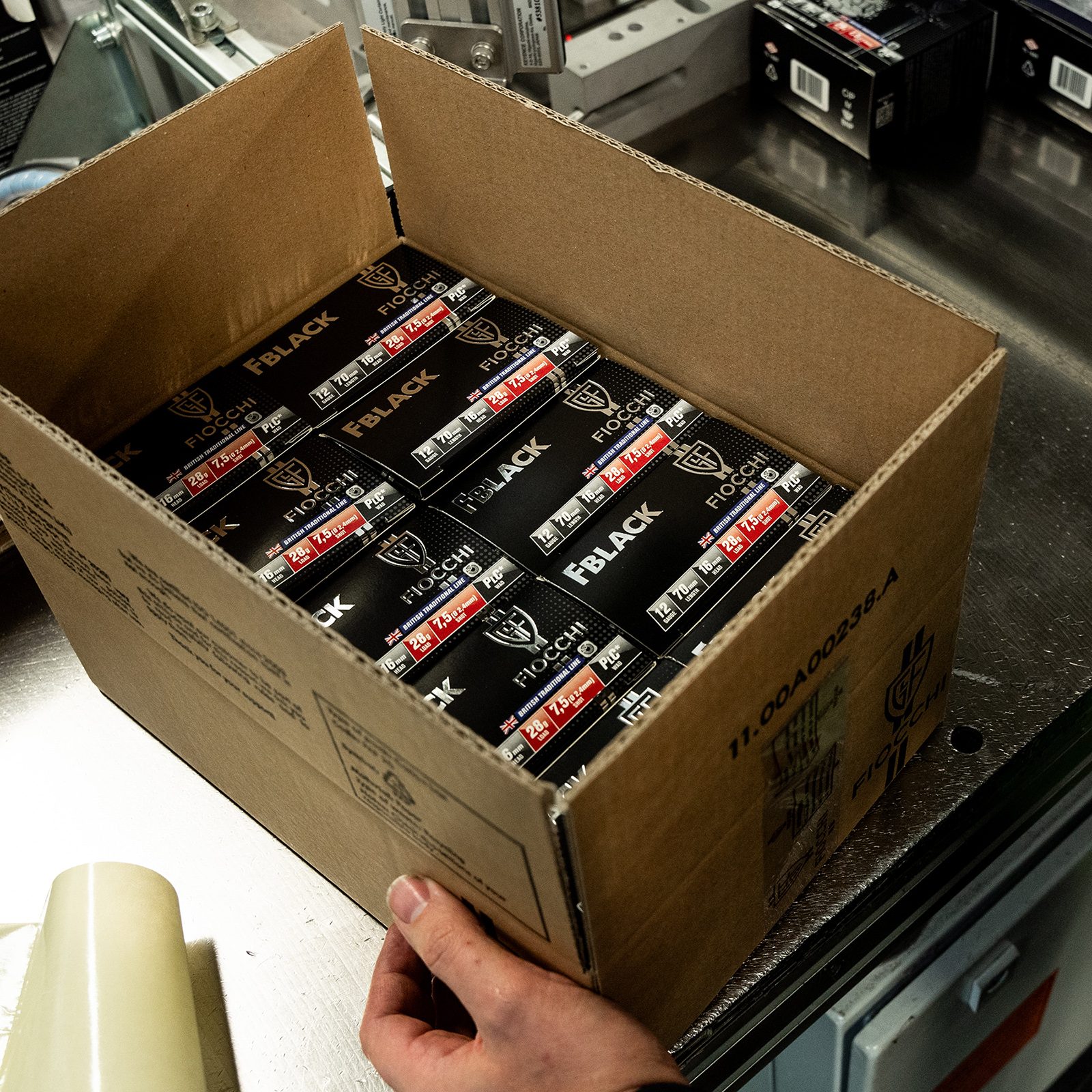
The game cartridge is where the non-toxic challenge is hardest – James is open about that – but he insists the solutions exist. “The game shooting is trickier, but there are some incredible solutions out there,” he says, pointing to research the company has been running for several years. The work that goes into it draws on Fiocchi’s control of its own components: because it makes its powders, primers and shells in-house, it can tune burn rates, pressures and temperatures in ways a brand assembling bought-in parts cannot. On the rifle side, the company says its near-term focus is non-toxic ammunition for the larger calibres – precisely the bracket most affected by the change.
The bigger battle, in James’s view, is psychological. “There’s a tremendous amount of misinformation out there,” he says, and the job of the whole industry is to reassure shooters that “just because we’re changing the fuel that’s in the gun, it’s not actually going to stop you doing the sport that you love, whether it’s hunting or clay shooting.” Fiocchi’s answer has been to put non-lead cartridges into shooters’ hands over the past two or three years and let results in the field do the persuading.
There is, too, a note of cautious optimism in how the company talks about the change. For a firm that already sells into European markets where lead restrictions are in force, the British deadline is not uncharted territory, and Hannah describes the development work as “a really exciting opportunity to discover new things” – new materials and new powders coming out of the research programme. The argument the company makes to the game shooter is that the sport adapts: the quarry, the seasons and the fieldcraft are unchanged, and only the load in the chamber is being asked to evolve.
Made in Britain, for British conditions
One reason a game shooter might give Fiocchi a hearing is proximity. The company established a UK presence in 2007, on the view that the British market was loyal and strong enough to warrant manufacturing close to the shooter rather than shipping everything in. That domestic platform was reinforced in 2022 when the group acquired Lyalvale Express, the long-established British cartridge maker based in Staffordshire, giving Fiocchi a purpose-built shotshell factory on home soil.

James’s logic is that nobody orders cartridges six months out. “They order on a Monday and want it on Tuesday, or they need it for the weekend,” he says, and a UK factory means loads can be tailored to British conditions and quarry and delivered at British speed. Selling direct to gun shops, in small quantities across more than one brand, means a local dealer can stock the right cartridge without committing to pallet-loads.
That UK platform sits within a stable of three brands – Fiocchi itself, the British marque Lyalvale Express and the premium Italian house Baschieri & Pellagri – spanning everyday to super-premium, so a shooter can find a load to suit the day and the budget without leaving the group. And because Fiocchi makes its own components from raw material to finished round, including its propellant powders, it argues it can offer that quality without the mark-up a rival pays for bought-in parts. For the game shooter, the practical promise is a familiar name, made nearby, with the technical control to develop the non-lead loads the field will need. That control runs to the metallic side as well: Fiocchi makes its own bullets and propellant and sells reloading components through the trade, which gives the stalker or fox shooter who likes to work up his own loads somewhere to turn as non-lead recipes settle down.
Still, at heart, a family firm
For all the corporate scale – Fiocchi has been part of the Czechoslovak Group since 2022 – the company is keen to stress that it remains, in spirit, a family business and a business of people. Members of the founding family are still in senior positions, and James points to the youngest of them, fifth-generation Leonardo Fiocchi, who is said to have worked in every department of the manufacturing operation to understand the product from the ground up. The anniversary itself has been marked with gatherings of the wider shooting community, and with a book charting the company’s century and a half.
That, perhaps, is the reassurance for the game shooter. The brand facing the lead deadline alongside you is not a faceless conglomerate but a 150-year-old hunting company that has weathered worse, still has the founder’s family in the building, and intends to put all of that experience into the cartridges and cartridges-to-come that you will be carrying into the field long after 2029.
Frequently Asked Questions
Does Fiocchi make rifle ammunition as well as shotgun cartridges?
Yes. Alongside its game and clay shotshells, Fiocchi makes metallic ammunition for the stalker, fox shooter and pest controller, though the company admits that side of its UK business has lived in the shadow of the shotshell. Its near-term focus is non-toxic ammunition for the larger calibres.
Why does Fiocchi make its own components?
Because it makes its own powders, primers, shells and bullets from raw material to finished round, Fiocchi can tune burn rates, pressures and temperatures for consistency, and argues it can offer that quality without the mark-up a rival pays for bought-in parts.
Is Fiocchi ammunition made in the UK?
Fiocchi established a UK presence in 2007, and in 2022 the group acquired Lyalvale Express, giving it a shotshell factory in Staffordshire. That plant makes shotgun cartridges; the metallic ammunition still comes from the group’s Italian and American works.
 Closes 15 JanuaryWorth £129.90Win a pair of tickets to the British Shooting Show 2027Enter nowFree to enter
Related Articles

Rigby opens Grade II-listed London home with museum
The 251-year-old gunmaker has moved to a converted ballet school in Clapham, where visitors can watch guns being made and see Jim Corbett’s rifle at the heart of the showroom
By News Desk | 14 October 2026
Amber Rutter crowned European Skeet champion in Greece
The Olympic silver medallist beat Italy’s Diana Bacosi by a single target in Malakasa, on a week when two GB juniors also took European bronze
By News Desk | 14 October 2026
Get the latest news delivered direct to your door
Subscribe to Shooting Times & Country
Discover the ultimate companion for fieldsports enthusiasts with Shooting Times & Country Magazine, the UK’s leading weekly publication that has been at the forefront of shooting culture since 1882. Subscribers gain access to expert tips, comprehensive gear reviews, seasonal advice and a vibrant community of like-minded shooters.
Save on shop price when you subscribe with weekly issues featuring in-depth articles on gundog training, exclusive member offers and access to the digital back issue library. A Shooting Times & Country subscription is more than a magazine, don’t just read about the countryside; immerse yourself in its most authoritative and engaging publication.