★ Your magazine. Your say. Complete our reader survey with a chance to win Jack Pyke kit worth £500! ★


Shooting fields give a boost to UK wildlife
BASC's Conor O'Gorman on how 25,000 hectares of game covercrops quietly stitch a network of wildlife highways across the shooting countryside, from the Duke of Norfolk's Peppering estate to a small Derbyshire shoot
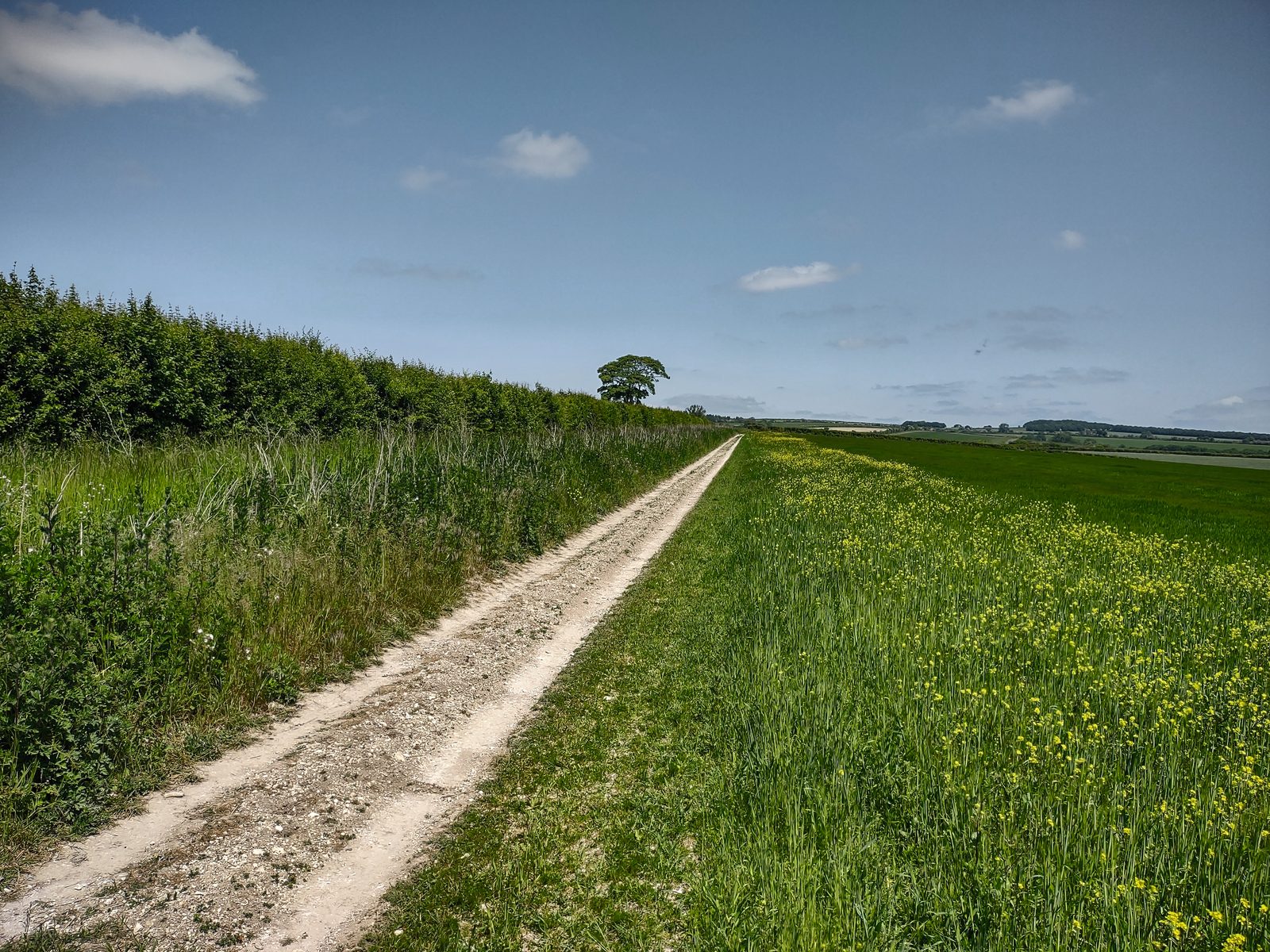

Around 25,000 hectares of game covercrops are planted in the UK every year on land managed for shooting and, with an average of 4m wide provision in field margins, that’s around 62,500km of wildlife highways and refuges for a diversity of flora and fauna.
It’s a massive collective conservation effort that is largely unreported and under-appreciated in the public domain, yet that nature recovery work outshines anything the government or conservation industry can achieve at a landscape level.
Peppering project
The near extinction of the grey partridge population in 2003 on the Peppering Farm in West Sussex was the catalyst for the owner, the Duke of Norfolk, to do everything possible to reverse the birds’ fortunes while ensuring a viable farming operation. Since then more than 30 miles of hedgerows have been created alongside various types of covercrops under the Countryside Stewardship and Sustainable Farming Initiative agri-environment schemes.
To walk over Peppering is to witness a vast network of inter-connected “nature highways” spanning the entire farm, with grey partridges, lapwings, skylarks, corn buntings and yellowhammers in abundance.
Monk Wood Shoot
On a smaller scale, Monk Wood Shoot in Derbyshire has maximised its conservation potential with 20 acres of various mixes of game covercrops being provided annually within a woodland-dominated 270 acres.
Each covercrop is associated with a hedgerow, shelter belt or woodland edge. Water sources are critical and all covercrops are near one or more of the many ponds being created on the shoot. Drinkers are also provided. There are more than 50 feeding stations for wild birds and shoot manager Jim Allsop hand-scatters feed in other locations.
The shoot does not use any fertiliser other than farmyard manure. No pesticides or herbicides are used. The game covercrops are teeming with insects. The birdlife across the shoot is outstanding, with bitterns, nightjars, barn owls and woodcock.
How can you record the wildlife using your game covers?
For future reference most shoots will keep a record of what game covercrops went in and where, but few will record the wildlife that benefits from those habitats. Trail cams are affordable and can give a good indication of the mammals that are using an area. But what about other groups that benefit from game covers, such as insects and birds?
Bird surveys using tried and tested techniques are a great way to build up a record. You could make fixed point surveys as used by GWCT for its Big Farmland Bird Count. Another option is timed transect surveys as advised by the British Trust for Ornithology for its Breeding Bird Surveys.
Perhaps start by trying the free online Merlin Bird ID app while out and about, especially along woodland edges at dawn or dusk. You will be amazed at the diversity of birds it picks up from your mobile phone.
Butterfly Conservation runs the big butterfly count in July each year and all you need to do is pick a likely spot in your game covers, sit there for 15 minutes and record what species you spot and the maximum number of each species seen at any point.
The charity Buglife has online guides for identifying insects if you wish to carry out sweep-net samples in your covercrops. Google Lens is quite good at identifying insects from your close-up photos. The GWCT has a guide called Chick Food Favourites detailing the top eight insects favoured by farmland birds.
If this all sounds too onerous, perhaps contact your local wildlife trust and ask if they would visit to do surveys or put you in touch with volunteers who could help.
Share your stories
Visit BASC’s Four Seasons campaign website to find out more about Peppering, Monk Wood and other case studies. There is also plenty of practical advice. Most important of all, please get in touch with your stories so that we can share them.
Dr Conor O’Gorman is BASC’s head of policy and campaigns. He has over 25 years of experience in conservation and land management and a keen interest in wild grey partridges. Contact him at conor.ogorman@basc.org.uk.
Frequently Asked Questions
How much land in the UK is managed as game covercrops?
Around 25,000 hectares of game covercrops are planted every year on land managed for shooting. With an average provision of 4m wide in field margins, that adds up to roughly 62,500km of wildlife highways and refuges for flora and fauna.
What is the Peppering project?
Peppering Farm in West Sussex, owned by the Duke of Norfolk, began intensive conservation work after the near extinction of its grey partridge population in 2003. More than 30 miles of hedgerows have since been created alongside covercrops under the Countryside Stewardship and Sustainable Farming Initiative schemes, and the farm now supports grey partridges, lapwings, skylarks, corn buntings and yellowhammers.
What is BASC’s Four Seasons campaign?
Four Seasons is BASC’s campaign highlighting the conservation work carried out on land managed for shooting, with case studies such as Peppering and Monk Wood alongside practical advice. Details are on the BASC Four Seasons campaign website.

About the author
Conor O'Gorman
BASC's Chester-based head of policy and campaigns, Dr Conor O'Gorman contributes to Shooting Times and ShootingUK, writing on firearms licensing, the transition to lead-free ammunition, wildlife management and conservation. He was named Media Contributor of the Year at the British Shooting Show Awards 2026. Conor qualified as a zoologist in Ireland in 1996 and began work on a gamekeeping and habitat restoration project to save the Irish grey partridge from extinction, research for which he was awarded a PhD; he retains a keen interest in the project. He joined BASC in 2003, spending several years negotiating wildfowling leases and consents in England, Wales and Northern Ireland before overseeing the association's responses to government consultations at national and international level. He has more than 25 years' experience in conservation and land management.
 Closes 15 JanuaryWorth £129.90Win a pair of tickets to the British Shooting Show 2027Enter nowFree to enter
Related Articles

Rigby opens Grade II-listed London home with museum
The 251-year-old gunmaker has moved to a converted ballet school in Clapham, where visitors can watch guns being made and see Jim Corbett’s rifle at the heart of the showroom
By News Desk | 14 October 2026
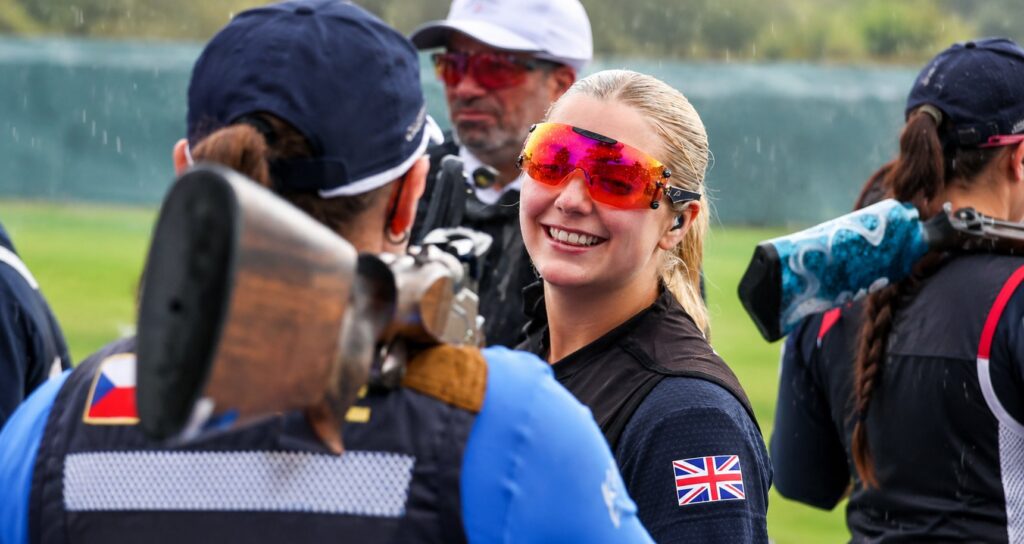
Amber Rutter crowned European Skeet champion in Greece
The Olympic silver medallist beat Italy’s Diana Bacosi by a single target in Malakasa, on a week when two GB juniors also took European bronze
By News Desk | 14 October 2026
Get the latest news delivered direct to your door
Subscribe to Shooting Times & Country
Discover the ultimate companion for fieldsports enthusiasts with Shooting Times & Country Magazine, the UK’s leading weekly publication that has been at the forefront of shooting culture since 1882. Subscribers gain access to expert tips, comprehensive gear reviews, seasonal advice and a vibrant community of like-minded shooters.
Save on shop price when you subscribe with weekly issues featuring in-depth articles on gundog training, exclusive member offers and access to the digital back issue library. A Shooting Times & Country subscription is more than a magazine, don’t just read about the countryside; immerse yourself in its most authoritative and engaging publication.