★ Your magazine. Your say. Complete our reader survey with a chance to win Jack Pyke kit worth £500! ★


CLA warns of hare coursing surge as harvest opens fields
Targeted members have suffered 26 incidents each on average in five years, and the association says every one must be reported
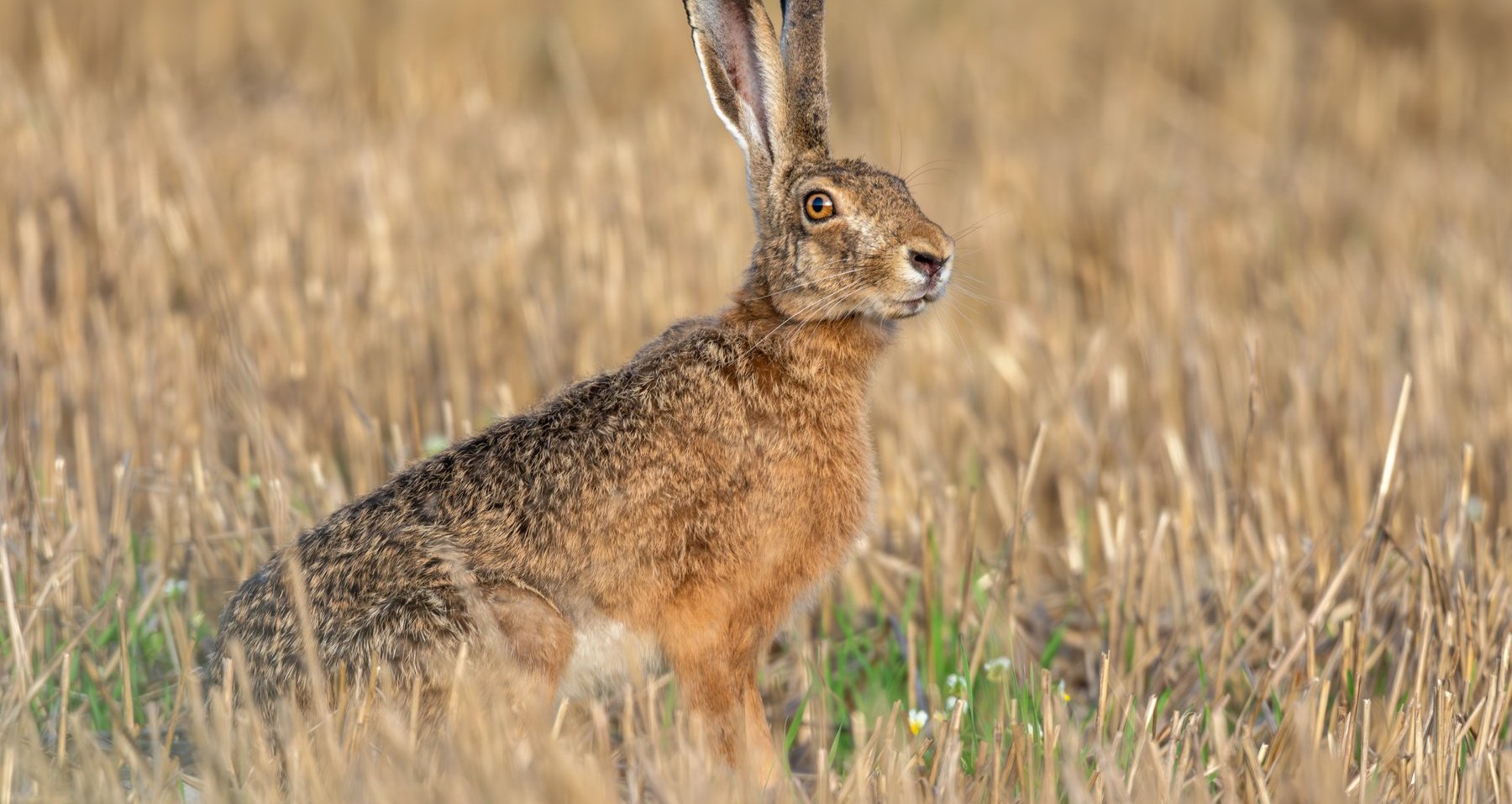

Members of the Country Land and Business Association (CLA) targeted by coursers have been hit an average of 26 times over the past five years, with some reporting more than 100 incidents, according to research the association published this summer. The warning follows National Rural Crime Action Week, which ran from 8 to 11 September.
How bad is the hare coursing problem?
In the CLA’s survey of its members, 96% of respondents said they were aware of illegal coursing in their local area and 89% had personal experience of it affecting their own farm or rural business.
The human cost sits behind those figures. More than half of respondents had received threats of violence or other warnings from coursers, 70% reported dead animals left on or around their land as intimidation, and four in five had spent money on security, in many cases running to thousands of pounds.
Writing for the association, the CLA’s Natalie Oakes said coursing is “not a minor nuisance, nor simply trespass, but an organised criminal activity that damages land, threatens livelihoods and intimidates people”.
What can the courts now do to coursers?
Measures secured through the Police, Crime, Sentencing and Courts Act 2022 mean anyone caught coursing faces an unlimited fine and up to six months in prison, alongside specific offences of trespassing with the intention of using a dog to search for or pursue a hare, and of being equipped to do so. Courts can disqualify offenders from keeping dogs and order them to pay police kennelling costs.
New sentencing guidelines for coursing offences came into force in England and Wales on 1 June this year, directing courts to weigh aggravating factors such as planning, intimidation, financial gain and the use of social media to promote offending. Police forces share intelligence across borders through Operation Galileo, the national operation against coursing.
What should land managers do this autumn?
The association’s message is that every incident must be reported, because each report builds the intelligence picture police need to target hotspots and identify repeat offenders. Anyone witnessing coursing in progress should call 999 and avoid confronting those involved; incidents already over should go to 101 or the force’s online reporting route, with vehicle registrations, descriptions, direction of travel, numbers of people and dogs, and precise locations, using tools such as What3Words where available.
Frequently asked questions
Why does hare coursing increase in autumn?
Once fields are harvested, hares are left visible and exposed on open stubbles, and coursers can see their dogs run. The risk rises sharply after the quieter summer months.
What is Operation Galileo?
It is the national police operation against hare coursing, coordinating forces and improving intelligence sharing across force boundaries, because offenders routinely travel to course.
What penalties do convicted coursers face?
An unlimited fine and up to six months in prison under the Police, Crime, Sentencing and Courts Act 2022, with courts also able to disqualify offenders from keeping dogs and order payment of kennelling costs.
 Closes 15 JanuaryWorth £129.90Win a pair of tickets to the British Shooting Show 2027Enter nowFree to enter
Related Articles

Police anti-poaching training with BASC pays off within 24 hours
Nottinghamshire officers trained on the Thoresby Estate in firearms law, lawful deer stalking and wildlife crime forensics, and one used her new knowledge on a search warrant the very next day
By News Desk | 5 November 2026
Moorland managers invited to trial garlic-based grouse grit
Ecospray and livestock nutrition specialists Denis Brinicombe are recruiting estates for larger trials of a natural garlic grit, after a one-year pilot on Scottish moors suggested grouse took it more...
By News Desk | 5 November 2026
Get the latest news delivered direct to your door
Subscribe to Shooting Times & Country
Discover the ultimate companion for fieldsports enthusiasts with Shooting Times & Country Magazine, the UK’s leading weekly publication that has been at the forefront of shooting culture since 1882. Subscribers gain access to expert tips, comprehensive gear reviews, seasonal advice and a vibrant community of like-minded shooters.
Save on shop price when you subscribe with weekly issues featuring in-depth articles on gundog training, exclusive member offers and access to the digital back issue library. A Shooting Times & Country subscription is more than a magazine, don’t just read about the countryside; immerse yourself in its most authoritative and engaging publication.

