★ Your magazine. Your say. Complete our reader survey with a chance to win Jack Pyke kit worth £500! ★


Is game shooting good for woodland?
We all know shooting supports conservation, but we need ongoing evidence to convince decision-makers, suggests Conor O’Gorman
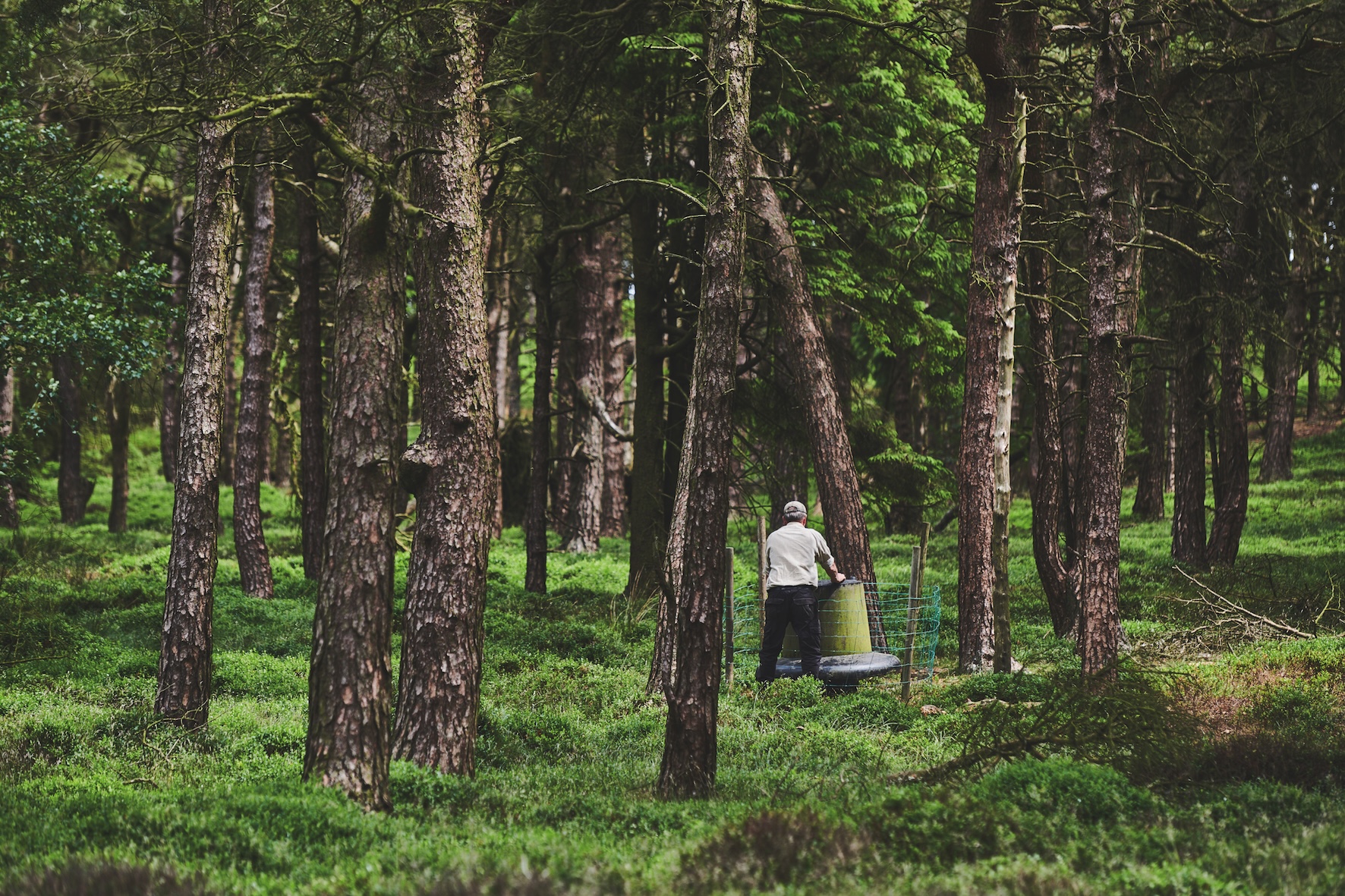

Shooting and woodland conservation
New research commissioned by the British Association for Shooting and Conservation (BASC) reveals that pheasant shooting benefits landscapes at a national scale. The findings show that shooting leads to better-managed woodlands compared to non-shooting areas.
The study was based on BASC Green Shoots data, which covers thousands of shoots of all types. Researchers analysed 1,131 sites where pheasant shooting had taken place within the past decade. Each site was matched with a control site where no shooting occurred.
Key findings from the research
The study compared the size, structure, and composition of woodlands. It also looked at hedgerows, woodland edges, and the length of hedgerows.
Results revealed:
-
Shooting areas had longer hedgerows
-
Shrubby woodland edges were more common
-
More open spaces with sunlit rides supported butterflies and birds
-
Better woodland management was evident compared to control sites
Challenging misconceptions
Some nature recovery strategies suggest pheasant releasing threatens adders or damages woodland. However, BASC’s evidence challenges these claims.
For example, a draft strategy had proposed controlling pheasants near red wood ant colonies. It argued that pheasants were harmful to invertebrates. BASC data shows otherwise, proving that pheasant releasing is not broadly detrimental.
Another strategy proposed placing release pens more than 500m away from “areas of particular importance for biodiversity.” BASC evidence suggests such restrictions are unnecessary when shoots follow GWCT sustainable gamebird release guidelines.
Sustainable gamebird release
Releasing pheasants in sustainable numbers is not only safe but also provides immunity from anti-shooting arguments. Evidence demonstrates that when done responsibly, pheasant releasing supports woodland biodiversity and protects ground flora.
The more data BASC gathers, the stronger the case for shooting’s conservation benefits becomes. This is why the BASC Green Shoots Mapping Project is so important.
Conclusion
For over 25 years, BASC members have supported the Green Shoots initiative. Thanks to this long-term data, decision-makers can now see that shooting helps conserve woodland habitats and biodiversity across the UK.

About the author
Conor O'Gorman
BASC's Chester-based head of policy and campaigns, Dr Conor O'Gorman contributes to Shooting Times and ShootingUK, writing on firearms licensing, the transition to lead-free ammunition, wildlife management and conservation. He was named Media Contributor of the Year at the British Shooting Show Awards 2026. Conor qualified as a zoologist in Ireland in 1996 and began work on a gamekeeping and habitat restoration project to save the Irish grey partridge from extinction, research for which he was awarded a PhD; he retains a keen interest in the project. He joined BASC in 2003, spending several years negotiating wildfowling leases and consents in England, Wales and Northern Ireland before overseeing the association's responses to government consultations at national and international level. He has more than 25 years' experience in conservation and land management.
 Closes 15 JanuaryWorth £129.90Win a pair of tickets to the British Shooting Show 2027Enter nowFree to enter
Related Articles
Rural businesses freeze investment over inheritance tax, CLA finds
Nine in ten of the family businesses behind Britain’s farms and estates have paused spending, the CLA warns ahead of the Budget
By News Desk | 9 October 2026

Police appeal after red kite shot in Peak District dies
X-rays found pellets in the bird’s wing after it was picked up near Buxton in July; Derbyshire Constabulary wants information
By News Desk | 9 October 2026
Get the latest news delivered direct to your door
Subscribe to Shooting Times & Country
Discover the ultimate companion for fieldsports enthusiasts with Shooting Times & Country Magazine, the UK’s leading weekly publication that has been at the forefront of shooting culture since 1882. Subscribers gain access to expert tips, comprehensive gear reviews, seasonal advice and a vibrant community of like-minded shooters.
Save on shop price when you subscribe with weekly issues featuring in-depth articles on gundog training, exclusive member offers and access to the digital back issue library. A Shooting Times & Country subscription is more than a magazine, don’t just read about the countryside; immerse yourself in its most authoritative and engaging publication.
 New competitionWin a pair of tickets to the British Shooting Show 2027Worth £129.90Closes 15 JanuaryEnter now ›