★ Your magazine. Your say. Complete our reader survey with a chance to win Jack Pyke kit worth £500! ★


Public backs active moorland management to cut wildfire risk
An Opinium poll for the Regional Moorland Groups finds 41% favour controlled burning, cutting and grazing against 32% for natural processes, with support strongest in rural seats


The British public prefers active moorland management to leaving moors to natural processes as a way of reducing wildfire risk, new polling for the Regional Moorland Groups suggests. Opinium Research surveyed 2,050 UK adults and found 41% favoured controlled burning, cutting and grazing, against 32% who would leave moorland to natural processes and manage the risk through firefighting and access restrictions.
What did the poll find?
Support for active management was strongest in rural constituencies, where 46% backed it against 29% for natural processes. Urban respondents also preferred management, by 40% to 32%. Around a quarter of those surveyed said they did not know, which the groups say reflects how little the public hears about how moorland is looked after.
The polling follows a summer of repeated moorland fires across the UK that stretched fire services and destroyed habitat for ground-nesting birds, including the Glenmore-Strathnethy fire in the Cairngorms, which burned more than 3,300 hectares.
The Scottish Fire and Rescue Service issued Scotland’s first September wildfire warning since 2020 this week, and a report for the Scottish Government on the Glenmore-Strathnethy response recorded more than 40 businesses and nearly £6.4m of privately owned equipment deployed alongside the fire service.
Fires slow where fuel is managed
Richard Bailey, co-ordinator of the Peak District Moorland Group, said the findings match what upland managers have seen all summer. “Fires spread where fuel has built up, and they slow where it’s been managed,” he said. “Grazing, cutting and controlled burning can be the difference between a fire you can fight and one you can’t. The public clearly gets it, and it’s time the debate caught up with what people who live and work on the moors have known for years.” Photographs released with the poll show Peak District Moorland Group members beating out flames on the hills this summer.
The Regional Moorland Groups are calling on the Government to give wildfire prevention the same priority as emergency response, and to back the active management that reduces the fuel a fire needs to spread. No single approach suits every site, they say: the right mix depends on each moor’s vegetation, peat condition and terrain, which is why decisions are best made with the people who know the ground.
What happens next?
Ministers at Holyrood are due to make a statement on the Glenmore-Strathnethy fire on Thursday 3 September, and Scotland’s muirburn licensing scheme becomes mandatory on 15 September. In England, the response to this year’s fires is under mounting scrutiny from moorland managers, with the Moorland Association calling last week for a statutory wildfire board. The full polling results are available from the Regional Moorland Groups.
Frequently asked questions
What did the wildfire poll ask?
Opinium asked 2,050 UK adults whether they preferred wildfire risk on moorland to be reduced through active management, meaning controlled burning, cutting and grazing, or through leaving moors to natural processes with the risk managed by firefighting and access restrictions.
Who are the Regional Moorland Groups?
They are networks of moorland managers, gamekeepers and farmers across the English uplands, including the Peak District Moorland Group, which promote the role of active management in the hills.
Related Articles
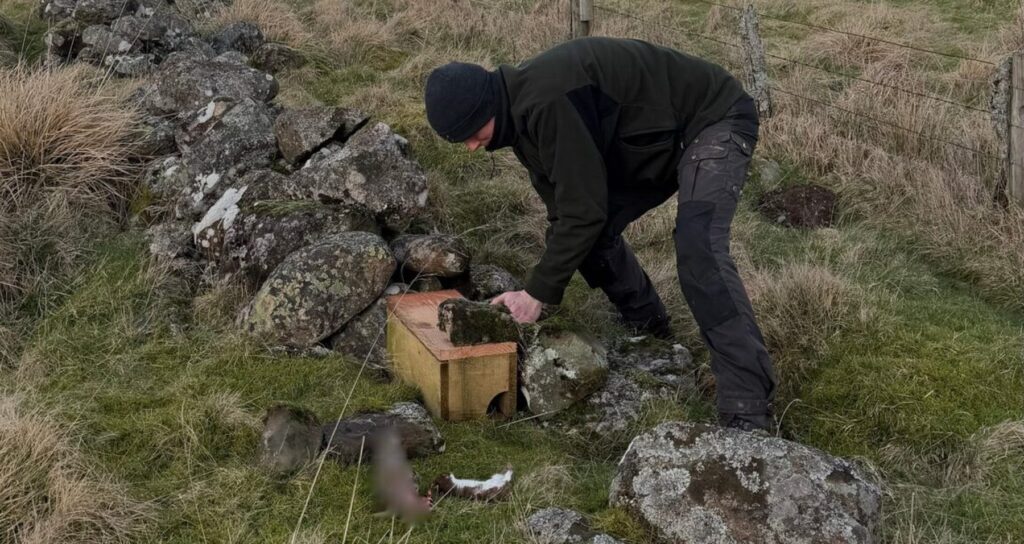
SGA trap training passes 400 courses as keepers await start date
The association is pressing the Scottish Government for a commencement date for the trap provisions, which will make approved training compulsory for anyone setting spring or corvid traps
By News Desk | 2 September 2026

Swinney promises rural renewal bill and wildfire plan review
BASC Scotland and Scottish Land & Estates give a cautious welcome to a Programme for Government that promises rural legislation but stays silent on muirburn a fortnight before licensing begins
By News Desk | 2 September 2026
Get the latest news delivered direct to your door
Subscribe to Shooting Times & Country
Discover the ultimate companion for fieldsports enthusiasts with Shooting Times & Country Magazine, the UK’s leading weekly publication that has been at the forefront of shooting culture since 1882. Subscribers gain access to expert tips, comprehensive gear reviews, seasonal advice and a vibrant community of like-minded shooters.
Save on shop price when you subscribe with weekly issues featuring in-depth articles on gundog training, exclusive member offers and access to the digital back issue library. A Shooting Times & Country subscription is more than a magazine, don’t just read about the countryside; immerse yourself in its most authoritative and engaging publication.