★ Your magazine. Your say. Complete our reader survey with a chance to win Jack Pyke kit worth £500! ★


Sussex spaniel DNA project aims to save rarest native gundog
Only 15 puppies were registered last year, and scientists will now map DNA from the whole accessible breed to build a rescue strategy
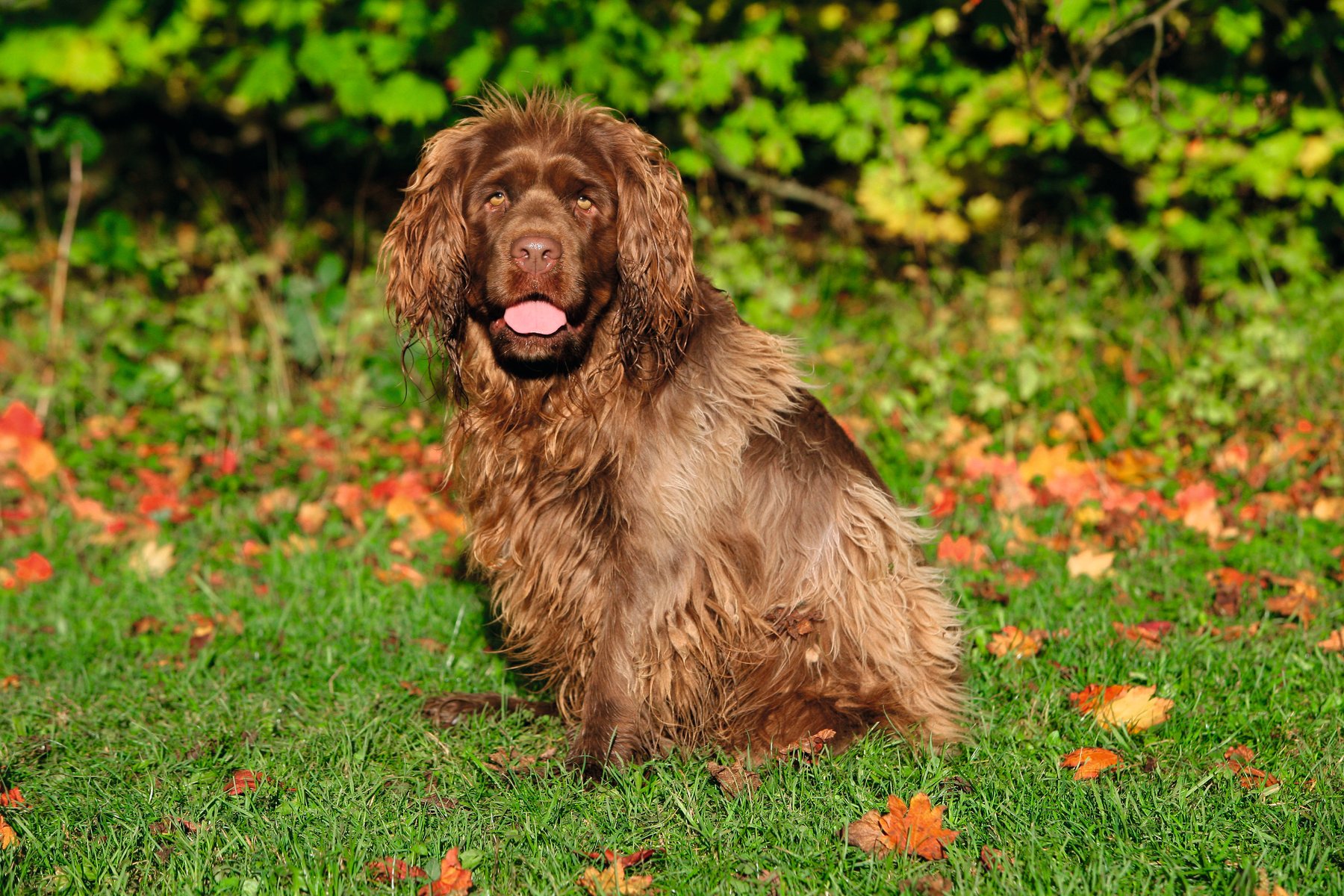

The Royal Kennel Club (RKC) and the University of Edinburgh’s Roslin Institute will analyse DNA from around 125 to 150 Sussex spaniels, as much of the breed’s accessible living registered population as the scientists can reach. The project, announced on 24 August with the Sussex Spaniel Association, will set the results against the RKC’s pedigree records to build an evidence-based breeding strategy for a breed that registered 15 puppies last year.
Why does the Sussex spaniel need a rescue plan?
The Sussex spaniel is one of the vulnerable native breeds, the group of British and Irish breeds registering 300 or fewer puppies a year with the RKC. Its position is starker than most: 15 puppies were registered in 2025, down from 24 the year before.
Ann Moon, chair of the Sussex Spaniel Association, said: “The project is fantastic news for the preservation of this historic breed. By joining forces with the Roslin Institute and the RKC, the Sussex Spaniel Association together with the Sussex spaniel community, are taking a critical step in tackling the genetic and breeding challenges facing the UK’s rarest native gundog.”
How the project will work
Researchers will collect DNA from approximately 125 to 150 dogs, representing as much of the living RKC-registered population as can be reached. The genetic results will be combined with the club’s pedigree records to build a clear picture of the diversity left in the breed, and from that an evidence-based strategy for managing the population and preserving as much genetic diversity as possible for future generations.
The work is funded with £18,000 through the Roslin Institute’s Pump-Priming Scheme, and is intended as a proof of concept that could be extended to other breeds in the same position.
Dr Pau Navarro, project lead scientist at the Roslin Institute, said: “We are pleased to be working with the Royal Kennel Club, with support from breeders and owners, to understand the genetic diversity of this pedigree breed. This will help develop an evidence-based approach to manage a population of healthy dogs. Our insights will also be valuable in supporting rare breeds across many species of animals.”
Charlotte McNamara, chief canine wellbeing and engagement officer at the RKC, said the club was “very pleased to collaborate with the Roslin Institute and the Sussex Spaniel Association on this important project, which aims to help us better understand and protect the genetic diversity of the Sussex spaniel for generations to come”.
What happens next
DNA sampling opens at the Sussex Spaniel Association Championship Show in Coventry on 26 September, where owners can have their dogs sampled on site and meet the scientists involved. A postal sampling option will follow for owners who cannot attend.
“We strongly encourage the Sussex spaniel community to take part in this project,” Ms McNamara said. “In particular, we hope owners will attend the Sussex Spaniel Championship Show, where we will be collecting DNA samples on site and owners will have the opportunity to meet and speak directly with the scientists involved in the project.”
The full announcement is on the Royal Kennel Club’s media centre.
Frequently asked questions
What is a vulnerable native breed?
A British or Irish breed registering 300 or fewer puppies a year with the Royal Kennel Club. The Sussex spaniel sits near the bottom of the list, with 15 registrations in 2025.
How many Sussex spaniels are left?
There is no full census, but the project’s target of 125 to 150 dogs represents as much of the accessible living registered population as the researchers expect to reach.
How can owners take part?
Take a dog to the Sussex Spaniel Association Championship Show in Coventry on 26 September, where samples will be collected on site, or wait for the postal sampling option that will follow.

 Closes 15 JanuaryWorth £129.90Win a pair of tickets to the British Shooting Show 2027Enter nowFree to enter
Related Articles

Moorland Association challenges Rewilding Britain wildfire claims
The association has put six questions to Rewilding Britain over a report claiming rewilding cuts wildfire risk, and used a letter in The Times to demand fuel management joins the agenda
By News Desk | 16 October 2026

Corvid and spring trap review to report by April 2027
The environment department has commissioned a review of the evidence on mole, corvid and approved spring traps in England, as analysis of the trail hunting consultation continues
By News Desk | 16 October 2026
Get the latest news delivered direct to your door
Subscribe to Shooting Times & Country
Discover the ultimate companion for fieldsports enthusiasts with Shooting Times & Country Magazine, the UK’s leading weekly publication that has been at the forefront of shooting culture since 1882. Subscribers gain access to expert tips, comprehensive gear reviews, seasonal advice and a vibrant community of like-minded shooters.
Save on shop price when you subscribe with weekly issues featuring in-depth articles on gundog training, exclusive member offers and access to the digital back issue library. A Shooting Times & Country subscription is more than a magazine, don’t just read about the countryside; immerse yourself in its most authoritative and engaging publication.