The countdown is on for The British Shooting Show – book tickets online today and save on gate price!


Young Shots- January
See January's instalment of Young Shots

Are you next months star?
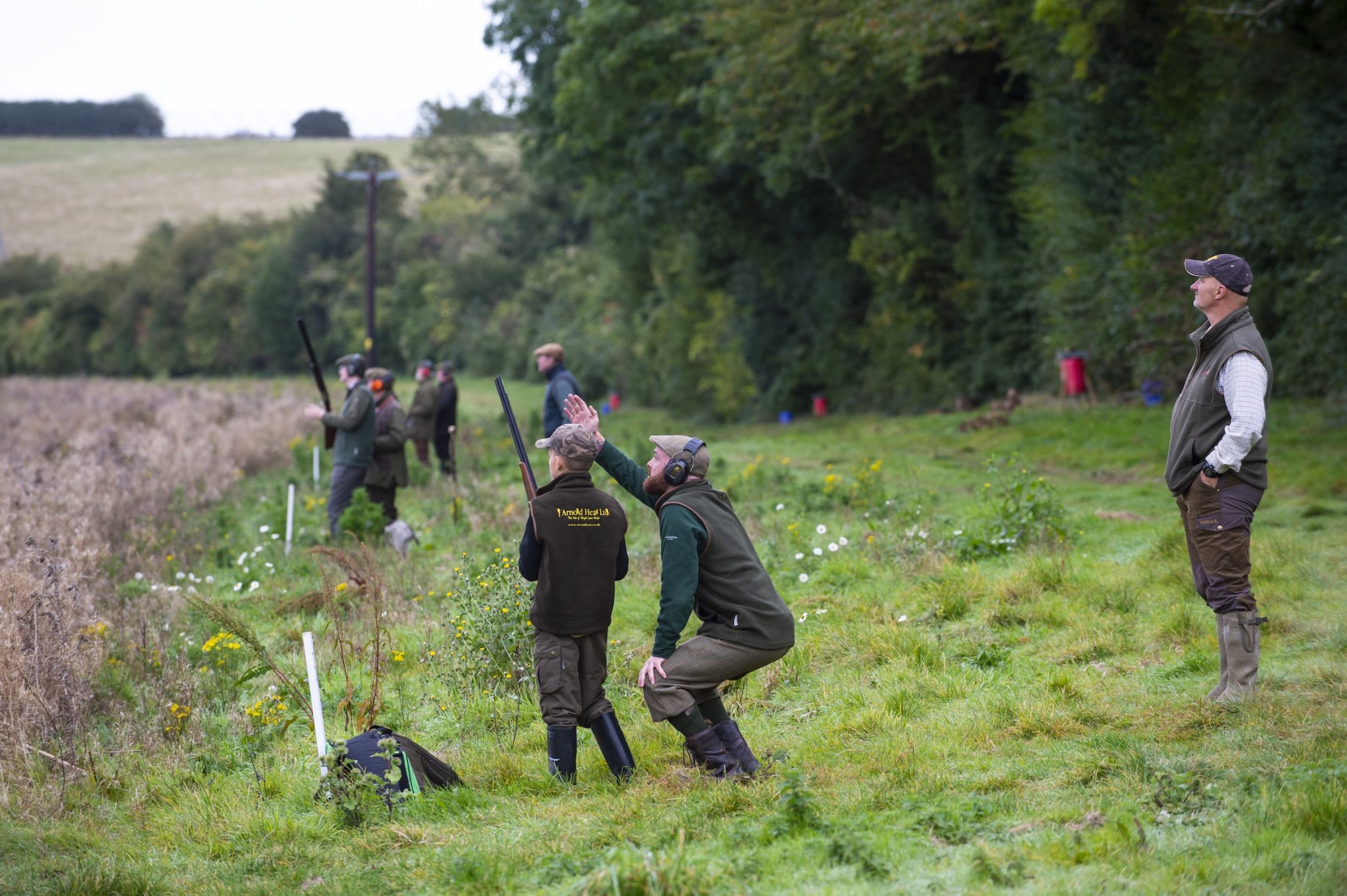
Are you a young Gun, beater or picker-up (or you know one) experiencing the field for the first time this year? We would love to hear all about your adventures and experiences. Perhaps you shot your first bird this season, stalked your first deer or started helping out with the gundogs. Why not get in touch to tell us all about your shoot and how you are getting involved? Send your stories to shootingtimes@twsgroup.com. Some of our favourite letters might even be in with a chance of winning some great prizes!
Aulie Swires
Aulie Swires was the winner of the Gamekeepers’ Welfare Trust Young Gamekeeper of the Year (Senior) Award in 2024. Since he began walking, Aulie has spent time working with his grandfather and uncle on Grinton Moor and has engaged with all aspects of running a grouse moor. His grandmother Ann says gamekeeping is “in his blood” and his family hope that he will become their fourth generation keeper. The GWT’s Helen Benson said Aulie has “developed a keen, practical interest in and understanding of management and conservation in our heather uplands”.

Quarry in question
Pink-footed geese: noisy visitors
Every autumn and winter, the skies over the UK fill with loud honking calls as thousands of pink-footed geese arrive from the far north. These strong-flying birds travel huge distances and are one of Britain’s most exciting visitors – just remember not to call them pink-feet geese!
What is it: The pink-footed goose (Anser brachyrynchus) is a medium-sized goose, smaller and slimmer than the greylag. It measures around 60cm to 75cm long, with a wingspan of up to 135cm. Its body is mostly grey-brown, with a pale belly, dark head and – as its name suggests – pink legs and feet. It also has a short pink band on its black bill, which helps to tell it apart from similar geese.
Population: Pink-footed geese travel thousands of kilometres each year. They arrive in the UK in September and October and most return north again in April. During winter the UK hosts around 400,000 to 450,000 pink-footed geese, making it one of the most important countries for them in the world. Key areas include Scotland (especially Aberdeenshire), northern England and East Anglia.
How to find: Pink-footed geese prefer open landscapes. In the UK they are often seen on coastal saltmarshes, estuaries and farmland, especially fields with grain or potatoes. They rest and roost near water but often fly inland during the day to feed.
Breeding: The geese breed in the Arctic tundra (in Iceland, Greenland and Svalbard) during the northern summer. The female builds a nest on the ground and lays 4 to 6 eggs, which she keeps warm while the male stands guard. Families stay together throughout the year, even during migration. Parents will defend their young fiercely from predators.
Did you know?
When flying in large skeins, pink-footed geese often form V-shapes, helping them save energy on long journeys!
–

Readers in the field
Joseff Jones
My name is Joseff Jones, aged 11. I have a keen interest in shooting and fieldsports and really enjoy being out and about with my gun. I had a great time with my dad’s syndicate recently, shooting in Hendre Garthmeilo, and it was even better when I actually hit something. I was lucky enough to bring down a wonderful cock pheasant on the third drive. I had been shooting four or five times before, but if I had to choose this was the best day’s shooting I’ve ever had. I can’t wait for next season to come around.

Logan Beyluni
Eleven-year-old Logan is from Connecticut, USA. His family have been clients of Mordor Gundogs for 25 years and his dad’s fourth springer, Islay, is currently being trained. Logan and his dad come over to shoot every year and this time they were after ducks and partridges. Logan also owns Waffle, a golden cocker, and shoots the best part of 50 days a year. He is also best friends with Freddie (right).

Freddie Thorburn
Freddie, the 11-year-old son of gundog trainer Charlie Thorburn, enjoyed a day beating on a walked-up grouse shoot earlier this season. He made sure he had plenty of dogs for the job and ate all the bilberries on the hill – so he clearly takes after his dad.

Welcome to BASC
What Young People Can Expect from BASC in 2026
If you’re a young person who’s curious about shooting, the countryside or conservation, 2026 is shaping up to be an exciting year to get involved with BASC. For more than 20 years, BASC has been leading the way in youth engagement, starting with one of the UK’s very first dedicated Young Shots programmes. That programme has helped thousands of young people learn new skills, build confidence and understand the countryside better – and it’s only getting stronger.
Getting young people involved isn’t something BASC takes lightly. It’s essential for the future of shooting and conservation. That’s why BASC runs Young Shots events across the country, giving beginners and more experienced youngsters the chance to learn safely, make friends and try something new. So if you care about the countryside and want to be part of its future, BASC is a great place to start.
Curtis Mossop, BASC head of education and outreach
How to…

The science inside a shotgun cartridge
There are five parts to a shotgun cartridge: a plastic (sometimes paper) case, a primer, propellant, a wad and the all-important shot.
Crimping: A crimp closure holds the shot, wad and powder in place inside the cartridge. Crimp closure offers better patterns than the more old-fashioned rolled turnover (RTO) option and manages the pressure and velocity of the cartridge. You will usually see a six-star crimp closure – but you might also see the rarer eight-star crimp used for high-performance competition shells.
Wads: A shotgun cartridge wad is made from plastic – or more commonly these days fibre, which can biodegrade. Fibre wads often create more felt recoil because they are loaded at slightly higher pressures. The wad’s main functions are to seal gas behind the powder for efficient propulsion, hold the shot together as it travels down the barrel, and cushion the pellets
to prevent deformation.
Primer: The primer plays one of the biggest parts in putting a load of pellets into action. Different primers burn with different “hotness” and if matched with the wrong powder the cartridge could give a strong kick or just fade and falter. Hot primers with fast ignitions are best for clay shooting and slower-burning primers are preferred for game shooting and wildfowling.
Propellants: The propellants used in a cartridge dictate its performance. Different powders are used to generate the different speeds and pressures that are appropriate to the quarry being shot and for use in guns proofed to fire them safely.
Shot: The actual shot in a shotgun cartridge always used to be made of lead, with a small amount of antimony to make it harder. With lead shot now being phased out, the most common metal being used in lead-free cartridges is steel, with an alternative being bismuth. The size of the shot is denoted by a number, with a lower number indicating larger pellets. Some pellets are coated in nickel or copper, which prevents them sticking together (balling) to give more even patterns.
You will find the shot load weight printed on each cartridge in grams.
For a given shot size, the heavier the load, the more pellets the cartridge holds. However, this does not mean you have more power or a greater chance of hitting your target. In fact, heavier game loads tend to use slower-burning powders that generate lower muzzle and down-range speeds.
How does a cartridge actually work? When the primer is struck it detonates, creating a flash of flame and heat that ignites the propellant just above it. The burning propellant quickly create a large volume of gas, which creates pressure behind the wad and pushes it and the shot along the barrel. As the shot is pushed out from the muzzle it spreads out and flies towards your target.

Cookery corner
Melting Pulled Mallard Pizza
Ingredients
- 2 mallard legs
- 500ml vegetable oil
- 1 bag rocket
- 25g sriracha sauce
- 100g mayonnaise
- 1 stone-baked margarita pizza
Step by step
- Prepare the toppings. Dry the mallard legs with kitchen cloth, place them in a deep tray and cover with vegetable oil. Then slow-roast the legs for three hours in
a 140cC oven. - Once the meat is soft, remove them from the oil and leave to cool. Once cool enough to handle, gently shred the meat from the bone.
- Next, evenly top the stone-baked pizza with the pulled mallard and return to a preheated 200cC over for 10 minutes (the same applies for homemade or premade pizzas) until the cheese starts to brown. Remove from the over, slice and serve with a few handfuls of rocket on top.
- While the pizza cooks, make the sriracha mayo. Simply mix the sriracha and mayo with a fork. You can then spoon it on to the cooked pizza or serve it in a side dish for dipping.

Gundog guidance
These simple training steps will help you feel confident, build trust with your dog and set the right foundations for success in the field
Loose lead walking and heel work
Begin with calm walking Put your dog on a short lead and wait for them to look at you. Mark with “good” or “yes” and reward. Take one step forward. If they stay beside your leg, reward again. Keep sessions short so that they learn that being close to you is the right place to be.
If your dog pulls ahead, stop! Wait for them to turn back, then reward and set off again. You are teaching the dog that pulling gets them nowhere, while steady walking earns them praise.
Next, try a few steps of heelwork off the lead in a safe space. Say “heel, walk forward,” and reward as soon as they stay by your side. Build this slowly, change direction and speed often, and keep it fun.
Finish with calm stops Walk forward, ask for sit beside you, reward, then release with your chosen cue. This helps your dog learn
to pause and focus even when excited.
Jennifer Thomas, JT Dog Training and Muntjac Trading ambassador
Related Articles

Take part
Welcome to BASC
Learn about wildlife, habitats and tracking signs as you become a countryside detective.
By Shooting Times

Get the latest news delivered direct to your door
Subscribe to Shooting Times & Country
Discover the ultimate companion for field sports enthusiasts with Shooting Times & Country Magazine, the UK’s leading weekly publication that has been at the forefront of shooting culture since 1882. Subscribers gain access to expert tips, comprehensive gear reviews, seasonal advice and a vibrant community of like-minded shooters.
Save on shop price when you subscribe with weekly issues featuring in-depth articles on gundog training, exclusive member offers and access to the digital back issue library. A Shooting Times & Country subscription is more than a magazine, don’t just read about the countryside; immerse yourself in its most authoritative and engaging publication.