★ Win a pair of Brandecosse Capriolo boots worth £219! Click here to enter ★
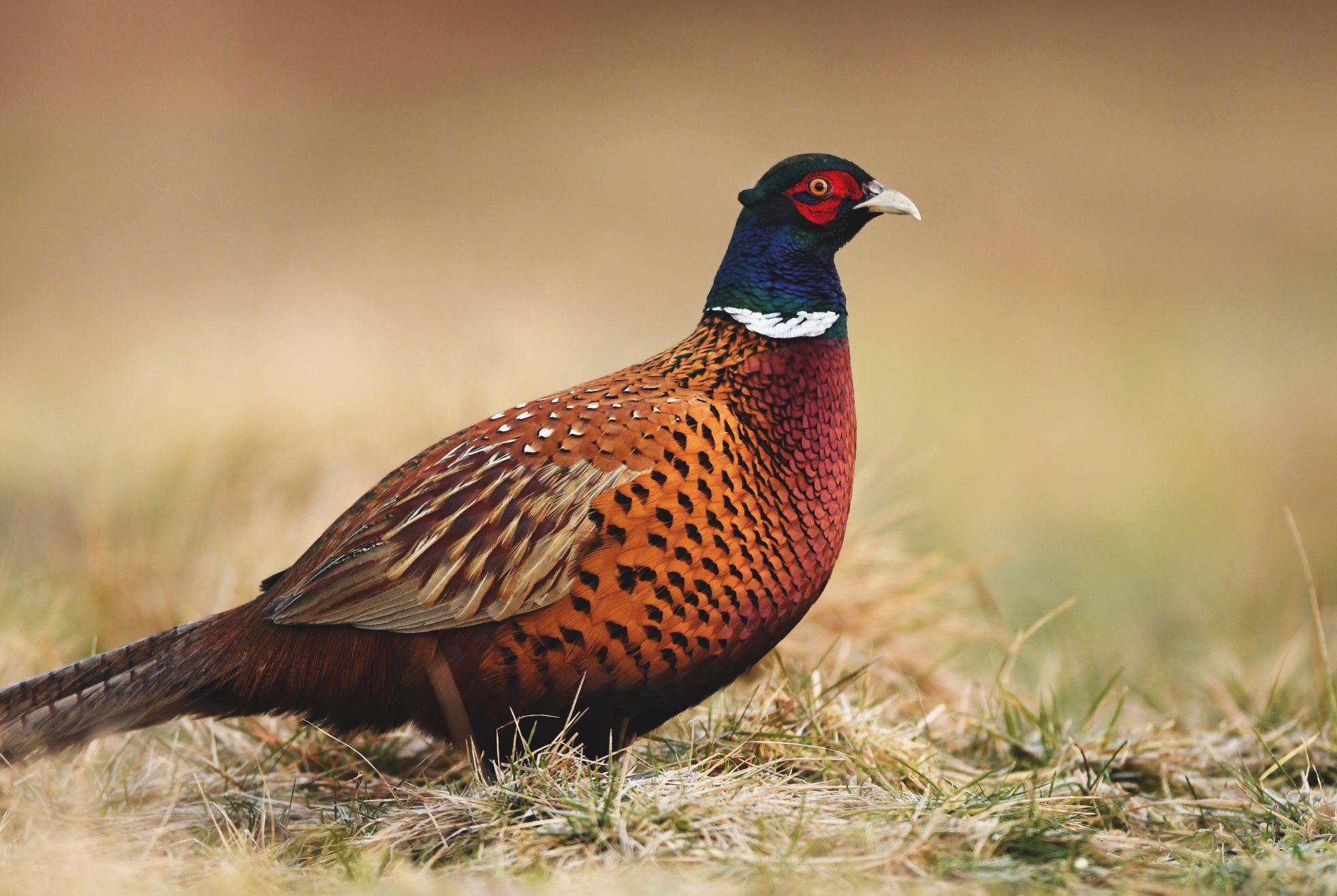
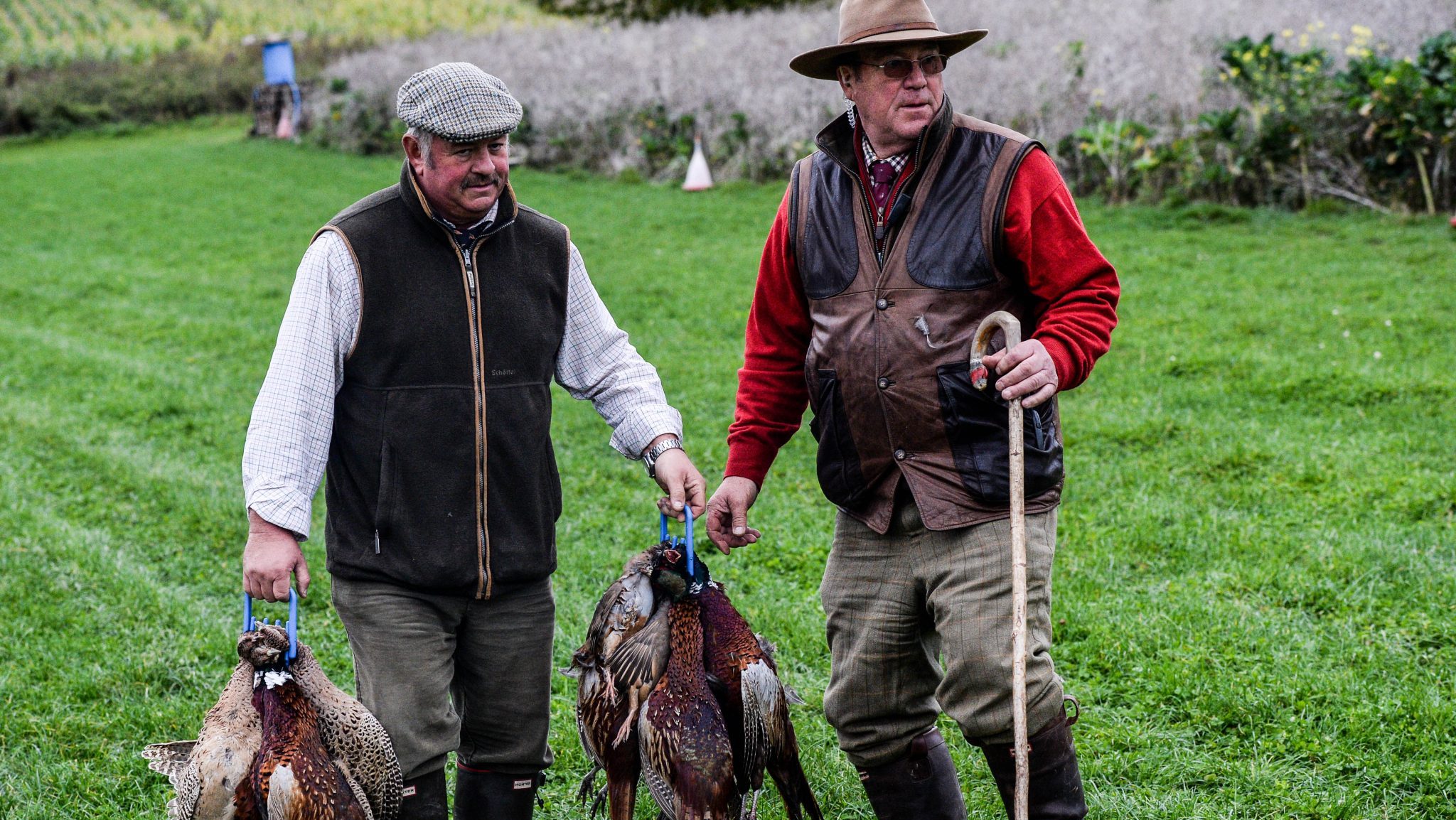

Four steps to shooting partridges like a pro
 Brian Chapman
Usd 14 Nov 18 shoot rep
Usd 9 sept 20 how to shoot partridges
Brian Chapman
Usd 14 Nov 18 shoot rep
Usd 9 sept 20 how to shoot partridges

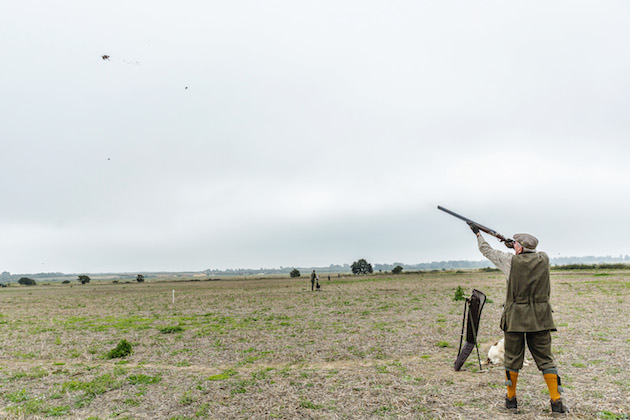
Good partridge shooting is about giving yourself as much time as possible. When you watch a professional athlete performing at the peak of their powers, people often comment about how much time they seem to have compared with others. What you are noticing is the extra fractions of a second they make for themselves. They find this extra time through good preparation, both mentally and technically. You can find it too through some simple adjustments.
Four partridge shooting tips
1. Ahead of the day
Get the gun out and practise with it. Try to find a flat, fast, driven clay target, ideally with some curl. This will allow you to practise shooting on the inside wing of the curl (imaginary in this case). It will help to prepare you for shooting classically presented partridges that have been driven across the wind to make them climb and curl.
In between trips to the shooting ground, dry mounting — to deepen the neural pathways that govern the
speed and accuracy of your movement and to strengthen the muscles — is free and available in your living room.
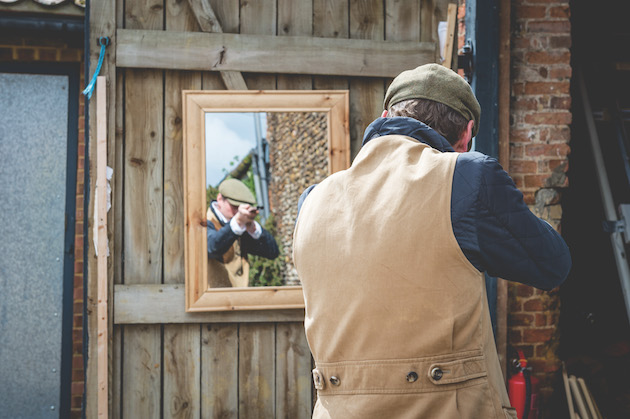
Dry mounting in the mirror is useful practice
2. The day before
This may sound laughably simple, but pack the car the night before with everything you will need except dog, gun and cartridges. You can arrive at the shoot relaxed and eagerly anticipating a wonderful day or you can arrive in a muddle. Option two means you arrive flustered, unprepared and full of tension. Tension is the enemy of a good gun swing. Getting organised avoids unnecessary tension.
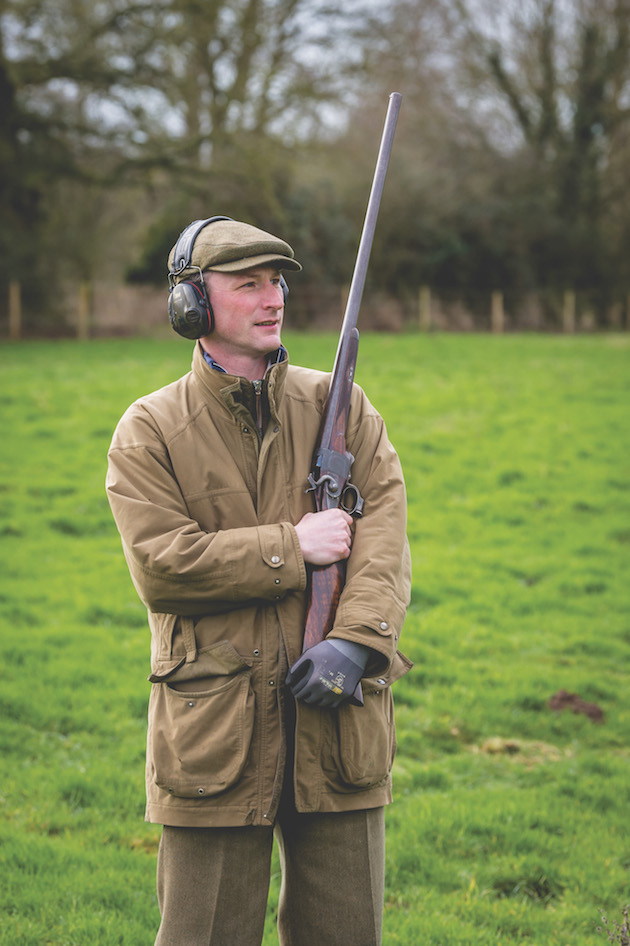
Simon Reinhold’s gun hold is safe and smooth, allowing him to react to birds in under a second
3. On the day
If you have done all the above, you have every reason to go in with confidence. Confidence is a mental construct that you can improve with one very simple realisation: everybody misses. You are not immune and neither is anyone else. You must be OK with this fact – another one of my partridge shooting tips to remember. Once you accept that missing is a part of game shooting, your tension reduces and your natural swing and cerebral processing power can come to the fore to pull off this incredibly complicated biomechanical action.
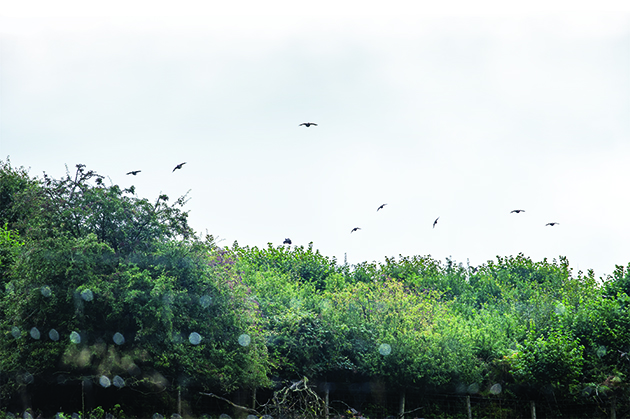
Accept that missing is a part of game shooting
When you get to your peg, assess where the other players are in the landscape — fellow Guns, pickers-up and flankers. Judge the wind and what it might mean for the flight path of the bird. Increasing your situational awareness does two things. First, it gives your mind something to focus on rather than negative thoughts. Secondly, it will aid you in good decision-making under pressure. Only when you are sure that the shot will be a safe one can you commit totally to it.
Now work from the ground up. It is not always possible to have even ground beneath your feet but it helps, so smooth the ground out with your feet in a small turning circle. Your gun swing should be grounded in good footwork. This allows your legs and backside to begin to power the core of your trunk for a crosser and, to a lesser extent, a quartering bird. Move both feet to allow yourself to unwind into a crossing shot. Where the shot is taken, your body should not be cramping for room as you come to the end of your natural turn. Your arms are there to keep you on line, the core of your abdomen should be powering the shot.
Your gun hold at this early point matters. As a right-handed Shot, I like to have my gun held up the left side of my body, my right hand on the grip and my left hand under the butt, or with my arms folded across my chest and my left hand under my armpit.
This promotes several beneficial factors. It is a very comfortable way to hold the weight of the gun — more important if you are an over-and-under shooter — with little muscular effort and fatigue. Also, I do not have to bring the gun up through the line of beaters when the birds appear.
My left pectoral muscle and shoulder both flex and push the barrels forward into my waiting left hand. At the same time, the stock is brought under control under my right armpit for the left hand then to have to push forward to raise the gun. This means the barrels do not seesaw below the line of the bird and I can pick it up sooner. All this happens in under a second. This is safe, comfortable and smooth, and smooth is fast and accurate.
We are looking to take a successful early shot at a straight driven bird at around 10 o’clock to give us a good chance at a right-and-left. For a straight driven bird, the angle of incidence to the line of flight of the bird is at its widest with the bird clearly in view, therefore less visual lead is required. You can blot it out with a moving gun, squeeze the trigger and get on to the next one. Our gun hold promotes this but so does our fieldcraft.
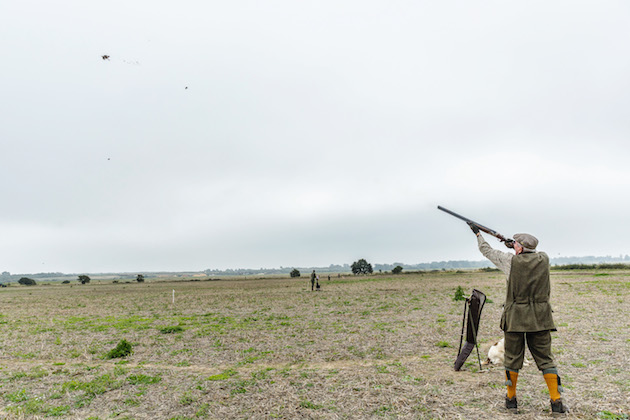
The gun swing should be grounded in good footwork when partridge shooting
If you widen your focus to almost panoramic vision, your peripheral vision comes into play and picks up movement far more effectively than hard focus. Though you need a more narrow, refined focus to see a clear shot when the bird breaks, it is tiring to focus hard for 30 minutes at a time and this promotes tension. This is not what we want. All your senses should be heightened in part by your preparation, to give you early signs of a potential shot. Read the signals coming from the beating line. If the flagmen are waving, it’s time to switch on and get your gun hold ready. This is how the best Shots buy time, by reading early signs and anticipating. It’s one of the key partridge shooting tips.
4. Good shots can count
You should know how many birds you have down at the end of the drive and communicate the information to the picking-up team. If the worst happens and you wound one and don’t kill it with the second barrel, this must become your sole visual focus until you have marked it down.
If you have any desire to be a good partridge Shot you must know the difference between an English partridge and a Frenchman. If necessary, use YouTube videos to learn the different calls and wing shapes of the two species in flight.
Good early decision-making based on sound judgement is the key to good shooting when the birds are designed to beat you with speed and not height alone. Dismissed by those who know no better, traditional partridge shooting 22 yards behind a good hedge is a challenge that demands a sound technique and the right attitude to do it well. I hope these partridge shooting tips make all the difference.
Related Articles
Shooting
Drey poking kit guide: essential equipment for grey squirrel control
Invasive grey squirrels do a great deal of damage to our trees and their numbers need controlling, so you must have the right kit
By Shooting Times
Get the latest news delivered direct to your door
Subscribe to Shooting Times & Country
Discover the ultimate companion for fieldsports enthusiasts with Shooting Times & Country Magazine, the UK’s leading weekly publication that has been at the forefront of shooting culture since 1882. Subscribers gain access to expert tips, comprehensive gear reviews, seasonal advice and a vibrant community of like-minded shooters.
Save on shop price when you subscribe with weekly issues featuring in-depth articles on gundog training, exclusive member offers and access to the digital back issue library. A Shooting Times & Country subscription is more than a magazine, don’t just read about the countryside; immerse yourself in its most authoritative and engaging publication.