★ Win a pair of Brandecosse Capriolo boots worth £219! Click here to enter ★

BASC asks shooters to record game cover crop wildlife
BASC is urging shoots to start logging the birds, insects and mammals their game cover crops support, arguing the evidence could prove vital as the Government weighs shooting's role in nature recovery
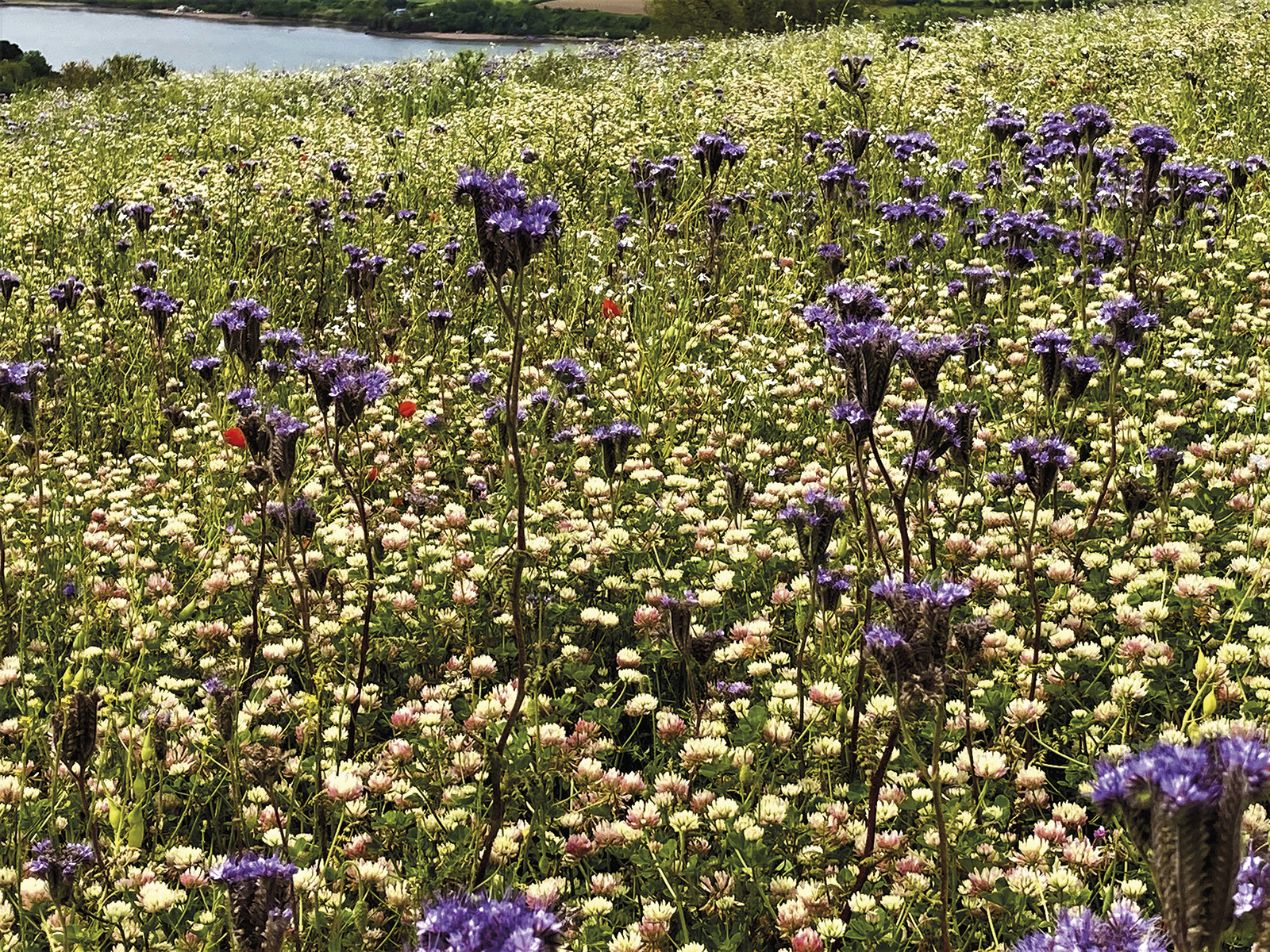

BASC is asking shooters to start recording the wildlife their game cover crops support, arguing that hard evidence of the birds, insects and mammals using those habitats could prove valuable as the Government weighs the part shooting plays in nature recovery. Most shoots note which crops went in and where, the association says, but few log the wildlife that benefits.
Why does recording cover crop wildlife matter?
Shooting is responsible for an estimated 25,000 hectares of cover crops a year, much of it holding far more than gamebirds. BASC’s head of biodiversity, Ian Danby, says capturing what those habitats support is a missed opportunity for most shoots.
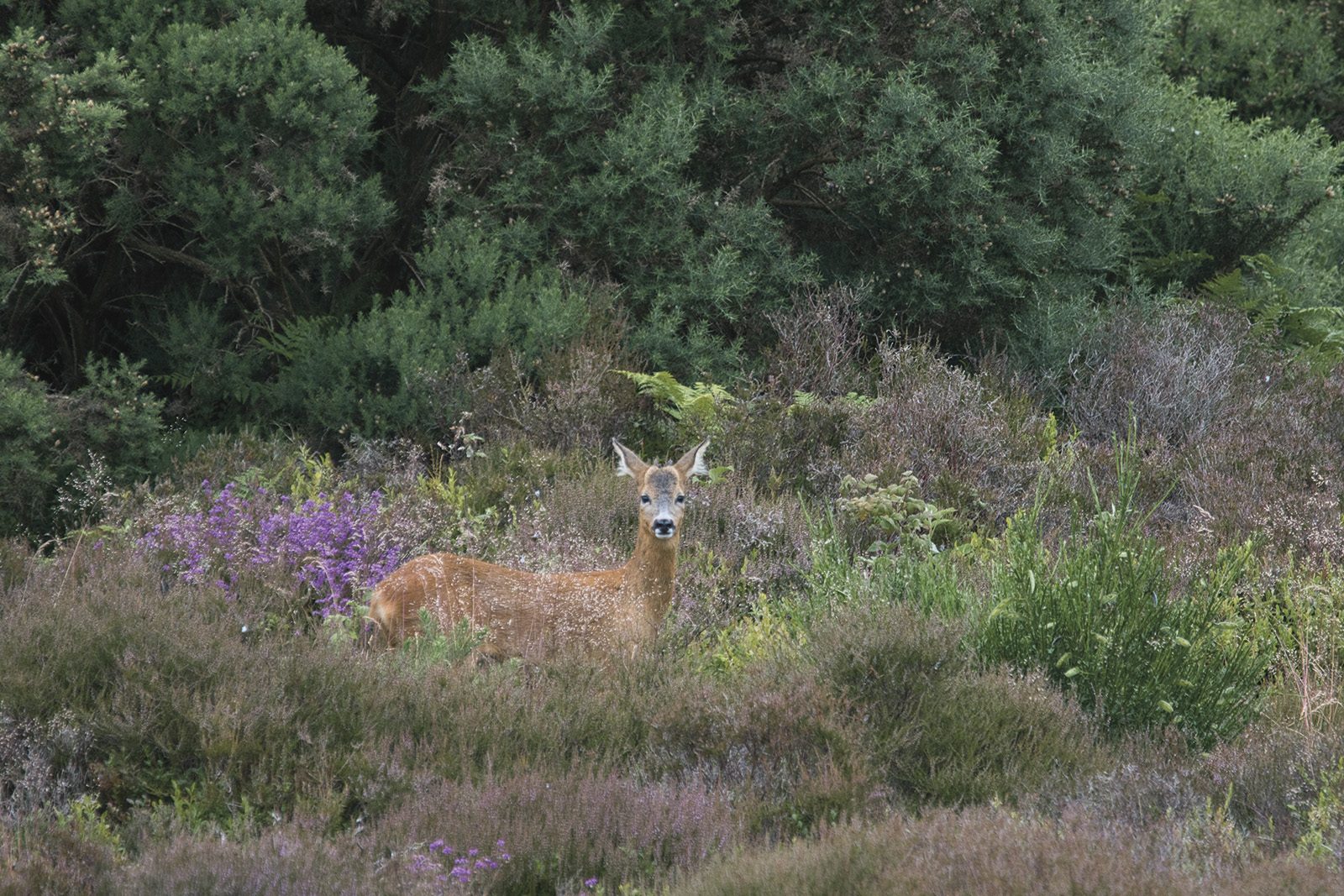
Much of that cover is left standing through the colder months, when little other feed or shelter remains in the wider countryside, and it draws in farmland birds, pollinators and small mammals as well as pheasants and partridges. Without records, BASC argues, that contribution goes uncounted.
The call comes at a sensitive moment, with a Government review of quarry species under way and possible reviews of gamebird shooting and releasing expected to follow. Credible, shoot-level data, BASC argues, is what will stand up shooting’s conservation value to decision-makers and the wider public.
How can shoots gather the evidence?
Gathering it costs little beyond time, Danby says. Affordable trail cameras give a reliable picture of the mammals using an area, while sweep netting captures the insect life that feeds chicks and fledglings through spring and summer.
With no national standard for sweep netting, consistency is what counts. His method is to walk roughly 20 metres of cover in a W-shape, touching the edges and the centre, for two to three minutes, then record what the net holds, repeating it the same way each time so samples can be compared between sites and from year to year.
The point, Danby says, is what shoots then do with the figures: a few seasons of consistent records turn a general claim about wildlife into evidence a shoot can show to a neighbour, a landlord or a decision-maker.
What is the Four Seasons campaign?
The Four Seasons campaign sets out to capture the conservation work the shooting community carries out across the year, season by season, and to gather the evidence behind it. Game cover crops are one strand: sown in spring for birds released in summer, they go on to feed and shelter wildlife well beyond the shooting season.
BASC wants members’ records and case studies to build a credible, national picture it can put to ministers and the public, arguing that shoots able to show what their habitats support will be in a far stronger position than those relying on assertion alone.
What happens next
BASC wants members to feed their records and case studies into its Four Seasons campaign, which is building evidence of shooting’s year-round conservation value. Shoots can share their data and find guidance at basc.org.uk/four-seasons/game-cover-crops/.
Related Articles
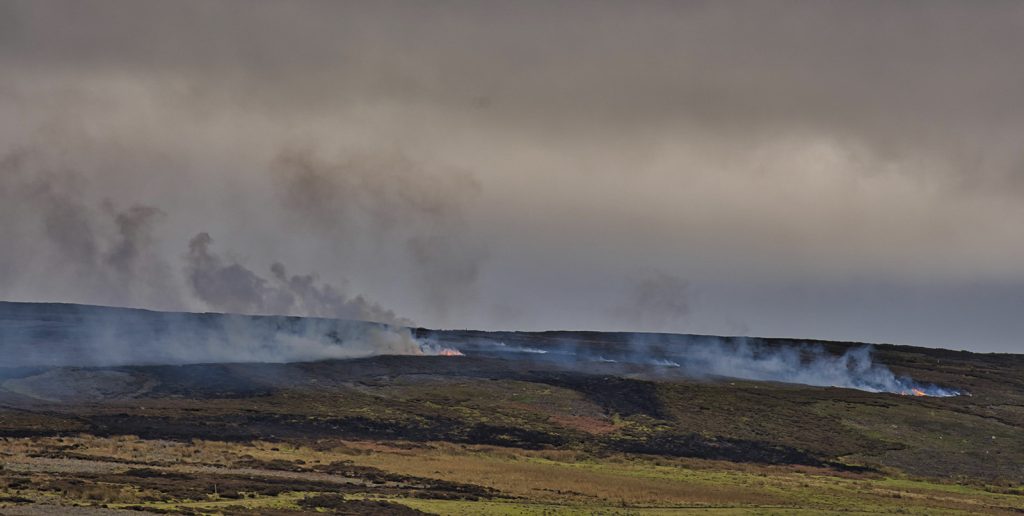
Gamekeepers refuse to endorse Scotland's new muirburn code
Scotland's gamekeepers say they will not endorse the revised Muirburn Code when NatureScot publishes it on 1 July, warning that it strips out the tools they rely on to fight wildfire and puts public s...
By News Desk
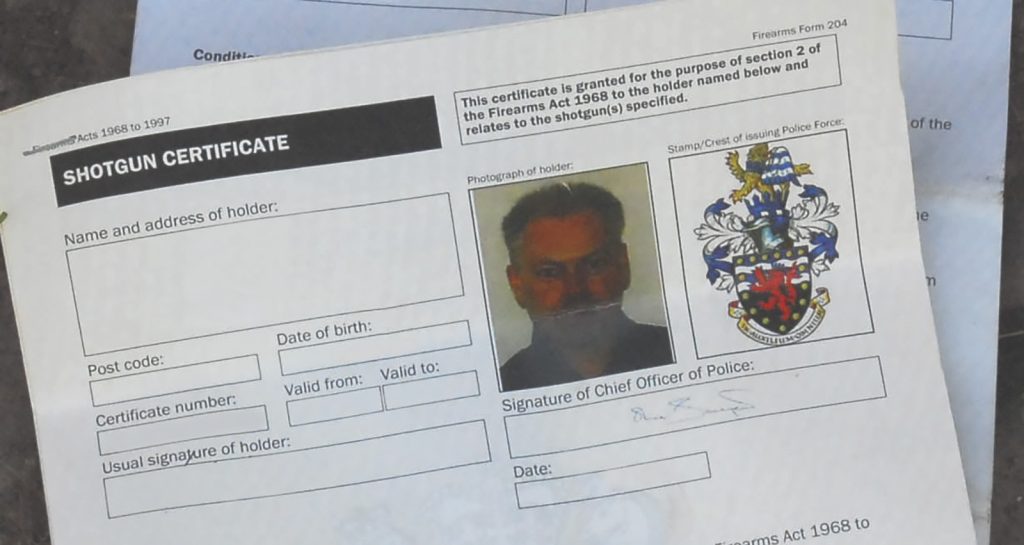
Firearm and shotgun certificates fall to lowest levels in years
Firearm and shotgun certificate numbers in England and Wales have fallen again, with BASC saying the latest Home Office figures strengthen its case for a single national firearms licensing authority t...
By News Desk
Get the latest news delivered direct to your door
Subscribe to Shooting Times & Country
Discover the ultimate companion for fieldsports enthusiasts with Shooting Times & Country Magazine, the UK’s leading weekly publication that has been at the forefront of shooting culture since 1882. Subscribers gain access to expert tips, comprehensive gear reviews, seasonal advice and a vibrant community of like-minded shooters.
Save on shop price when you subscribe with weekly issues featuring in-depth articles on gundog training, exclusive member offers and access to the digital back issue library. A Shooting Times & Country subscription is more than a magazine, don’t just read about the countryside; immerse yourself in its most authoritative and engaging publication.