★ Win four pegs on a Kent simulated game day with JBD Sporting worth £1,000! Click to enter ★

MP sees how a Welsh shoot funds curlew conservation
BASC Wales has shown a local MP how a lowland partridge shoot is paying for the upland habitat work behind a rise in breeding curlew in mid Wales. David Chadwick, MP for Brecon, Radnor and Cwm Tawe, visited the estate to see how income from sustainable shooting funds predator control, heather management and habitat restoration for one of the UK’s most threatened birds.
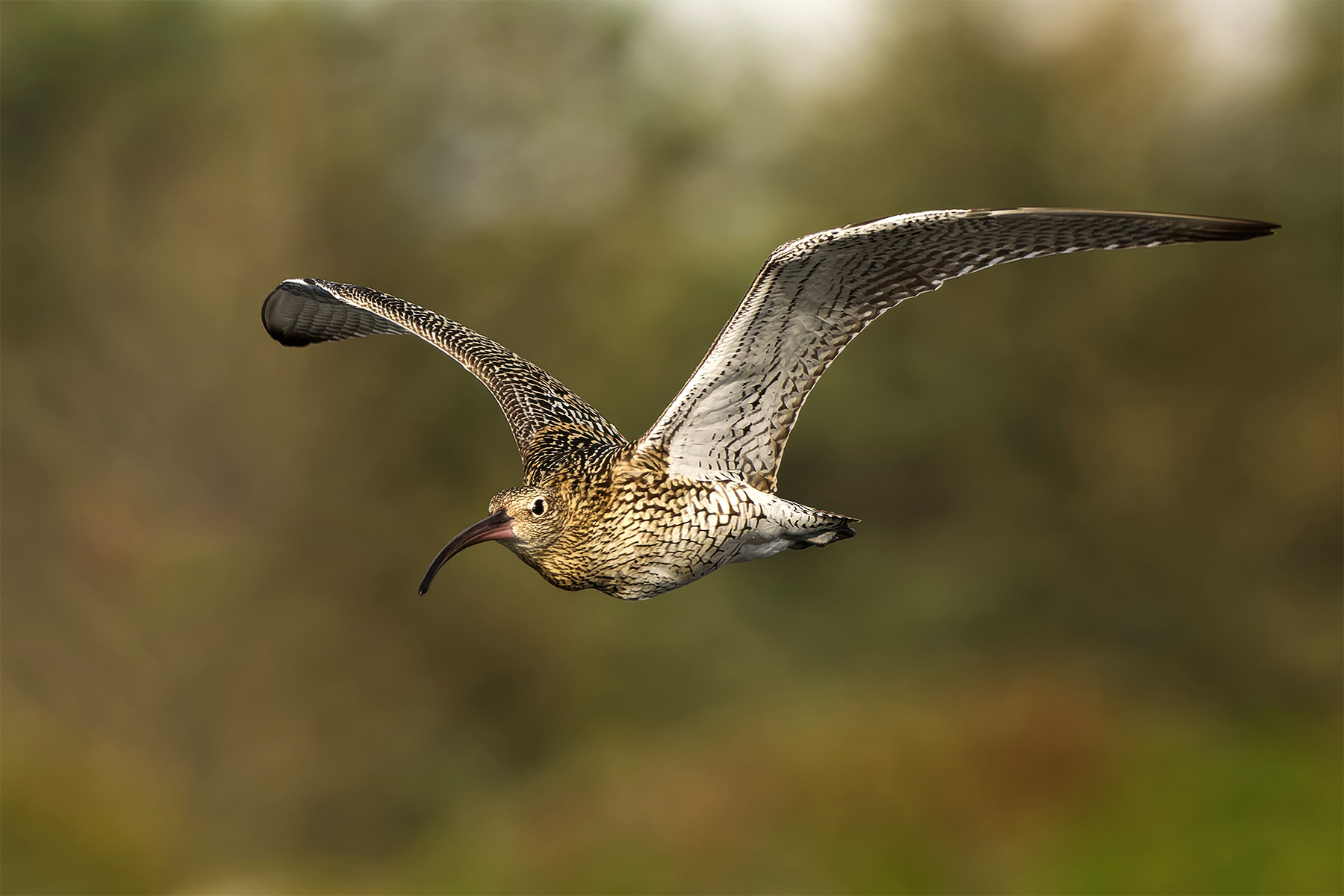

BASC Wales has shown a local MP how a lowland partridge shoot is paying for the upland habitat work behind a rise in breeding curlew in mid Wales. David Chadwick, MP for Brecon, Radnor and Cwm Tawe, visited the estate to see how income from sustainable shooting funds predator control, heather management and habitat restoration for one of the UK’s most threatened birds.
How does the shoot fund curlew conservation?
The estate runs a lowland partridge shoot, and BASC Wales said the income it generates helps fund extensive upland management across the wider ground. The work is carried out in partnership with the local farming community and has helped lift breeding curlew to double-figure numbers of nests across the estate.
The curlew is on the UK red list of birds of conservation concern and is regarded as one of the country’s most threatened breeding birds, so any sustained local increase in nesting is significant. Much of the estate is upland habitat, where year-round management aims to create the conditions wading birds and other wildlife need to thrive.
What conservation work did the MP see?
During the visit, BASC Wales engagement manager David Boden set out how sustainable shooting supports a range of conservation activities, including predator management and controlled burning. BASC said these measures contribute to healthier upland landscapes while supporting species recovery.
The team also discussed the wider benefits of well-managed heather moorland, which stores carbon, supports a diverse range of birds, invertebrates and plants, and helps conserve globally rare habitat. Areas of regenerating heather can also provide wildlife corridors and nesting cover for a variety of species.
David Boden said: “The visit provided an excellent opportunity to demonstrate the tangible conservation benefits that can be delivered when land managers, farmers and the shooting community work together.
“This estate is a fantastic example of how sustainable shooting can help fund habitat management and species recovery projects that produce measurable results. The increase in curlew nesting activity is a testament to the dedication of those involved and highlights the importance of maintaining the tools and management practices that support conservation success.”
Mr Chadwick thanked BASC Wales and those involved for the chance to see the conservation work and to discuss the issues affecting the management of Welsh upland landscapes.
Why do the Welsh uplands matter for shooting?
The visit comes as the shooting community in Wales presses its case with politicians over the management tools used in the uplands. The use of snares has already been illegal in Wales since October 2023 under the Agriculture (Wales) Act 2023, and BASC has urged the Welsh Government to base any further changes to countryside management on scientific evidence, arguing that effective, legal predator control underpins the recovery of ground-nesting birds such as curlew.
Engaging constituency MPs directly allows the sector to show, on the ground, how shooting revenue is reinvested in habitat work that benefits wider biodiversity, rather than leaving the case to be made only in committee rooms.
What happens next
BASC Wales said it would continue to work with MPs and the farming community to support upland management. With the curlew breeding season under way, nest monitoring across the estate will continue through the summer, adding to the evidence on whether the management is sustaining the local recovery.
Frequently Asked Questions
Why is the curlew under threat?
The curlew is on the UK red list of birds of conservation concern. Long-term declines have been driven by habitat loss and high predation of eggs and chicks, which is why well-managed upland habitat and predator control matter for breeding success.
How does shooting help curlew numbers?
On this estate, income from a lowland partridge shoot funds predator management, heather management and habitat restoration across upland ground. BASC Wales says that work has helped lift breeding curlew to double-figure nest numbers.
Are snares legal in Wales?
No. The use of snares and other cable restraints has been illegal in Wales since 17 October 2023 under the Agriculture (Wales) Act 2023, making Wales the first UK nation to introduce a complete ban. Other legal methods of predator control remain available.
Related Articles

Hen harrier numbers rose most on brood management grouse moors
Natural England says hen harrier numbers rose fastest on the grouse moors that took part in its six-year brood management trial, but insists illegal killing remains the real block on the bird's recove...
By News Desk

Curlew recovery in Wales wins £1m funding boost
Welsh Government money will extend landscape-scale curlew work in Bannau Brycheiniog for three more years, building on a project delivered with the GWCT
By News Desk
Get the latest news delivered direct to your door
Subscribe to Shooting Times & Country
Discover the ultimate companion for fieldsports enthusiasts with Shooting Times & Country Magazine, the UK’s leading weekly publication that has been at the forefront of shooting culture since 1882. Subscribers gain access to expert tips, comprehensive gear reviews, seasonal advice and a vibrant community of like-minded shooters.
Save on shop price when you subscribe with weekly issues featuring in-depth articles on gundog training, exclusive member offers and access to the digital back issue library. A Shooting Times & Country subscription is more than a magazine, don’t just read about the countryside; immerse yourself in its most authoritative and engaging publication.