★ Your magazine. Your say. Complete our reader survey with a chance to win Jack Pyke kit worth £500! ★

Sight but not salvation: telescopic sights in 1951
Telescopic sights may magnify the target, but they won't magically transform mediocre marksmen into excellent Shots, warned LR James in 1951

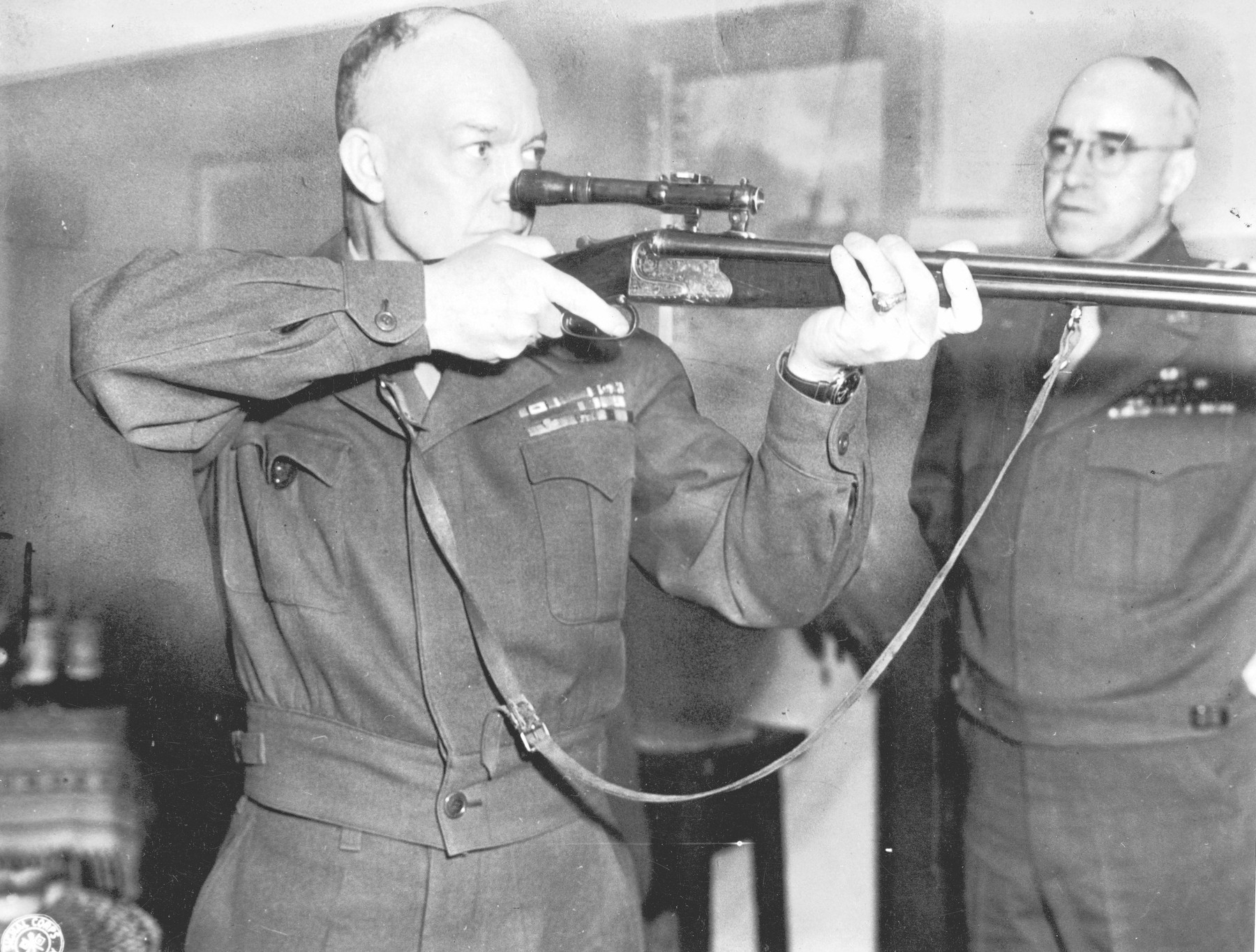
One of the limitations of the human eye is the inability to keep in focus at one time the backsight, the foresight and the target, and the telescopic sight is an instrument to overcome this disadvantage. After the age of 40, the eye loses some flexibility of focusing power and the fitting of a riflescope will often rejuvenate the rifle shooting of those no longer youthful.
It cannot be too strongly stressed, however, that the telescopic sight is only a sight and the fitting of one will not convert a poor rifle into a good one. The beginner is usually wildly enthusiastic after his first glance through a scope, and the size and clearness of the target make him wonder how he can ever again miss. But his first shot soon disillusions him and shows only too clearly the wobble that is not so apparent when you are using open sights.
How a telescopic sight works
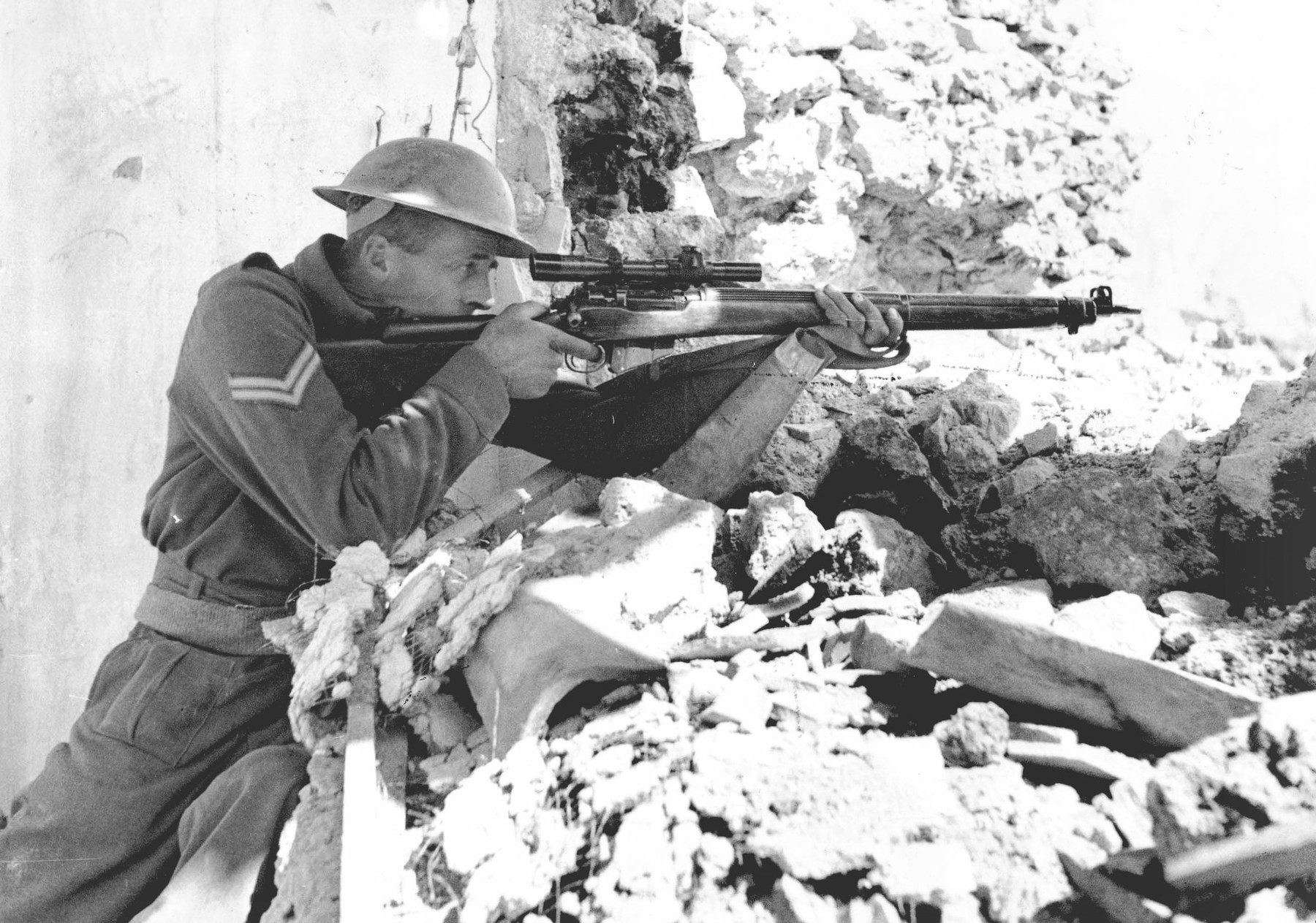
A telescopic sight is a simple telescope with an extra lens to bring the image the right way up, fitted with cross-wires that, by optical magic, appear to coincide with the target. The eye is centred automatically and focusing is similarly taken care of by optical means. When properly adjusted for range, the bullet should strike the point covered by the cross-wires.
The power of a telescope is a function of its length and it is possible to obtain a scope that magnifies 20 times. But one of this power would be about the same length as a normal rifle barrel. However, for ordinary sporting use there is no advantage in going beyond 4x since very high magnification will enormously increase the apparent wobble as well as reducing the field of view.
Light-gathering power beats magnification
Much more important than magnification is the light-gathering power, which is governed by the diameter of the object glass and the quality of the lens.
A good-quality scope will give a fine, clear image, even at dusk, while a poor one will show a dull one coloured like a rainbow. The new “bloomed” lenses will again increase the light’s power. And in addition, enable one to shoot into a bright sunset, without dazzle.
If you’re buying a scope for sporting use on small game and rabbits, choose a short, fat one and 3x or 4x, and avoid any that give rainbow effects. Since telescopic sights are often used on high-power rifles, where the eye might be damaged by recoil, some ‘eye relief’ is usual. This is the distance from eye to eyepiece for maximum efficiency, usually 1½in, and riflemen who like to be close up to the backsight can fit a soft rubber cup.
German glass and the ex-army bargains
Before World War II, the best scopes available were of German manufacture and they still command high prices, but the wartime demands of the services made our optical craft the equal of any. A modern British scope will adorn and enhance the most expensive rifle. Most American scopes are mass produced and are best left attached to the firearms for which they were designed.
There are many excellent German and British ex-army scopes now on sale at what appear to be low prices, but buyers are warned that the fitting to a rifle may cost several times the price asked for the scope. A really good telescopic sight will cost £25 fitted today, and such an instrument deserves a first-class rifle.
What a good scope makes possible
A good telescopic sight will enable a good Shot with a decent .22 rifle to kill almost every sitting rabbit up to 75 yards. Kills can be made at 100 yards and over, but they should only be attempted when the exact range is known, and on windless days.
Educated vermin that seem to know the killing range of a shotgun to a yard can be outwitted and the telescope is invaluable for spotting those half-concealed rabbits that are often overlooked with the unaided eye.
Paper shortages
Make sure of your Shooting Times
We are very glad to be able to say that the demand for the Shooting Times & Country Magazine continues to grow apace. We must advise readers, however, that, because of existing low stocks of paper, and warning of further shortages, they should give a firm order to their newsagents, or risk disappointment.
From the letters page
Piebald blackbird
Sir, – While spending a day at Skegness, my husband and I saw a piebald blackbird at the side of the boating lake. It was speckled with white patches from the top of its head to halfway down its body with the remainder all black. I cannot remember what colour its beak was. It was jumping and hopping among the trees, and appeared fairly tame. Other blackbirds were with it.
Hilda Bonnet, Conisbrough, Yorks
This article was first published in the 25 August 1951 issue of Shooting Times.
Frequently asked questions
Why did the writer recommend no more than 4x magnification?
Because for ordinary sporting use very high magnification enormously increases the apparent wobble and reduces the field of view, while a 20x scope of the day would have been about as long as a rifle barrel. Light-gathering power, from the object glass and lens quality, mattered far more.
What did a telescopic sight cost in 1951?
A really good telescopic sight cost £25 fitted – and buyers of the ex-army German and British scopes then on sale cheaply were warned that fitting one to a rifle could cost several times the price of the scope itself.
Related Articles

Simply coincidental? The country mysteries that cannot be explained
A self-opening door in a keeper's cottage, phantom footsteps on an island at Wadhurst Lake and a "railway carriage in the sky" over Leighton Buzzard convince Fred J Taylor that some country happenings...
By Shooting Times | 3 September 2026

Sport that's a cut above: rabbit shooting in the harvest field
Graham Mikel leaves the day's work for the last acre of oats, where the tractor and binder are crowding the rabbits into a shrinking island of cover. First published in Shooting Times on 23 August 195...
By Shooting Times | 19 August 2026
Get the latest news delivered direct to your door
Subscribe to Shooting Times & Country
Discover the ultimate companion for fieldsports enthusiasts with Shooting Times & Country Magazine, the UK’s leading weekly publication that has been at the forefront of shooting culture since 1882. Subscribers gain access to expert tips, comprehensive gear reviews, seasonal advice and a vibrant community of like-minded shooters.
Save on shop price when you subscribe with weekly issues featuring in-depth articles on gundog training, exclusive member offers and access to the digital back issue library. A Shooting Times & Country subscription is more than a magazine, don’t just read about the countryside; immerse yourself in its most authoritative and engaging publication.