★ Your magazine. Your say. Complete our reader survey with a chance to win Jack Pyke kit worth £500! ★


Pine martens could return across much of Britain, study finds
Keepers and shoot managers from the High Weald to Galloway could be sharing their coverts with the recovering predator, a Europe-wide habitat model suggests


Large areas of Britain could support pine martens again, according to the first habitat-suitability study of its kind, published in the journal Landscape Ecology. For gamekeepers and shoot managers the modelling matters: it identifies substantial suitable habitat across south-east England, the South West, Gloucestershire, East Yorkshire, East Anglia, south-west Scotland and the western coast, well beyond the species’ current strongholds.
What did the pine marten study find?
The research, led by Kent Wildlife Trust, drew on 4,189 pine marten records from across Europe to model habitat suitability at a resolution of 100 metres. The Wildlife Trusts say the species was driven out of most of Britain by habitat loss and persecution, and the new map shows where woodland cover and connectivity could now support it.
Ella Lewis, lead author and nature-based solutions and evidence officer at Kent Wildlife Trust, said: “These new findings present the exciting potential for pine martens to return to their former range in the future, bringing with them habitat benefits such as seed dispersal and helping to balance and boost woodland ecosystems.”
A feasibility project in the South East
The study feeds the Southeast Pine Marten Restoration Project, a partnership of Kent Wildlife Trust, Wildwood Trust, Sussex Wildlife Trust, the Conservators of Ashdown Forest and Forestry England, which is focusing on the High Weald. Any release would follow feasibility work that the partners say will take in local views, and shoots and keepers in the project area will want their experience of managing ground-nesting birds and release pens heard in that process.
Suzanne Kynaston, project co-lead at Wildwood Trust, said: “We are very encouraged to see substantial areas of suitable habitat identified across the region. Our feasibility work will bring together evidence on habitat and connectivity, alongside understanding the views of local communities and stakeholders, to assess whether pine martens can thrive in this landscape.”
What happens next
The feasibility study for the High Weald will assess habitat, connectivity and stakeholder views before any decision on a release. Land managers in the identified regions can read the full findings in Landscape Ecology, and shoots in the South East can expect the project partners to seek local input as the work develops.
Frequently asked questions
Where could pine martens return in Britain?
The study identifies suitable habitat across south-east England, the South West, Gloucestershire, East Yorkshire, East Anglia, south-west Scotland and the western coast.
Are pine martens being released in the South East?
Not yet. The Southeast Pine Marten Restoration Project is at the feasibility stage, assessing habitat, connectivity and the views of local communities and stakeholders in the High Weald before any decision is made.
What does pine marten recovery mean for shoots?
Pine martens are woodland predators, so shoots and keepers in candidate areas have a direct interest in the feasibility work. The project partners say stakeholder views will form part of the assessment.
Related Articles
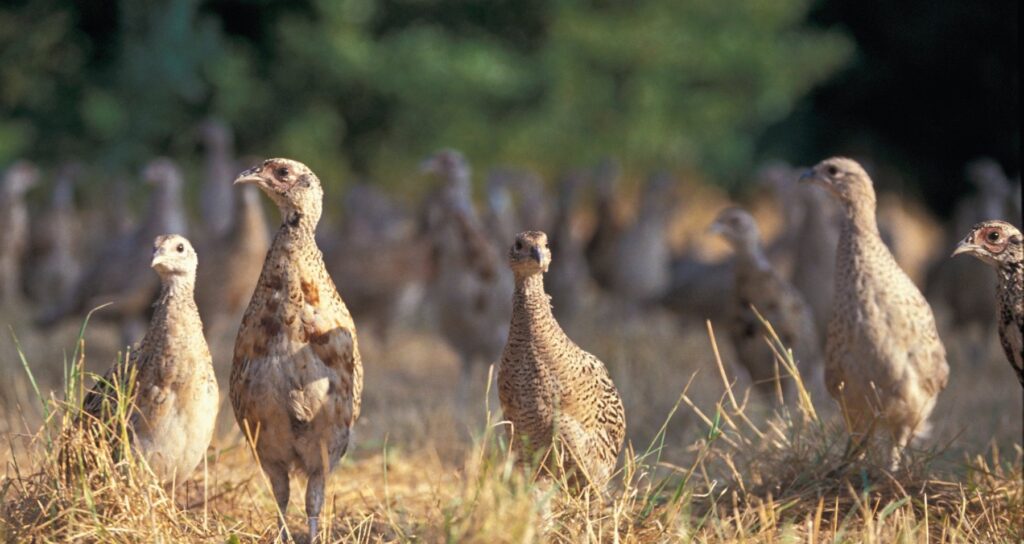
Defra opens call for evidence on gamebird release and shooting
Defra’s two-month evidence-gathering exercise on gamebird rearing, release and shooting in England opens today, and BASC is already calling it a fight for the future of shooting
By News Desk | 4 September 2026
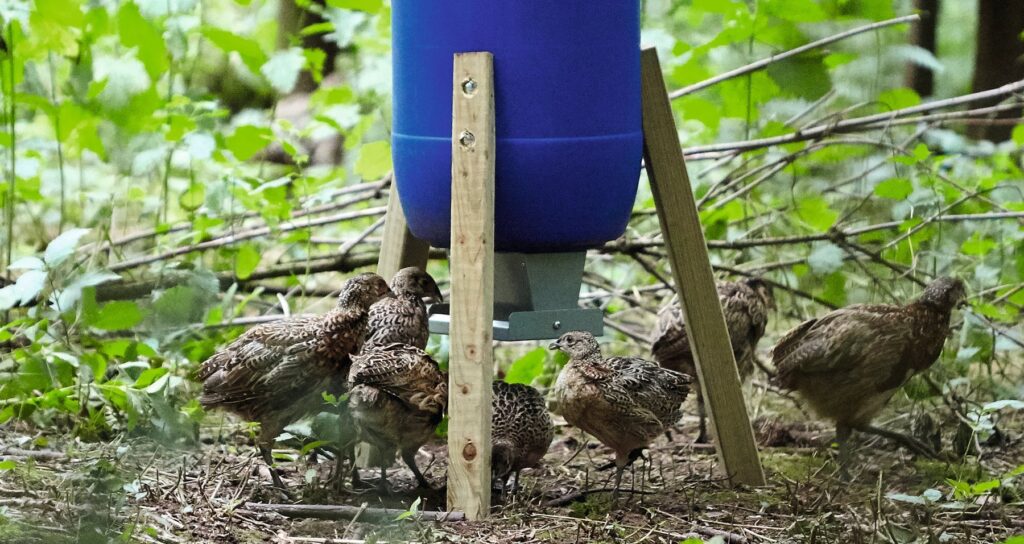
Natural England refused permission to appeal gamebird ruling
The July judgment that Natural England acted unlawfully over gamebird release licensing now takes effect immediately, after Mr Justice Ritchie refused the regulator leave to appeal and awarded BASC it...
By News Desk | 4 September 2026
Get the latest news delivered direct to your door
Subscribe to Shooting Times & Country
Discover the ultimate companion for fieldsports enthusiasts with Shooting Times & Country Magazine, the UK’s leading weekly publication that has been at the forefront of shooting culture since 1882. Subscribers gain access to expert tips, comprehensive gear reviews, seasonal advice and a vibrant community of like-minded shooters.
Save on shop price when you subscribe with weekly issues featuring in-depth articles on gundog training, exclusive member offers and access to the digital back issue library. A Shooting Times & Country subscription is more than a magazine, don’t just read about the countryside; immerse yourself in its most authoritative and engaging publication.