★ Your magazine. Your say. Complete our reader survey with a chance to win Jack Pyke kit worth £500! ★

It isn’t meant to be easy: stalking and fishing at Benmore Estate on Mull
Kirk Norbury heads for Benmore Estate on the Isle of Mull, where sideways rain and cloud-covered hills are half the attraction and make it unforgettable


Photographs: Kirk Norbury
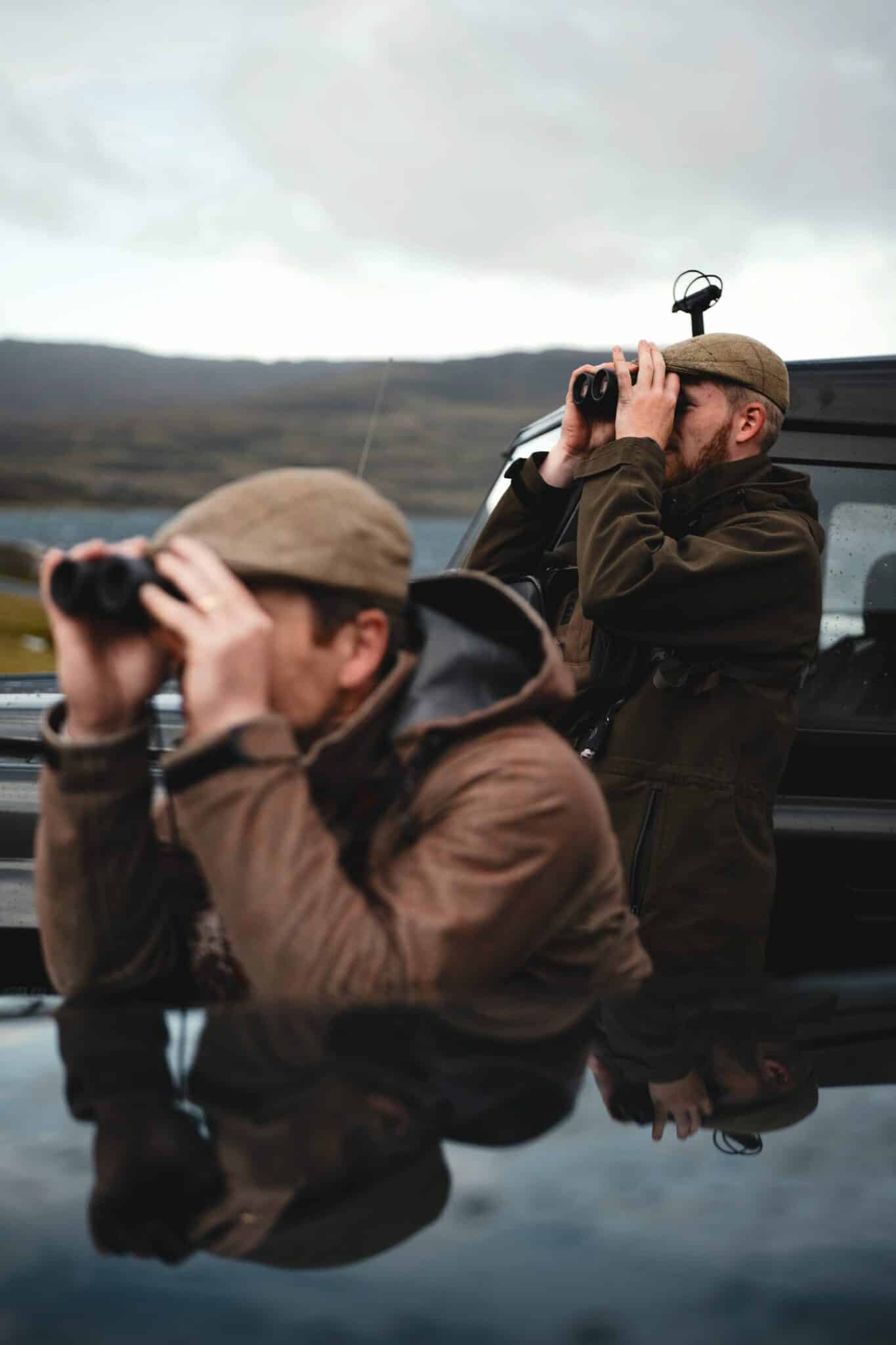
There are some places that are difficult to appreciate properly until you have spent a bit of time there. Benmore Estate, on the Isle of Mull, is one of them. You can look at photographs of the hills, lochs, woodland and coastline and get a reasonable idea of what the place looks like, but photographs don’t quite prepare you for the weather. When Mull decides to rain, it doesn’t seem particularly interested in doing it vertically. The rain comes sideways, the wind gets underneath your jacket and anything you thought you knew about waterproof clothing is quickly put to the test.
There is something reassuring about being somewhere that hasn’t been tidied up for the benefit of the visitor. Mull can be wet, windy and occasionally hostile, but that is precisely what makes it so appealing. The landscape feels alive in bad weather. Hills disappear into cloud, lochs become dark and restless, and the wind blows across the ground with enough force to remind you that you’re no longer on the mainland.
Why a sporting estate on Mull works differently
I visited Benmore last year as part of my work as project manager for Country Sport Scotland. My role takes me around Scotland meeting the people and businesses involved in rural sports tourism, from estate owners and stalkers to fishing providers, accommodation businesses and sporting agents. Country Sport Scotland is owned by BASC and we aim to promote Scotland as a destination for country sports and connect visitors with the relevant businesses.
My visit to Benmore was primarily about experiencing the estate, meeting the people who work there and understanding what it is like to operate a sporting estate in such a remote and distinctive part of Scotland.
The journey to Mull is part of the experience. Once the ferry leaves the mainland there is a noticeable change in pace. As the shoreline disappears behind you there is a moment when you can simply stand on deck, look out across the water and feel that you’re heading somewhere a little different.
By the time you arrive, the island has begun to work its way into your head. The roads become narrower, the landscape opens up and the weather starts making its presence felt. On my visit, Mull gave me a little of everything: driving rain and strong winds, sudden bursts of brilliant sunshine, and low cloud that would swallow the hills one minute before revealing them again the next.
It would be easy to complain when the rain tests your waterproofs, particularly when you’re trying to take photographs or about to head out on to the hill. But I found myself enjoying it. The changing weather only added to the character of the place, with bursts of sunshine suddenly lighting up the landscape before the clouds rolled back in. Mull doesn’t feel like somewhere designed to make life easy, and that’s exactly what I loved about it. It felt properly wild.
The people who bring a sporting estate to life
One of the things I enjoy most about my work with Country Sport Scotland is meeting the people behind the businesses we promote. A website can tell you what an estate offers, but spending time with the people who manage it gives you a much better understanding of what happens behind the scenes.
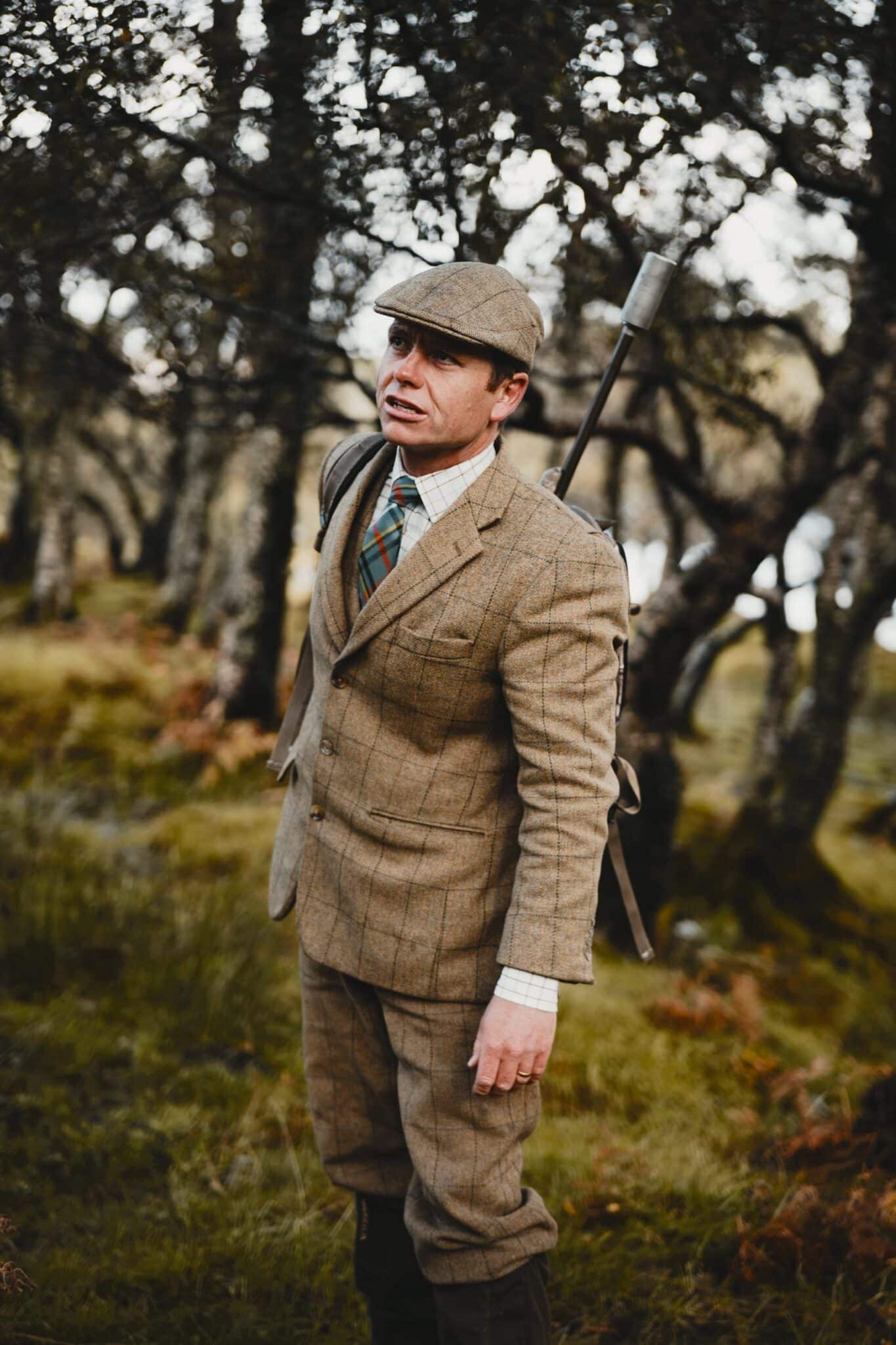
That was certainly the case at Benmore. Talking to the staff gave me an insight into the work involved in running an island estate, from deer management and looking after the land to maintaining accommodation, infrastructure and access. There is something different about having those conversations out on the ground, surrounded by the hills and weather you’re talking about. Every estate has its own character, but it is the people who work there who bring it to life.
Onto the high ground to look for stags
After spending time around the estate we headed out for a look at the stalking ground, following the coast as it wound its way along the estate. This stretch of coastline is apparently a particularly good place to see sea eagles, although on this occasion the weather kept most of the wildlife hidden. Even so, with the sea on one side and the hills rising away on the other, it was an impressive introduction to the ground.
Eventually we left the comfort of the vehicles and climbed into the Argo, the estate’s all-terrain buggy, which carried us further up the hill. It is difficult to appreciate the size of a place like Benmore until you start moving through it. The higher we climbed, the more the landscape opened up, the cloud lifting just enough now and then to reveal the peak of Ben More before closing back in.
We left the Argo and continued on foot, working our way onto the high ground to look for stags below. From the tops, the landscape spread out in every direction, with the hills and valleys stretching away beneath us.
Even with the cloud and wind, the country felt extraordinary in its scale, and it was easy to understand why anyone who spends their working life stalking these hills would never tire of the views. Standing there, looking down across the ground with people who know it intimately, gave me a real sense of what the estate has to offer.
Dapping on Loch Ba and the value of a good gillie
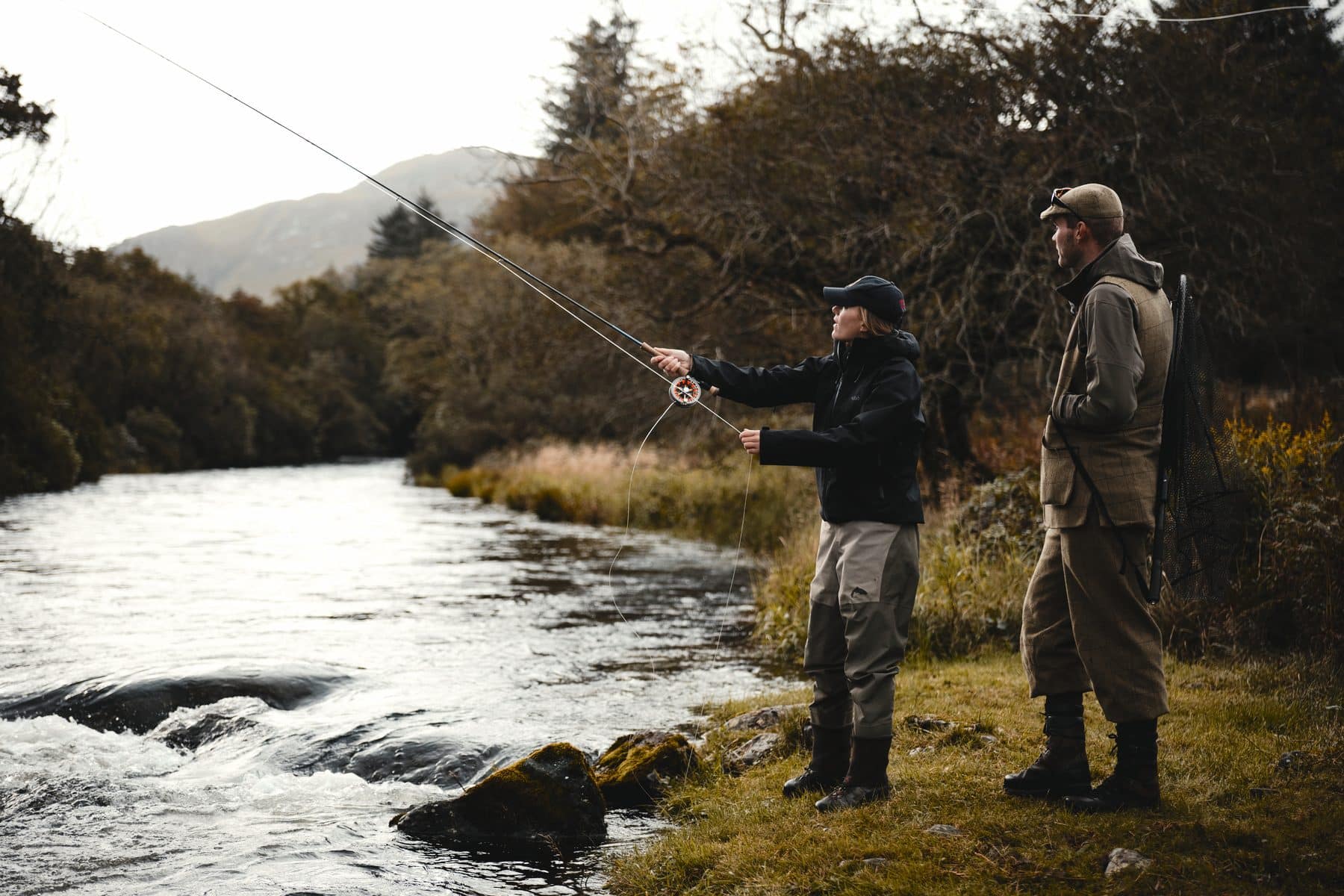
Fishing wasn’t on my itinerary in the conventional sense. I wasn’t there to pick up a rod and spend the day trying to catch a salmon. Instead, I joined one of Benmore’s guests on the River Ba as she fished with Angus Youngson, one of the estate’s gillies.
While she fished, I spent time talking to Andrew Gorthy, another of Benmore’s gillies and stalkers. He spoke warmly about the joy of watching someone catch their first salmon or helping someone take their first stag. What came across was that the reward for him wasn’t simply seeing the fish landed or the stalk completed, but being part of an experience that a guest would always remember. It was a reminder that a good gillie brings far more than knowledge of the river or the hill. There is an element of teaching, reading the guest and knowing when to offer advice and when to let someone simply enjoy the moment.
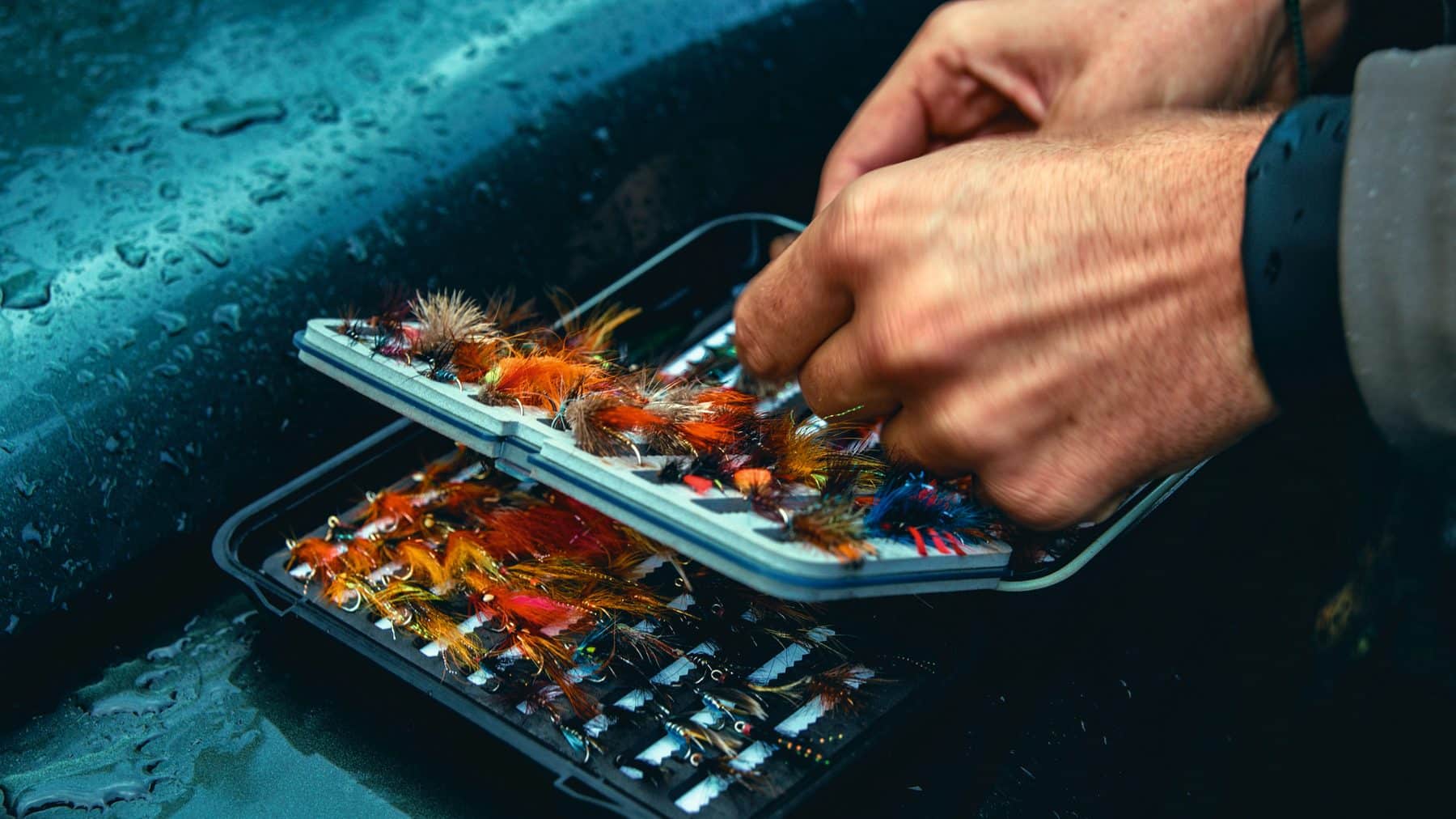
Further up the river we headed to Loch Ba, where I saw something I had never encountered before: dapping. Using a long silk line, the angler presents a fly lightly on or just above the surface of the water, allowing it to move naturally with the breeze. It is a wonderfully traditional and delicate way of fishing, and watching it on a remote loch surrounded by hills felt particularly fitting.
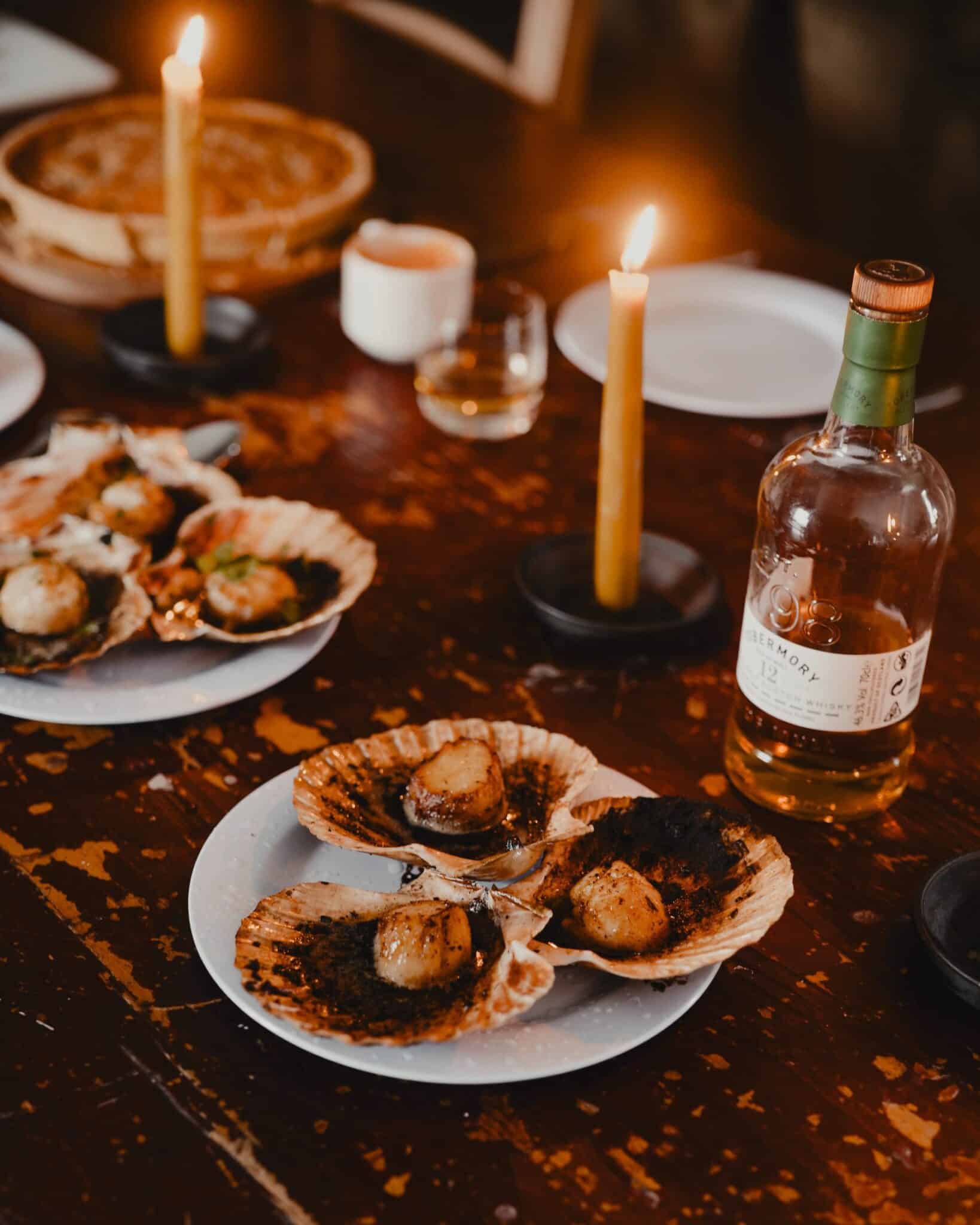
We finished with lunch in the estate’s fishing bothy overlooking the loch. After the wind, rain and time spent around the river and water, it was a fantastic place to sit, eat and reflect on the morning. The fish are part of the attraction, but the landscape, the people and the experience are what make it memorable.
The island challenges that are part of the draw
Spending time at Benmore also made me appreciate the challenges of operating a sporting estate on an island. Transport, access, weather, supplies and the movement of visitors all require a different level of planning when you’re not connected to the mainland by road. Yet the irony is that those same challenges are part of what makes Mull so attractive. People don’t travel to Mull because it is convenient; they travel because it isn’t. That unpredictability is very much part of the draw.
What stays with you after a visit to Benmore
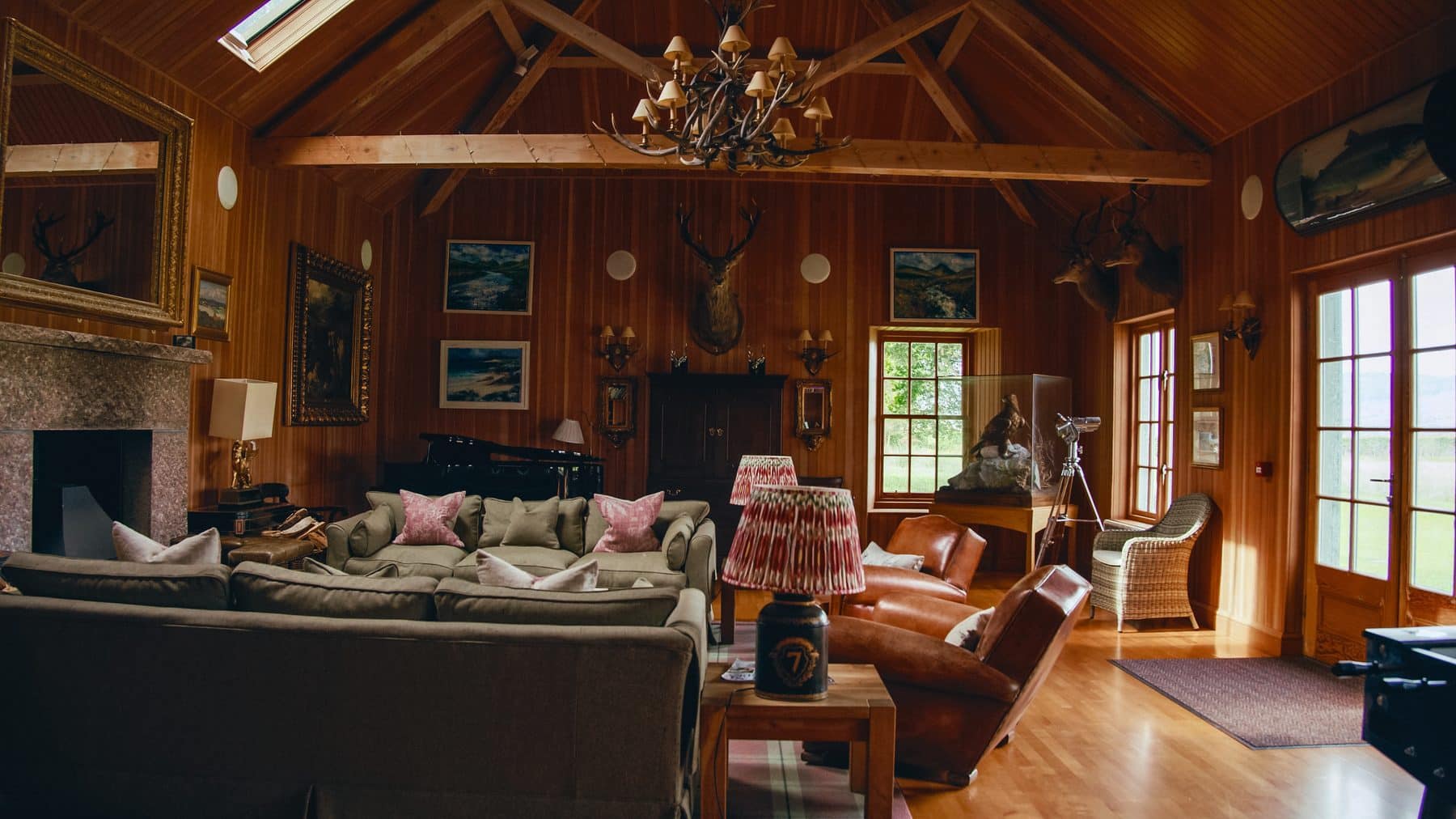
For a visitor, that sense of remoteness becomes part of the experience. Stalking or fishing might be the reason for making the journey, but it is unlikely to be the only thing you remember. The accommodation, food, landscape, wildlife and people all become part of the story.
Looking through the photographs I took at Benmore, I find the ones I like most aren’t necessarily the obvious sporting images. They’re the hills disappearing into cloud, the water, the people and the glimpses of the estate that capture what it felt like to be there. They remind me that what makes a place memorable isn’t always one moment, but everything that surrounds it.
I went to Benmore through my work with Country Sport Scotland to meet the team and experience the estate, and I came away with a genuine understanding of what makes it so distinctive: the size of the ground, the knowledge of the people who work it and the sheer variety of the landscape. I arrived to experience Benmore; I left with a much better understanding of why this corner of Mull stays with people long after they have gone.
Kirk Norbury is the project manager at Country Sport Scotland, an online directory and promotional platform operated by BASC.
Frequently asked questions
What sport does Benmore Estate on Mull offer?
Red deer stalking on the open hill and salmon fishing on the River Ba and Loch Ba, with accommodation on the estate including Knock House. Guests are taken onto the high ground by Argo and then on foot, and the estate keeps its own stalkers and gillies.
What is dapping, and why is it used on Loch Ba?
Dapping presents a fly lightly on or just above the surface using a long silk line, so the wind carries the fly and it moves naturally on the water. It is a traditional loch technique and suits an exposed hill loch such as Loch Ba, where there is usually enough breeze to work the line.
How do you get to Mull for a sporting trip?
By ferry from the mainland, which is part of the experience rather than an obstacle: the roads narrow, the pace changes and the weather makes itself felt. Transport, access and supplies all need more planning than they would on a mainland estate, and that remoteness is much of the appeal.

About the author
Kirk Norbury
Ayrshire-based Kirk Norbury is project manager for Country Sport Scotland, a tourism directory for Scottish country sports. A hunter, writer, filmmaker and photographer, he documents rural life and fieldsports through brands and documentaries.
Related Articles

Stalking diary: an unseen roe rut and ground burned bare
Chris Rogers on a rut that never really got going in East Anglia, a maize harvest a month early and an estate waiting on rain before autumn
By Chris Rogers | 18 September 2026
Best gear for deer on the hill: eight pieces of hill stalking kit
Field-proven gear for hill stalking, balancing ultralight weight with unyielding durability when the weather and terrain turn brutal
By Shooting Times | 18 September 2026
Get the latest news delivered direct to your door
Subscribe to Shooting Times & Country
Discover the ultimate companion for fieldsports enthusiasts with Shooting Times & Country Magazine, the UK’s leading weekly publication that has been at the forefront of shooting culture since 1882. Subscribers gain access to expert tips, comprehensive gear reviews, seasonal advice and a vibrant community of like-minded shooters.
Save on shop price when you subscribe with weekly issues featuring in-depth articles on gundog training, exclusive member offers and access to the digital back issue library. A Shooting Times & Country subscription is more than a magazine, don’t just read about the countryside; immerse yourself in its most authoritative and engaging publication.