

Three wild white-tailed eagle chicks fledge in Dorset and Sussex
Fourth consecutive year of wild breeding takes the reintroduction's tally to nine, with landowners and farmers credited for the species' return
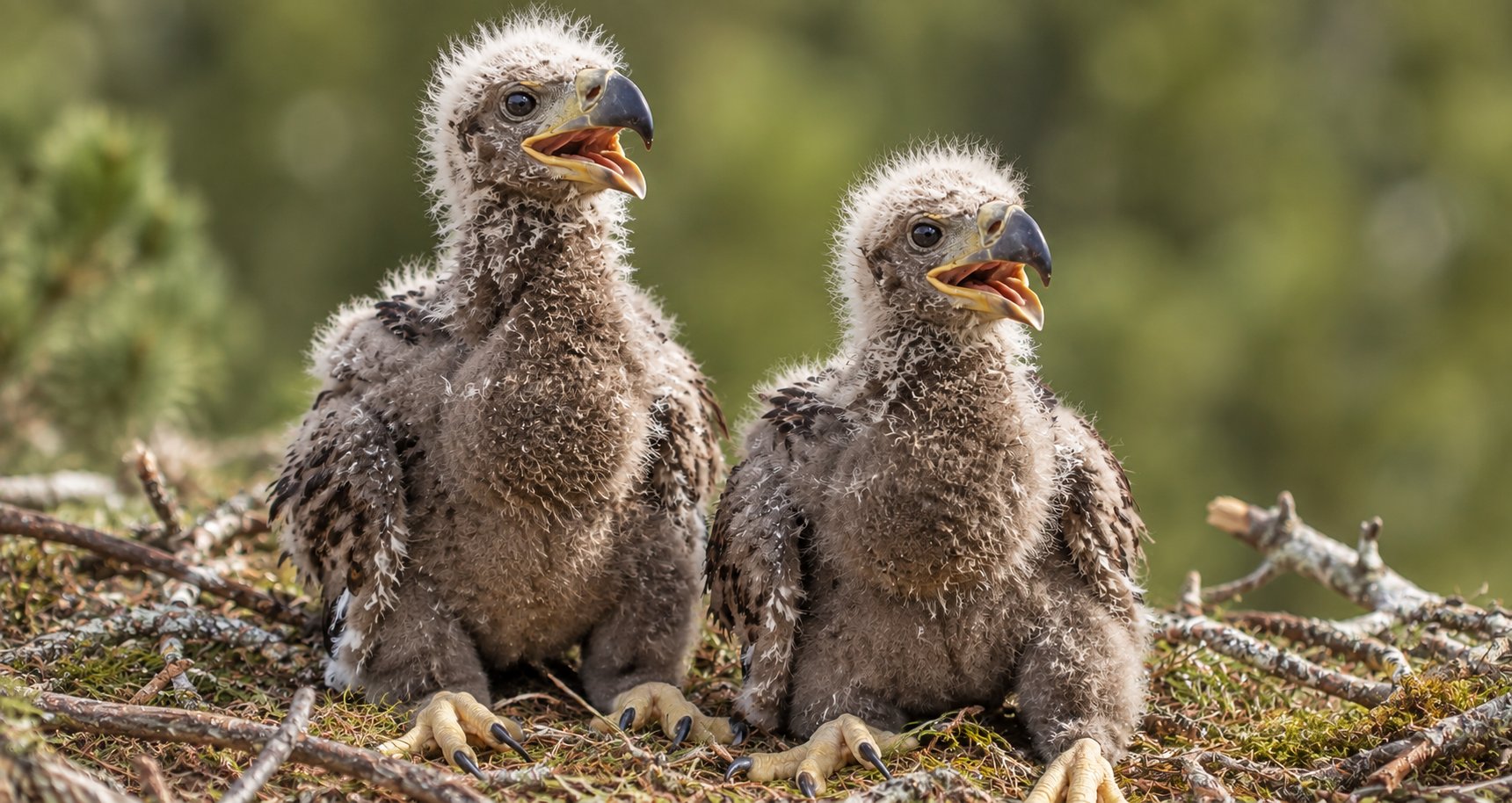

Two white-tailed eagle chicks fledged from a nest in Sussex and one in Dorset this summer, all three reared by eagles released since 2019 by Forestry England and the Roy Dennis Wildlife Foundation. Five released pairs are now established in southern England, and the project has expanded to Exmoor National Park, where six more birds were set free this year for the first time.
Which pairs bred successfully this year?
The Sussex chicks, ringed GE36 and GE37, are both males and the offspring of eagles released in 2020. Their parents, G405 and G471, have bred every year since 2023.
The single male chick in Dorset, GE38, is the second the pair G463 and G466 have reared – a result the team calls all the more remarkable because the adult male has flown with one leg since losing the other about five years ago. All three chicks were fitted with satellite tags so the project can follow them as they disperse.
Fish tops the menu at the monitored nests
For the first time, specialist cameras placed near the nests let the team log the breeding pairs’ diet in detail. More than 300 records of food carried in by the parents were collected, and fish was by far the most frequent item.
Steve Egerton-Read, white-tailed eagle project officer for Forestry England, said: “It’s been another long summer of watching and hoping that the eagles would be successful in breeding and raising young. There is nothing quite like that moment of seeing the chicks hatch and first appear in the nest.”
“This year we were able to monitor every item of food coming into the nests and can see that fish is by far the favoured item for these wetland loving birds,” he added.
Why does the project credit landowners and farmers?
White-tailed eagles are Britain’s largest birds of prey, with a wingspan of up to 2.5m. The species was once widespread across England but was driven to extinction by persecution, the last pair breeding in southern England in 1780.
Roy Dennis OBE, founder of the Roy Dennis Wildlife Foundation, said the fourth consecutive year of fledged chicks “shows what can be achieved by very skilled wildlife managers”, with three further established pairs expected to add to the total in the next few years.
“Restoring a species takes many years and requires the support of a wide range of communities and organisations, in particular landowners and farmers. I would like to thank everyone who is supporting the project and supporting essential nature recovery in this way,” he said.
What happens next
The project team will track the three tagged chicks by satellite as they begin to explore the landscape, as it has followed earlier fledglings across the UK. To date 56 young eagles have been released, including five this summer from the team’s base on the Isle of Wight and the six on Exmoor, where the new phase is led by the foundation’s Zoe Smith.
The reintroduction runs under licence from Natural England, and the young birds are collected from wild nests in Scotland under a NatureScot licence. The full announcement can be read on the Forestry England website.
Frequently asked questions
How many white-tailed eagles have been released in England?
A total of 56 young eagles have been released since the project began in 2019, including five this summer from the Isle of Wight and six at Exmoor National Park, the first releases there.
What do the reintroduced white-tailed eagles eat?
Nest cameras logged more than 300 food deliveries to the two successful nests this year, and fish was by far the most frequent item recorded.
When did white-tailed eagles last breed in England before the project?
The last pair bred in southern England in 1780, the species having been driven to extinction by persecution. Chicks have now fledged in each of the last four years of the reintroduction.
How big is a white-tailed eagle?
It is Britain’s largest bird of prey, with a wingspan of up to 2.5m.
 Closes 15 JanuaryWorth £129.90Win a pair of tickets to the British Shooting Show 2027Enter nowFree to enter
Related Articles
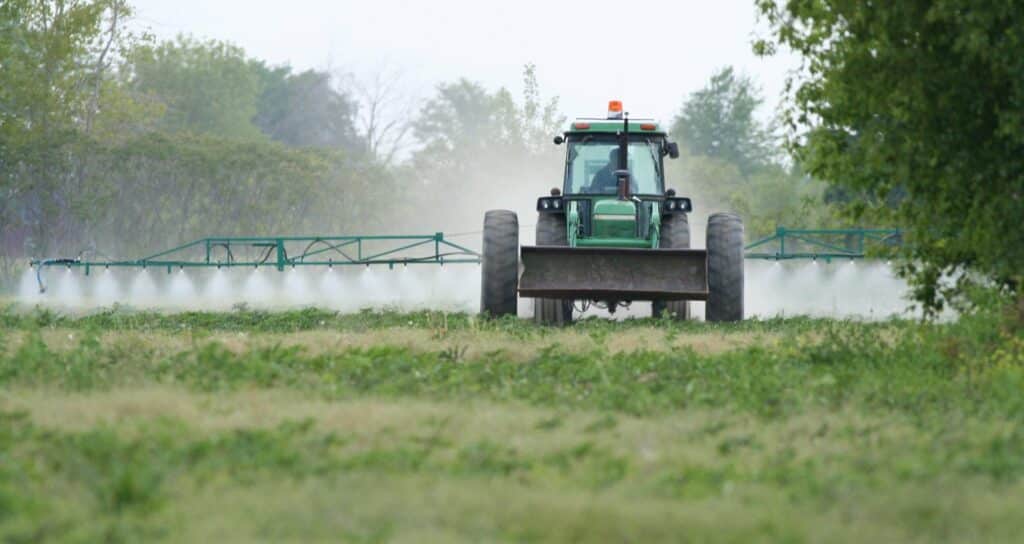
Tribunal ruling opens farmers' pesticide records to public requests
The General Regulatory Chamber has ruled that the spray records farmers must keep are held on the Health and Safety Executive's behalf and can be requested by the public, after a case brought to a hea...
By News Desk | 9 November 2026
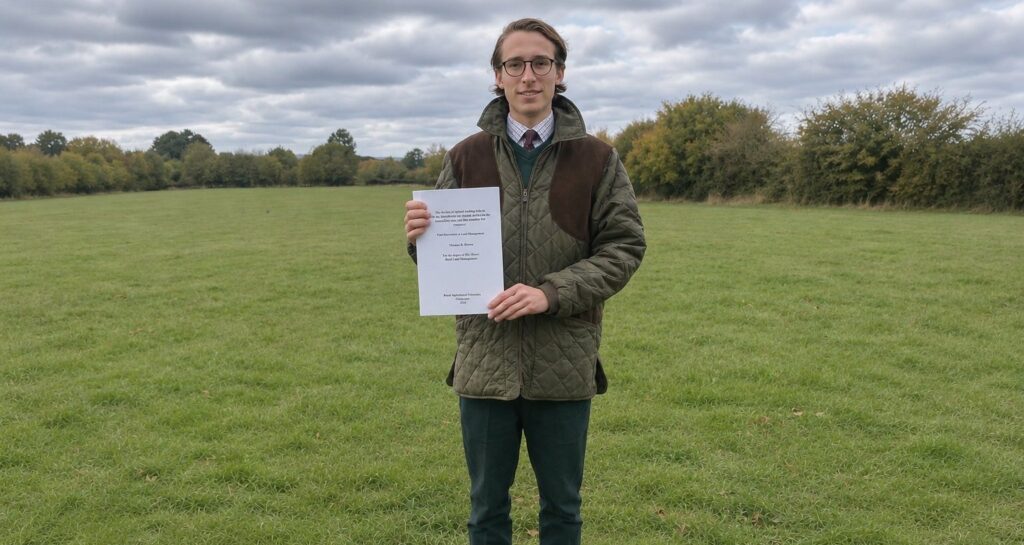
Game shooting can be justified, student, 17, tells Government review
Felix Hodgkinson-Last weighed both sides of the argument for his A-level project, concluded the sport can be justified, and filed it as evidence
By News Desk | 5 November 2026
Get the latest news delivered direct to your door
Subscribe to Shooting Times & Country
Discover the ultimate companion for fieldsports enthusiasts with Shooting Times & Country Magazine, the UK’s leading weekly publication that has been at the forefront of shooting culture since 1882. Subscribers gain access to expert tips, comprehensive gear reviews, seasonal advice and a vibrant community of like-minded shooters.
Save on shop price when you subscribe with weekly issues featuring in-depth articles on gundog training, exclusive member offers and access to the digital back issue library. A Shooting Times & Country subscription is more than a magazine, don’t just read about the countryside; immerse yourself in its most authoritative and engaging publication.

