★ Your magazine. Your say. Complete our reader survey with a chance to win Jack Pyke kit worth £500! ★


Defra puts £530,000 into wildlife crime unit to fight hare coursing
New money will fund intelligence and financial investigation work against coursing gangs, but ministers admit they still cannot say how much of the crime there is
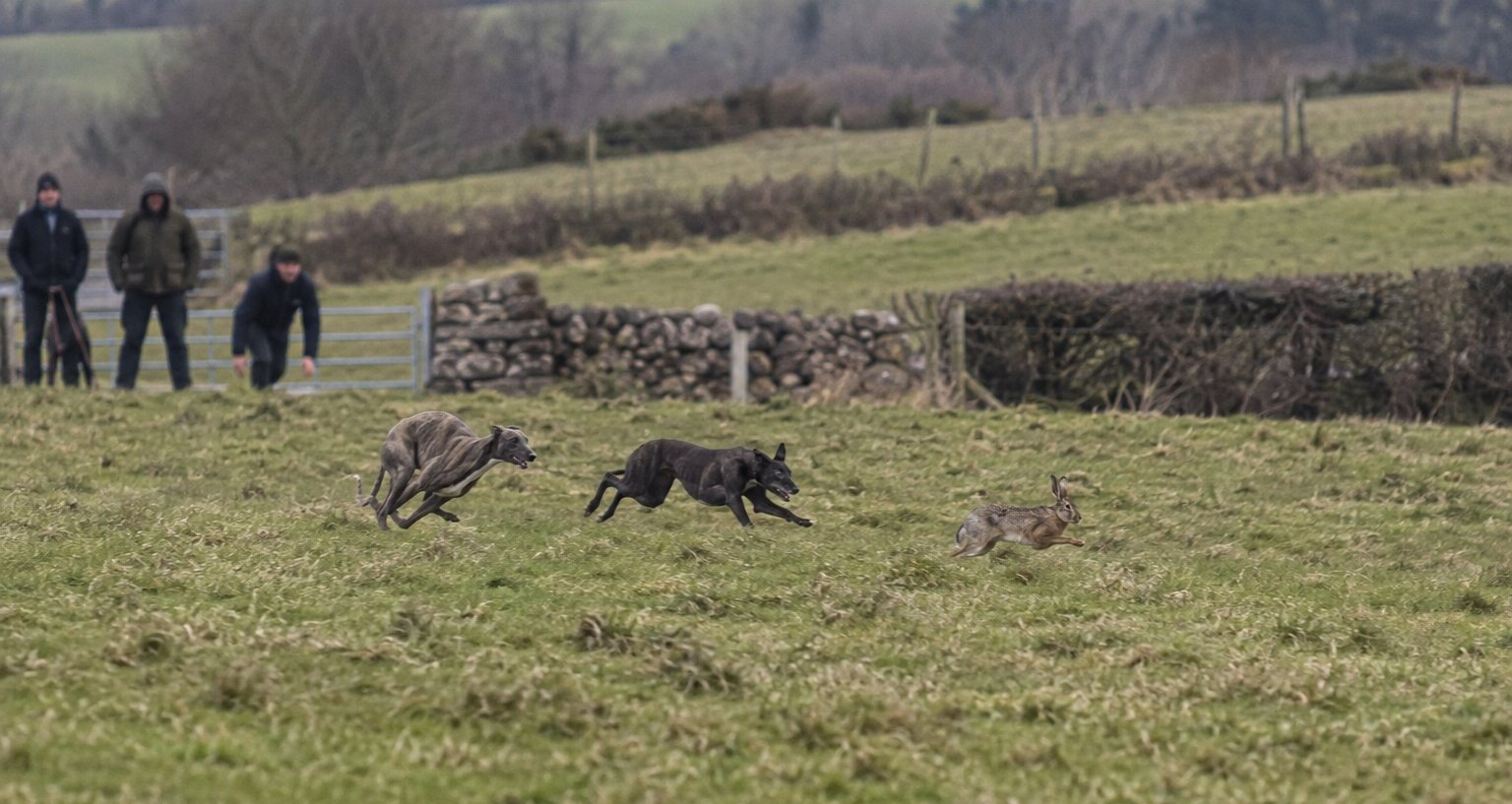

The National Wildlife Crime Unit (NWCU) will receive £530,000 from Defra in 2026/27 to strengthen its work against hare coursing, environment minister Baroness Hayman of Ullock has confirmed. The funding, set out in a written answer published on 17 September, will build the unit’s intelligence, data analysis and financial investigation capabilities to “disrupt criminal networks, identify illicit profits, and bring offenders to justice”.
What is the new money for?
Hare coursing remains a national wildlife crime priority, the minister said, and it is one of the offences for which police forces most frequently seek the NWCU’s support. The unit provides intelligence and analysis to forces rather than running its own patrols, so the money is aimed at the organised groups behind coursing – the betting, the travelling and the profits – rather than at any single incident.
The timing matters. Coursing follows the combine: once the harvest opens up big blocks of stubble, coursers can run dogs on hares in clear view of a getaway route, and farms from the eastern counties westwards see the same pattern every autumn.
Sentencing guidelines are already in force
The answer came in response to Baroness Helic, who had asked how many people were arrested, prosecuted and convicted for hare coursing offences in each of the last five years, and what assessment had been made of the trend.
Baroness Hayman pointed instead to the new sentencing guidelines for hare coursing that came into force on 1 June 2026. “These should help ensure the courts fully recognise the significant harm and intimidation this serious crime poses to wildlife, farmers, and others across rural areas,” she said.
The Sentencing Council guideline covers four offences associated with hare coursing, reflecting powers created by the Police, Crime, Sentencing and Courts Act 2022, and names aggravating factors including using social media to promote offending and offending in the presence of children.
Why can the Government not count the crime?
On the figures Baroness Helic asked for, the Government could give none. “This Government cannot confirm offending levels as hare coursing is not a ‘notifiable crime’,” the minister said. “Hare coursing can also be ‘hidden’ under notifiable offences such as criminal damage if it has taken place as part of the same incident.”
That admission will ring true on farms and shoots that have watched coursers cut fences, flatten gates and threaten staff, only for the incident to enter the record as criminal damage or not at all.
What happens next
The £530,000 runs through the 2026/27 financial year, and the NWCU will put it into intelligence, data analysis and financial investigation, including tracing the illicit profits made from coursing. The sentencing guideline applies in the courts of England and Wales now, so sentences handed down this season will be its first full test.
Anyone who sees coursing in progress should call 999, report incidents afterwards on 101, and can pass information anonymously to Crimestoppers on 0800 555 111. The full written answer can be read on the UK Parliament website, linked below.
Frequently asked questions
What is hare coursing?
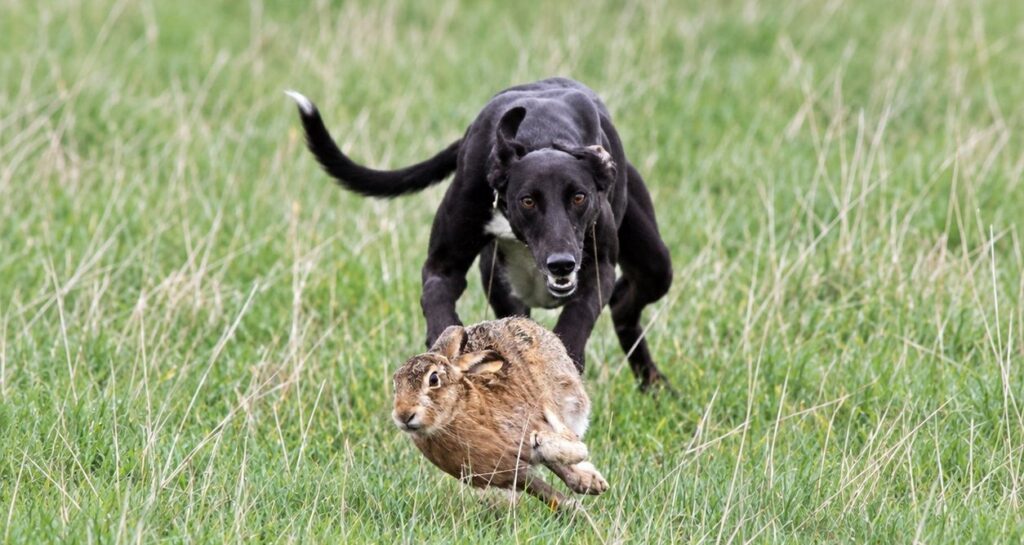
Hare coursing is the pursuit of hares with dogs, usually lurchers or other sighthounds, often with money staked on the outcome. It has been illegal in England and Wales since the Hunting Act 2004, and the Police, Crime, Sentencing and Courts Act 2022 added further offences targeting those who trespass in pursuit of hares.
What is the National Wildlife Crime Unit?
The NWCU is a national policing unit that gathers and analyses intelligence on wildlife crime and supports police forces’ investigations across the UK. Hare coursing generates more requests for its help than almost any other offence, and Defra is among its funders.
Why is hare coursing missing from crime statistics?
Because it is not a notifiable offence, forces are not required to return it to the Home Office, so no national count exists. Where property is damaged in the same incident, the record often shows criminal damage instead.
Related Articles
Defra stands by burning rules despite fuel-load science
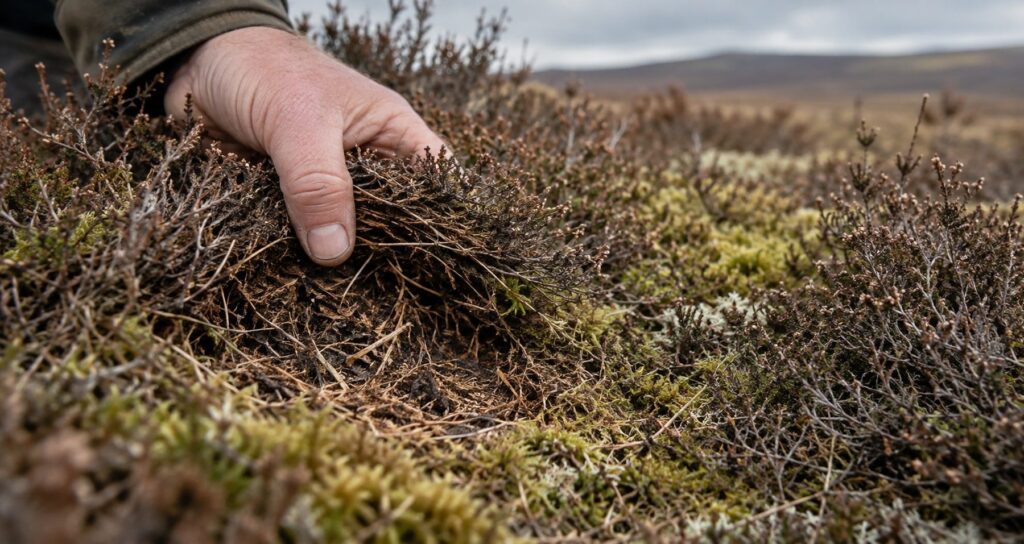
The Government says it remains satisfied the tightened burning regulations are supported by the evidence, after being pressed on research showing cutting adds to the fine fuels that feed wildfires
By News Desk | 21 September 2026
NFU demands coordinated crackdown on hare coursing gangs
After 22 dead hares were left in rows on a Kent farm, the union says police and courts must use the powers they already have against coursing gangs
By News Desk | 21 September 2026
Get the latest news delivered direct to your door
Subscribe to Shooting Times & Country
Discover the ultimate companion for fieldsports enthusiasts with Shooting Times & Country Magazine, the UK’s leading weekly publication that has been at the forefront of shooting culture since 1882. Subscribers gain access to expert tips, comprehensive gear reviews, seasonal advice and a vibrant community of like-minded shooters.
Save on shop price when you subscribe with weekly issues featuring in-depth articles on gundog training, exclusive member offers and access to the digital back issue library. A Shooting Times & Country subscription is more than a magazine, don’t just read about the countryside; immerse yourself in its most authoritative and engaging publication.