★ Your magazine. Your say. Complete our reader survey with a chance to win Jack Pyke kit worth £500! ★


Shoot compliance: knowing the law is no longer enough – you have to prove it
Every shoot must now be able to prove it is run lawfully and responsibly, argues the NGO's John Clarke – from release pens and licences to the game larder


Running a shoot involves considerably more than rearing birds, organising drives and making sure everyone knows where to stand. Gamekeepers, shoot captains and estate managers have a responsibility to understand the legislation that applies to their activities, and they must be able to demonstrate that they are complying with it. The starting point is simple: know what you are doing, know what rules apply and keep a record.
Could you, and anyone operating on your land, explain the general licences if challenged? If you run spring traps, do you know what the Spring Traps Approval (England) Order 2018 is? Do you understand Natural England consents for releasing game, and releasing on protected sites?
Gamebird release and protected sites
One area where operators need to take particular care is gamebird release. Every shoot should know exactly where its release pens are in relation to sites of special scientific interest (SSSIs), special areas of conservation (SACs), special protection areas (SPAs) and their buffer zones.
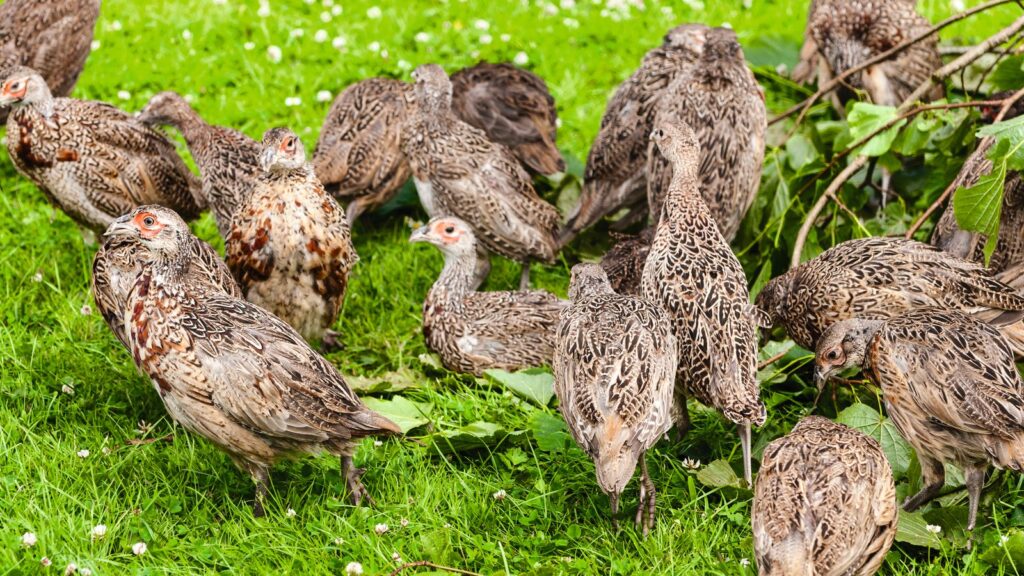
The current licensing regime in England applies specifically to the release of common pheasants and red-legged partridges. Where releases take place on or within 500m of a SAC, general licence GL43 applies; on or within 500m of an SPA, you need an individual licence from Natural England. The Government’s MAGIC mapping system provides a valuable way of checking these requirements.
How to check your shoot’s compliance
It should be part of the shoot’s normal planning process to check compliance. Map your release pens, check the relevant designations, establish whether a licence or consent is required and retain evidence of the checks made. Remember that MAGIC is a mapping and due-diligence tool; it does not give permission to carry out an activity.
Social media is a huge factor here, and it will be shooting’s downfall when it is used by people who do not know the law. We continue to see posts showing the illegal release of ornamental non-native species, such as Reeves’s pheasants and wild turkeys. These species should not simply be treated as alternative gamebirds as they are not covered by the same gamebird release guidance.
Gamebird welfare and record keeping
Compliance also means looking after game properly. The Animal Welfare Act 2006 and the Code of Practice for the Welfare of Gamebirds Reared for Sporting Purposes provide frameworks for gamebird welfare. Everyone involved in rearing, housing, transporting and releasing gamebirds should understand their legal responsibilities. You should keep records of deliveries, mortality, veterinary visits, treatment and medication logs, feeding, welfare checks, release numbers and release dates.
Handling shot game and animal by-products
Another area deserving greater attention is the handling of shot game.
Game being sold to an Approved Game Handling Establishment (AGHE) and intended for human consumption needs to be handled correctly and at the right temperature, with appropriate arrangements for examination, storage, transport and traceability. The Food Standards Agency (FSA) guidance specifically identifies shooting estates as primary food producers and sets out requirements for game handling and storage (in a chiller) when supplying wild game to a gamedealer.
If you are processing game yourself to sell to the public, your game larder should have sufficient capacity, appropriate hygiene arrangements and suitable arrangements for dealing with waste and animal by-products. Temperature control and records are also necessary.
Not every bird shot will be suitable for the food chain. Game that is rejected, damaged, contaminated or otherwise not fit for human consumption must not simply be left lying around or disposed of casually.
Animal by-products have their own requirements. The FSA guidance states that material generated outside normal hunting practice and not covered by the relevant exemption needs to be correctly categorised, handled and safely disposed of. This means every shoot should have a clear procedure for dealing with shot game that is not going into the food chain.
What a well-run shoot should be able to produce
A professionally managed shoot should be able to produce:
- current licences and consents
- welfare, biosecurity and release records
- risk assessments
- staff training records
- game larder and traceability records
- waste and animal-by-product arrangements (if required)
- relevant insurance documentation
- shoot day records
The important point is that compliance means being able to demonstrate that the shoot is not only well run, but lawfully and responsibly run.
Taking a little time to check the paperwork, maps, licences, training and procedures now can prevent a lot of trouble later. As we come under more scrutiny, knowing your legal responsibilities is more important than ever. If you need help, the National Gamekeepers’ Organisation (NGO) can advise you on your legal responsibilities.
John Clarke is the NGO’s director of conservation, policy and uplands. A former Lancashire headkeeper with over 20 years in gamekeeping, he is also a wildlife artist who was commissioned to paint for the late Queen.
Frequently asked questions
Do I need a licence to release pheasants near a protected site?
In England, releases of common pheasants and red-legged partridges on or within 500m of a special area of conservation (SAC) fall under general licence GL43. On or within 500m of a special protection area (SPA), you need an individual licence from Natural England.
How do I check where my release pens sit in relation to protected sites?
The Government’s MAGIC mapping system shows the designations. It is a due-diligence tool and does not itself give permission, so keep evidence of the checks you made.
Can I release Reeves’s pheasants or wild turkeys?
No. Ornamental non-native species are not covered by the gamebird release guidance and should not be treated as alternative gamebirds.
 Closes 15 JanuaryWorth £129.90Win a pair of tickets to the British Shooting Show 2027Enter nowFree to enter
Related Articles

Think beyond the shoot day: why every bird shot must be treated as food
Dylan Williams of Eat Wild on why every bird shot must be treated as food from the moment it falls – and how Guns can help build the market for it
By Shooting Times | 9 October 2026
Defra cannot say how many gamebird chicks are imported or where they go
The APHA does not record the age of imported gamebirds and Defra will not publish where imports end up, a minister has told MPs, in the middle of Defra's call for evidence on gamebird rearing and rele...
By Shooting Times | 6 October 2026
Get the latest news delivered direct to your door
Subscribe to Shooting Times & Country
Discover the ultimate companion for fieldsports enthusiasts with Shooting Times & Country Magazine, the UK’s leading weekly publication that has been at the forefront of shooting culture since 1882. Subscribers gain access to expert tips, comprehensive gear reviews, seasonal advice and a vibrant community of like-minded shooters.
Save on shop price when you subscribe with weekly issues featuring in-depth articles on gundog training, exclusive member offers and access to the digital back issue library. A Shooting Times & Country subscription is more than a magazine, don’t just read about the countryside; immerse yourself in its most authoritative and engaging publication.
 New competitionWin a pair of tickets to the British Shooting Show 2027Worth £129.90Closes 15 JanuaryEnter now ›