★ Your magazine. Your say. Complete our reader survey with a chance to win Jack Pyke kit worth £500! ★


Think beyond the shoot day: why every bird shot must be treated as food
Dylan Williams of Eat Wild on why every bird shot must be treated as food from the moment it falls – and how Guns can help build the market for it
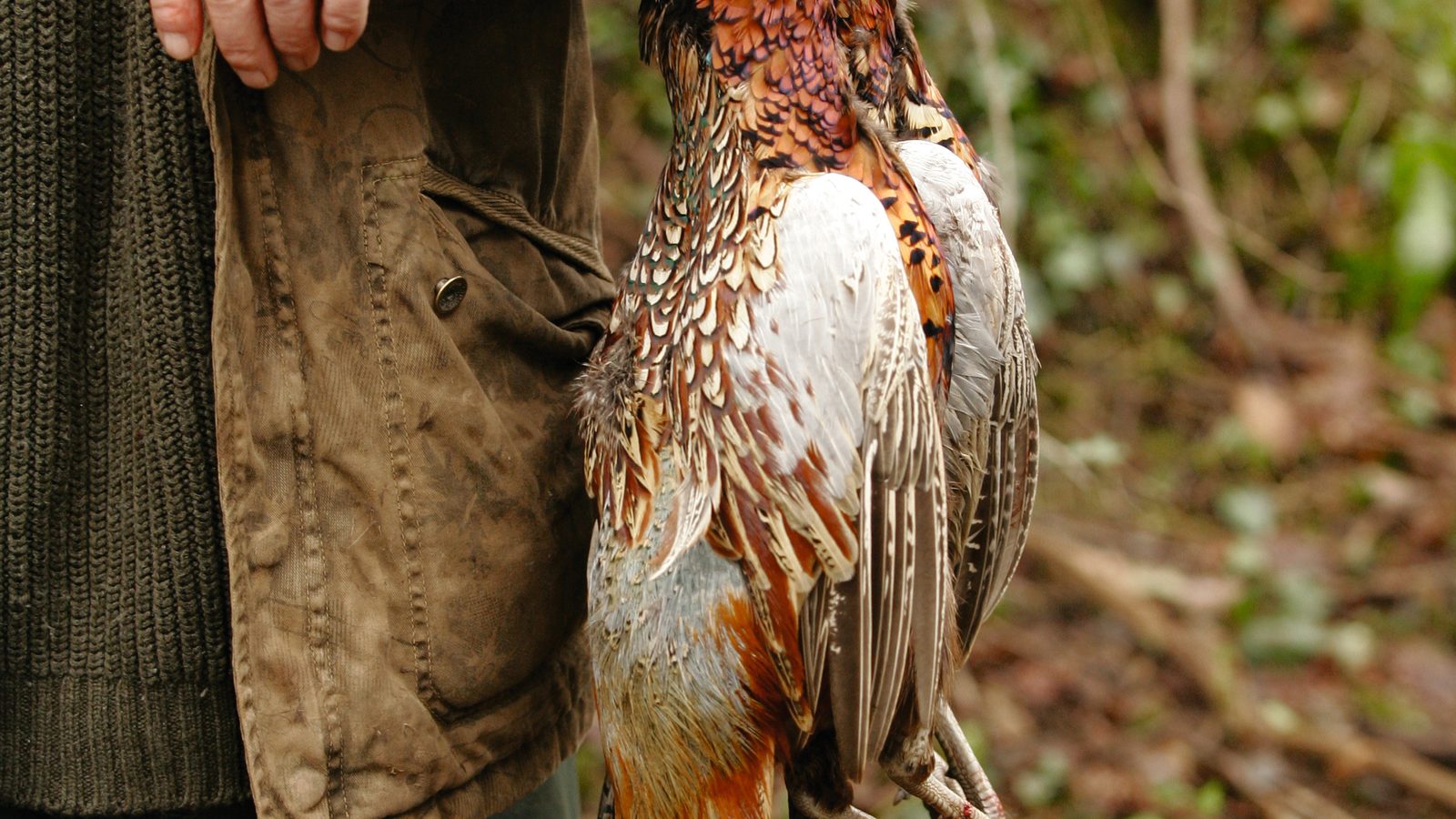

For those involved in shooting, the moment a gamebird is shot can feel like the end of the process. In reality, it is the point at which another responsibility begins.
If a bird is destined for the food chain, it must be treated as food from the moment it hits the ground until it arrives at the processor. That responsibility belongs to everyone involved in the shoot day and in getting the birds to the gamedealer. Good game handling means keeping birds clean, cooling them promptly and storing and transporting them correctly.
What game processors reject, and why
The best people to explain why this matters are those at the receiving end – the game processors themselves. Nick Lister, who represents the National Game Dealers’ Association on the Code of Good Shooting Practice steering committee, has emphasised the importance of getting game into the food chain in the best possible condition.
One processor, Alan Hayward, grades out around half of the birds he receives, citing birds that are too small, damaged breasts, broken legs and contamination. Another, Tristan Kirk, told us his refrigerated vans can carry around 1,000 pheasants, but if a significant proportion of a load arrives heat-damaged, considerable time and money have been spent collecting birds that cannot provide a return.
A processor cannot turn a poorly handled bird into a premium product. The quality of the finished product is largely determined by what happens before the bird reaches the game larder.
Handling game from peg to processor
For the shooter, that starts with a clean kill and sensible shot placement to reduce carcass damage. Once down, the bird should be picked promptly, handled carefully and protected from mud, heat and other sources of contamination.
The gamekeeper and shoot team then need an effective system for collecting, inspecting, cooling and storing the day’s game – and employers, Guns and owners must allocate time and budget for it.
The Food Standards Agency places particular emphasis on hygiene and temperature: for game entering the commercial food chain, rapid cooling and appropriate storage are essential.
Transport is another crucial link. Poor temperature control or careless handling does not simply create a food-safety concern; it also creates waste and reduces the value of the game.
Ammunition is changing, too. From 1 April 2029, lead shot will be banned for game shooting in England, Scotland and Wales – which matters, because retailers and food businesses increasingly look at the ammunition used to produce the meat.
But non-toxic shot is not a panacea that guarantees a market for every gamebird produced. It removes one barrier, but not all the others. Supermarkets, retailers and large-scale food-service companies need confidence in the whole supply chain. They need game that is safe, hygienically handled, properly chilled, traceable and presented consistently, in reliable volumes and to their own specifications.
Making game a credible food product
Changing the material in the cartridge is only one part of making game a credible food product. The other is one in which every Gun can play a direct role: helping to create the market for the birds they shoot.
Eat Wild exists to develop demand for British game and create new routes into retail, hospitality and large-scale catering. Its ambition is to move wild meat by the tonne rather than by the brace.
The voluntary 50p-per-bird levy, collected through the shoot invoice, funds that work. For a Gun, 50p may seem insignificant. Across thousands of birds, however, it provides the means to promote game to people who might never otherwise consider eating it. That makes the levy more than a donation: it is an investment in the market for the product Guns themselves are producing.
Every Gun should therefore consider not only “Where does my game go?”, but also “What can I do to help people eat it?” Paying the levy, asking the shoot to include it on the invoice, talking positively about eating game and encouraging friends and family to try it are all simple ways of supporting the market.
Ultimately, responsibility cannot be passed down the line. The processor cannot correct every mistake made in the field, just as the gamekeeper cannot compensate for careless shooting. And no marketing campaign can sell a product that consistently arrives in poor condition.
Every bird intended for consumption should be regarded as food from the instant it is shot. That means clean, cool, careful and traceable handling from field to larder and larder to processor.
The future of game meat depends on all of us thinking beyond the peg. Good shooting produces the game. Good game handling protects its value. And supporting the market helps ensure that the bird ends up where it belongs: on someone’s plate.
Back Eat Wild this season
Pay the 50p levy on every bird you shoot. It should appear on your shoot invoice. If it doesn’t, ask – or donate directly at backbritishgame.co.uk.
Dylan Williams, a founding director of Eat Wild, established the Royal Berkshire Shooting School. He is a trustee of the Atlantic Salmon Trust and a director of Mea Opus.
Frequently asked questions
Why do game processors reject shot birds?
One processor grades out around half the birds he receives, for being too small, damaged breasts, broken legs or contamination. Heat damage in transit is another common reason a load cannot provide a return.
What is the Eat Wild 50p levy?
A voluntary 50p-per-bird levy collected through the shoot invoice. It funds Eat Wild’s work to build demand for British game in retail, hospitality and large-scale catering.
When is lead shot banned for game shooting?
From 1 April 2029, lead shot will be banned for game shooting in England, Scotland and Wales.
 Closes 15 JanuaryWorth £129.90Win a pair of tickets to the British Shooting Show 2027Enter nowFree to enter
Related Articles
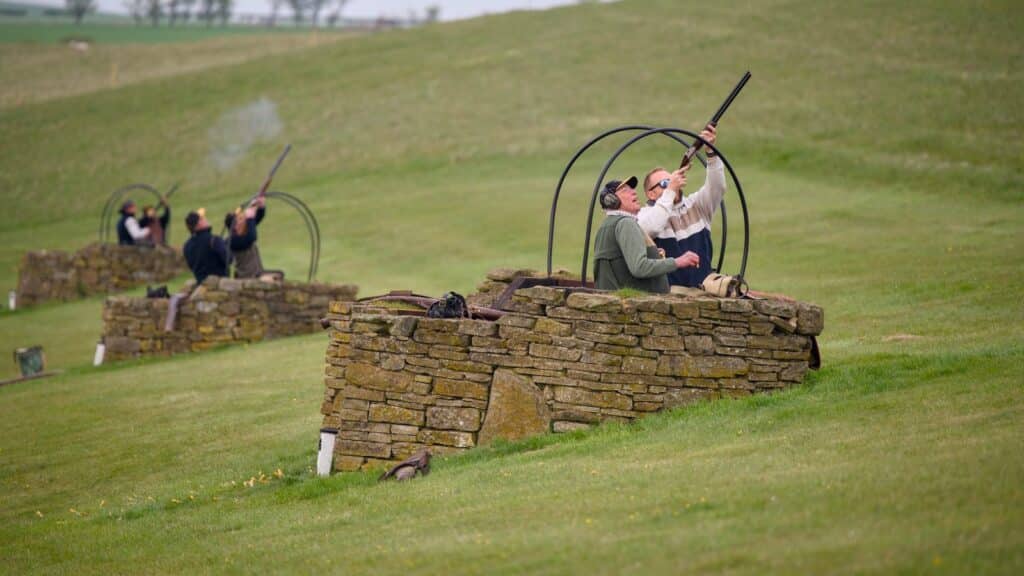
Where to shoot simulated game: seven UK venues for the summer and the syndicate
A simulated game day puts the clays where the birds would be, and for the shoot owner, the keeper and the syndicate Gun it is the honest way to earn from the ground and get the swing back between seas...
By Selena Barr | 7 October 2026
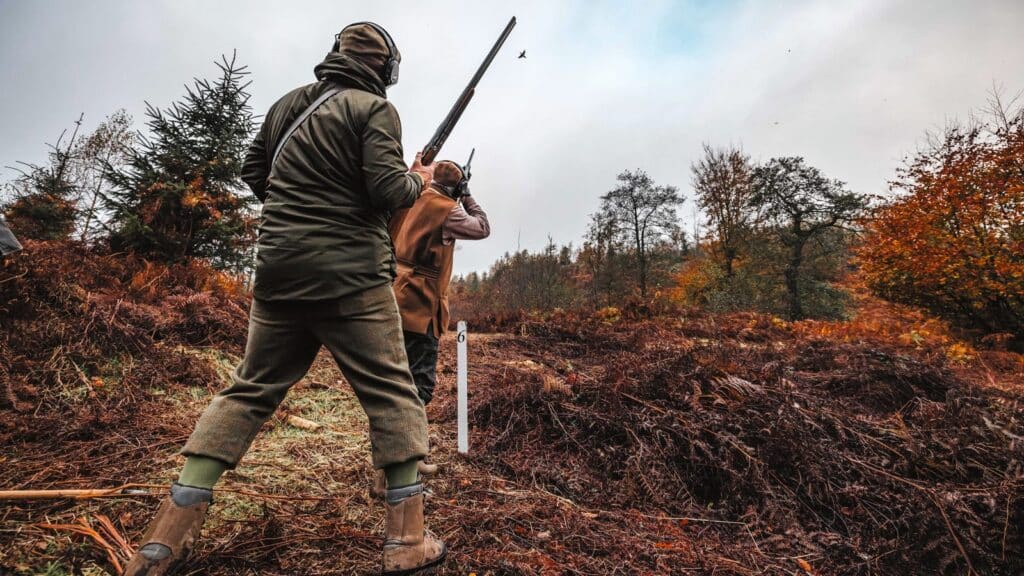
Father and son shooting: picking-up at eight to a first bird at 12
Jamie Culpan became his father’s picker-up at eight, after the family dog died, and was handed a gun at 12 on the syndicate family day. For the keepers and shoot owners who run those days, it is a rem...
By Jamie Culpan | 7 October 2026
Get the latest news delivered direct to your door
Subscribe to Shooting Times & Country
Discover the ultimate companion for fieldsports enthusiasts with Shooting Times & Country Magazine, the UK’s leading weekly publication that has been at the forefront of shooting culture since 1882. Subscribers gain access to expert tips, comprehensive gear reviews, seasonal advice and a vibrant community of like-minded shooters.
Save on shop price when you subscribe with weekly issues featuring in-depth articles on gundog training, exclusive member offers and access to the digital back issue library. A Shooting Times & Country subscription is more than a magazine, don’t just read about the countryside; immerse yourself in its most authoritative and engaging publication.
 New competitionWin a pair of tickets to the British Shooting Show 2027Worth £129.90Closes 15 JanuaryEnter now ›