★ Your magazine. Your say. Complete our reader survey with a chance to win Jack Pyke kit worth £500! ★


See it, shoot it and eat it: why every bird shot has to be eaten
Lord James Percy on why failing to use shot game for food risks the future of fieldsports, and what supporting Eat Wild actually asks of every Gun
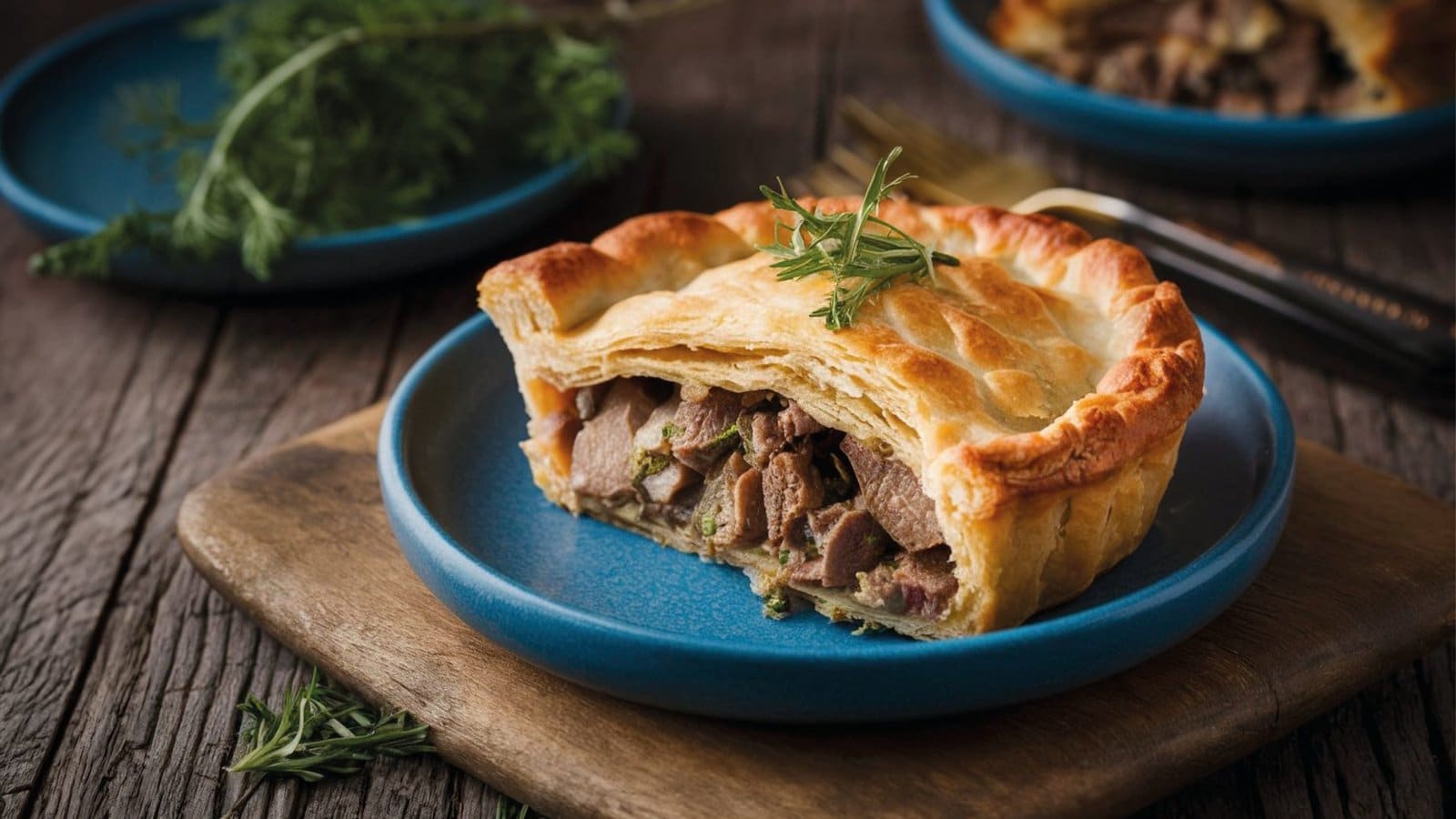

You are what you eat. Within reason, that is. We are told that too much sugar, ultra-processed food, not enough greens, anything that has emulsifiers, sweeteners, “E” numbers and dodgy additives to lengthen the shelf life will lead to inches on the waist, clogging of the arteries and general poisoning of the body.
In the UK we have our wonderful, colourful sporting heritage, our deep-rooted traditions and cultural ties to the land, nature, our childhoods, fathers, grandfathers and further back in time. As far as I can determine, we farmers, sportsmen and land people seem to be the only section of society that actively contributes to conservation, to nature recovery, water quality and the environment on a national and landscape scale. The charities and trusts do a good job on important but micro areas, but let themselves down as the saviours of nature by failing to grasp the nettle of the vital element of predator control.
The harvest that comes with the sport
These passions that we live and breathe are difficult to fathom from the outside because we take a harvest, and involved in that harvest is a whole rural economy, a community of like-minded people that positively contributes in so many ways.
Eat Wild is about that harvest, and along with livelihoods, community and conservation, is one of the most important deliverers of this way of life. Yet because of convenience, misplaced beliefs, peer pressure, laziness or lack of understanding, that harvest is under threat and underutilised, difficult to market to the mainstream – though it is, to be fair, slightly trickier to cook than a chicken.
We have a large, good-value, versatile and highly nutritious food source in this country in the form of game meat – pheasant, partridge, grouse and venison in the main – that is the end product of our culture. Every one of us who enjoys a day’s shooting or stalking has an absolute duty to ensure that every bird or beast that is taken in the name of sport ends up as often as possible on our own table or is served in the local pub, hotel and home dining tables throughout the land.
The tireless work of the team at Eat Wild is of paramount importance to our way of life. Its successes – game on the menus of the armed forces, the NHS and the Prison Service – are key milestones in a journey. Watching Leon Challis-Davies, culinary director of Eat Wild, cooking up mini venison burgers for schoolchildren from all over the north-east, their eyes wide as they tasted locally sourced roe deer for the first time, their teachers, a little surprised and not always disposed towards shooting or even farming, suddenly interested, is inspiring to say the least.
Handling every bird and beast properly
It is crucial that we ensure that every bird and beast is handled perfectly, from retrieval in the field to game cart, chiller and onwards, and reaches the dealers, processors and ultimately the diner’s taste buds in perfect condition so that people and chefs will actively seek game to cook and eat in their own special ways and to celebrate this bounty.
Why an unused bird is unacceptable
My strongly held view is that if a bird is killed for sport and is not eaten, then that is a nail in the coffin for this whole way of life. It is unacceptable, and everyone has a very deep responsibility to ensure, in whatever way they can, that this does not happen.
Those of us who provide the sport must also be very, very careful not to produce a glut of game that the market cannot deal with. The temptation to release too many birds to satisfy the economics of demand not only produces seasonal overload but is also environmentally unsustainable and feeds into the hands of the antis and will ultimately lead to greater licensing, restrictions and quite possibly banning game release altogether.
What every Gun can do this season
What we can all do is support Eat Wild and give the team the means by which to take our harvest to a wider audience. That means financial support in the shape of the 50p game levy and any other financial aid; getting swotted up on hygiene and game handling; encouraging people to eat game and try it for the first time.
It also means a subtle change in how we think: when the horn blows at the end of the last drive it is not the end of the day. Actually the most important outcome – the bag, the harvest – is what everyone has come together to deliver, and it should be celebrated and shared among the widest audience possible.
Back Eat Wild this season
Pay the 50p levy on every bird you shoot. It should appear on your shoot invoice. If it doesn’t, ask – or donate directly.
Frequently asked questions
What is the 50p game levy?
A voluntary contribution of 50p on every bird shot, collected through the shoot invoice and passed to Eat Wild to fund its work marketing British game. If it does not appear on your invoice, ask the shoot about it, or donate to Eat Wild directly.
What does Eat Wild do?
Eat Wild is the independent marketing board for wild British game meat. It works to get game into the food chain and on to menus, including those of the armed forces, the NHS and the Prison Service, and runs tastings and demonstrations to introduce people to game for the first time.
Why does game handling matter so much to the market?
Because a bird or beast only reaches the diner in good condition if every stage is right, from retrieval in the field to the game cart, the chiller, the dealer and the processor. Poor handling anywhere in that chain is what stops chefs and customers coming back for game.

About the author
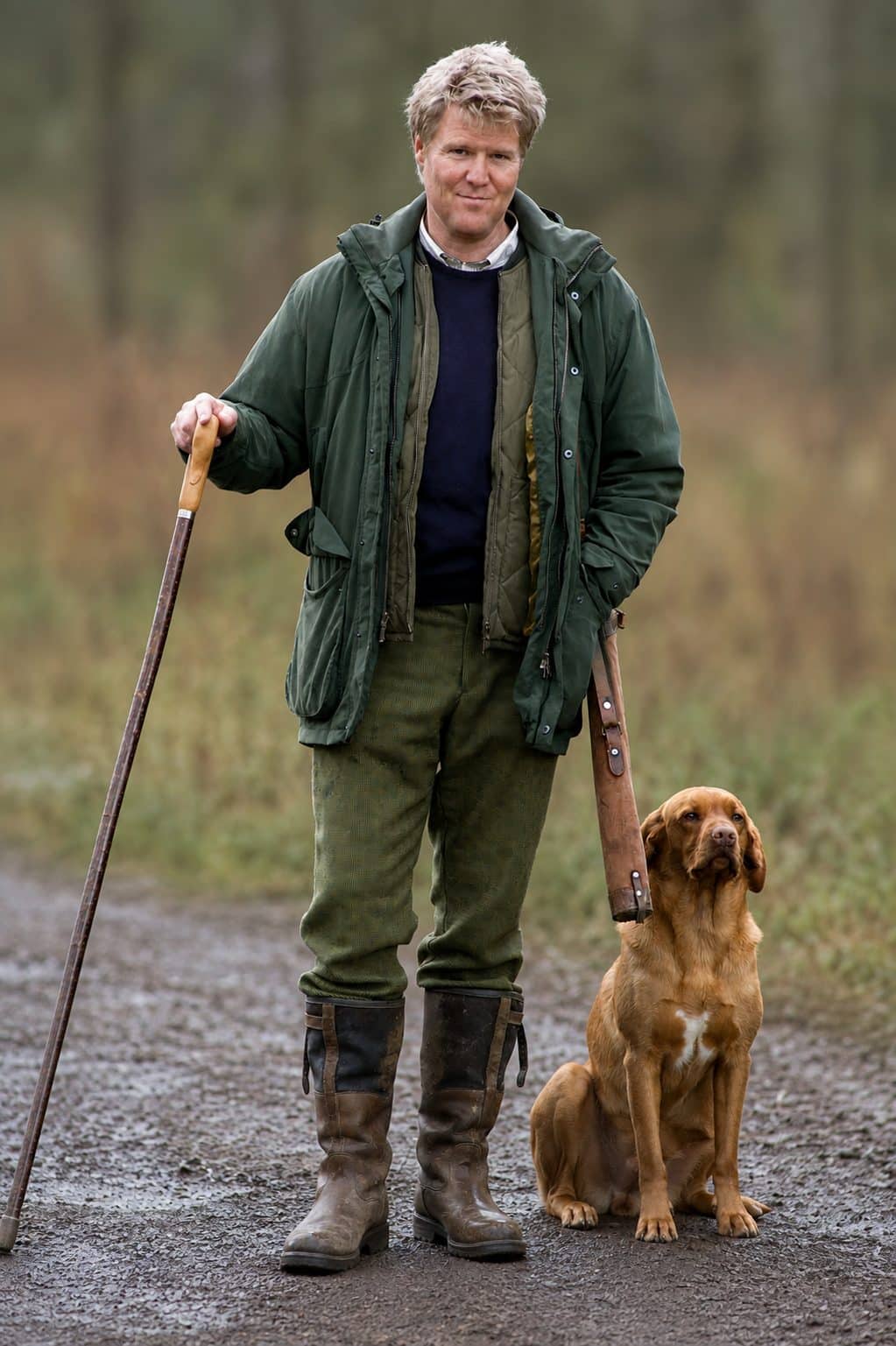
Lord James Percy
Northumberland-based Lord James Percy farms, shoots and manages the Linhope Estate in the Cheviot Hills. One of Britain's best game shots and a keen salmon angler, he has designed Barbour's Northumberland range, written Fields of Dreams, and writes on fieldsports and rural life.
Related Articles

Country Diary: why partridge shooting really begins in October
Giles Catchpole on drought-cracked earth, responsible land management, and why true traditionalists wait until October before addressing any partridges
By Giles Catchpole | 18 September 2026

Be the voice of shooting: why Defra needs your evidence
Defra has opened a review into every aspect of game shooting in England, and BASC's Conor O'Gorman argues that we cannot allow our opponents to decide the outcome by default
By Conor O'Gorman | 16 September 2026
Get the latest news delivered direct to your door
Subscribe to Shooting Times & Country
Discover the ultimate companion for fieldsports enthusiasts with Shooting Times & Country Magazine, the UK’s leading weekly publication that has been at the forefront of shooting culture since 1882. Subscribers gain access to expert tips, comprehensive gear reviews, seasonal advice and a vibrant community of like-minded shooters.
Save on shop price when you subscribe with weekly issues featuring in-depth articles on gundog training, exclusive member offers and access to the digital back issue library. A Shooting Times & Country subscription is more than a magazine, don’t just read about the countryside; immerse yourself in its most authoritative and engaging publication.