★ Your magazine. Your say. Complete our reader survey with a chance to win Jack Pyke kit worth £500! ★


Bird flu confirmed in England as keepers told to tighten up now
Highly pathogenic H5N1 in English commercial poultry and H5N5 in Scotland prompt a warning to every bird keeper, game farms included, ahead of the higher-risk winter months
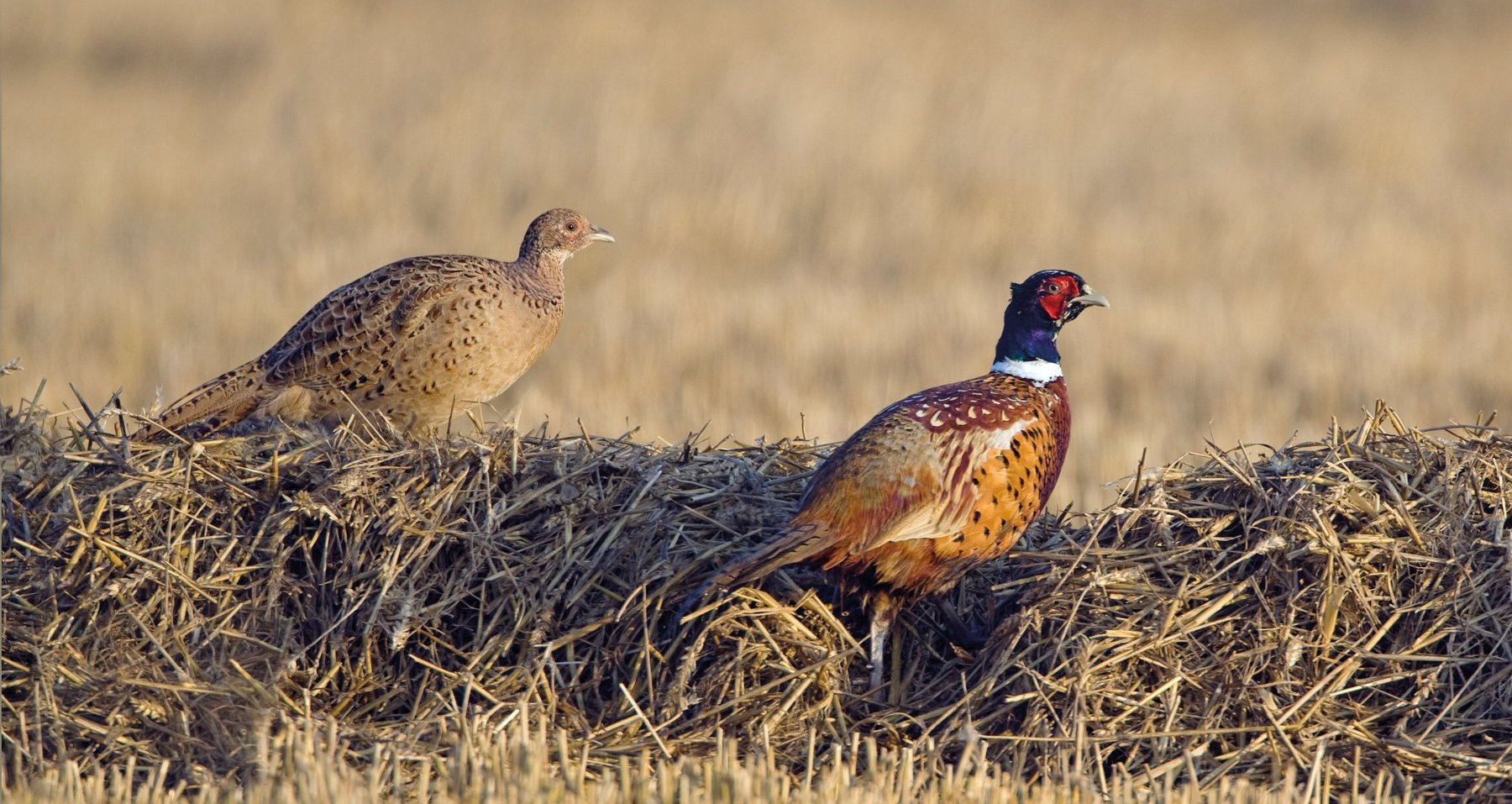

Bird flu has been confirmed in commercial poultry in England, and keepers across these islands – game farms and backyard flocks included – are being urged to strengthen their biosecurity now, before the higher-risk winter period. The Department of Agriculture, Environment and Rural Affairs (DAERA) in Northern Ireland said on Tuesday, 20 October 2026 that highly pathogenic H5N1 was confirmed in commercial poultry in England on 19 October, following confirmation of H5N5 in Scotland at the beginning of the month, with the virus continuing to circulate in wild birds across Europe.
The seasonal arrival of migratory wildfowl raises the risk each autumn, and this warning reaches the shooting community directly: game farms, laying flocks and any shoot still holding birds are kept-bird premises in law, and wildfowlers are among the likeliest to encounter sick or dead wild birds on the foreshore.
What does the chief vet advise?
Northern Ireland’s Chief Veterinary Officer, Brian Dooher, said: “The recent cases in Great Britain are an important reminder that avian influenza remains a threat. I am urging every bird keeper – whether they keep a few birds or thousands – to review their biosecurity now, minimise contact between their birds and wild birds, and monitor their flock closely.”
“Do not wait for the risk to increase before taking action,” he added. “Strict hygiene and robust biosecurity should be in place at all times. If you suspect avian influenza, report it to DAERA immediately.”
What should game farms and shoots do now?
The practical steps the department lists translate directly to a game farm or rearing field: keep housing areas clean and control rats and mice; disinfect footwear before and after visits; put feed and water where wild birds cannot reach them and clear spillages; fence outdoor areas and limit access to ponds used by wild waterfowl; and avoid keeping ducks and geese with other species where possible. Registration of kept birds is a legal requirement in Northern Ireland for all but household pet birds, and Great Britain operates its own registration rules for poultry and other captive birds. Avian influenza is a notifiable disease everywhere in the UK, and failure to report suspicion is an offence.
What happens next?
Veterinary agencies across the UK will keep assessing the risk as migration continues, and housing orders or prevention zones follow if the picture worsens, as in previous winters. Dead wild birds should be reported through the official reporting tools rather than handled, and keepers can check the current situation and biosecurity guidance on the government pages below. This story updates our October warning as the first GB poultry cases of the autumn are confirmed.
Frequently asked questions
Where has bird flu been confirmed this autumn?
Highly pathogenic H5N5 was confirmed in Scotland at the beginning of October 2026, and H5N1 in commercial poultry in England on 19 October, with the virus circulating in wild birds across Europe.
Do game birds count as kept birds?
Yes. Game farms, rearing fields and shoots holding birds are kept-bird premises, and registration requirements and the notifiable-disease rules apply to them as to poultry.
What should I do if I find dead wild birds?
Do not handle them. Report them through the official online reporting tools, and follow the guidance given.

 Closes 15 JanuaryWorth £129.90Win a pair of tickets to the British Shooting Show 2027Enter nowFree to enter
Related Articles
Moorland bird declines linked to less predator control in new data
The latest official wild bird statistics show upland specialists down 39% in England since 1994 – and name reduced site-based predator control among the major pressures on open-nesting moorland specie...
By News Desk | 21 October 2026
EFRA wildfire report calls for review of controlled burning rules
MPs say the UK is unprepared for severe wildfires after two record years, and want burning rules reviewed, firefighting aircraft secured and keepers’ work recognised before spring 2027
By News Desk | 21 October 2026
Get the latest news delivered direct to your door
Subscribe to Shooting Times & Country
Discover the ultimate companion for fieldsports enthusiasts with Shooting Times & Country Magazine, the UK’s leading weekly publication that has been at the forefront of shooting culture since 1882. Subscribers gain access to expert tips, comprehensive gear reviews, seasonal advice and a vibrant community of like-minded shooters.
Save on shop price when you subscribe with weekly issues featuring in-depth articles on gundog training, exclusive member offers and access to the digital back issue library. A Shooting Times & Country subscription is more than a magazine, don’t just read about the countryside; immerse yourself in its most authoritative and engaging publication.

