
Bird keepers told to tighten biosecurity against returning bird flu
Game farms and shoots that keep poultry are urged to act now, after the season’s first case on the Isle of Lewis ended Great Britain’s disease-free status
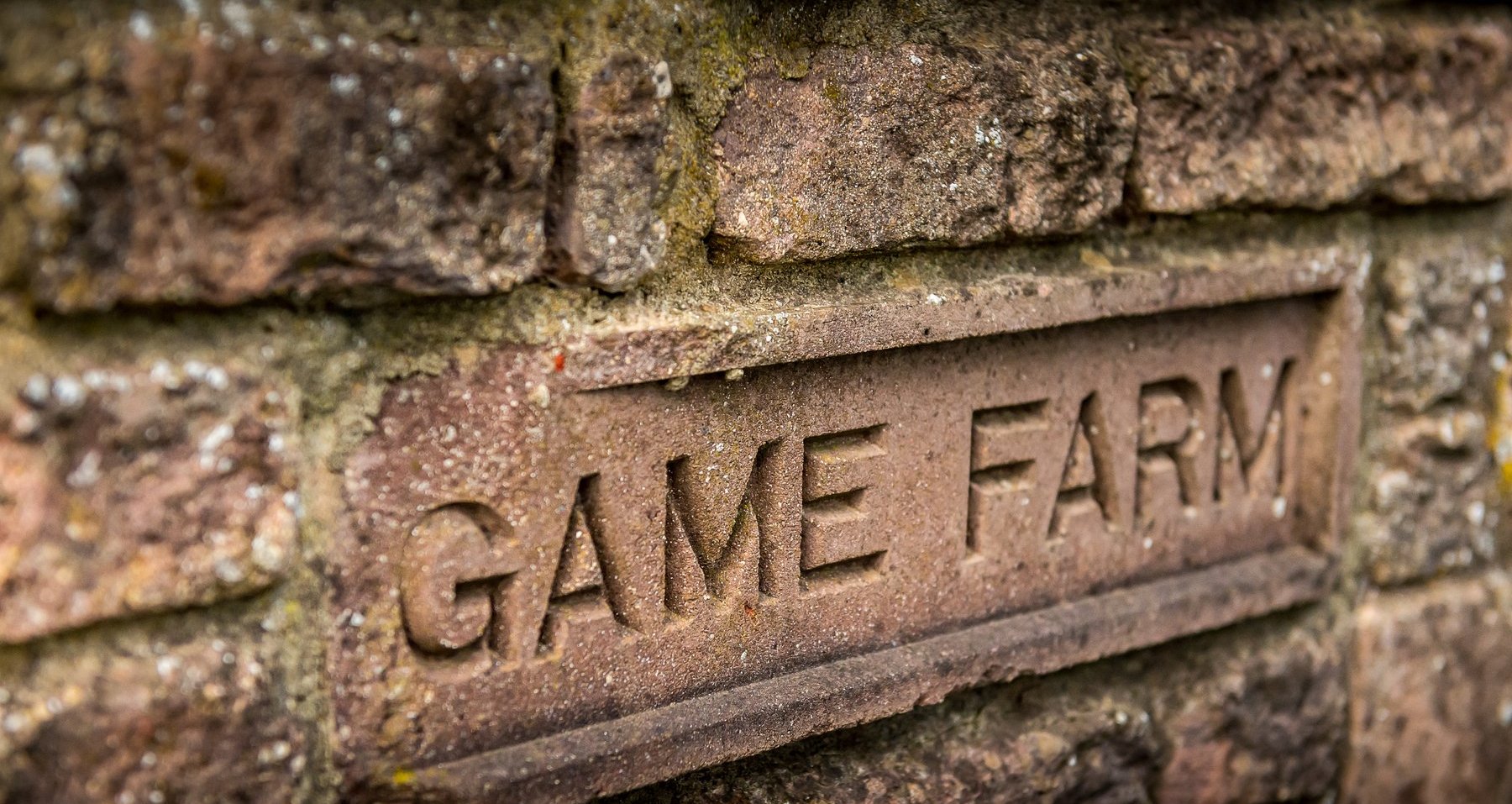

The Department for Environment, Food and Rural Affairs (Defra) has urged every bird keeper in the country to review and strengthen bird flu biosecurity ahead of winter, after highly pathogenic avian influenza (HPAI) returned to the UK with the season’s first confirmed case. The call, issued on 9 October alongside a matching appeal from the Welsh Government, follows confirmation of HPAI H5N5 in a small commercial poultry flock at Ness on the Isle of Lewis on 2 October, which cost Great Britain its disease-free status.
What is Defra asking keepers to do?
With migratory ducks and geese now returning to overwinter, Defra says the risk of the virus reaching kept birds is set to increase. Keepers of everything from commercial laying flocks to a few pens of poultry on a shoot are asked to keep bird areas clean and tidy, control rats and mice, disinfect hard surfaces and clean footwear before and after visits.
Feed and water should sit in fully enclosed areas protected from wild birds, with spilled feed removed regularly. Outdoor areas should be fenced, access to ponds visited by wild waterfowl limited, and ducks and geese kept apart from other poultry where possible.
Christine Middlemiss, the UK’s Chief Veterinary Officer, said: “All bird keepers must ensure ongoing robust biosecurity to protect the health and welfare of their birds. Good biosecurity is our best defence against the disease entering kept bird populations. I urge all bird keepers to remain vigilant, monitor their birds closely and report any suspicions of disease to APHA.”
Dr Richard Irvine, Chief Veterinary Officer for Wales, said: “Don’t wait until the risk increases – the time to act is now. Check you have strict hygiene and biosecurity in place at all times as this is the single most effective way to protect your birds from avian influenza.”
Who can claim the £430 vet review?
Eligible poultry keepers in England can claim a £430 funded Poultry Biosecurity Review under the Animal Health and Welfare Pathway: a visit from a vet of their choosing, a written report and tailored recommendations, with up to three reviews per site before the scheme closes. Eligibility starts at 1,000 chickens or 500 ducks, geese or turkeys on a site registered in England.
Gamebirds are not among the eligible species, so pheasant and partridge rearing fields do not qualify on their own – but many game farms and shoots that also keep qualifying poultry flocks can use the scheme, and the biosecurity checklist it works through applies to any rearing operation.
What does the Lewis case mean for shoots?
No avian influenza prevention zone is in force anywhere in Great Britain and there are no housing measures: the only live restrictions are the 3km protection zone and 10km surveillance zone around Ness, where releasing gamebirds is expressly prohibited. Elsewhere, releases and shoot days continue as normal under standing guidance, which asks keepers to cover feeders, move them regularly and check the ground around them for dead wild birds.
What happens next?
Official risk levels, updated on 1 October, put HPAI in wild birds in Great Britain at medium, with the risk to poultry low where biosecurity is suboptimal and very low where it is stringent. Keepers who suspect disease must report it to the Animal and Plant Health Agency (APHA) on 0300 303 8268; anyone with more than 50 birds is already required to register. The Game Farmers’ Association’s standing bird flu advice for gamebird keepers remains in force.
Frequently asked questions
Is there an avian influenza prevention zone in force?
No. As of 10 October 2026 no avian influenza prevention zone (AIPZ) or housing measures apply anywhere in Great Britain; the previous AIPZ was lifted on 4 June 2026. Only the protection and surveillance zones around Ness, Isle of Lewis, carry restrictions.
Can gamebirds still be released this season?
Yes, except within the 3km protection zone and 10km surveillance zone around the Lewis case, where releasing gamebirds is prohibited. Standing biosecurity guidance applies everywhere else.
Do game farms qualify for the £430 biosecurity review?
Not for gamebirds alone. The scheme covers chickens (1,000 or more) and ducks, geese or turkeys (500 or more) on English sites, so only qualifying poultry flocks can claim it.
 Closes 15 JanuaryWorth £129.90Win a pair of tickets to the British Shooting Show 2027Enter nowFree to enter
Related Articles
BASC Council elections 2027: nominations open for two seats
The association wants members with the judgement to shape its strategy and hold it to account, for a five-year term, around eight meetings a year and a £350 attendance allowance. What the job involves...
By News Desk | 12 November 2026
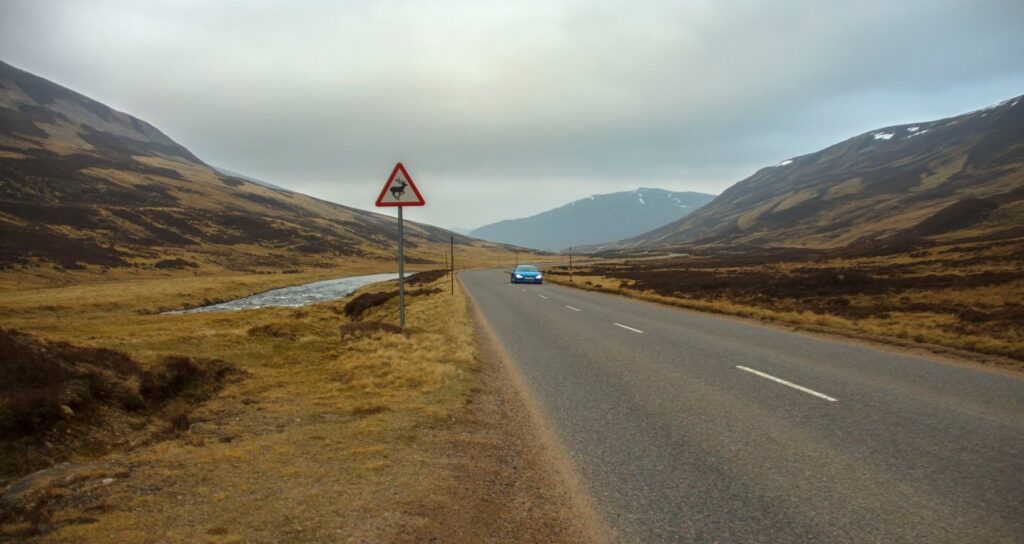
Deer collision warnings run on eight Highland trunk roads in November
NatureScot and Transport Scotland have put dawn and dusk alerts on the A9, A82, A96 and five other trunk roads for the rest of the month, with mobile signs at Lochend on Loch Ness, where collisions wi...
By News Desk | 12 November 2026
Get the latest news delivered direct to your door
Subscribe to Shooting Times & Country
Discover the ultimate companion for fieldsports enthusiasts with Shooting Times & Country Magazine, the UK’s leading weekly publication that has been at the forefront of shooting culture since 1882. Subscribers gain access to expert tips, comprehensive gear reviews, seasonal advice and a vibrant community of like-minded shooters.
Save on shop price when you subscribe with weekly issues featuring in-depth articles on gundog training, exclusive member offers and access to the digital back issue library. A Shooting Times & Country subscription is more than a magazine, don’t just read about the countryside; immerse yourself in its most authoritative and engaging publication.