★ Your magazine. Your say. Complete our reader survey with a chance to win Jack Pyke kit worth £500! ★


GWCT Cymru questions need for statutory hare close season in Wales
The trust's consultation response asks what evidence shows voluntary guidance is failing, and argues coursing gangs, not shooting, are the real threat to Welsh hares
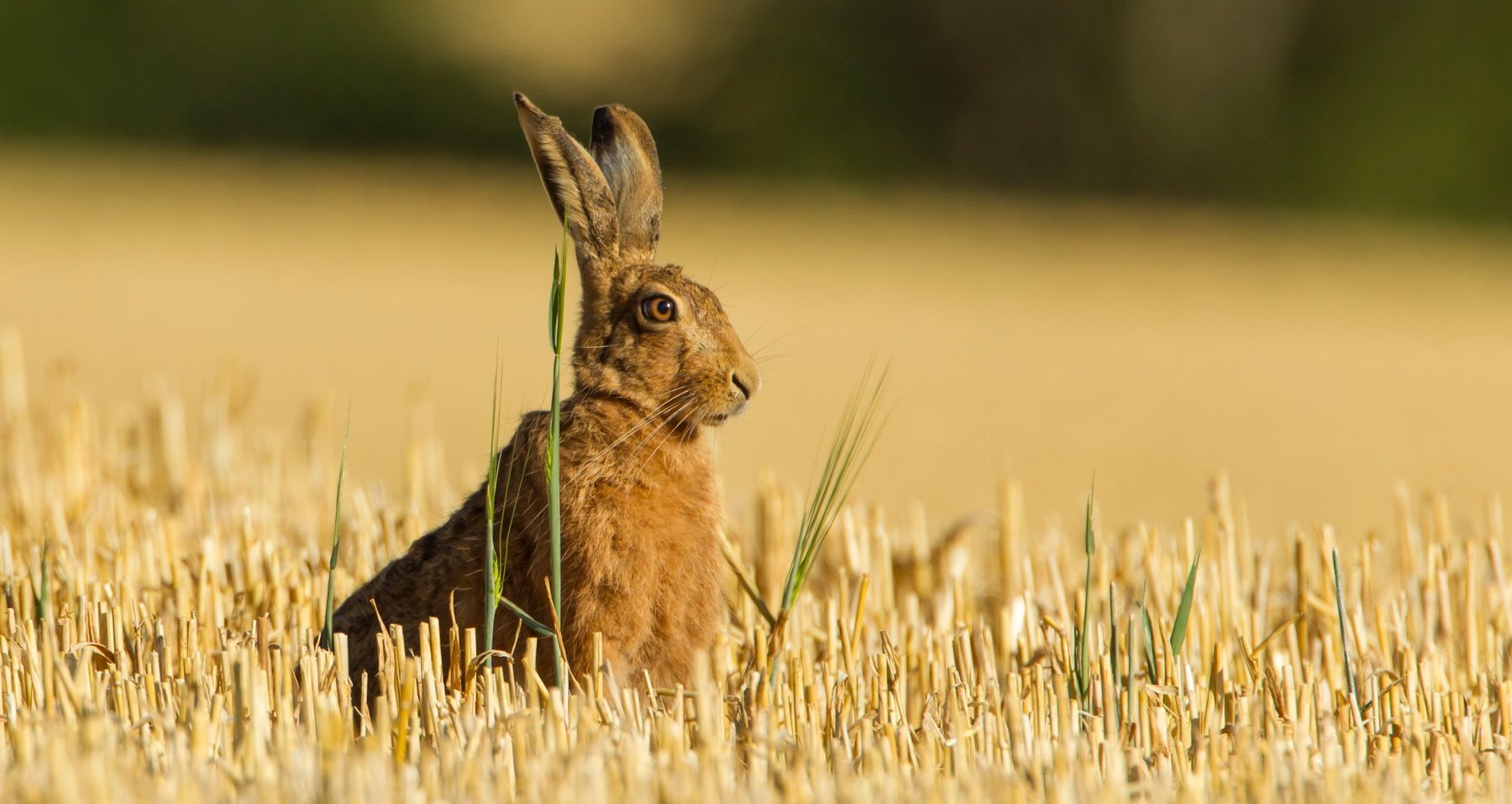

GWCT Cymru has challenged whether Wales needs a statutory close season for hares at all, in its response to the Welsh Government’s wild animal welfare consultation, which closed on Monday, 19 October. The trust says the case for legislation has not been made and that the greatest threat to Welsh hares is illegal coursing, not lawful shooting.
What is the Welsh Government proposing?
The white paper’s headline proposal is a statutory close season for hares running from 1 February to 30 September, mirroring Scotland’s, with licences available for killing in the close season in certain circumstances. Publishing the trust’s response, Sue Evans, GWCT Cymru’s policy director, noted that the consultation describes itself as evidence-led and that the Welsh Government’s own wording records that many organisations and individuals already follow voluntary guidance advising against shooting hares in the breeding season.
“What evidence is there that the current voluntary guidance is not being followed and that there is a problem in Wales?” the response asks.
Where the trust says the real threat lies
The Game & Wildlife Conservation Trust has been a Biodiversity Action Plan champion and joint lead partner for the brown hare since 1998, alongside the Mammal Society, and its long-running research at Loddington shows hare numbers are determined chiefly by habitat and predation management.
“The greatest threat to hares in Wales is hare coursing which is an illegal activity and comes with the threat of violence from some very scary people involved in organised crime who threaten bodily harm to farming families,” the trust said. “Rather than investing time and funds into this legislation more hares could be protected by reviewing the legislation around hare coursing with more serious penalties and increased policing resource.”
The trust argues that a statutory season would not address either driver of hare abundance, while absorbing official time and money that could be spent on enforcement against the coursing gangs its response describes.
What happens next?
The Welsh Government will now analyse responses to the white paper, which also proposes a new offence of intentionally or recklessly disturbing seals, and ministers have given no date for their response. At Westminster, a private member’s bill proposing a hare close season for England and Wales awaits its second reading in March 2027, so the Welsh decision will be read closely on both sides of the border. Shooting organisations have generally backed voluntary restraint in the breeding season while opposing a statutory framework they argue would add licensing burdens without helping hare numbers.
Frequently asked questions
What close season is proposed for hares in Wales?
A statutory close season from 1 February to 30 September, mirroring Scotland’s, with licences available to permit killing in the close season in certain cases.
Is there currently a close season for hares in England and Wales?
No statutory close season applies, though voluntary guidance advises against shooting hares during the breeding season and a Westminster bill proposing one awaits its second reading in March 2027.
What does GWCT Cymru want instead?
Tougher penalties for illegal hare coursing and more policing resource, with hare recovery driven by habitat and predation management rather than new licensing law.

 Closes 15 JanuaryWorth £129.90Win a pair of tickets to the British Shooting Show 2027Enter nowFree to enter
Related Articles
Moorland bird declines linked to less predator control in new data
The latest official wild bird statistics show upland specialists down 39% in England since 1994 – and name reduced site-based predator control among the major pressures on open-nesting moorland specie...
By News Desk | 21 October 2026
EFRA wildfire report calls for review of controlled burning rules
MPs say the UK is unprepared for severe wildfires after two record years, and want burning rules reviewed, firefighting aircraft secured and keepers’ work recognised before spring 2027
By News Desk | 21 October 2026
Get the latest news delivered direct to your door
Subscribe to Shooting Times & Country
Discover the ultimate companion for fieldsports enthusiasts with Shooting Times & Country Magazine, the UK’s leading weekly publication that has been at the forefront of shooting culture since 1882. Subscribers gain access to expert tips, comprehensive gear reviews, seasonal advice and a vibrant community of like-minded shooters.
Save on shop price when you subscribe with weekly issues featuring in-depth articles on gundog training, exclusive member offers and access to the digital back issue library. A Shooting Times & Country subscription is more than a magazine, don’t just read about the countryside; immerse yourself in its most authoritative and engaging publication.

