★ Your magazine. Your say. Complete our reader survey with a chance to win Jack Pyke kit worth £500! ★


Why Peter Wilson’s small Dorset farm shoot focusses on teamwork
Olympic champion Peter Wilson shoots a 10-Gun syndicate on a 500-acre Dorset family farm where the owner holds the bag at around 100 and refuses to let Guns, beaters and pickers-up drift apart. For shoot owners and keepers it is a case study in running small on purpose


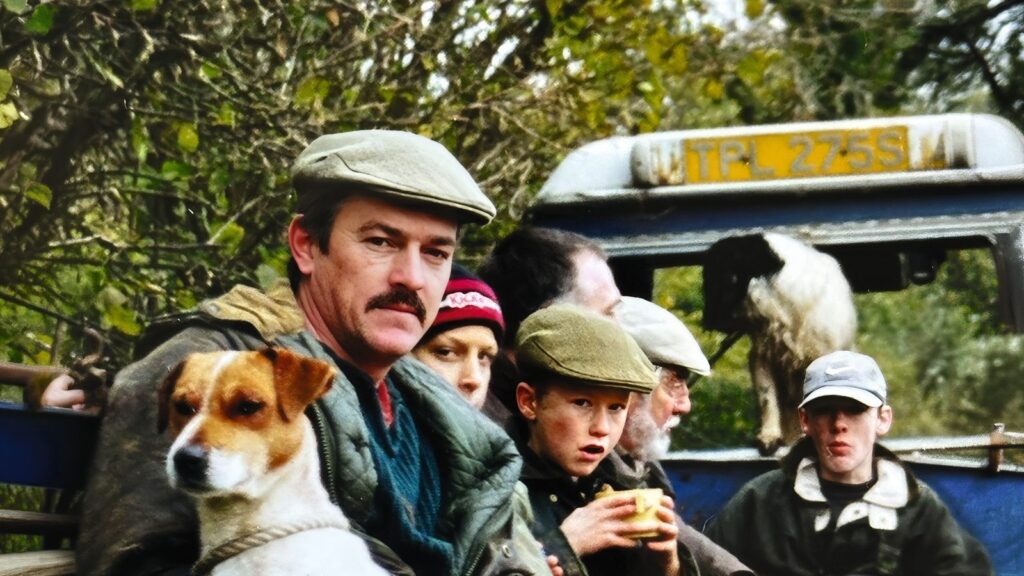
A 500-acre family farm in a Dorset valley, four drives on roughly 30 acres, 10 Guns and a bag that rarely tops 100 birds: Black Marsh Farm is the sort of shoot that seldom reaches a magazine. Matt Kidd spent a day there with Olympic gold medallist Peter Wilson MBE and came away arguing that shoots of this size hold a value out of all proportion to the bag.
For the shoot owner, keeper or farmer who runs something similar, the feature is less about the famous Gun than about the decisions Peter Hunt, who owns the shoot and the farm, has taken to keep it small, together and enjoyable when growth was on offer.
How did Black Marsh Farm grow from duck evenings into a 10-Gun syndicate?
“It started with friends coming down for an evening. We’d do a bit of duck shooting, then go to the pub,” Hunt, quoted in Fieldsports Journal, said. “Then it became some clays and the pub, then Brian Green came along and said, ‘You should put a drive here and a drive there’. That’s how we slowly grew, although for 10 years we drank more bottles of wine than birds we shot.”
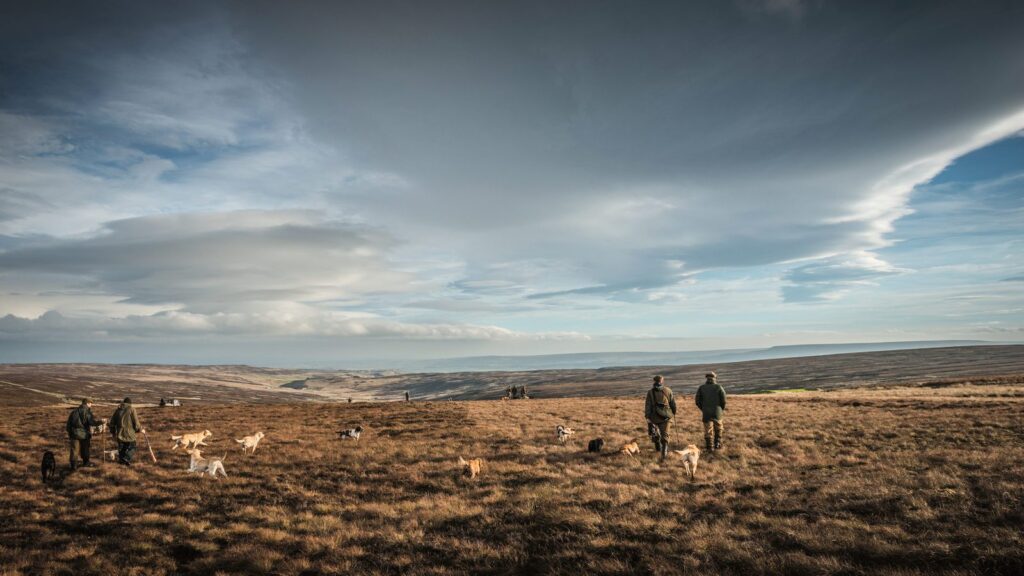
Kidd records that the early days ran to 55 – 60 birds. Today Black Marsh Farm is a 10-Gun syndicate with four drives, named Badgers, Oak Tree, No Name and Quarry, and a typical maximum bag of around 100 birds. The ground is predominantly cropped rather than wooded, which, in Kidd’s words, “dictates the season and the way birds hold”. It is an early season affair, starting on the first Saturday in October and usually finishing before Christmas, with one final syndicate day often run in January.
Why does Peter Hunt refuse to let the shoot get any bigger?
Hunt’s reasoning is simple. “It stops being fun if it gets too big. I want everyone together the whole time, and don’t want the Guns, beaters and pickers-up to get split up,” he said.
Kidd writes that these days matter especially to Hunt through the winter months, when farming can be isolating and the dark days long. The day Kidd describes included celebrating the birthday of one of the pickers-up, who turned 70 that day. For the ShootingUK reader who runs or keepers a farm shoot, the lesson is a management choice: the bag sets the size of the team, and keeping Guns, beaters and pickers-up within sight of each other all day is deliberate policy.
How does a farm with 150ft of elevation show such high birds?
The quality of the birds is the surprise of the feature. “You’re probably only talking 100 to 150 feet elevation from where the Guns stand to where the birds are flushed,” Hunt explained, “but there’s something about this valley; they don’t dip, they just keep climbing.”
The morning began indoors, sheltering from persistent rain, where pegs were drawn, safety was covered and the team greeted one another before the tractor-drawn gun bus set off. Badgers opened the day; Kidd notes that early season birds can be electric there, though they have a habit of slipping away if pressure builds. Oak Tree, which he calls a deceptively gentle-looking drive, produced birds of what he describes as truly astonishing height, with a mix of cocks and hens and a handful of redleg partridge coveys. No Name and Quarry followed. The bag was a good head of pheasant and partridge, along with a couple of pigeons and, unexpectedly, a magpie, for a little over 500 shots.
What does an Olympic champion’s choice of a small shoot say about the sport?
Wilson, who won double trap gold for Great Britain at London 2012, was guest editor of the Fieldsports Journal issue in which the feature first appeared. He was invited to Black Marsh Farm more than a decade ago through mutual friends and this was his fourth day there. “I love it here. It’s family-friendly, local and relaxed. You can’t really get much better than that,” he said.
His wife Michelle and daughters Robyn and Etta came too, the girls loading for him. Wilson said “they are terrible at it – very slow”, and Kidd observes that on a day like this a fumbled cartridge is no problem. “Game shooting is my hobby. Clay shooting is my job. When something becomes your profession, the pressure changes. On a game day like this, you can shoot without that constant expectation. Although it is still there in the background, of course.”
The professional showed nonetheless. Kidd writes that while most Guns shot five or six cartridges or more to each bird, Wilson missed with just one cartridge all day, which irked him more than anyone else. He was shooting papercase RC cartridges, a 34g load of No.4s that Kidd describes as rare and hard to obtain, and admitted they may soon give way to lighter loads to ease persistent headaches from the vibration when shooting. Hunt’s verdict: “You see lots of good Guns hit birds, and we are lucky to have many in our syndicate, but when Peter hits them, they just fold, stone dead. It’s clinical, but in a very relaxed way.”
When a Gun who could shoot anywhere keeps returning to a 10-Gun farm syndicate for its family-friendly, local and relaxed character, the modest working-farm shoot has a champion’s endorsement to set against anyone who measures a shoot by its bag.
What happens next
Black Marsh Farm’s season opens on the first Saturday in October, which this year falls on 3 October, and will run to Christmas with the usual January syndicate day to follow. Kidd’s closing thought in Fieldsports Journal is that the shoot “may not boast grand drives or towering woodland, but it delivers a genuine sense of belonging, good honest sport”, and that “sometimes we all need a reminder that less really is more”. The full feature is on the Fieldsports Journal website.
Frequently asked questions
Where is Black Marsh Farm shoot?
Black Marsh Farm is a family farm of around 500 acres in a Dorset valley, owned by Peter Hunt. The shoot itself covers roughly 30 acres of predominantly cropped ground with four drives: Badgers, Oak Tree, No Name and Quarry.
How many Guns shoot at Black Marsh Farm and what is the bag?
It is a 10-Gun syndicate with a typical maximum bag of around 100 birds, mainly pheasant with some redleg partridge. Early days on the shoot ran to 55 – 60 birds. The season starts on the first Saturday in October and usually ends before Christmas, with one syndicate day often run in January.
Who is Peter Wilson MBE?
Peter Wilson is the Dorset shooter who won the men’s double trap gold medal for Great Britain at the London 2012 Olympic Games. He describes clay shooting as his job and game shooting as his hobby, and has shot at Black Marsh Farm four times since being invited more than a decade ago.
What cartridges did Peter Wilson use at Black Marsh Farm?
According to Fieldsports Journal he shot papercase RC cartridges with a 34g load of No.4 shot, and said he may move to lighter loads to ease persistent headaches caused by the vibration when shooting.

About the author
Matt Kidd
Managing editor of Sporting Gun since 2025, Matt succeeded Paul Austin and runs the magazine alongside a monthly guest editor, a chair filled recently by Andy Crow, George Digweed, Nathan Hales, Vinnie Jones, Jonny Carter and Ben Randall.
 Closes 15 JanuaryWorth £129.90Win a pair of tickets to the British Shooting Show 2027Enter nowFree to enter
Related Articles
Every shoot has a story: a Hampshire family tells Defra what game shooting means to them
Your experience of game shooting in England is the evidence Defra needs by 1 November, says BASC’s Conor O’Gorman, as Paul Faithfull and his sons Luke and Dean share what they told the review
By Conor O'Gorman | 29 October 2026
Sporting agencies: five firms that let driven days and stalking
For the estate letting days and the Gun trying to find one, the agencies are the market. Five of the best compared on identical terms: where they are, what they can put you into, who to ring and what...
By News Desk | 17 October 2026
Get the latest news delivered direct to your door
Subscribe to Shooting Times & Country
Discover the ultimate companion for fieldsports enthusiasts with Shooting Times & Country Magazine, the UK’s leading weekly publication that has been at the forefront of shooting culture since 1882. Subscribers gain access to expert tips, comprehensive gear reviews, seasonal advice and a vibrant community of like-minded shooters.
Save on shop price when you subscribe with weekly issues featuring in-depth articles on gundog training, exclusive member offers and access to the digital back issue library. A Shooting Times & Country subscription is more than a magazine, don’t just read about the countryside; immerse yourself in its most authoritative and engaging publication.

