★ Your magazine. Your say. Complete our reader survey with a chance to win Jack Pyke kit worth £500! ★
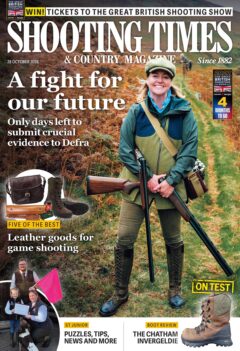

Every shoot has a story: a Hampshire family tells Defra what game shooting means to them
Your experience of game shooting in England is the evidence Defra needs by 1 November, says BASC’s Conor O’Gorman, as Paul Faithfull and his sons Luke and Dean share what they told the review
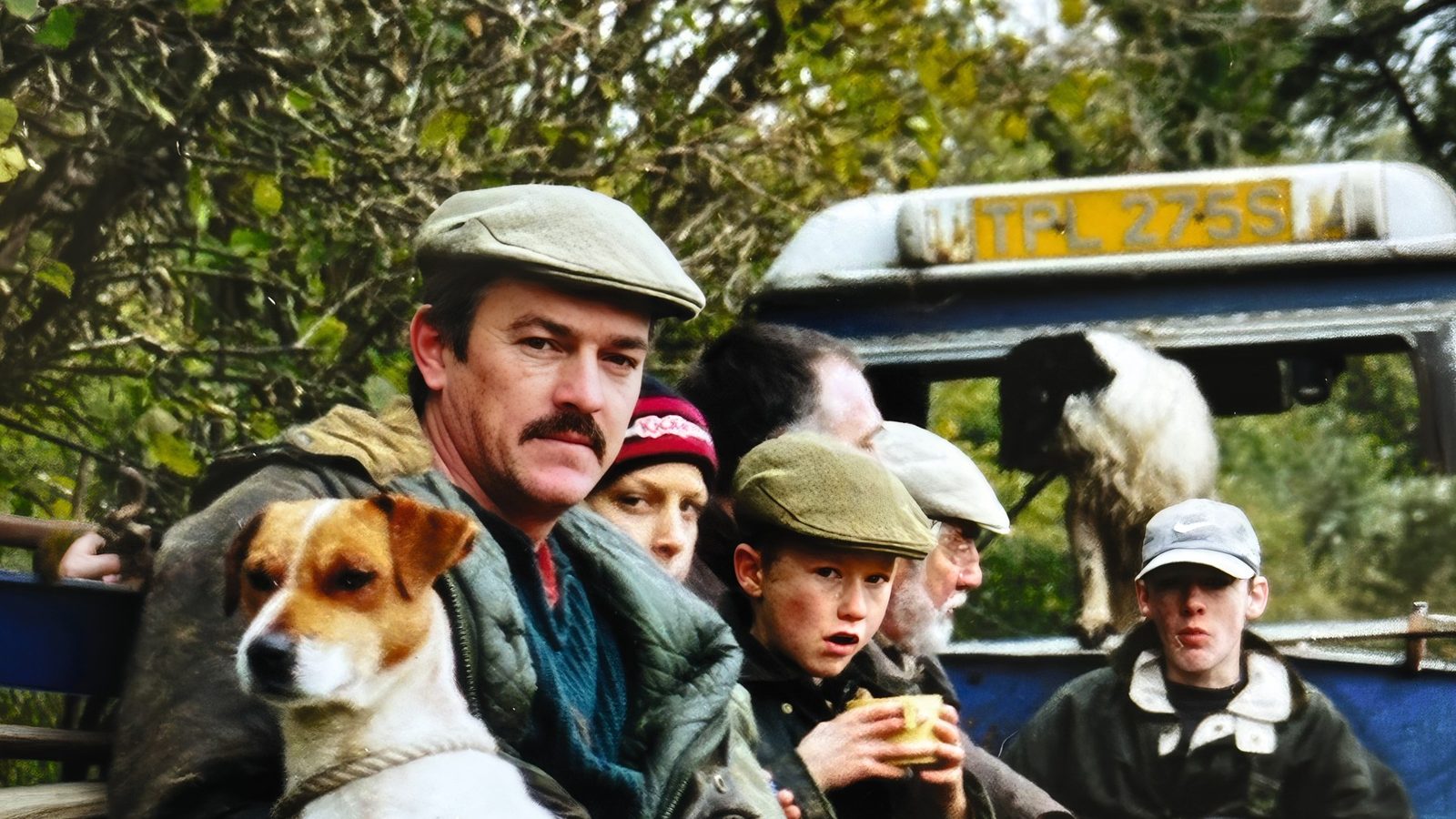

Defra has received thousands of emails to its game shooting review, and each tells an important story from all walks of life, spanning all ages, and from every aspect. Those emails include submissions from shoot participants, managers and owners, farmers and the myriad businesses that shooting supports.
We need more people to come forward. Anti-shooting groups, including Wild Justice and Protect the Wild, have recently launched vocal campaigns urging supporters to contact Defra. They are using this review as an opportunity to create a negative narrative about shooting to justify a ban. Let’s prove them wrong.
Since the call for evidence launched in September, I have been reading the many submissions that Shooting Times readers have copied me into. The evidence could not be clearer: shooting transcends generational and social divides, bringing people together, benefitting nature, helping the rural economy and providing healthy locally sourced wild food.
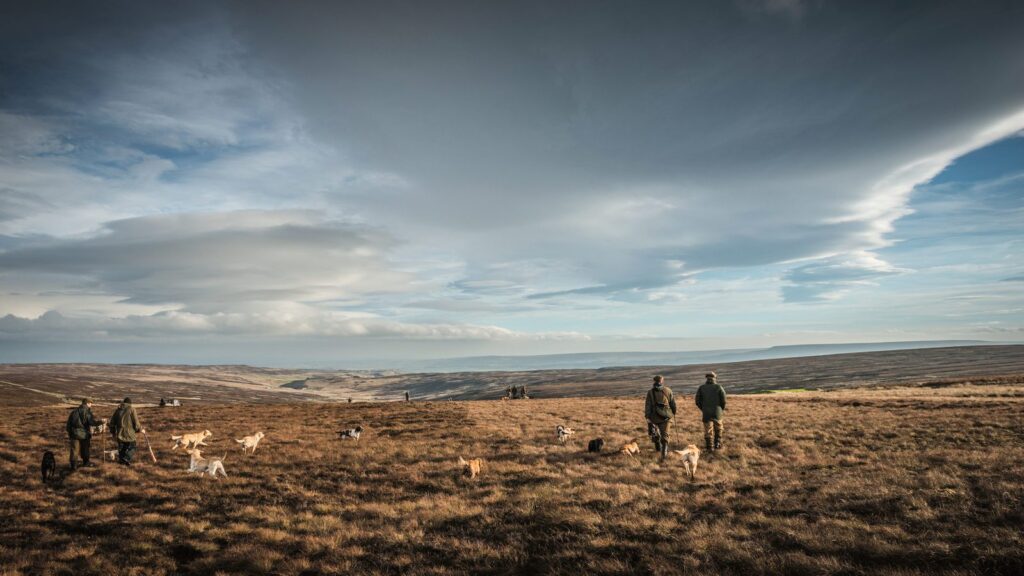
For weeks I have been sharing a selection of responses in each issue of Shooting Times, and this week it’s a family focus. Paul Faithfull and his sons Luke and Dean emailed Defra their shared family experiences of game shooting in Hampshire. Here are some extracts from their submissions.
Paul Faithfull: shooting and beating across Hampshire
I am retired, and shooting and beating across Hampshire is a very important part of my life. During the season I can be involved with pheasant shooting and beating around four times a week. It provides most of my regular exercise, but just as importantly it provides friendship, companionship and a reason to get outside and be part of a community.
Without it, there would be a very large gap in my life.
Over the years I have made many close friendships through shooting. I have also been fortunate to share countless days in the countryside with my sons. Those memories mean a great deal to me. Some of our strongest family memories have come from being outdoors together, working on shoot days and sharing a love of the Hampshire countryside.
As a father, game shooting and beating gave me an opportunity to teach my sons important lessons that I believe remain just as valuable today. They learned to respect nature, understand where food comes from, behave responsibly around wildlife, work hard outdoors and develop practical outdoor skills.
I now see that continuing with my grandsons. They already love being in the countryside and taking part in rural activities. They are learning that enjoying the countryside also brings responsibilities: respecting wildlife, caring for habitats and appreciating the work that goes into managing the land. Paul Faithfull
Luke Faithfull: shoot days that bring generations together
Shooting and the countryside have been part of my life since childhood, particularly growing up in Hampshire. I spent much of my early life outdoors with my family, learning about shooting, wildlife and rural life, and those experiences have stayed with me throughout my adult life.
Some of my strongest childhood memories involve being out in the countryside with my dad and brother. Shoot days were never simply about the moment a bird was shot. They involved entire days outdoors, walking, beating, talking to people, working together and being part of a wider rural community.
Modern life can make it very easy to become disconnected from the countryside and from the people around you. Shooting and beating bring people together face to face, often across several generations.
Young people work alongside people who may have spent 50 or 60 years involved with the countryside, and knowledge and traditions are passed on naturally through those relationships. Luke Faithfull
Dean Faithfull: the English countryside as home
Game shooting has been part of my life for most of my 39 years. For me, the English countryside is far more than somewhere I visit. It represents home, our culture and an important part of what makes England what it is. Having lived in different countries around the world, I have come to appreciate that even more.
Countryside life is part of my everyday life, whether that is taking my dog to rural events, going beating, attending shoots or simply spending time outdoors. It has taught me to respect wildlife and the land rather than take either for granted.
I recognise that any activity involving wildlife should be carried out responsibly and with appropriate standards. However, I hope the review also gives proper weight to the social, cultural and environmental contribution made by responsible game shooting and the people who support it.
I have introduced my American wife to game shooting and the English countryside. She has grown to love it and has gained a much better understanding of me as a person because of it. Through being involved, she has seen first-hand why the countryside, shooting and rural traditions mean so much to me and to my family. Dean Faithfull
Shooting as a support network through bereavement
Family connections are a cornerstone of a number of submissions to Defra, with some heartfelt accounts highlighting how active involvement in game shooting provides a vital support network during times of bereavement.
Mike Stratton from Northamptonshire emailed Defra: “My life changed drastically in May after losing my wife but the joy of working my dog, meeting friends on shoot days and enjoying the camaraderie of other passionate sports people has kept me going.
“Game shooting is more than a sport, more than something that we do, more than a part of the countryside… it is the countryside we live in. Without the benefits of game rearing, release and shooting the countryside will change for the worse forever.”
The shooting community is providing deeply personal insights in good faith to Defra for its review, and should the Government attempt a heartless unevidenced move to restrict game shooting it will have a massive fight on their hands. For now, however, please submit your experiences as evidence by 11.59pm on Sunday 1 November.
Final opportunity to email Defra your story
You can influence Defra’s review by emailing gamebirds@defra.gov.uk with your experiences of game shooting in England. Please copy me in at conor.ogorman@basc.org.uk.
There is more guidance on the BASC website, including a template email tool to get you started.
This is a fight for the future of shooting and our way of life. Thank you for being the voice of shooting.
Dr Conor O’Gorman is BASC’s head of policy and campaigns. He has over 25 years of experience in conservation and land management and a keen interest in wild grey partridges.
Frequently asked questions
When does Defra’s game shooting call for evidence close?
The call for evidence on gamebird rearing, release and shooting in England closes at 11.59pm on Sunday 1 November 2026.
Where do I email my evidence?
Email gamebirds@defra.gov.uk with your experiences of game shooting in England. BASC’s Conor O’Gorman asks to be copied in at conor.ogorman@basc.org.uk, and BASC has a template email tool on its website.
About the author
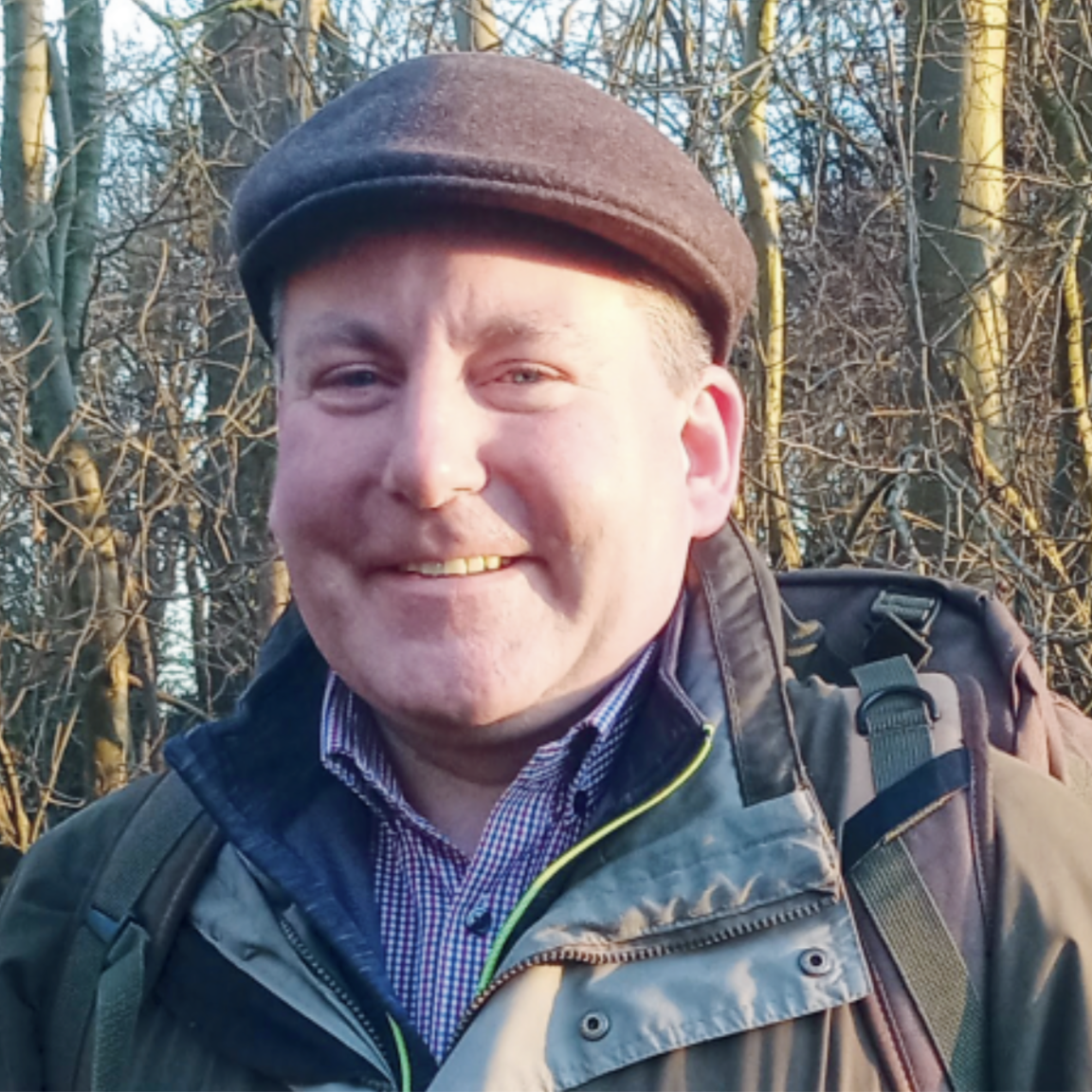
Conor O'Gorman
BASC's Chester-based head of policy and campaigns, Dr Conor O'Gorman contributes to Shooting Times and ShootingUK, writing on firearms licensing, the transition to lead-free ammunition, wildlife management and conservation. He was named Media Contributor of the Year at the British Shooting Show Awards 2026. Conor qualified as a zoologist in Ireland in 1996 and began work on a gamekeeping and habitat restoration project to save the Irish grey partridge from extinction, research for which he was awarded a PhD; he retains a keen interest in the project. He joined BASC in 2003, spending several years negotiating wildfowling leases and consents in England, Wales and Northern Ireland before overseeing the association's responses to government consultations at national and international level. He has more than 25 years' experience in conservation and land management.
 Closes 15 JanuaryWorth £129.90Win a pair of tickets to the British Shooting Show 2027Enter nowFree to enter
Related Articles
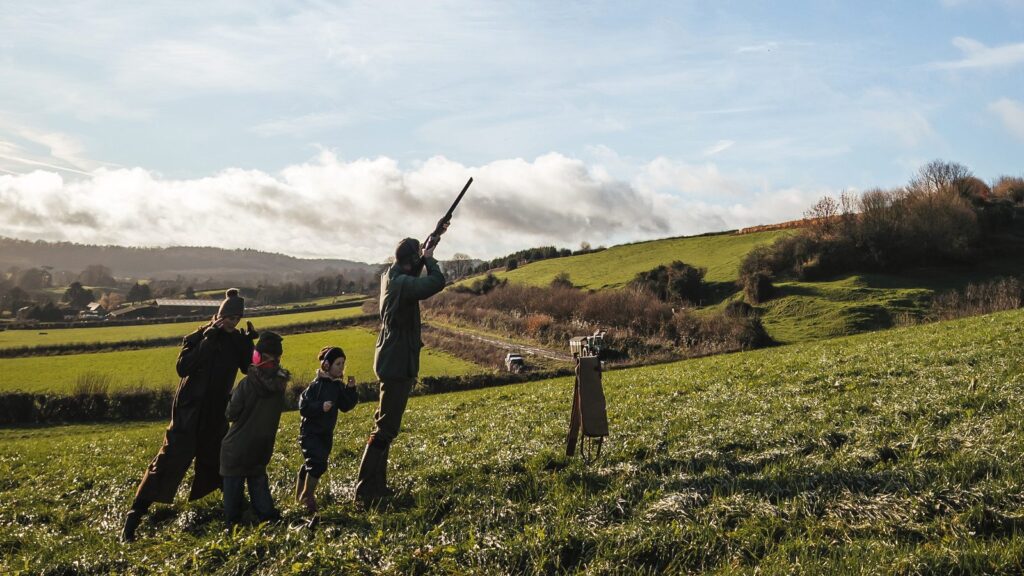
Why Peter Wilson’s small Dorset farm shoot focusses on teamwork
Olympic champion Peter Wilson shoots a 10-Gun syndicate on a 500-acre Dorset family farm where the owner holds the bag at around 100 and refuses to let Guns, beaters and pickers-up drift apart. For sh...
By Matt Kidd | 29 October 2026
Sporting agencies: five firms that let driven days and stalking
For the estate letting days and the Gun trying to find one, the agencies are the market. Five of the best compared on identical terms: where they are, what they can put you into, who to ring and what...
By News Desk | 17 October 2026
Get the latest news delivered direct to your door
Subscribe to Shooting Times & Country
Discover the ultimate companion for fieldsports enthusiasts with Shooting Times & Country Magazine, the UK’s leading weekly publication that has been at the forefront of shooting culture since 1882. Subscribers gain access to expert tips, comprehensive gear reviews, seasonal advice and a vibrant community of like-minded shooters.
Save on shop price when you subscribe with weekly issues featuring in-depth articles on gundog training, exclusive member offers and access to the digital back issue library. A Shooting Times & Country subscription is more than a magazine, don’t just read about the countryside; immerse yourself in its most authoritative and engaging publication.

