
No shaggy dog story: why gundog owners should tell Defra what their dogs mean to them
If gundogs are your passion, draw on your experience when responding to Defra's game shooting review, urges BASC's Conor O'Gorman – with three owners showing how it is done


The clock is ticking for the future of British fieldsports. The Government’s review of game shooting in England closes on 1 November. One email is all it takes. If you haven’t sent yours yet, please act today.
By this time last week, BASC had received copies of more than 4,000 emails sent to Defra by people sharing their experiences of game shooting.
Among those responses covering every aspect of game shooting are many excellent submissions from gundog owners, and here are just three examples from around the country.
A living part of our rural heritage
Bronwyn Boughton, Peak District, writes: Britain has an extraordinary heritage of working gundog breeds, breeding lines and skills developed over generations specifically around shooting and game management.
Retrievers, spaniels, pointers and setters are not simply accessories to a day’s sport. Their breeding, training and working ability represent a living part of our rural heritage. Thousands of owners devote enormous amounts of time to training dogs to hunt, point, flush, retrieve and work collaboratively with their handlers. Shooting provides the practical environment in which those inherited working characteristics continue to have purpose.
If game shooting were substantially diminished, the consequences would extend into working-dog culture: trainers, breeders, field trials, working tests and, ultimately, the preservation of functional characteristics within breeds developed for these roles.
As somebody involved with working gundogs, I feel particularly strongly that this aspect of the countryside should not be dismissed as sentimental or outdated. These are living traditions, maintained through participation rather than preserved behind glass.
The bond built on a shoot day
Paul Delaney, Norfolk, writes: One of the greatest pleasures for me is working my two labradors on shoot days. There is something incredibly rewarding about watching them work. Seeing them use their natural ability, enthusiasm and training to do the job they were bred to do and love doing gives me an enormous amount of satisfaction.
Working alongside my dogs also creates a special bond between us. Watching them search, retrieve and carry out their work with such enthusiasm is something I never take for granted. The excitement they show when they know it is a shoot day, and the enjoyment they get from working, is second to none.
For me, shooting in the countryside is therefore about far more than the shooting itself. It is about being outdoors, being part of a community, maintaining traditions, enjoying the company of friends and, most importantly, sharing those experiences with my dogs.
Six springers in Keswick
Vaughan Westall, County Durham, writes: As a beater, the bond my wife and I share with our dogs is built in those moments in the field when they’re working with total joy and purpose, and seeing them come alive in that environment is one of the most meaningful parts of our lives. The shoot days give us connection, belonging and pride, and the fulfilment our dogs gain from doing the job they were bred and trained for is something no substitute activity could ever replace.
As an aside, recently we were in Keswick picking up a new pair of waterproof trousers for my wife before the start of the season. We had six of our springers with us. The attention they received from members of the public was incredible.
We chatted for a good 15 minutes to another couple from Cornwall who shoot about their dogs and ours. We were interrupted by a lovely older lady from the US who asked if she could take a picture for her friend as she had never seen so many springers together in one place.
When I was waiting outside the shop while my wife was trying on trousers, I spoke to another dozen people, with another couple asking if it was okay to take pictures for people they knew. This would never have happened without shooting and Defra never sees or even considers the social benefits it brings to people who have no links to shooting.

Why handlers see the health of the countryside first
Working dogs spend their winters deep inside the thickest briars, game crops, and woodland margins. As a result, handlers are often the first to notice changes in the health of the countryside.
By documenting your observations over seasons of working the same ground, you are providing Defra with the exact “experiential evidence” they need to prove that managed shoots foster healthy, well-monitored ecosystems.
For many, gundog training and working on a shoot day is the primary social hub of the winter. It provides a profound sense of purpose, physical exercise, and camaraderie that wards off rural isolation.
The bond between a handler and their dog, and the shared connection with the team of people that make a shoot day happen is a powerful story.
Two weeks to tell your story
For this issue, I have focused on gundogs, but Defra’s review covers all aspects of game shooting. Gamekeepers, shoot owners, farmers, beaters, pickers-up, Guns, gundog trainers, feed merchants, vets and rural businesses of every kind all have a story to tell. Defra needs to hear from many more of us – and we have two weeks to make that happen.
Remember, we are not the only ones writing. Organisations that want shooting to end are urging their supporters to respond in large numbers. When Defra weighs the evidence, our responses may well be measured against theirs. We have the stronger case, but we need the weight of evidence to demonstrate it.
How to tell your story
You can influence Defra’s review by emailing gamebirds@defra.gov.uk with your experiences of game shooting in England. Please copy me in at conor.ogorman@basc.org.uk and I may be in touch about using some of your submission to encourage others to get involved.
There is more guidance on the BASC website.
Please do one more thing
Please tell people involved in shooting about the review and your submission. Many of the people we are talking to on shoots, at clay grounds and in gun shops are still unaware of the review.
The shooting organisations can make the case to government, the press and every member they have – but your conversations with fellow beaters, pickers-up and Guns could help raise awareness and persuade many more people to act.
This is a fight for the future of shooting and our way of life. Thank you for being the voice of shooting.
Dr Conor O’Gorman is BASC’s head of policy and campaigns. He has over 25 years of experience in conservation and land management and a keen interest in wild grey partridges.
Frequently asked questions
When does Defra’s review of game shooting close?
The Government’s review of game shooting in England closes on 1 November.
How do I respond to Defra’s game shooting review?
Email gamebirds@defra.gov.uk with your own experiences of game shooting in England. BASC asks respondents to copy in conor.ogorman@basc.org.uk, and there is more guidance on the BASC website.
Who should respond to the review?
Anyone with experience of game shooting in England, including gundog owners, gamekeepers, shoot owners, farmers, beaters, pickers-up, Guns, gundog trainers, feed merchants, vets and rural businesses.
About the author
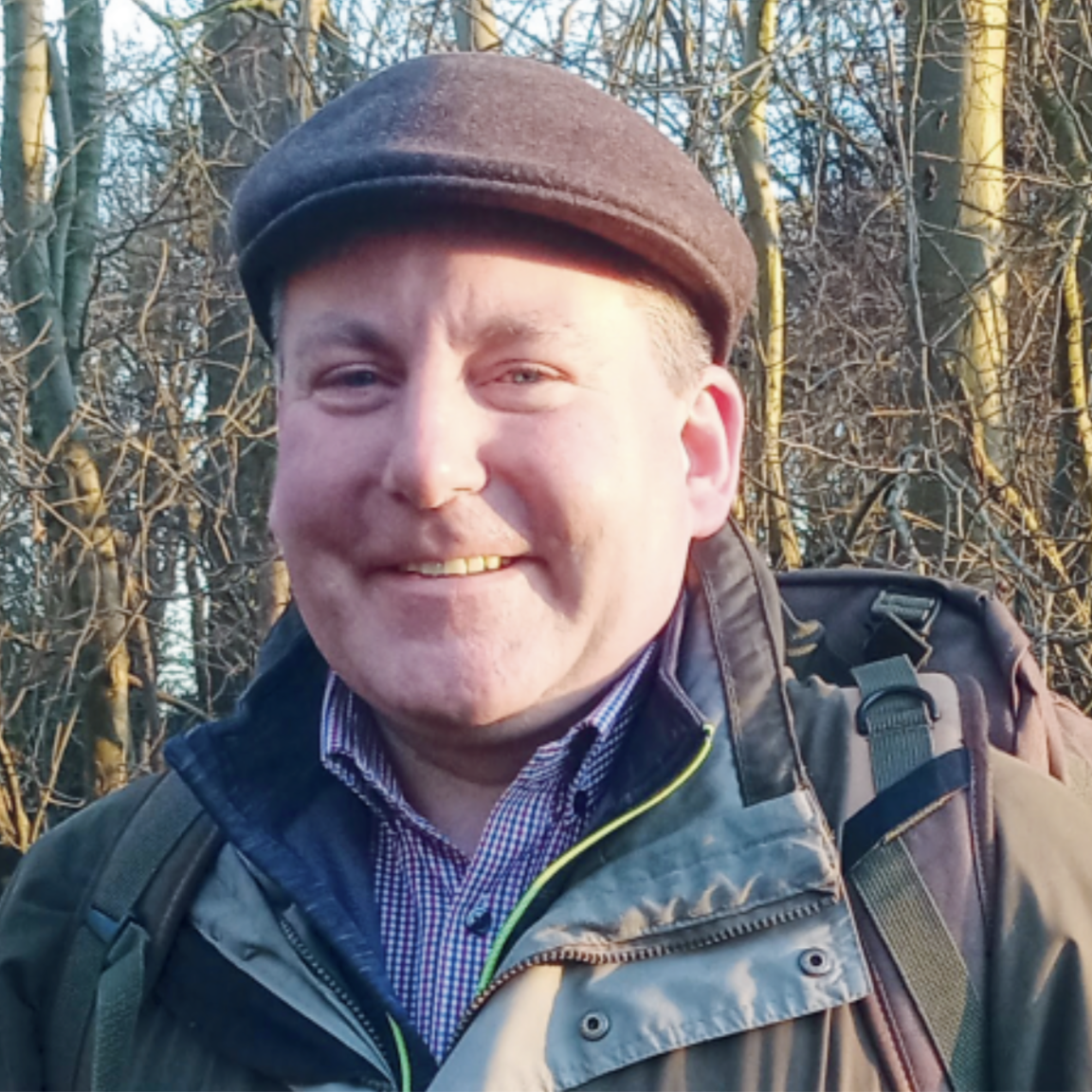
Conor O'Gorman
BASC's Chester-based head of policy and campaigns, Dr Conor O'Gorman contributes to Shooting Times and ShootingUK, writing on firearms licensing, the transition to lead-free ammunition, wildlife management and conservation. He was named Media Contributor of the Year at the British Shooting Show Awards 2026. Conor qualified as a zoologist in Ireland in 1996 and began work on a gamekeeping and habitat restoration project to save the Irish grey partridge from extinction, research for which he was awarded a PhD; he retains a keen interest in the project. He joined BASC in 2003, spending several years negotiating wildfowling leases and consents in England, Wales and Northern Ireland before overseeing the association's responses to government consultations at national and international level. He has more than 25 years' experience in conservation and land management.
 Closes 15 JanuaryWorth £129.90Win a pair of tickets to the British Shooting Show 2027Enter nowFree to enter
Related Articles

My working terrier journey: what Norway’s elk-hunting laikas reveal about the working terrier
In this extract from his book My Working Terrier Journey, Martin Webber watches West Siberian laikas hold an elk in a Norwegian forest and sees clear parallels with the terrier below ground
By Martin Webber | 4 November 2026
Every shoot has a story: a Hampshire family tells Defra what game shooting means to them
Your experience of game shooting in England is the evidence Defra needs by 1 November, says BASC’s Conor O’Gorman, as Paul Faithfull and his sons Luke and Dean share what they told the review
By Conor O'Gorman | 29 October 2026
Get the latest news delivered direct to your door
Subscribe to Shooting Times & Country
Discover the ultimate companion for fieldsports enthusiasts with Shooting Times & Country Magazine, the UK’s leading weekly publication that has been at the forefront of shooting culture since 1882. Subscribers gain access to expert tips, comprehensive gear reviews, seasonal advice and a vibrant community of like-minded shooters.
Save on shop price when you subscribe with weekly issues featuring in-depth articles on gundog training, exclusive member offers and access to the digital back issue library. A Shooting Times & Country subscription is more than a magazine, don’t just read about the countryside; immerse yourself in its most authoritative and engaging publication.