
Duck nest monitoring draw won by Aberdeenshire syndicate Gun
Jim Sugden’s homemade nesting tube on a two-year-old pond hatched mallard in both its first seasons, and the observations he sent to BASC won him a trail camera. The project behind the draw, and how any shoot with a pond can join it

Jim Sugden of Lumphanan, Aberdeenshire, has won BASC’s 2026 duck nest monitoring prize draw, the association announced on Wednesday, 25 November, taking a ZEISS Secacam 3 trail camera for the observations he sent in from four homemade nesting tubes. A member since the late 1960s, when the association was still the Wildfowlers’ Association of Great Britain and Ireland (WAGBI), he runs a syndicate of 12 long-standing friends over about 500 acres of farmland near the village and rears his own pheasants and red-legged partridges.
What did the nesting tubes achieve?
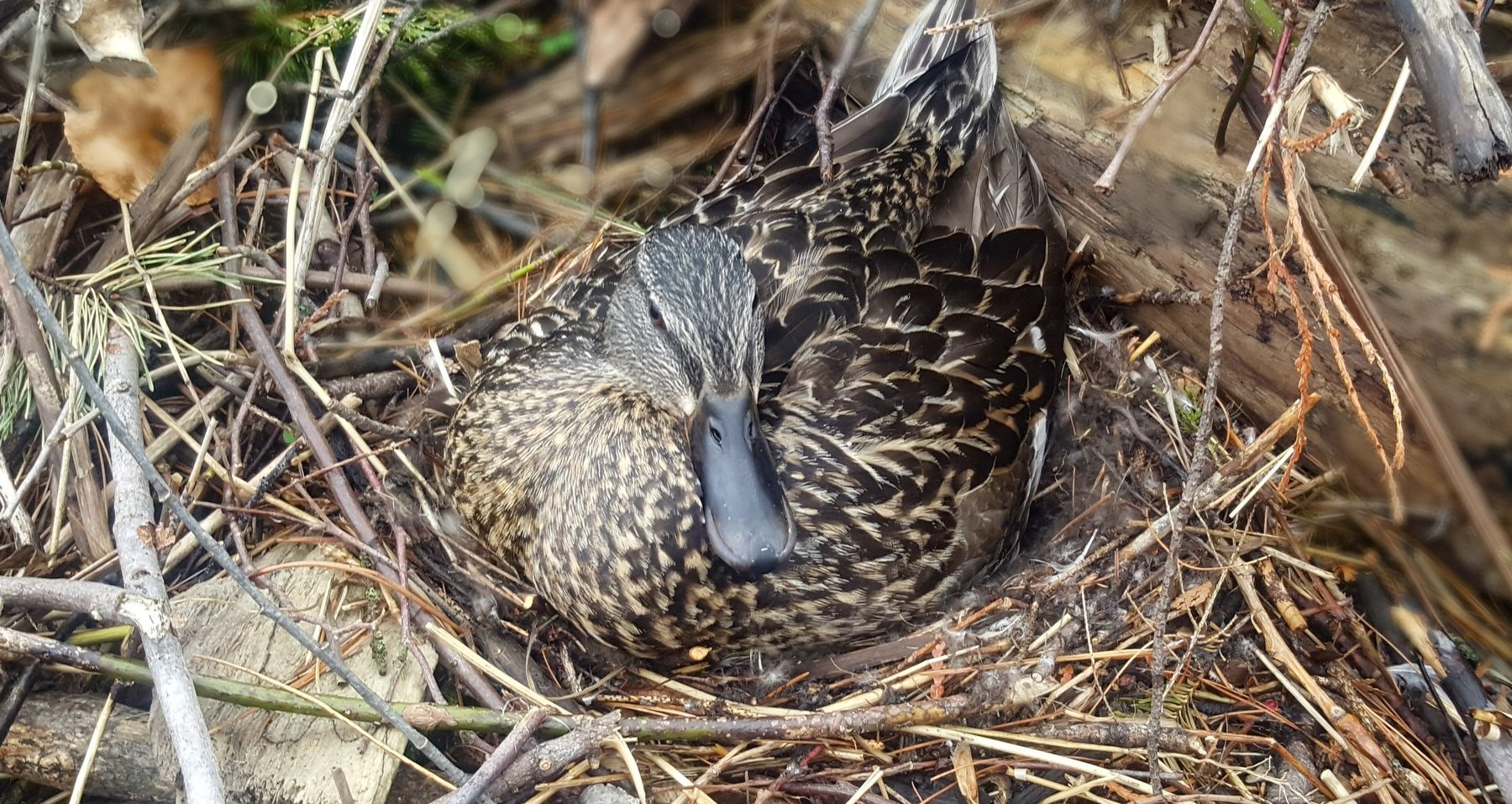
Mr Sugden has made four tubes and set them on ponds and burns around Lumphanan. One, placed on a pond dug just over two years ago, was occupied within its first week and again this year, and both nests produced a good mallard hatch; he believes the same duck came back, because she carries a distinctive limp. Ducks inspected another tube closely this season, and next year tubes will go on the syndicate’s two ponds as well.
“They’re very easy to make, take no time at all and aren’t expensive,” he said. “I would recommend anyone to get involved in putting in these nesting tubes.” He suggests the job suits children, who can check the tubes for the first eggs and keep the notes at hatching time. The syndicate shoots six days a season with four beaters, and the tubes sit alongside the rearing and feeding he does himself.
Of the prize, he said: “What a surprise I got when the email arrived saying I had won first prize.” The camera will watch the nesting tubes and the rearing pens from early season to the end.
The project behind the draw
The duck nest monitoring project was launched in 2021 by the Waterfowlers’ Network, with BASC as its UK representative, as a practitioner-led citizen science study of wild mallard. The tubes improve hatching success, and the association says more than 80% of occupied tubes hatch successfully. Its findings so far run in three directions: occupancy and hatching were higher where mallard had not bred before, so a tube does best on suitable wetland with little recent breeding; hatching was higher where avian predators were managed, while ground predator control made no significant difference; and both occupancy and hatching rose over time, so a tube is a long-term tool that earns annual maintenance.
Trail cameras are not formally part of the project, but BASC encourages monitors to consider one, because footage shows predator activity, nesting outcomes and duckling survival with little disturbance. Duckling observations can be sent to DucklingWatch, a University of Essex study part-funded by the association, and BASC says it is always interested in what participants discover.
How does a shoot take part?
Anyone with a pond or a burn can put up a tube. Participants describe a circle of wire mesh packed with hay rather than straw, with a sheet over the top against the rain, set on a post over the water; BASC’s printable guide, How to build and site a duck nest tube, gives the measurements, and its regional offices supply free materials and help with building and siting. Monitors record occupancy and hatching each season and submit them through the project’s online form, and those aged over 18 who send in their observations are entered in the prize draw. Disturbance is kept to a minimum, since a panicked duck can knock eggs out of the tube.
For a keeper or syndicate the appeal is plain: a morning’s work with mesh and hay on a flight pond adds ducks to the ground, and the record sheet adds to the only UK dataset on how artificial nests perform.
What happens next
The 2026 observations are in and the draw is made. Tubes for next spring need to be up, repacked and checked before the first mallard look for sites, and the association’s conservation calendar sets out what to do and when; the next season’s records go through the same form. Mr Sugden’s camera will be watching his tubes and rearing pens from the start of the season, and BASC has asked to hear what it shows.
Frequently asked questions
What is a duck nest tube?
A cylinder of wire mesh packed with hay and roofed against rain, set on a post over a pond or burn so that a mallard can nest out of reach of ground predators. BASC says more than 80% of occupied tubes hatch successfully.
How do I join BASC’s duck nest monitoring project?
Put up a tube, record whether it is occupied and whether the nest hatches each season, and submit the observations through the form on the project page. Regional BASC offices supply free materials and help with siting, and participants over 18 who send in observations enter the annual prize draw.
Where do duck nest tubes work best?
The project’s findings so far point to suitable wetland where mallard have not recently bred, with avian predators managed, and to leaving the tube in place for several seasons with annual maintenance.
 Closes 15 JanuaryWorth £129.90Win a pair of tickets to the British Shooting Show 2027Enter nowFree to enter
Related Articles
Rural crime cost: Home Office holds no figure, minister admits
The only national estimate of what rural crime costs is an insurer’s claims book, policing minister Sarah Jones has told MPs, because the theft of a keeper’s quad bike is counted as a theft like any o...
By News Desk | 26 November 2026
Wales rules out mass badger cull but opens door to targeted removal
The Welsh Government has accepted its Programme Board’s advice to act on cattle, people and wildlife at once: a mass, non-selective cull is off the table, badger surveys begin now with pilot areas pos...
By News Desk | 26 November 2026
Get the latest news delivered direct to your door
Subscribe to Shooting Times & Country
Discover the ultimate companion for fieldsports enthusiasts with Shooting Times & Country Magazine, the UK’s leading weekly publication that has been at the forefront of shooting culture since 1882. Subscribers gain access to expert tips, comprehensive gear reviews, seasonal advice and a vibrant community of like-minded shooters.
Save on shop price when you subscribe with weekly issues featuring in-depth articles on gundog training, exclusive member offers and access to the digital back issue library. A Shooting Times & Country subscription is more than a magazine, don’t just read about the countryside; immerse yourself in its most authoritative and engaging publication.