

Simon Whitehead interview: how a Teesside steelworker’s son became a top ferreter
Simon Whitehead, a Teesside steelworker’s son with no country roots, tells Martin Puddifer how a stubborn streak made him a top ferreter


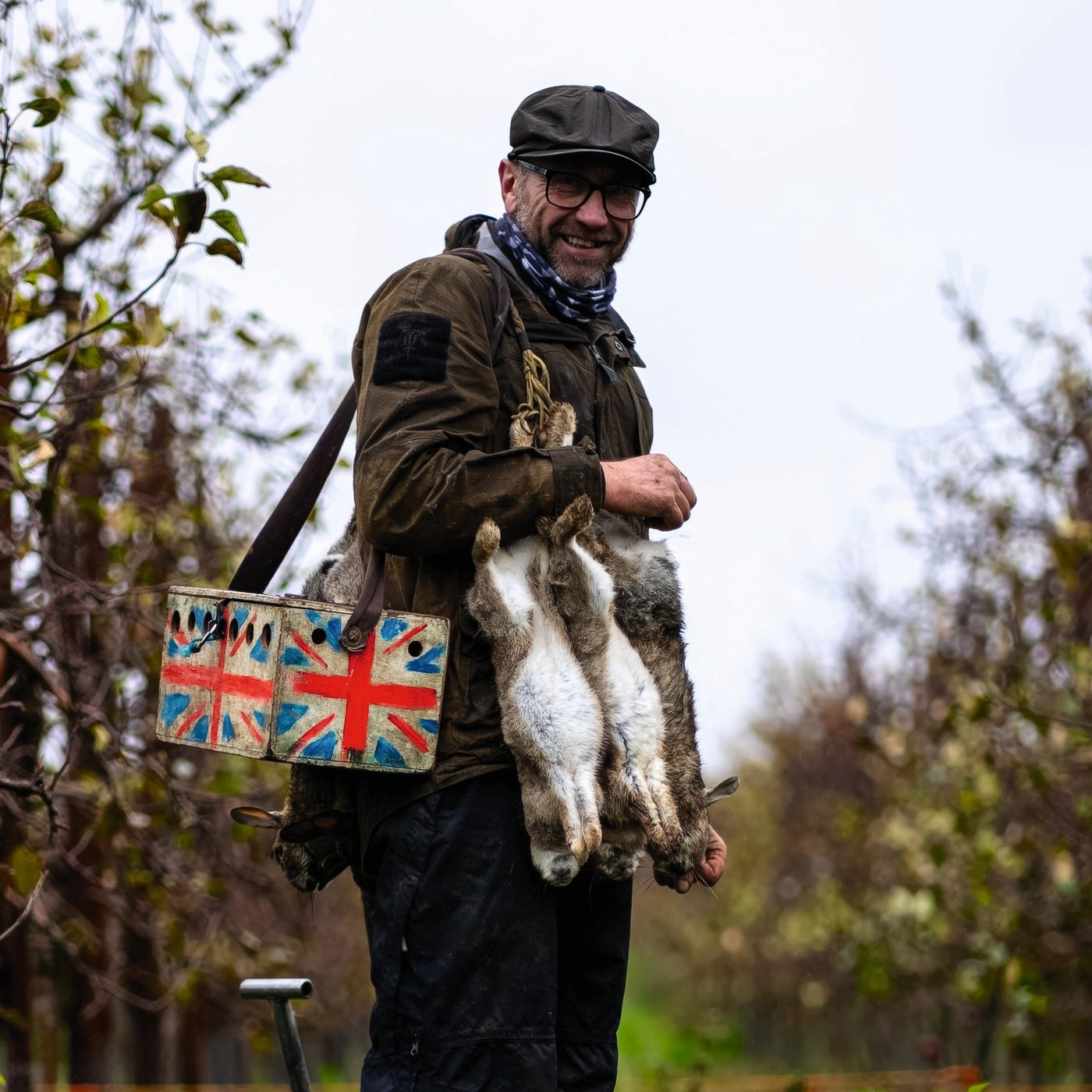
Simon Whitehead’s route into ferreting was not handed down to him. “Historically and genetically, my family has got no relationship with the countryside,” he says. His father worked for British Steel, his mother raised five children at home, and Simon grew up in Teesside doing what boys did then: building bike ramps, watching birds and “being places you shouldn’t be”.
Childhood trips to the rabbit-rich North Yorkshire hills, and a fondness for otters and other mustelids, planted a seed. It took root aged 15, when his father found work in Suffolk and the family moved south. He worked at a market garden, started noticing ferrets on allotments and enrolled at Otley College. His first ferret, a big albino hob from a local farmer, was called Nippy, “because that’s all it did was bite me”.
There were few books and little advice on ferreting. “You just learned on the hoof,” he says. “You learned from mistakes.” He went out with the farmer, his ferrets and a rusty .410, and soon found he could read a warren better than most. “It just clicked.”
Suffolk was shooting country, and most local ferreters shot over their ferrets. Simon went the other way, with nets and a dog. “When they all got excited about shooting, I was like, no, I can do better with nets and a dog.” He has always preferred the silent method, not least because clean rabbits are worth more.
As a lanky northern teenager in Suffolk, he “stuck out like a sore thumb”, and plenty thought they could do better. “That just spurred me on,” he says. “If you think you’ve got something to prove, then you’ll prove it.”
From pest controller to long-netter
In his early twenties he worked as a pest controller before deciding he “couldn’t work for people” and setting up on his own. Travel showed him how methods varied with the ground: deep sand and big ferrets in Suffolk, shallow warrens and tight pipes in the north, flint and rock further south. “If it worked, it worked. If it didn’t, I didn’t do it again.”
His ferrets changed as his methods did. Purse-nets called for small ferrets that could slip through the mesh; once he discovered long-netting, he could surround a whole area with hundreds of yards of net and use big hobs – ferrets others disliked because they often had to be dug to. “I was there to manage rabbits. I wasn’t there to catch Sunday dinner.”
Building a working squad of ferrets
He studied each animal’s working style and built what he calls “a little squad”. Breeding was strict: “You could have the best worker, but if you can’t pick it up, it’s not being bred from.” Handling became second nature, and he borrowed from the dog world: “Your next dog should always be better than your previous dog.”
Demonstrations at country shows
In the mid-1990s, as the first serious threats to hunting emerged, the British Field Sports Society asked him to man stands at game fairs. Watching arena acts by showmen who were not ferreters, he decided he could do better. His first demonstration was filmed by Channel 4 Racing at Newmarket.
Shows began booking him, and he became a useful voice in defending fieldsports because he did not fit the stereotype. Magazines, books, video and YouTube followed, including many years writing for Shooting Times. He thought hard about how the work was portrayed: no tallies, no lines of dead rabbits, photographs that left the outcome open. “You were honouring an animal rather than gloating over what you’d done.”
A friend who fights at world-title level taught him that once the bell goes, you are on your own. The same applies with a live microphone and a crowd filming on phones. “You’re not just demonstrating in front of people. You’re demonstrating to the world.”
Ferreting under concrete
Most of his work is now on construction sites, prisons, Ministry of Defence land and motorways, where rabbits must be cleared before building starts. Many ferreters will not work ferrets under concrete, but Simon sees little difference from 20ft of sand. What counts is knowing which ferrets will surface after 20 minutes and which will stay down.
Why he worries about rabbit numbers
He is worried about rabbit numbers. Development, disease, predators and cheap thermal imaging have created what he calls “a horrible perfect storm”, and he estimates the population has fallen from 50 to 60 million 30 years ago to between five and 10 million. He points to Breckland, where old farmers told him the grey partridge disappeared with the rabbits. “There will come a point when we are putting rabbits back on a greater scale.”
Fieldcraft knowledge was greater when he started, he says, though that did not necessarily make the old hands better ferreters. Now many people learn from YouTube. “You’ve got to embed yourself in it and accept defeat,” he says, “then use that to be better.”
Now 58, and fitter than he was at 30, Simon is starting a podcast, Out The Rabbit Hole, and wants to write again after a break. His aim has always been the same: to make his name synonymous with rabbiting. “I haven’t fizzled out like a firework,” he says. “I’m more like a snowball that just got bigger and bigger. And I’m not finished yet.”
For more information about Simon Whitehead, visit simon-whitehead.com
Frequently asked questions
How did Simon Whitehead get into ferreting?
He grew up in Teesside with no country background. After his family moved to Suffolk when he was 15, he noticed ferrets on allotments, enrolled at Otley College and got his first ferret, a big albino hob called Nippy.
Why does Simon Whitehead prefer nets to shooting over ferrets?
He has always preferred the silent method of nets and a dog, not least because clean rabbits are worth more.
How many rabbits are there in Britain now?
Simon estimates the population has fallen from 50 to 60 million 30 years ago to between five and 10 million, blaming development, disease, predators and cheap thermal imaging.

About the author
Martin Puddifer
Managing editor of Shooting Times since 2026, Martin is based in Nottinghamshire and has worked on shooting and fieldsports titles since 2007, writing for Shooting Gazette and Airgun World. He took the editor's chair from Ollie Harvey, and now runs the weekly, from news pages and features commissioning to the magazine's expert panels. At home he has two rescue greyhounds, a breed that gives him a particular sympathy for readers' letters about dogs who take a firm view of what they will and will not do.
 Closes 15 JanuaryWorth £129.90Win a pair of tickets to the British Shooting Show 2027Enter nowFree to enter
Related Articles
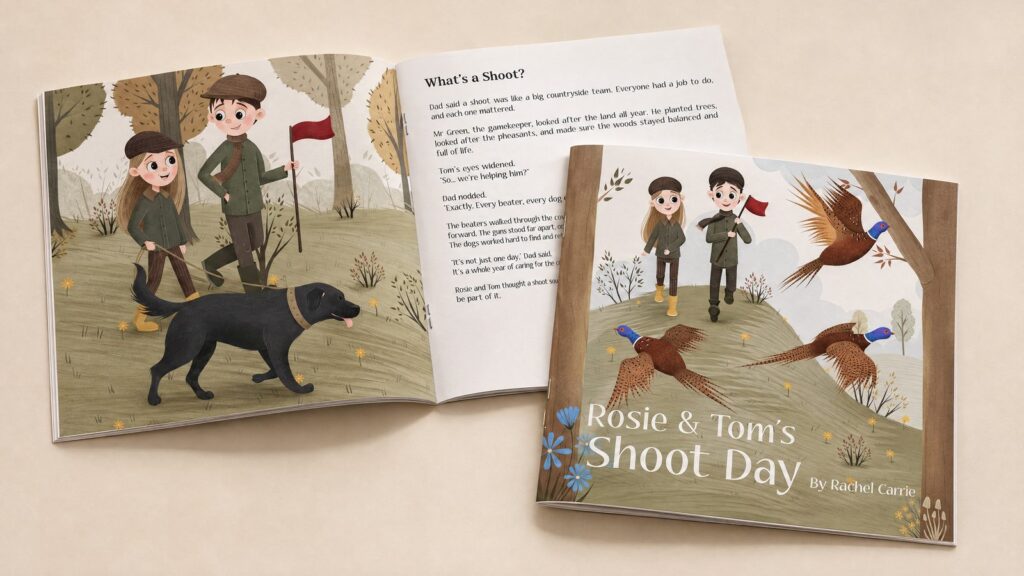
Rachel Carrie's children's book shows young readers what happens on a shoot day
Yorkshire hunter and field-to-fork advocate Rachel Carrie has written a beautifully illustrated picture book that shows children where shooting fits in the countryside – and every copy sold sends anot...
By Shooting Times | 20 November 2026

Sporting Life: the New Forest Beagles, hunting the clean boot and a long love of beagling
A visit to the New Forest Beagles, a pack now hunting the clean boot, rekindles Jeremy Hobson's long-held love of beagles and points the way forward
By Jeremy Hobson | 12 November 2026
Get the latest news delivered direct to your door
Subscribe to Shooting Times & Country
Discover the ultimate companion for fieldsports enthusiasts with Shooting Times & Country Magazine, the UK’s leading weekly publication that has been at the forefront of shooting culture since 1882. Subscribers gain access to expert tips, comprehensive gear reviews, seasonal advice and a vibrant community of like-minded shooters.
Save on shop price when you subscribe with weekly issues featuring in-depth articles on gundog training, exclusive member offers and access to the digital back issue library. A Shooting Times & Country subscription is more than a magazine, don’t just read about the countryside; immerse yourself in its most authoritative and engaging publication.

