

OEP finds Defra and Natural England failing legal duties to wild birds
The environmental watchdog has issued decision notices giving the Environment Secretary and Natural England two months to answer for undesignated protection sites and declining bird populations. The Moorland Association says the answer lies in the waders breeding on keepered moors
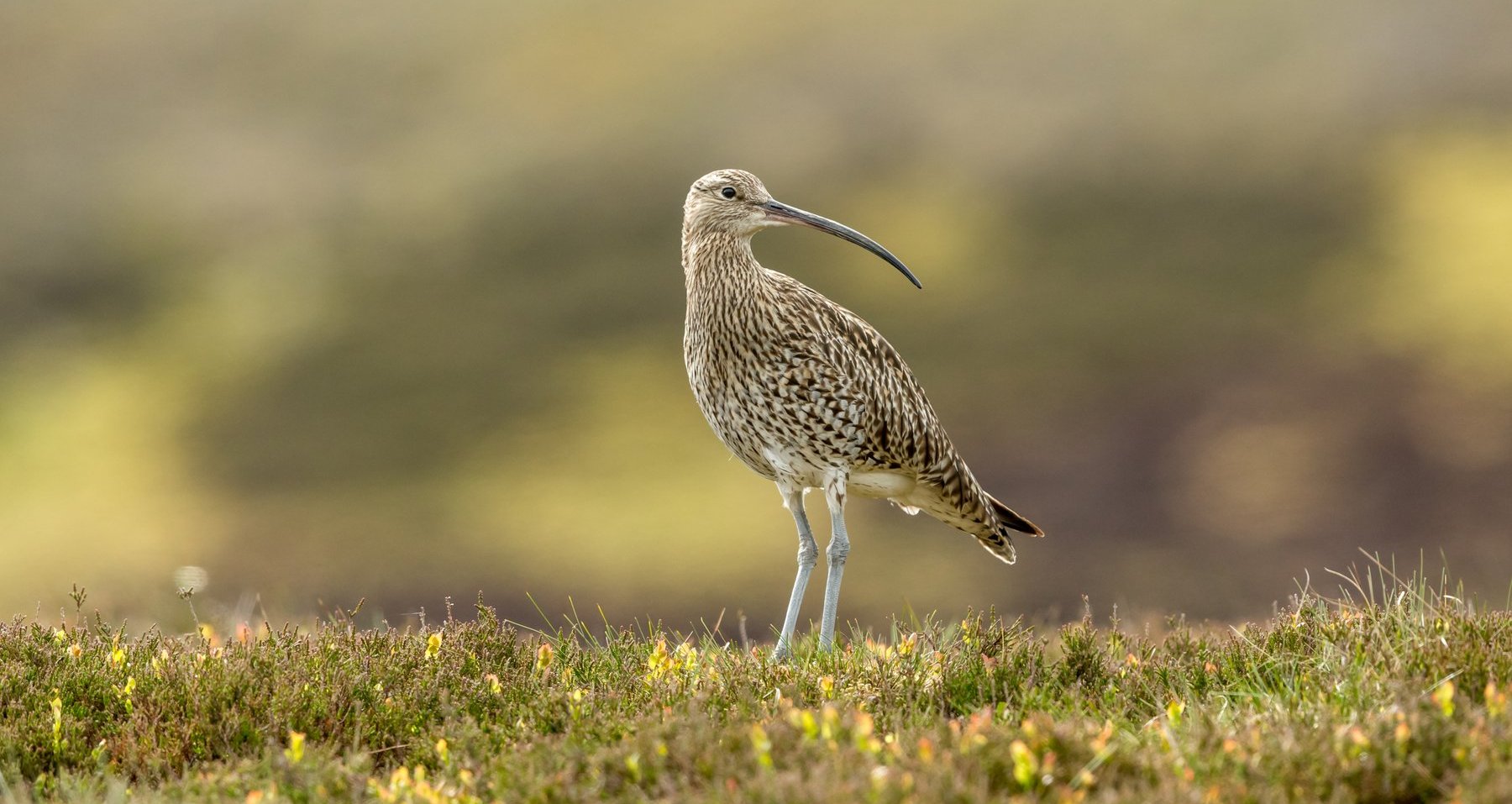

The Office for Environmental Protection (OEP) said on 18 November that the Environment Secretary and Natural England are failing to meet their legal duties to protect wild birds in England, and has issued both with decision notices setting out where it finds they have broken environmental law. The Department for Environment, Food and Rural Affairs (Defra) and Natural England have two months to respond, and the OEP can take the matter to court if it is not resolved.
The watchdog found that the Secretary of State had failed to act on recommendations to designate new Special Protection Areas (SPAs), extend existing ones and add qualifying species, some of them dating back to 2001, and that Natural England had taken insufficient action to maintain or restore wild bird populations and had not reviewed whether enough suitable habitat was available. The investigation began with information notices in June 2025.
What did the OEP say?
Helen Venn, the OEP’s chief regulatory officer, said: “As a nation of bird-lovers, and with birds acting as important indicators for the state of our nature more widely, the latest statistics showing declines in the populations of some of our most treasured species are deeply concerning. This is why it is important that Defra and Natural England do carry out their legal responsibilities in a reasonable timeframe to deliver nature recovery and in relation to the classification and adaptation of SPAs on land.”
She added: “Continued delay has left a significant number of sites for wild bird populations without the levels of protection they need and allowed the scale of the actions needed to deliver a sufficient SPA network to build up.” The OEP welcomed Natural England’s forthcoming programme of designations and its species recovery planning with Defra, but said “more work needs to be done”. A parallel decision notice went to the Department of Agriculture, Environment and Rural Affairs (DAERA) in Northern Ireland, whose minister, Andrew Muir, said the findings “make for uncomfortable reading”.
The grouse moor evidence
The Moorland Association responded the same day with the figures it wants Defra to weigh. Defra’s own statistics show that 55% of the breeding bird species assessed in England declined between 2019 and 2024, against 45% across the UK, and the British Trust for Ornithology estimates UK breeding curlew fell by 51% between 1995 and 2024. The association cites the study by Dr David Baines and colleagues in which grouse moor sites supported 8.5 breeding wader pairs per sq km against 4.1 at comparison sites, and curlews fledged an estimated 1.05 chicks per pair on grouse moors against 0.27 elsewhere.
The association asks Defra to set a timetable for the outstanding SPA recommendations, to work with Natural England, farmers and gamekeepers to maintain nesting and feeding habitat and “retain lawful predator control where local evidence shows it helps birds breed”, and to track how many chicks reach flying age alongside counts of breeding pairs, so that those figures “guide decisions on which upland management practices to keep or change”.
What happens next
Defra and Natural England must each say within two months whether they accept the OEP’s findings and what they intend to do, after which the OEP will decide its next steps, which can include an environmental review in the High Court. The upland SPAs that any new designations would add to are the ground where keepers already work; the OEP’s announcement, the Moorland Association’s response and Natural England’s pages are linked below.
Frequently asked questions
What is an OEP decision notice?
A formal finding by the Office for Environmental Protection that a public authority has failed to comply with environmental law, with the steps it should take; the authority has two months to respond and the OEP can then apply to the High Court for an environmental review.
What has the OEP found against Defra and Natural England?
That the Environment Secretary has not acted on recommendations to classify, extend or add species to Special Protection Areas, some dating to 2001, and that Natural England has done too little to maintain or restore wild bird populations and their habitat.
Why does the Moorland Association say grouse moors matter to wild birds?
It cites research finding 8.5 breeding wader pairs per sq km on grouse moors against 4.1 on comparison sites, and curlews fledging 1.05 chicks per pair against 0.27, and wants lawful predator control kept where it helps birds breed.
 Closes 15 JanuaryWorth £129.90Win a pair of tickets to the British Shooting Show 2027Enter nowFree to enter
Related Articles
Defra restructure leaves out rural affairs, says Countryside Alliance
Defra is to be reorganised into three groups from early 2027 and none of them carries the words rural affairs. The Countryside Alliance has written to the Environment Secretary asking where responsibi...
By News Desk | 19 November 2026
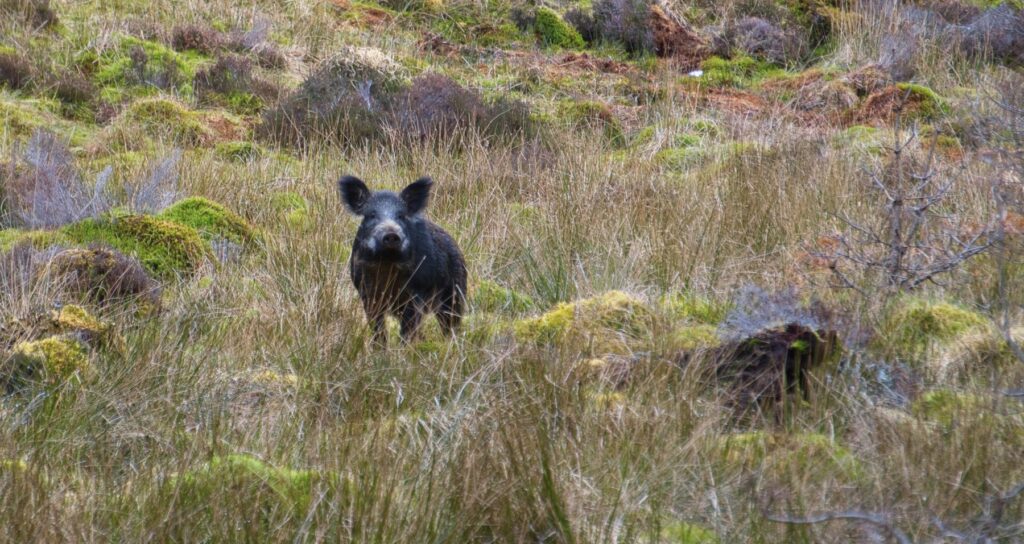
Crofters seek compensation as feral pigs destroy Fort Augustus grazing
Ina and Graham Morrison, both 83, say half a field behind their croft has been dug up by pigs coming off Forestry and Land Scotland ground. The Scottish Gamekeepers Association, which warned of the pr...
By News Desk | 19 November 2026
Get the latest news delivered direct to your door
Subscribe to Shooting Times & Country
Discover the ultimate companion for fieldsports enthusiasts with Shooting Times & Country Magazine, the UK’s leading weekly publication that has been at the forefront of shooting culture since 1882. Subscribers gain access to expert tips, comprehensive gear reviews, seasonal advice and a vibrant community of like-minded shooters.
Save on shop price when you subscribe with weekly issues featuring in-depth articles on gundog training, exclusive member offers and access to the digital back issue library. A Shooting Times & Country subscription is more than a magazine, don’t just read about the countryside; immerse yourself in its most authoritative and engaging publication.

