

Defra restructure leaves out rural affairs, says Countryside Alliance
Defra is to be reorganised into three groups from early 2027 and none of them carries the words rural affairs. The Countryside Alliance has written to the Environment Secretary asking where responsibility for more than 10 million rural people will sit
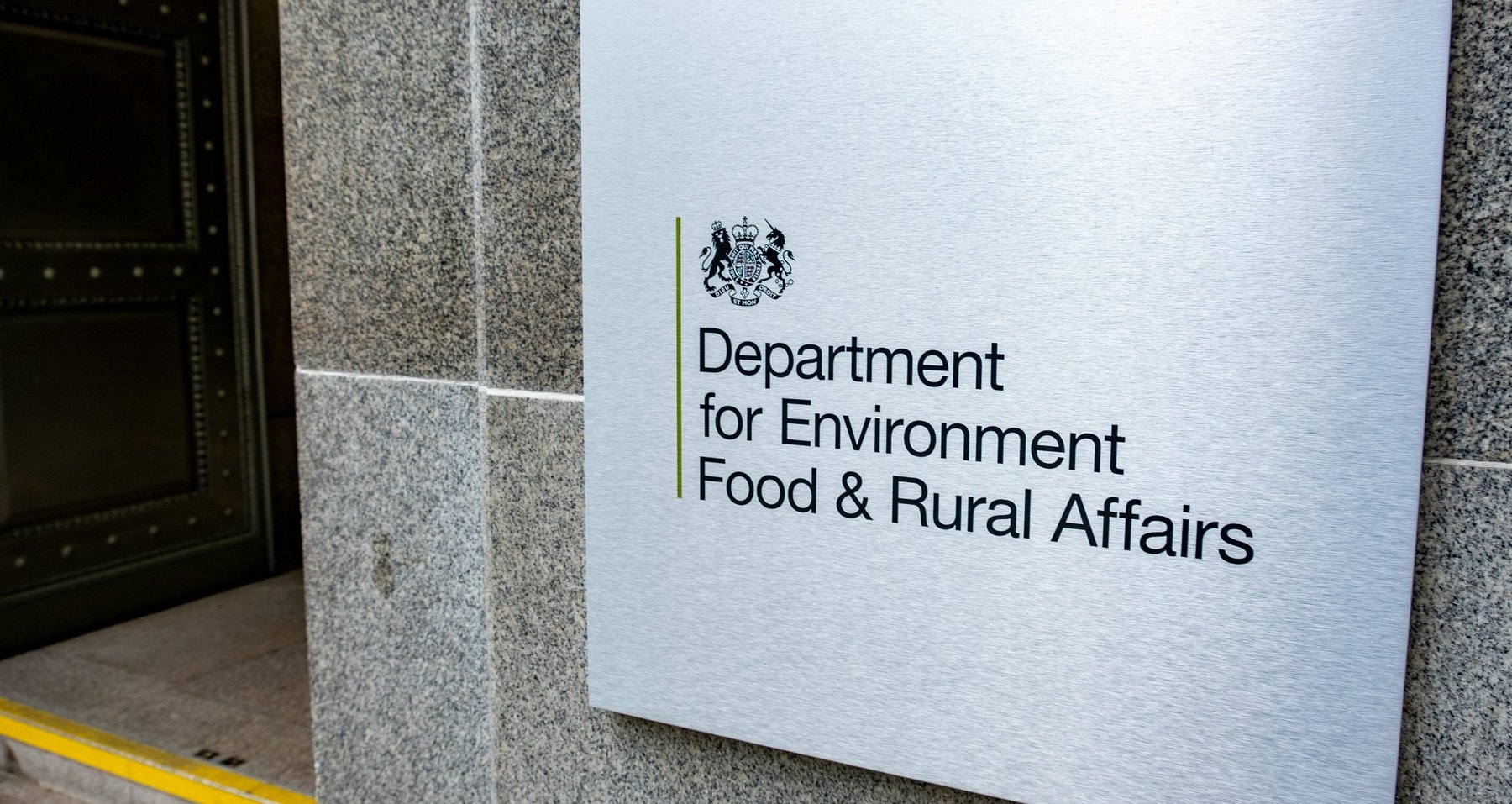

The Department for Environment, Food and Rural Affairs (Defra) is to be reorganised into three groups, Water and Marine; Farming, Land and Nature; and Food, Biosecurity and Trade, under a plan set out by its Permanent Secretary, Paul Kissack, and the Countryside Alliance says rural affairs appears nowhere in the new structure. The Alliance has written to the Environment Secretary, Dame Angela Eagle, asking her to explain how the needs and interests of rural communities will be met across the department’s work.
Mr Kissack announced the changes in a post on LinkedIn, and the farming press reports that they are expected to take effect in early 2027, with no exact date given. Defra had not published the plan on GOV.UK by the time of writing.
What did the Permanent Secretary say the new groups will do?
According to Farmers Guide, which carried the announcement on 17 November, Mr Kissack wrote that the three groups “will be supported by a stronger strategic centre of the department ensuring that everything we do is aligned with our overall environmental, economic and resilience strategies”, including the 2025 Environmental Improvement Plan. That centre, he said, would make sure the department’s work was “supported by world-leading science and analysis, and that we continue to champion rural communities, as well as lead the government’s overall work on climate adaptation”.
He thanked Defra staff and stakeholders “who have responded so warmly to these planned changes over recent days”, adding: “If we get this right, I believe we will be even better placed to achieve our ambitious outcomes in the years ahead.” Responsibility for rural communities stays within the ministerial portfolio of Jenny Riddell-Carpenter, the parliamentary under-secretary of state.
Farming, Land and Nature is to carry the Farming Roadmap and the Land Use Framework; Water and Marine takes water reform, drought and flood resilience and fishing; Food, Biosecurity and Trade covers food security and resilience. None of the three names the rural economy that game shooting, deer management and the sporting estate sit within.
The Alliance’s objection
Tim Bonner, chief executive of the Countryside Alliance, said: “Rural people are crying out for support and for government policies that help, not harm them. We hope that the government has learnt from disastrous policies like the Family Farm Tax, and wants to work for the countryside.
“This planned restructure, however, makes no mention at all of rural affairs or communities: this will only serve to reinforce the idea that the government does not care about rural communities. Defra must outline where responsibility for rural affairs and communities lies within their structure. They are not just the Department for Environment and Food; they also represent more than 10 million rural people, who increasingly feel like they have a government that has forgotten them.”
The Alliance set the restructure against what it called a wider “war on the countryside”: the inheritance tax changes for farms, tax rises it says fall disproportionately on rural businesses, the Defra review of gamebird shooting and the promised consultation on trail hunting. Polling by ORB for the Alliance in 2025, of 2,083 adults, found that 65% thought the Government unfairly neglected people living in the countryside and 64% that it did not care about them.
Why does it matter to shooting?
The call for evidence on the shooting and release of gamebirds in England closed on 1 November with about 35,000 responses, and Defra officials have told the sector that a report and an independent economic assessment will be with ministers by March. That work, the Land Use Framework and the general licences that keepers rely on all sit inside the department whose shape is changing, and the Alliance’s complaint is that nothing in the three new names signals who speaks for the rural communities those decisions land on.
What happens next
The Alliance has asked the Environment Secretary to set out in writing how rural interests will be represented across the three groups, and in his weekly column Mr Bonner called for rural community impact assessments, a cross-government rural champion and an annual State of the Countryside report. Defra had made no public response by the time of writing. The restructure is expected to be in place early in 2027; the Alliance’s column and the Farmers Guide report of the announcement are linked below.
Frequently asked questions
What are Defra’s three new groups?
Water and Marine; Farming, Land and Nature; and Food, Biosecurity and Trade, supported by what the Permanent Secretary calls a stronger strategic centre.
When does the Defra restructure take effect?
Early 2027, according to the farming press; no exact date has been announced and Defra has not published the plan on GOV.UK.
Who is responsible for rural affairs at Defra?
Rural communities remain in the ministerial portfolio of Jenny Riddell-Carpenter, the parliamentary under-secretary of state; the Countryside Alliance says the new structure gives the brief no home of its own.
 Closes 15 JanuaryWorth £129.90Win a pair of tickets to the British Shooting Show 2027Enter nowFree to enter
Related Articles
Crofters seek compensation as feral pigs destroy Fort Augustus grazing
Ina and Graham Morrison, both 83, say half a field behind their croft has been dug up by pigs coming off Forestry and Land Scotland ground. The Scottish Gamekeepers Association, which warned of the pr...
By News Desk | 19 November 2026
OEP finds Defra and Natural England failing legal duties to wild birds
The environmental watchdog has issued decision notices giving the Environment Secretary and Natural England two months to answer for undesignated protection sites and declining bird populations. The M...
By News Desk | 19 November 2026
Get the latest news delivered direct to your door
Subscribe to Shooting Times & Country
Discover the ultimate companion for fieldsports enthusiasts with Shooting Times & Country Magazine, the UK’s leading weekly publication that has been at the forefront of shooting culture since 1882. Subscribers gain access to expert tips, comprehensive gear reviews, seasonal advice and a vibrant community of like-minded shooters.
Save on shop price when you subscribe with weekly issues featuring in-depth articles on gundog training, exclusive member offers and access to the digital back issue library. A Shooting Times & Country subscription is more than a magazine, don’t just read about the countryside; immerse yourself in its most authoritative and engaging publication.

