
Sporting Life: why the well-dressed Gun never looks too new
As pheasant days loom, Jeremy Hobson considers why shooting clothes should never look too new – and why a dog once took exception to a sharp suit


Although we have been beating on our local partridge shoot since the first week in September, it’s likely that the majority of shoots dotted throughout the country concentrate mainly on pheasants and so their first days’ sport may only just be on the horizon.
There is, for them, still the glorious anticipation of meeting up again after a long summer away from the game crops and coverts.
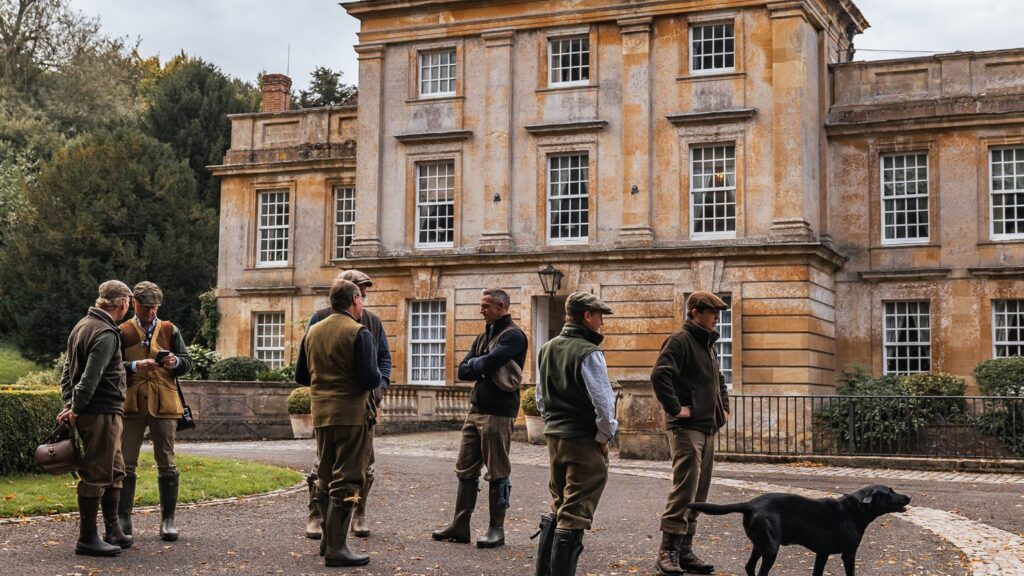
As the beaters and pickers-up debus from their vehicles in the yard, there’s likely to be much hand-shaking and many greetings before suitable clothing and footwear is brought out of the car boot in readiness for the day ahead.
No doubt someone’s well-worn, tried and trusted garment will have been there since the end of last season, but others will be bringing out fresh apparel – perhaps bought at a “show offer” price from one of the summer country fairs or agricultural shows. Anything new will surely be commented on and possibly create some good-natured banter.
Why shooting clothes should never look pristine
It always seems to have been the case that no shooting attire should be seen to be pristine. I’ve even read and heard it said that, in days gone by, a new Barbour coat, for example, ought to be dragged across a muddy puddle a couple of times to get rid of its factory-fresh appearance.
It is the same in the hunting world – at least according to the unknown author of this comment included in The Habits of Good Society: A Handbook of Etiquette for Ladies and Gentlemen, first published in 1859: “[There is] a scale of honour among clothes [and] more honour in an old hunting-coat than in a new one.”
Whether hunting or shooting, some attach great importance to wearing traditional tweed. The late journalist and critic AA Gill was very fond of doing so – both in town and out in the country during his deerstalking trips to Scotland.
Tweed is, opined Gill, “as close as Britain comes to a national costume … a cloth with character, history and the ability to adapt.” Somewhat whimsically, he also described tweed, writing in The Sunday Times in March 2011, as being “like a game terrier; always pleased to see you, always wants to go out, always optimistic.”
Practicality before fashion
Practicalities undoubtedly must come ahead of fashion. With that in mind, I’m in total agreement with the writer of an article which appeared in an 1882 copy of The Weekly Record of Fashion, and Tailor and Cutter’s Guide, who stated that “the kind or form of garments worn by gentlemen who go in search of pleasure to the stubble fields or moorlands” has to be “adaptable for the various movements of the figure” rather than tailored to the “whims of the wearers”.
It’s generally accepted that shooting apparel should be of a subdued nature. There are, though, a few who disregard received wisdom – sometimes with unexpected consequences.
In Ten Years of Game-Keeping (published in 1909), Owen Jones told of a Gun who “turned up … in a suit of so startling a shade and pattern that I had to speak seriously to the beaters about repressing their mirth.”
Jones continued: “By lunchtime we had got a bit used to the suit, but, apparently, one of the dogs had not. The sportsman … sat on the gnarled roots of a tree and addressed himself to this dog. I regret to say that the dog did not receive his advances in an appreciative manner, but walked on, and, as he passed, cocked his leg and grossly insulted the resplendent back of the sportsman.”
Frequently asked questions
Why shouldn’t shooting clothes look new?
Tradition has long held that pristine shooting attire looks wrong – one old saying has it that a new waxed coat should be dragged through a muddy puddle before its first outing. A Victorian etiquette guide put it as “more honour in an old hunting-coat than in a new one”.
What colours should you wear for game shooting?
It is generally accepted that shooting clothing should be subdued, and that practicality comes before fashion.

About the author
Jeremy Hobson
A Hampshire-based writer and author, Jeremy has been a professional freelance journalist for more than two decades, though his first article appeared in 1976, and behind the writing lies more than 30 years' involvement in gamekeeping and shoot management. He remains connected to the shooting world as host on a nearby sporting estate. The author of more than 30 books, most of them rural, from fieldsports and farming to smallholding and working dogs, he is best known for A Practical Guide to Modern Gamekeeping, first published in 2012 and now a modern classic in its expanded form as A Comprehensive Guide to Gamekeeping and Shoot Management, along with Running a Shoot and The Shoot Lunch. His most recent title is the authorised biography of the wildlife artist David Shepherd.
 Closes 15 JanuaryWorth £129.90Win a pair of tickets to the British Shooting Show 2027Enter nowFree to enter
Related Articles
Wild greys at 300 earn Compton Beauchamp a first wild partridge day
A tagging programme told headkeeper Dan McSharry that the wild grey partridges on a Vale of the White Horse estate had climbed to about 300 birds, more than the shoot releases, so this season brings i...
By Ben Palfreyman | 12 November 2026

The Countryman: sun, rain and partridges as the bag reaches 104 at halfway
Three shoot days into a short partridge season at the Castle Shoot, David Hudson finds the bag swinging from feast to famine and back again – and the halfway total is 104 birds
By David Hudson | 12 November 2026
Get the latest news delivered direct to your door
Subscribe to Shooting Times & Country
Discover the ultimate companion for fieldsports enthusiasts with Shooting Times & Country Magazine, the UK’s leading weekly publication that has been at the forefront of shooting culture since 1882. Subscribers gain access to expert tips, comprehensive gear reviews, seasonal advice and a vibrant community of like-minded shooters.
Save on shop price when you subscribe with weekly issues featuring in-depth articles on gundog training, exclusive member offers and access to the digital back issue library. A Shooting Times & Country subscription is more than a magazine, don’t just read about the countryside; immerse yourself in its most authoritative and engaging publication.