★ Win four pegs on a Kent simulated game day with JBD Sporting worth £1,000! Click to enter ★

Cocker, springer or Labrador: which makes the best family dog?
The team at Mordor Gundogs have trained and lived alongside Labradors, cockers and springers for years, and each breed has wormed its way into family life in its own unmistakable way. So which one really makes the best family dog
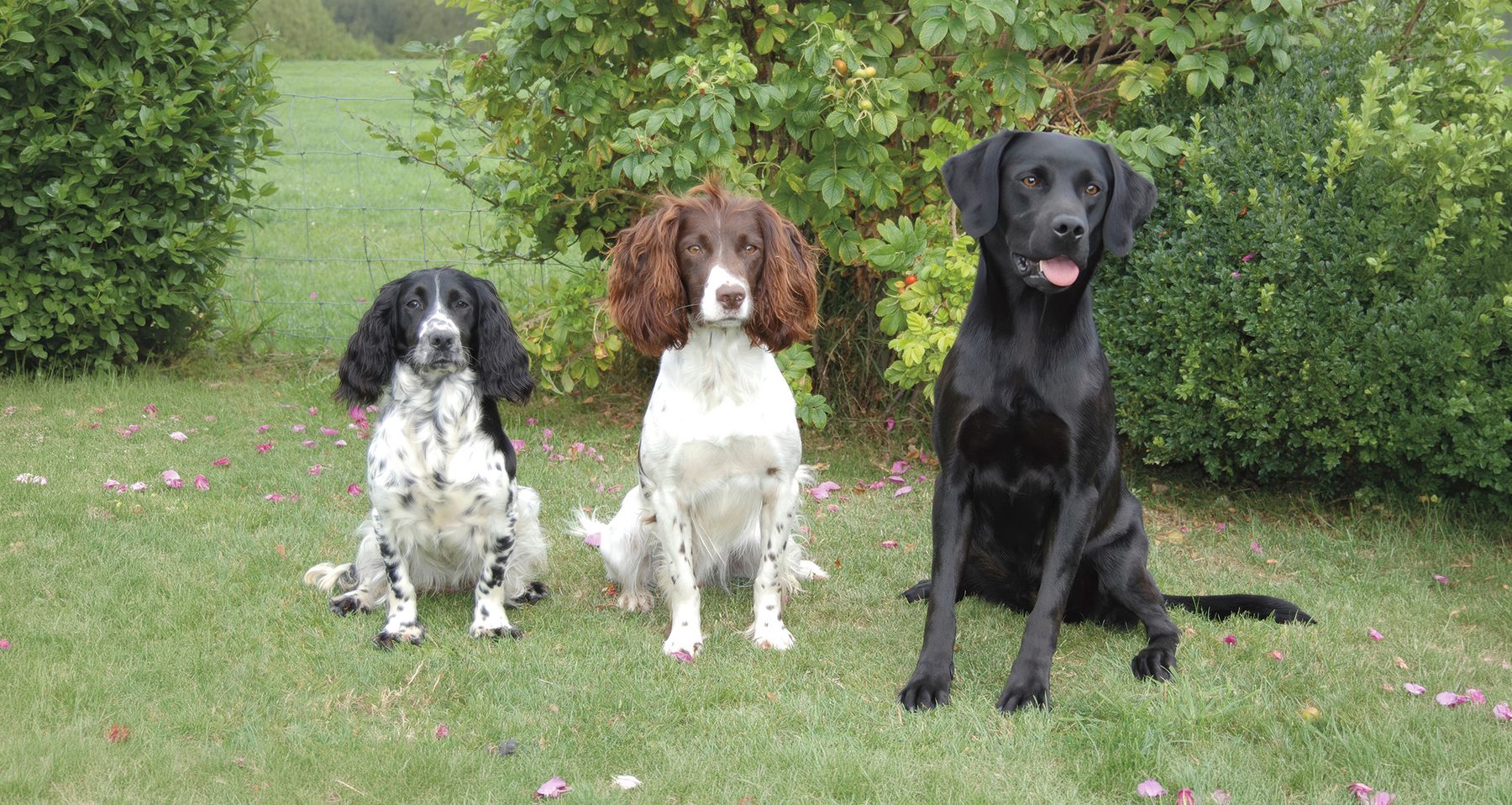 Three breeds, three personalities: a cocker, a springer and a Labrador, each with its own way of winning a place in family life

Be it at a game fair, a client visit, or simply the supermarket queue, one question we are often asked is this: “Which breed makes the best family dog?”
It is one of those wonderfully impossible questions because, whichever answer we give, somebody will inevitably disagree. Tell a cocker owner that the Labrador might be the better family companion and you can see the eyebrows rise. Suggest that a springer might not be the obvious choice and you will quickly find yourself in a passionate discussion with dedicated spaniel enthusiasts explaining exactly why you are wrong.
The truth, however, is that there is not a definitive answer. Having spent years training and living alongside Labradors, cockers and springer spaniels, we have come to appreciate that each breed brings something completely different to the table. Each has its own unique personality, its own quirks and its own particular way of becoming an irreplaceable part of family life.
I often think back to conversations with my original mentor, Edward Martin, who spent a lifetime training and competing with springer spaniels to an exceptionally high standard. Edward adored springers and achieved tremendous success with them, yet even he would admit that when it came purely to life in the family home, the cocker spaniel possessed something rather special. He had a fantastic line: “Springers are spaniels but cockers are all little people.” It is an observation you will come to agree with the more you know them.
The cocker spaniel: a supernatural talent for being the centre of everything
Cockers are extraordinary little dogs because they do not simply become part of the family, they somehow become the centre of it. They have an almost supernatural ability to involve themselves in absolutely everything that is happening, whether they have been invited or not. Every conversation, every outing and every quiet moment somehow becomes an opportunity for them to make their presence known. Living with a cocker is remarkably similar to living with an energetic young child who has absolutely no appreciation for personal space. They do not simply want to sit beside you on the sofa; they want to sit on you. If there is a conversation taking place, they want to be involved. If there is a job being done, they want to know why they are not helping.
Every parent will recognise the scene. You are halfway through explaining something important when a small voice suddenly appears beside you, imploring, “Dad… Dad… Dad… watch this.”
You reluctantly stop what you are doing and turn around, only to discover that the performance you have interrupted your conversation for is a forward roll, a toy being thrown into the air or some other extraordinary achievement that has already been demonstrated countless times before.
That is a cocker in a nutshell. They are endlessly entertaining, wonderfully enthusiastic and completely convinced that the world revolves around them. Their dramatic tendencies only add to the comedy. If a Labrador were unfortunate enough to stand on a thorn, it would probably limp over quietly and apologise for causing any inconvenience. A cocker, however, reacts as though it has experienced a catastrophic injury requiring immediate attention, sympathy and possibly a small reward for its bravery.
Yet somehow, despite the chaos they create, cockers are almost impossible to stay annoyed with. They are lovable rogues. They may steal socks, disappear into the undergrowth never to return, and run in on the first drive of the day, but they also have an extraordinary ability to work their way into everyone’s hearts.
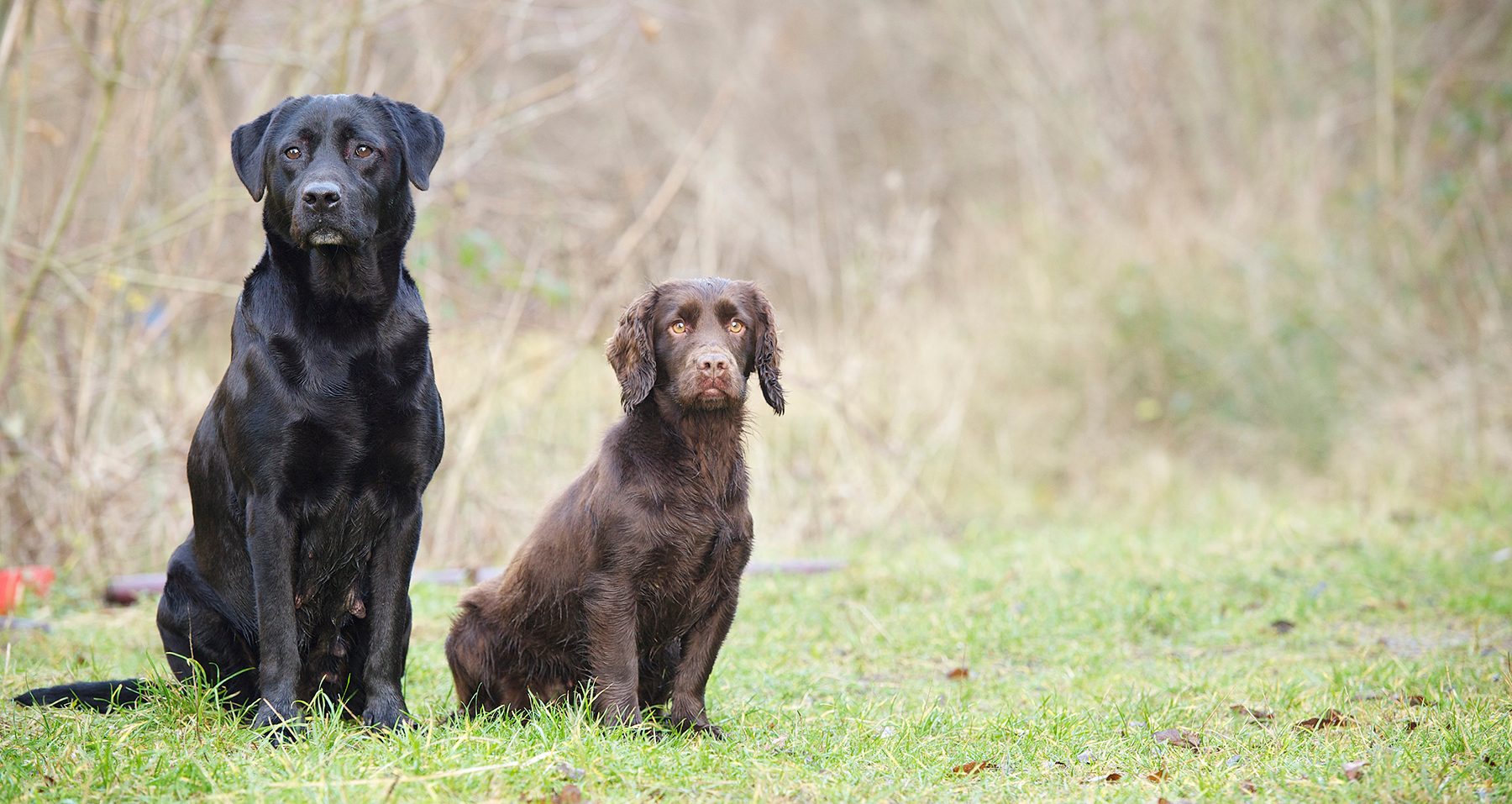
The Labrador: boundless optimism and gentle devotion
Labradors, meanwhile, sit at the opposite end of the personality spectrum. Where the cocker wants to be involved in every single thing happening around it, the Labrador is simply delighted to be included. They approach life with a level of optimism that is almost impossible to match, firmly believing that everyone they meet is a potential lifelong friend.
The postman is wonderful, the stranger in the park looks like a valuable member of society, the visitors who come into your home simply need to be told how lovely they are. Labradors assume the entire world exists to become friends with them.
We have a Labrador called Biscuit who perfectly represents everything we love about the breed. Everybody who meets Biscuit wants a dog exactly like her because she is gentle, patient and endlessly good-natured.
She never barges a person or another dog, walks at heel by default, and is the dog we reach for when teaching youngsters about gundog training. Nothing is ever too much trouble, and she will listen to a 6-year-old asking her to sit as readily as she will one of us. If Biscuit gashed a leg, she would probably come over wagging her tail and quietly suggest, “I think I might have hurt this, but do not worry if you are busy. I will just wait here until you have a moment.” That, in short, is the Labrador: generous, forgiving and completely devoted.
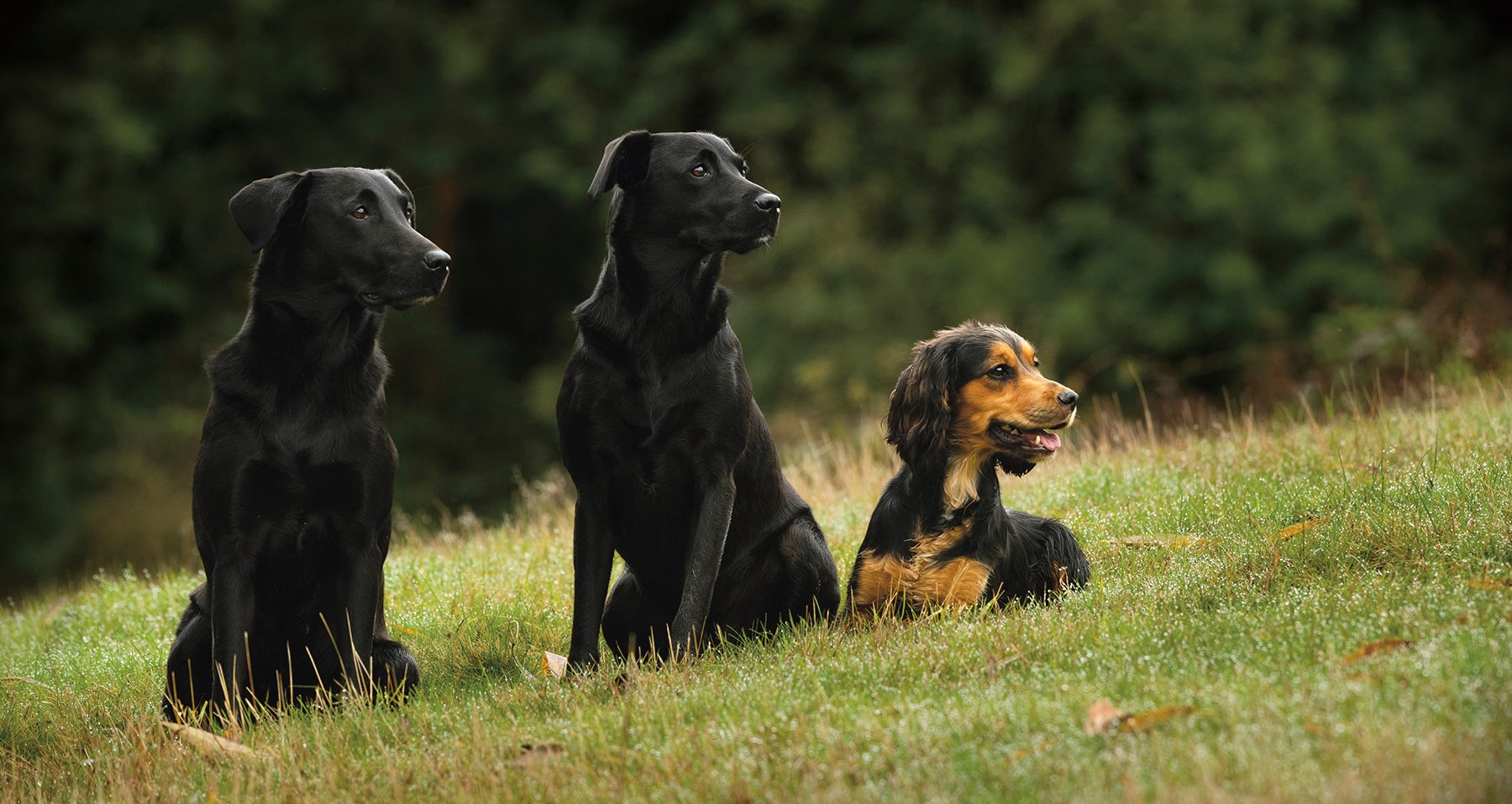
The springer spaniel: quiet, exceptional professionalism
Then there is the springer spaniel. There is a quiet professionalism about them that makes them such exceptional working dogs. They are devoted and reliable, but they do not need to be the centre of attention in the same way a cocker does. They are perfectly happy knowing their job and waiting patiently until they are needed.
Give a springer a task and they will throw themselves into it with enthusiasm and determination. Remove the work and they are content to settle down and relax until the next opportunity arrives.
If there is no work to be done, a springer will find a quiet corner of the house to curl up in until they are next needed. One Mordor springer, Tullah, would routinely disappear from sight and memory in the house until called, when she would pop out from behind a chair or under the table with a quiet “Yes, how can I be of service?” attitude. And when it was time to work, she became a machine. That on-off switch, all and then nothing, is a wonderful springer trait.
Yet despite everything we have just said about the Labrador, a recent family holiday to the west coast included zero Labradors and two cocker spaniels. Somehow, despite it all, they had wangled their way into the car and made sure that, come what may, they would be involved. That, perhaps, tells you everything you need to know about cockers.
They possess a unique kind of charisma that is difficult to explain. They are cheeky, occasionally infuriating and frequently responsible for whatever chaos has just unfolded, but they also have an incredible ability to become part of the family in a way that few other breeds can match.
So which breed makes the best family dog?
As you might have gathered from this, the answer depends entirely on what you want.
If you want unwavering loyalty, gentle affection and a dog that loves everybody it meets, then the Labrador is the one for you. If you want laughter, personality and a dog that will become involved in every aspect of family life, then a cocker will steal your heart. If you want quiet competence, reliability and a working machine, then the springer spaniel is your ticket.
Or you can follow our lead and have all three breeds, and preferably lots of each.
Frequently Asked Questions
Are cocker spaniels good family dogs?
Yes. Cockers are affectionate, endlessly entertaining and desperate to be involved in everything the family does. They thrive on company and attention, which makes them wonderful characters at home, but it also means they do not like being left out or left alone for long. Think of living with a cocker as being rather like living with an energetic young child with no sense of personal space.
What is the difference between a cocker and a springer spaniel as a pet?
A cocker wants to be at the centre of family life and involves itself in everything, invited or not. A springer is more of a quiet professional: devoted and reliable, happy to know its job and wait patiently until it is needed, then throwing itself into work with real drive. Cockers tend to bring the comedy, springers bring the calm competence.
Which gundog breed is calmest around children?
Of the three, the Labrador is usually the steadiest and most patient around children. A well-bred, well-trained Labrador is typically gentle, tolerant and good-natured, which is why they are so often chosen as first family dogs. That said, temperament varies from dog to dog, and early training and socialisation matter far more than breed alone.
Related Articles
Gundogs
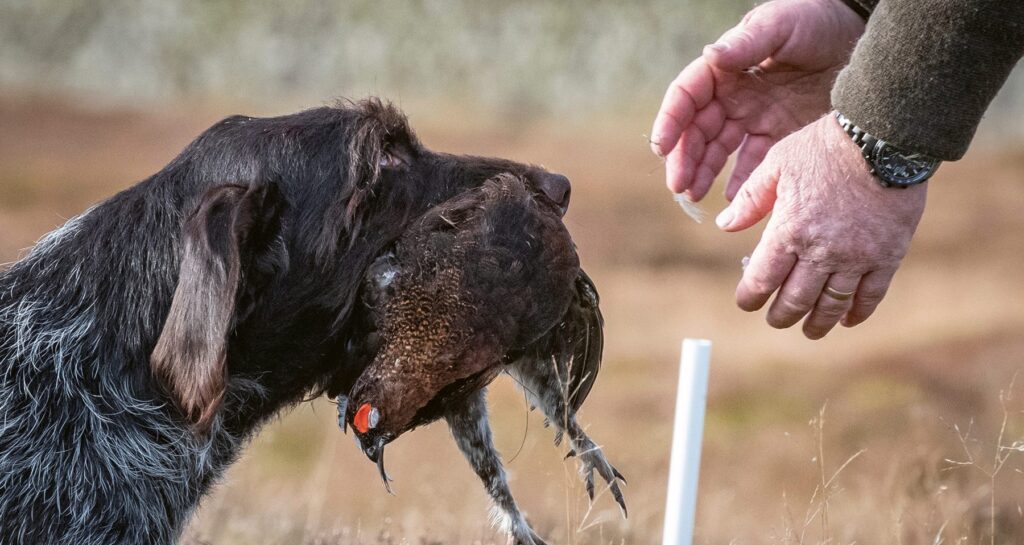
Work with the breed: a smarter approach to gundog training
Jackie Drakeford explains how understanding the purpose of your dog's breed can lessen training challenges and build a better partnership
By Jackie Drakeford
Gundogs
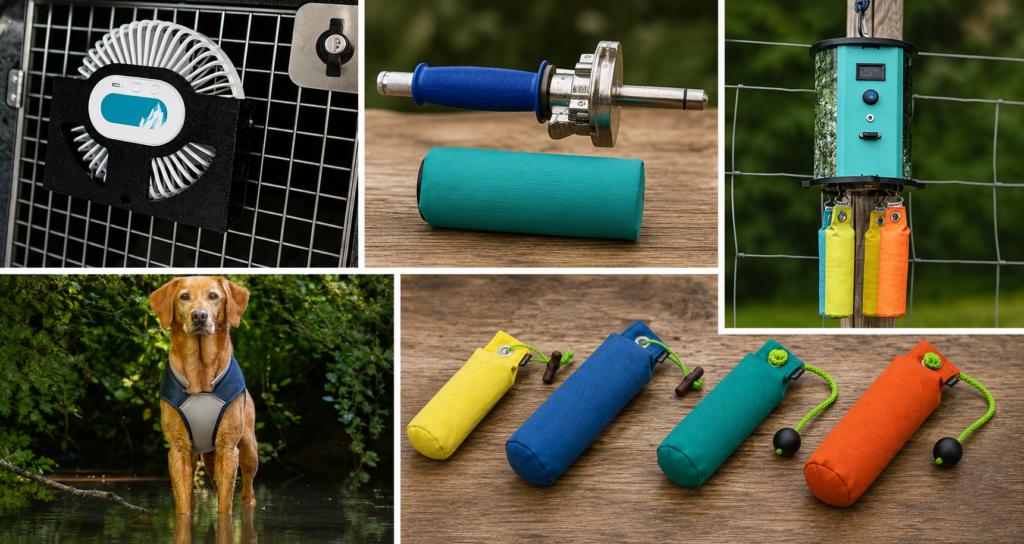
Five of the best summer gundog kit buys for hot-weather training
Our pick of five lightweight, practical products to keep both handler and dog cool and comfortable through summer training, from cooling coats to a remote dummy dropper, rounded up to help you get the...
By Shooting Times
Get the latest news delivered direct to your door
Subscribe to Shooting Times & Country
Discover the ultimate companion for fieldsports enthusiasts with Shooting Times & Country Magazine, the UK’s leading weekly publication that has been at the forefront of shooting culture since 1882. Subscribers gain access to expert tips, comprehensive gear reviews, seasonal advice and a vibrant community of like-minded shooters.
Save on shop price when you subscribe with weekly issues featuring in-depth articles on gundog training, exclusive member offers and access to the digital back issue library. A Shooting Times & Country subscription is more than a magazine, don’t just read about the countryside; immerse yourself in its most authoritative and engaging publication.