★ Your magazine. Your say. Complete our reader survey with a chance to win Jack Pyke kit worth £500! ★

Gundog health: a shoot-day guide for keepers and pickers-up
Fitness, feeding around a drive, the first aid kit in the truck, heat on a mild October day, the wet dog on the peg, limber tail and what to do when a dog goes through the ice: the checks to make before the first day and the routine that keeps a working team sound until February



Get the team fit before the first shoot day
A dog that has idled through the summer on gentle walks is no readier for a full day in the beating line or on the picking-up team than the people who take it there. The weeks before the first day are for building condition by degrees: longer walks, steady trotting, hunting and retrieving work, and a little more load each week rather than a great deal at once. Older dogs, dogs carrying summer weight and those that have done little since the season closed want particular care; in a keeper’s yard those are often the dogs that have earned their rest and lost their edge.
The same weeks are the moment for a thorough once-over of every dog in the team. Trim nails, check feet and run your hands over each dog for lumps, stiffness or sore spots, so that anything needing a vet is dealt with before the season rather than on the morning of a big day.
Feeding a working dog around a shoot day
Bloat, or gastric dilatation volvulus (GDV), is when the stomach fills with gas and then twists. The People’s Dispensary for Sick Animals (PDSA) describes it as “a painful, life-threatening condition that mostly affects large, deep-chested dogs, although any dog can develop it.” Its prevention advice reads like a shoot-day timetable: restrict exercise for one hour before and after feeding, restrict car travel for one hour before and after feeding, and feed several small meals rather than one large one. In practice that means breakfast early enough for the dog to rest before the drive to the meet, and the main meal held back until it is home, dried off and settled.
The PDSA lists retching or trying to vomit without bringing anything up, a swollen belly, restlessness, drooling, pale gums, difficulty breathing and collapse as the signs of GDV. Its advice is to contact a vet immediately and never to wait and see whether the symptoms improve.
Small, lean dogs working flat out through a day of cover face a different problem. Joii, a UK online veterinary service, says the risk of hypoglycaemia – low blood sugar – is greatest in very young, thin or small dogs, a description that fits a good many small working spaniels in the beating line. If a dog turns wobbly or weak, Joii advises an immediate sugar boost, rubbing honey, jam or sugary water onto its gums, then a call to the vet without delay. Ask your own vet how best to keep a small, hard-working dog fuelled through a long day without undoing the advice on bloat.
What to carry in the shoot-day first aid kit
Keep a first aid kit in the vehicle on every shoot day, and on the keeper’s truck all season. The PDSA recommends bandages, blunt-ended scissors, wound wash, cotton wool, tweezers, tick tweezers, wound dressings, self-adhesive tape, vinyl gloves, a foil blanket, antiseptic wipes and a blanket that can double as a stretcher. Add towels and fresh water, store the vet’s number in your phone, and before you leave home look up the nearest out-of-hours practice to the ground you are shooting; on an away day it will not be your own.
For cuts from wire and blackthorn, torn pads and split tails, the PDSA’s advice on bleeding is to find where the blood is coming from, hold a clean cloth or bandage firmly over it and phone your vet. Do not lift the dressing to see whether the bleeding has stopped, because that can disturb the clot and start it again. Even the steadiest dog may bite when it is in pain, so go slowly and use a muzzle or towel if you need to. Once first aid has been given, the PDSA advises taking the dog to the vet for a check-up.
Eyes want a different approach. The PDSA says injuries such as those from sticks are a common cause of eye ulcers, and it warns owners not to try to remove anything stuck in the eye themselves, because they could damage its surface. A dog that is holding an eye closed, or has a sore, weepy eye after a day pushing through cover, should see a vet.
Heat: the early-season risk on the drive and in the truck
It is easy to file heatstroke under summer. Research by the Royal Veterinary College’s VetCompass programme and Nottingham Trent University found that exercise triggered almost three-quarters of heatstroke cases in UK dogs, while hot vehicles accounted for about 5%. A later study by the same team found that the median air temperature on days when dogs developed heat-related illness was 16.9°C, and that dogs confined in vehicles, which cannot escape the heat, were at greater risk of severe illness. Dogs Trust’s veterinary director has warned that dogs can overheat from exertion even on cooler days.
On a mild partridge day in September or an early pheasant day in October, that means watching a hard-working dog closely, letting it rest and drink between drives, and never leaving it shut in a vehicle in the sun while the Guns are at elevenses. If you think a dog has heatstroke, the PDSA advises moving it into the shade, pouring cold water over its whole body while keeping it away from the nose and mouth, creating a breeze and offering a drink, then calling your vet and keeping the dog cool on the journey.
Hypothermia: why the wet dog on the peg is at risk
As the season runs into winter, cold takes over from heat as the risk. A dog’s normal body temperature is between 37.7 and 39°C, according to the PDSA. Hypothermia is when that temperature drops dangerously low, and a large or sudden drop can cause a slow, irregular heartbeat and damage to the kidneys, heart and blood vessels.
A working dog’s coat only goes so far. The PDSA explains that a dog which dries off after getting wet is unlikely to get cold, but one that stays wet is at risk – especially on a cold day, if the water was very cold, or if it stops moving. That last point is the one for the picker-up to remember. A retriever that has been swimming for birds and then sits still behind the line through a long drive, or waits wet in the truck between drives, fits that description exactly. Young, old, small, thin and unwell dogs are at higher risk because they cannot control their body temperature as well.
Signs of hypothermia in a gundog
Shivering is the body’s natural response to cold, but the PDSA warns that a severely cold dog may stop shivering completely, so a dog that has stopped shivering is not necessarily a dog that has warmed up. The other signs are drowsiness, confusion, clumsiness and pale gums, progressing to collapse, loss of consciousness and coma.
First aid for a cold, wet gundog
If you think a dog has hypothermia, the PDSA advises giving first aid and calling your vet immediately. Dry the dog with a towel, then warm it with blankets underneath and over it. If it is awake and able to drink, offer lukewarm, not hot, water. Raise the temperature around the dog slowly, for example by putting the heating on in the truck or the house, but take care not to warm it too quickly or burn it with anything hot such as a hot water bottle. Have the dog checked by the vet even if you think it is fine.
Prevention is far simpler: towels on every outing, and every dog dried the moment its work is done. The PDSA also points out that on a cold day the inside of a car is likely to be the same temperature as outside, and that it drops very quickly once the heating goes off. Its advice is not to leave dogs in the car in the colder months. Where a vehicle is unavoidable on a shoot day, as it is for most picking-up teams, a dog that has been dried off and put on dry bedding is far better placed than one left wet in a box.
Cold-water retrieves and limber tail
Cold water brings another problem that can alarm a handler at the end of a duck drive: limber tail, where a dog’s tail suddenly hangs limp, often with a stiff, painful tail base. Researchers at the Roslin Institute and the Royal (Dick) School of Veterinary Studies at the University of Edinburgh investigated the condition in the Dogslife cohort of Labrador retrievers, publishing their findings in the Veterinary Record in 2016.
They found a cumulative incidence of unexplained tail limpness of 9.7%. Swimming was not necessary for a dog to develop limber tail, but it was a risk factor, raising the odds almost fivefold, and working dogs had around five times the odds of non-working dogs. Dogs at higher latitudes were also at greater risk, and affected dogs were more closely related to each other than chance would suggest, pointing to a possible genetic predisposition. The researchers describe limber tail as typically resolving without veterinary intervention, but it is painful, so speak to your vet if you are unsure whether you are dealing with limber tail or an injury.
What to do if a dog goes through the ice on a flight pond
Frozen flight ponds, lakes and rivers present a different danger, and prevention matters most. The RSPCA advises walking dogs away from frozen water, or keeping them on the lead if that is unavoidable, and London Fire Brigade warns owners not to throw sticks or balls onto ice. On a frosty morning flight, that means being prepared to leave a bird that falls on the ice rather than sending a dog for it, however good the dog and however much the bird is wanted.
If a dog does go through, the first minutes are down to you and the dog. Do not follow it onto the ice or into the water. Dogs Trust’s advice is to encourage the dog to swim back to you. Get to the firmest piece of bank nearest the dog and call it in with the recall it knows best – confident and upbeat, not panicked. Fire services advise that if someone is in icy water you can try to reach them with a branch, a pole or clothing tied together, as long as you stay firmly on the bank, and the same applies to a dog.
Dial 999 and ask for the fire and rescue service straight away, not as a last resort. If the dog scrambles out before crews arrive, ring back and tell them. If it cannot, they have the equipment to reach it safely. In February 2021 Essex crews got a two-year-old dog called Bella out of an icy lake at Rayleigh quickly using a float. Going in yourself can also make things worse for the dog, because crews will always rescue a person first.
Once the dog is out, treat it as a potential hypothermia case: dry it, warm it slowly and get it checked by a vet.
What links all of this is preparation. The weeks before the season are the time to get the team fit, pack the first aid kit, put towels and water in the truck and save the vet’s number in your phone. Once the season is under way, one routine after every outing covers most of the rest: let the dog cool down or warm up as the day demands, towel it dry, run your hands over its legs, paws, eyes and tail, and watch how it eats and behaves that evening. A dog retching without bringing anything up, one still shivering – or one that has suddenly stopped – or one holding an eye closed all justify a call to the vet rather than a wait until morning. None of this is a reason to keep a good dog at home through the winter. It is a reason to know your dogs well enough to notice when something changes, and to act when it does.
Frequently asked questions
What are the signs of bloat in a working dog?
The PDSA lists retching or trying to vomit without bringing anything up, a swollen belly, restlessness, drooling, pale gums, difficulty breathing and collapse as the signs of gastric dilatation volvulus. Contact a vet immediately and never wait to see whether the symptoms improve.
Can a gundog get heatstroke on an autumn shoot day?
Yes. VetCompass research found that exercise triggered almost three-quarters of heatstroke cases in UK dogs, and that the median air temperature on days when dogs developed heat-related illness was 16.9°C. A hard-working dog on a mild early-season day needs watching, resting and watering between drives.
What should be in a shoot-day first aid kit for dogs?
The PDSA recommends bandages, blunt-ended scissors, wound wash, cotton wool, tweezers, tick tweezers, wound dressings, self-adhesive tape, vinyl gloves, a foil blanket, antiseptic wipes and a blanket that can double as a stretcher. Add towels, fresh water, the vet’s number and the nearest out-of-hours practice to the ground.
What should I do if my dog falls through the ice on a flight pond?
Do not follow it onto the ice. Get to the firmest bank nearest the dog and call it in with the recall it knows best, dial 999 and ask for the fire and rescue service straight away, and once the dog is out dry it, warm it slowly and have it checked by a vet.
 Closes 15 JanuaryWorth £129.90Win a pair of tickets to the British Shooting Show 2027Enter nowFree to enter
Related Articles
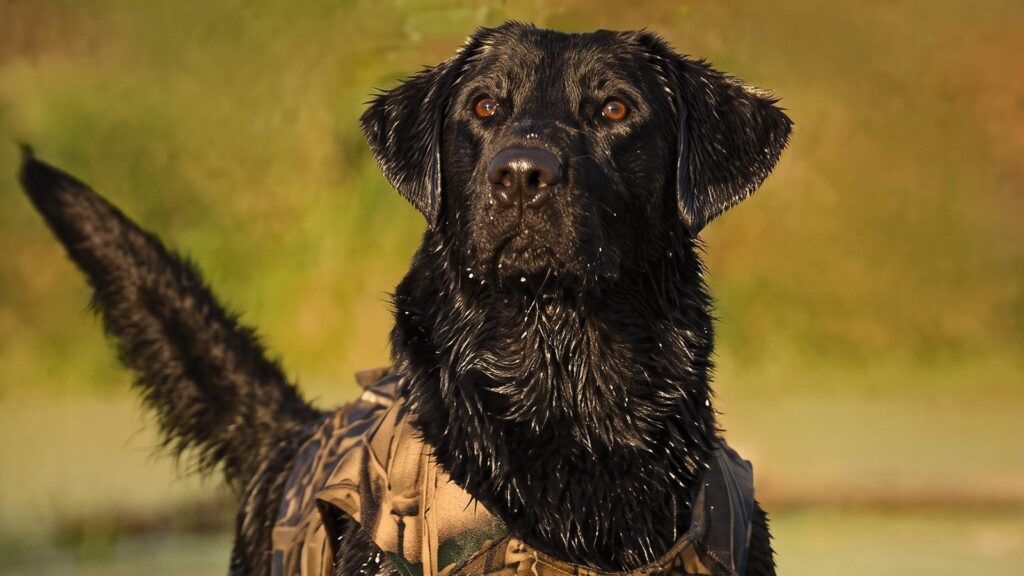
Five of the best dog coats to keep working gundogs warm and dry
We round up five coats that keep working gundogs warm, dry and protected through the shooting season – from towelling drying robes to neoprene vests
By Shooting Times | 15 October 2026
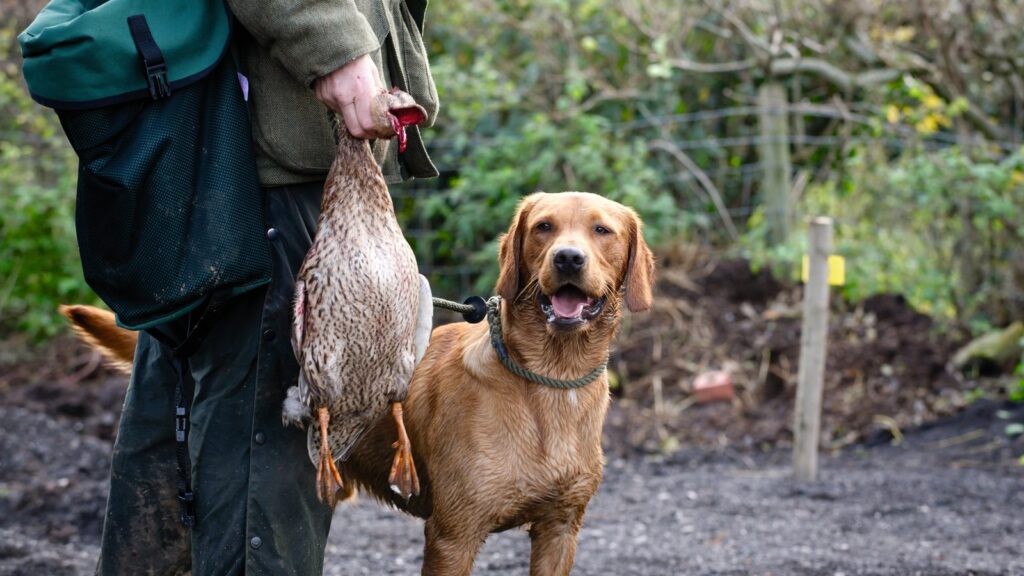
No shaggy dog story: why gundog owners should tell Defra what their dogs mean to them
If gundogs are your passion, draw on your experience when responding to Defra's game shooting review, urges BASC's Conor O'Gorman – with three owners showing how it is done
By Conor O'Gorman | 15 October 2026
Get the latest news delivered direct to your door
Subscribe to Shooting Times & Country
Discover the ultimate companion for fieldsports enthusiasts with Shooting Times & Country Magazine, the UK’s leading weekly publication that has been at the forefront of shooting culture since 1882. Subscribers gain access to expert tips, comprehensive gear reviews, seasonal advice and a vibrant community of like-minded shooters.
Save on shop price when you subscribe with weekly issues featuring in-depth articles on gundog training, exclusive member offers and access to the digital back issue library. A Shooting Times & Country subscription is more than a magazine, don’t just read about the countryside; immerse yourself in its most authoritative and engaging publication.

