★ Your magazine. Your say. Complete our reader survey with a chance to win Jack Pyke kit worth £500! ★


My Working Terrier Journey: what Norway’s elk-hunting laikas reveal about the working terrier
In this extract from his book My Working Terrier Journey, Martin Webber watches West Siberian laikas hold an elk in a Norwegian forest and sees clear parallels with the terrier below ground
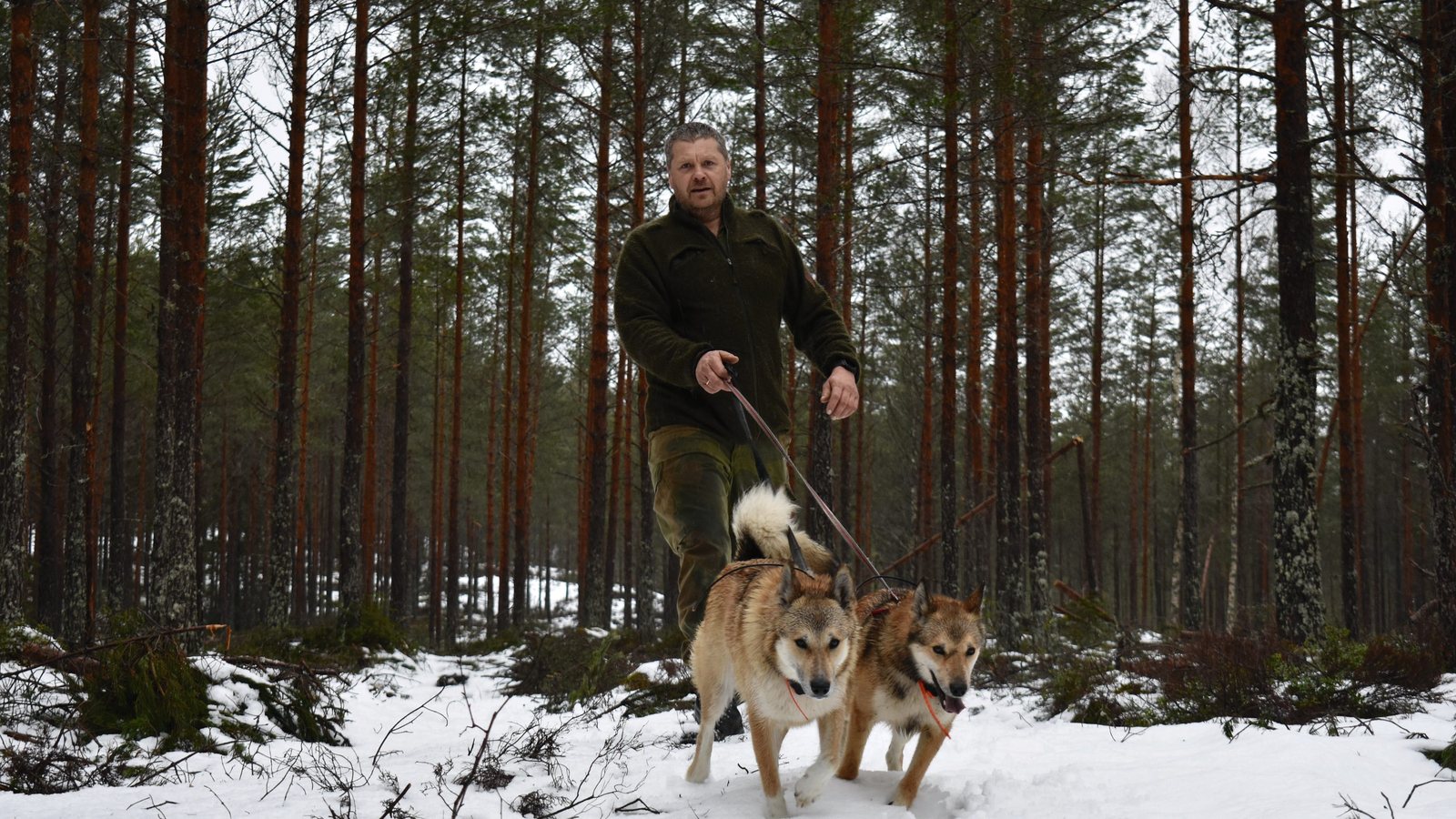
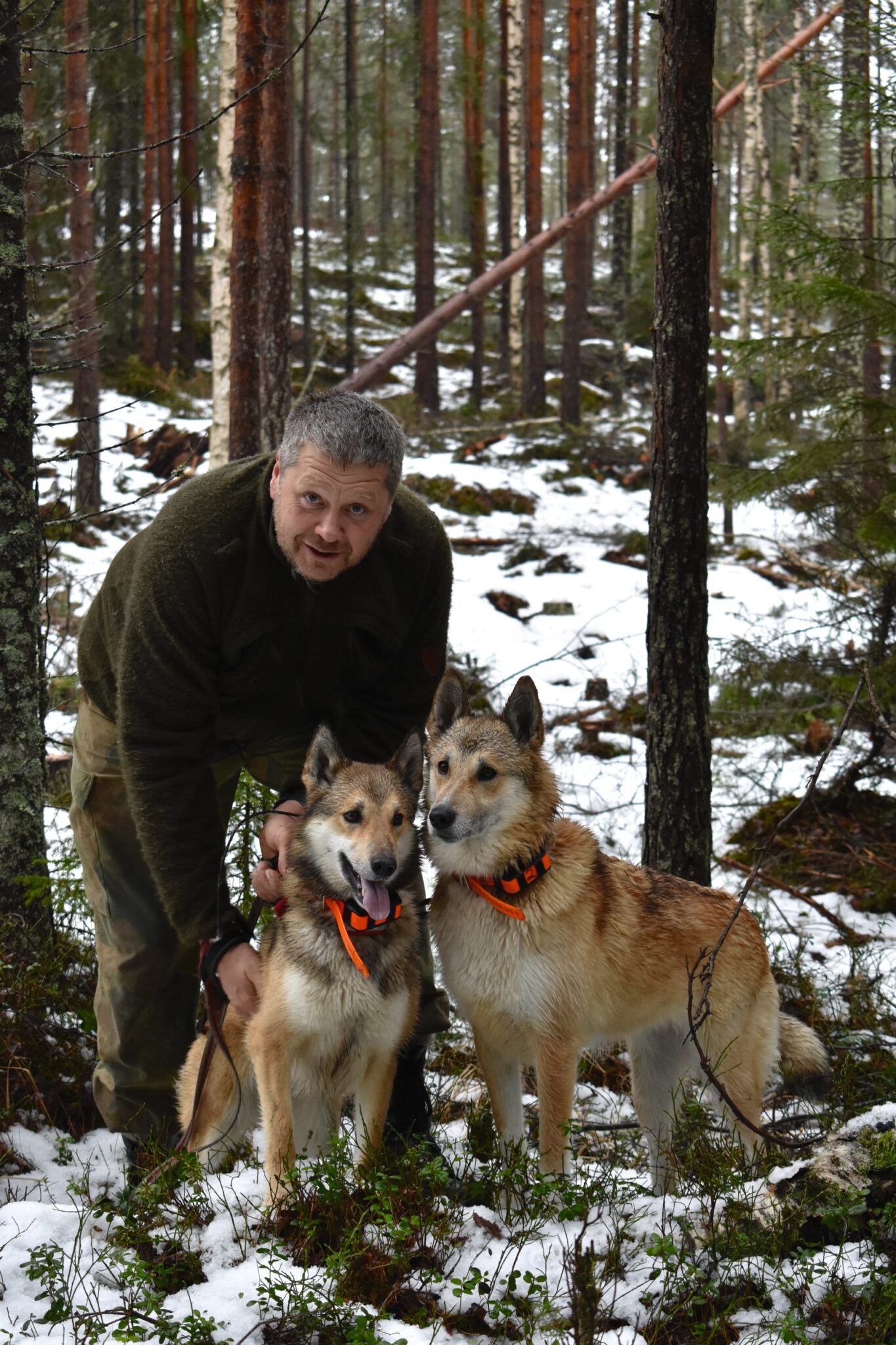
During my hunting trip to Norway, I had the opportunity to see West Siberian laikas in action. Their quarry was a huge female elk and her calf (aka moose in the USA), and they held her up, expertly, just as laikas have been doing for millennia. The laikas located the elk by silent, cold trailing, which meant they were able to approach the animal before it realised they were there.
Only when they were in position did they begin to bark, but the barking wasn’t in an excited, manic style, as you might expect with such massive quarry. Instead, the dogs were quite relaxed and restrained. They were most reluctant to pressure the elk too much. This was the scene that my host, Sten-Erik, and I witnessed as we stalked to within about 30m of the combatants. We didn’t have a rifle; in fact, Sten-Erik had simply suggested we take his two laikas into a nearby forest to see if they could, maybe, locate a squirrel and provide me with an opportunity to see his dogs in action.
How laikas hold an elk
The way the dogs behaved was not random; it was the result of breeding from animals that have been demonstrating the same behaviours for countless generations.
First, the hunter needs to know where the dog and quarry are, so barking provides an audible cue to guide him. Secondly, the barking distracts the elk, giving the hunter a better opportunity to get within range. Lastly, by the dog not applying too much pressure, the elk doesn’t run and, at times, ignores the dog completely.
As I say, elk are huge; you really don’t appreciate their bulk until you’re up close. Some dogs, mainly youngsters, have been killed or seriously injured while elk hunting. However, the natural instincts of these spitz-type hunting dogs are incredible, so fatalities seem rare.
Parallels between the laika and the terrier
The funny thing is, after seeing laikas in action on big game, it got me thinking about terriers. I could see certain parallels between the two types of dog. In Britain, the largest subterranean game available to working terrier enthusiasts was the badger. Now, I was never a great enthusiast of badger digging. For one thing, I started working terriers just as the laws relating to terrier work were becoming tighter, so that pursuing badgers, legally, was quite a challenge. At the same time, the type of terrier I favoured was generally unsuitable for badger work. That said, I believe I gained a good enough grasp of the activity to have my own ideas about what a decent badger dog should be.
If we think back to the laika, the first objective is to locate the elk. This is not done in an excited, noisy manner but in a steady, considered way, no waffling on the way up to the quarry. On finding the elk, the laika doesn’t lose its head but stands back and makes some noise to get the quarry’s attention and indicate its presence to the handler. The laika doesn’t get close enough to risk getting injured, but does move in and tease if the elk attempts to move off. This act often succeeds in stopping the elk but can also make it attack. The good laika dodges out of the way before returning to its holding bark.
The laika does not attack the elk. All its actions are geared towards keeping the elk where it is, in as relaxed a state as possible, under the circumstances and without any physical engagement. Hunting elk in this way can take less than an hour or most of the day. With a particularly difficult elk, you may not succeed at all.
Now, if you replace the words elk with badger and laika with terrier, the similarities are obvious. When neither party engages, either by intent or an inability to connect, the chance of injury is slim. In confined quarters, below ground, a terrier was not always able to avoid a sudden rush from the badger, but so long as he wasn’t so big he couldn’t manoeuvre and kept a sensible distance, contact was kept to a minimum.
Yes, sometimes, you may have had to do more digging with such a terrier, but back in the day, badger digging was regarded as a sport, as much as a form of pest control, before the law clamped down on it. If your badger got away, you doffed your cap and left him for another day. It was called sportsmanship, a quality that’s sadly lacking in the modern era.
A badger dig in Norway
During the same visit, I had the opportunity to attend a badger dig. While there is no official estimate, the total size of the Norwegian badger population is considered to be increasing slightly and approximately 2,000 are harvested annually during a hunting season which runs from 21 August to 31 January. The terrier used on the dig I attended was a small, smooth-coated fox terrier bitch. The hunters had to dig to a depth of about 4ft before they exposed the dog’s back. The badger was out of sight, a little further up the tunnel.
On removing the terrier, the badger came forward and was, expertly, despatched by a single bullet to the head; it never even heard the shot. The terrier was completely unmarked; it was a textbook hunt. Back in the pre-electronic terrier-locator days, this style of digging terrier was not that uncommon.
Badger numbers and the case for a rethink
Some context: the European badger (Meles meles) is widely distributed, from Ireland in the west to central Asia in the east. The estimated badger population of England and Wales is around 500,000, and if you give any credence to anecdotal evidence, it is expanding. The estimated population size for the island of Ireland is 120,000. I couldn’t locate any figures for Scotland. Meles meles is listed as Least Concern by the International Union for Conservation of Nature, due to its wide distribution and stable population.
It’s difficult to arrive at a definitive figure, but according to FTB Chambers and the National Farmers’ Union, tackling bovine tuberculosis, including badger control, cost the taxpayer in England about £100m a year between 2014 and 2024. I don’t believe the above figure includes the cost of mitigation and delay in commercial forestry or in construction, but from my experience of working in the commercial forestry sector, the cost to these enterprises and, by default, to the public must be substantial.
While there has been substantial, anecdotal evidence of the negative relationship between badgers and various other species, there has been little empirical evidence. That situation is now changing. In January 2020, a research article appeared in Ecology and Evolution, outlining the findings of a study that quantified badger predation pressure on bumblebee nests. Bumblebees are vital pollinators, but they are also in serious decline. The study confirmed that badgers are a significant predator of nests, especially in woodland settings, which aligns with my own observations.
In 2025, the Game & Wildlife Conservation Trust published research on the predation of wader nests, including lapwing. The lapwing is a Red Listed species and classified as Near Threatened by the International Union for Conservation of Nature. In Britain, it is protected under the Wildlife and Countryside Act 1981, though not from badgers, seemingly. This research found that badgers outperformed foxes with regard to nest predation, accounting for 41.7% of predated wader nests, compared with 23% for foxes.
Despite the cost of TB management, delayed construction projects, required mitigation and impact on vulnerable fauna, badgers in Britain enjoy full protection. This has been the accepted norm since the Badgers Act 1973, with setts protected since 1991. In my opinion, the badger population of the British Isles is at an unprecedented high, yet it is afforded the same level of protection as European Protected Species such as bats, hazel dormice, and otters.
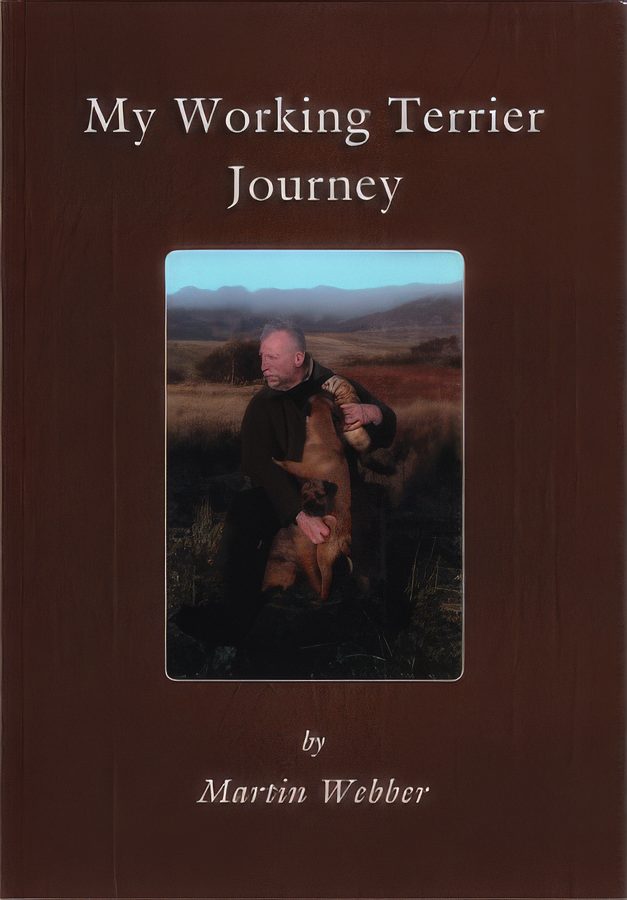
My Working Terrier Journey by Martin Webber is published by the author at £22. Visit anglebooks.com
Frequently asked questions
What is a West Siberian laika?
The West Siberian laika is a spitz-type hunting dog used in Scandinavia to find and hold big game such as elk. It trails silently, then holds the quarry at bay with a steady bark while keeping its distance, so the hunter can locate it and get within range.
Are badgers protected in Britain?
Yes. Badgers have been protected since the Badgers Act 1973, with their setts protected since 1991, and it is illegal to dig for or harm them.
 Closes 15 JanuaryWorth £129.90Win a pair of tickets to the British Shooting Show 2027Enter nowFree to enter
Related Articles
Gundog health: a shoot-day guide for keepers and pickers-up
Fitness, feeding around a drive, the first aid kit in the truck, heat on a mild October day, the wet dog on the peg, limber tail and what to do when a dog goes through the ice: the checks to make befo...
By News Desk | 29 October 2026
Five of the best dog coats to keep working gundogs warm and dry
We round up five coats that keep working gundogs warm, dry and protected through the shooting season – from towelling drying robes to neoprene vests
By Shooting Times | 15 October 2026
Get the latest news delivered direct to your door
Subscribe to Shooting Times & Country
Discover the ultimate companion for fieldsports enthusiasts with Shooting Times & Country Magazine, the UK’s leading weekly publication that has been at the forefront of shooting culture since 1882. Subscribers gain access to expert tips, comprehensive gear reviews, seasonal advice and a vibrant community of like-minded shooters.
Save on shop price when you subscribe with weekly issues featuring in-depth articles on gundog training, exclusive member offers and access to the digital back issue library. A Shooting Times & Country subscription is more than a magazine, don’t just read about the countryside; immerse yourself in its most authoritative and engaging publication.

