★ Your magazine. Your say. Complete our reader survey with a chance to win Jack Pyke kit worth £500! ★


Pointing dogs tally black grouse before a third North York Moors move
North Pennines keepers ran their annual black grouse count with pointing dogs two days before the Twelfth, joined by the GWCT's Phil Warren. The numbers will decide how many birds move to the North York Moors this autumn, for a third consecutive year
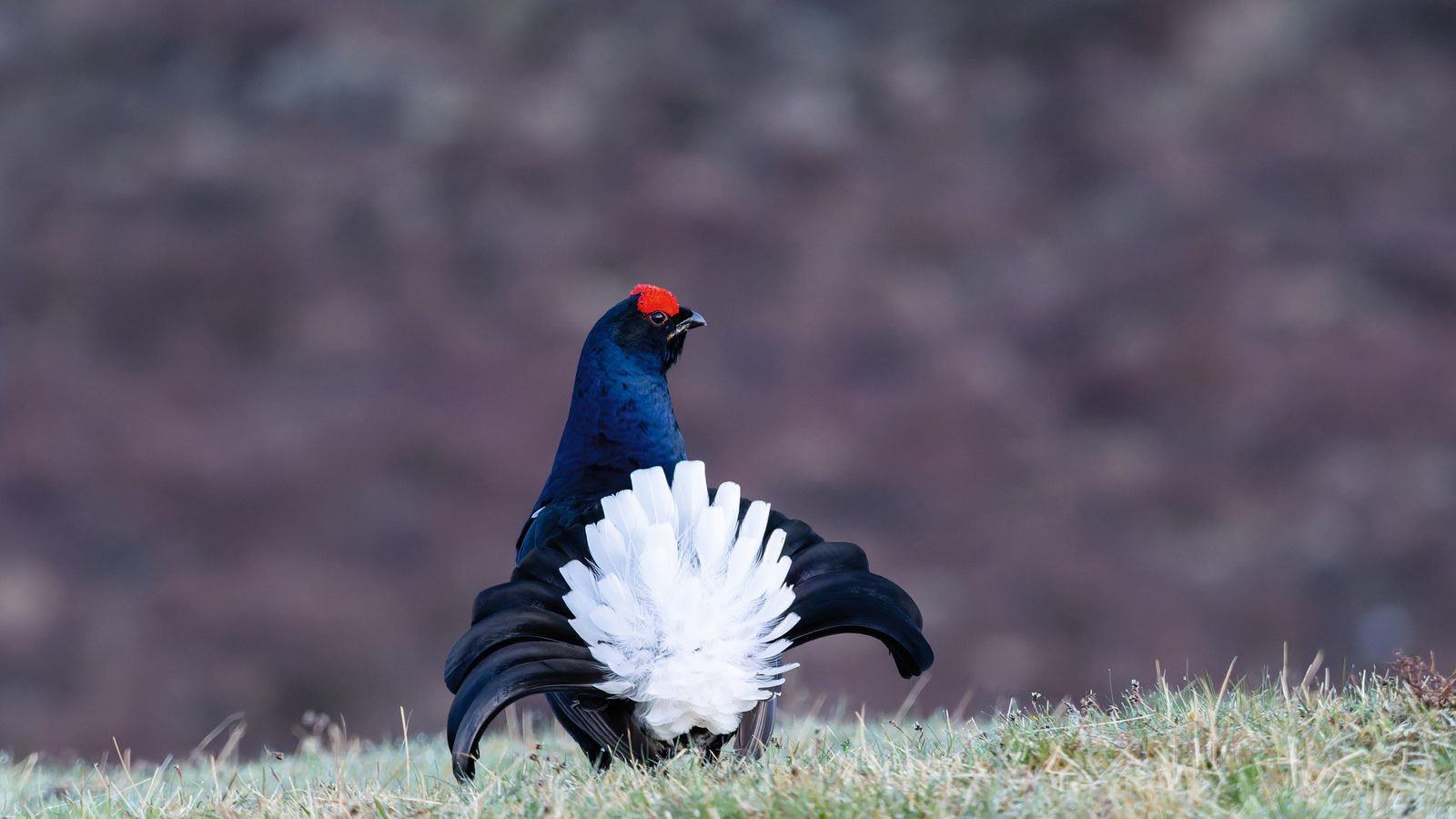

North Pennines keepers ran their annual black grouse count with pointing dogs two days before the Twelfth, joined by the GWCT’s Phil Warren. Counts were lower this year as birds relocated to lower allotments, though local breeding has been good.
The North Pennines holds England’s last stronghold of a bird red-listed as being of the highest concern in Birds of Conservation Concern 5, and the counts, made across the group’s moors, will inform this autumn’s translocation plans.
A third year of moving birds to the North York Moors
Birds from the stronghold will be moved to the North York Moors later this year for a third consecutive year, extending the species’ recovery on to keepered ground where the habitat stands ready.
The Black Grouse Range Expansion Project, funded through Natural England’s Species Recovery Programme, moved 20 birds in autumn 2024 under a Natural England licence, catching them at night at their roosts and driving them to a site chosen for its mix of habitats. They bred the following summer, fledging 12 chicks, the first confirmed breeding on the North York Moors since the 1840s, and a second cohort followed last autumn.
Why the birds cannot get there on their own
Natural recolonisation is blocked by 30km of unsuitable farmland across the Vale of Mowbray, beyond the birds’ dispersal range.
Frequently asked questions
Why are black grouse counted with pointing dogs?
Pointing dogs cover large areas of open moorland and find birds sitting tight in heather and rushes that would otherwise be missed on foot. The North Pennines keepers run the count annually, and this year it was made two days before the Twelfth.
How many black grouse have been moved to the North York Moors?
Twenty birds were moved in autumn 2024 under a Natural England licence, and a second cohort followed last autumn. A third move is planned for later this year.
Have the translocated black grouse bred?
Yes. The 2024 cohort bred the following summer and fledged 12 chicks, the first confirmed black grouse breeding on the North York Moors since the 1840s.
Why can black grouse not spread there naturally?
Because 30km of unsuitable farmland across the Vale of Mowbray separates the North Pennines stronghold from the North York Moors, which is beyond the birds’ dispersal range.
Related Articles

Knowledge is power: training the police to tackle rural crime
Mowbray Partners is a digital training agency equipping police with rural knowledge via its online portal. Martin Puddifer finds out more
By Martin Puddifer | 7 September 2026
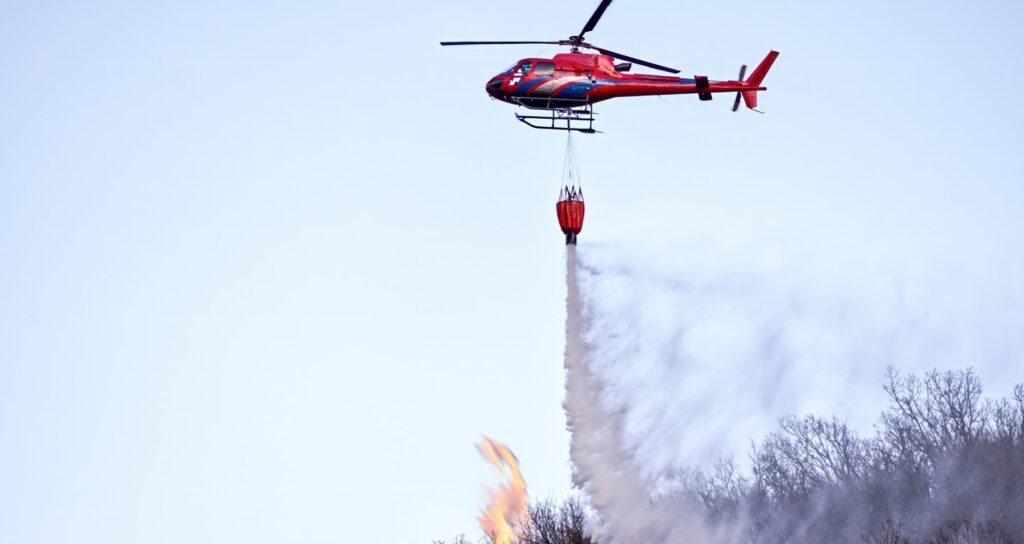
Scotland puts helicopters on standby for wildfire season
The Scottish Fire and Rescue Service will hold helicopters on immediate standby whenever wildfire risk is assessed as high, very high or extreme, answering calls from land managers after the Cairngorm...
By News Desk | 7 September 2026
Get the latest news delivered direct to your door
Subscribe to Shooting Times & Country
Discover the ultimate companion for fieldsports enthusiasts with Shooting Times & Country Magazine, the UK’s leading weekly publication that has been at the forefront of shooting culture since 1882. Subscribers gain access to expert tips, comprehensive gear reviews, seasonal advice and a vibrant community of like-minded shooters.
Save on shop price when you subscribe with weekly issues featuring in-depth articles on gundog training, exclusive member offers and access to the digital back issue library. A Shooting Times & Country subscription is more than a magazine, don’t just read about the countryside; immerse yourself in its most authoritative and engaging publication.