★ Your magazine. Your say. Complete our reader survey with a chance to win Jack Pyke kit worth £500! ★


Bovine TB strategy adopted with England to be TB-free by 2038
No badgers were culled in 2026 for the first time in more than a decade, and the Government has now formally adopted the co-designed strategy aimed at eradicating bovine TB from England by 2038
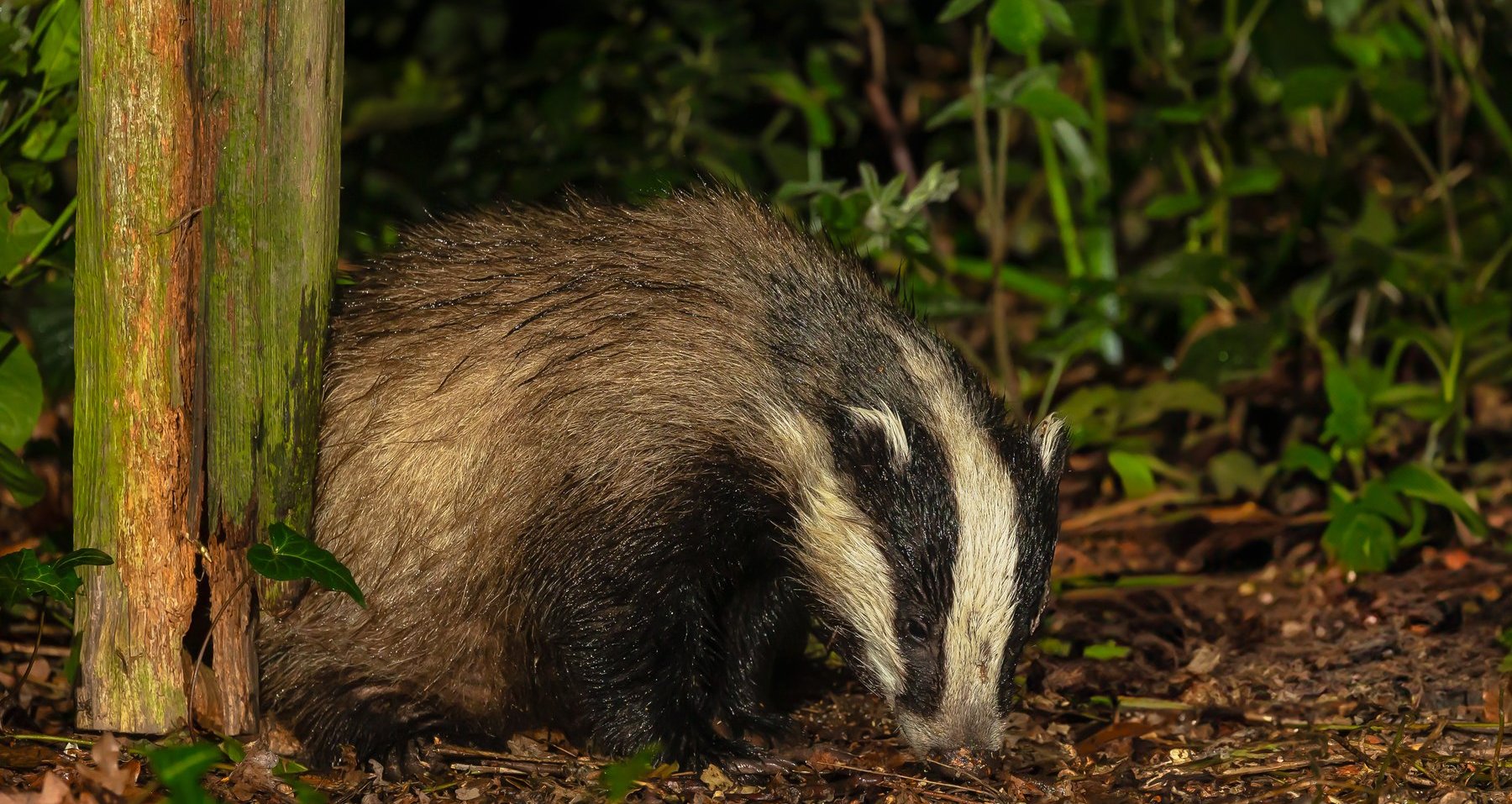

The Government has formally adopted the bovine TB strategy for England, committing to eradicate the disease by 2038 with vaccines for cattle and badgers in place of culling. The response, published by the Department for Environment, Food and Rural Affairs (Defra) at one minute past midnight on Thursday, 5 November, confirms that 2026 was the first year in more than a decade in which no badgers were culled.
What does the adopted strategy commit to?
The co-designed strategy, drawn up by more than 100 farmers, vets, scientists and officials and published in June, now stands as government policy. It sets five priorities: cutting cattle-to-cattle transmission, making better use of TB data, preventing infection through new tools, putting farmers and vets in the driving seat locally, and reducing disease risk from the wider environment.
Work already under way includes the final field trials of a cattle vaccine, with a marketing authorisation application for CattleBCG submitted to the Veterinary Medicines Directorate and a contract awarded to Thermo Fisher for the companion skin test that tells infected cattle from vaccinated ones. The announcement states an ambition to deploy cattle vaccination by 2030. Mandatory interferon-gamma blood testing will expand, a pilot of privately funded testing is running, and the new Badger Vaccination Field Force has opened areas in North Shropshire, North Worcestershire and South-East Oxfordshire, with more to follow in 2027 and 2028.
The numbers behind the announcement
Herds losing TB-free status fell by a fifth over the past year, and 3.4% of English herds were under restriction at the end of June against 4.2% a year earlier. Cattle slaughtered for TB control fell 4% to 20,244 in the 12 months to June, against a peak of 34,518 in 2018.
Biosecurity minister Baroness Hayman said: “No farmer should have to accept this disease as an unavoidable part of their livelihood,” adding that the strategy “will ensure the continuation of the end to badger culling, and prevent the spread of this horrific disease”.
What does it mean on the farm and in the field?
For keepers, stalkers and farmers who shoot, the shift is from the rifle to the trap and the syringe: the licensed culling that employed trained shooters across the High Risk Area has ended, and badger control now means cage-trap vaccination delivered by the new field force. A found-dead badger collection scheme opens this November in five High Risk Area counties, and wild deer surveillance projects in Exmoor, Cornwall and Oxfordshire are gathering samples alongside existing deer management, putting stalkers directly into the disease picture.
The response also opens the question of compensation, which costs £25m to £30m net a year, suggesting payments could be linked more clearly to biosecurity and risk-based trading; the detail is for the first delivery plan, due in late spring 2027.
What happens next
A new industry-government board will replace the Bovine TB Partnership for England, with a public appointments process starting later this year and the board established in 2027. Its first delivery plan is being drawn up by the existing co-design Steering Group for publication in late spring 2027, and farmers, vets and land managers with an interest in serving on the board are invited to register with Defra.
Frequently asked questions
When will England be bovine TB-free?
The adopted strategy aims for Officially Bovine TB Free status for England by 2038, a little over 11 years away.
Has the badger cull ended in England?
Yes. No badgers were culled in 2026, the first such year in more than a decade, with all licences expired or revoked, and the Government says the end of culling will continue under the strategy.
Will cattle be vaccinated against bovine TB?
A marketing authorisation application for the CattleBCG vaccine has been submitted, and the Government’s ambition is to deploy cattle vaccination by 2030 alongside a test that tells infected from vaccinated animals.
 Closes 15 JanuaryWorth £129.90Win a pair of tickets to the British Shooting Show 2027Enter nowFree to enter
Related Articles
Police anti-poaching training with BASC pays off within 24 hours
Nottinghamshire officers trained on the Thoresby Estate in firearms law, lawful deer stalking and wildlife crime forensics, and one used her new knowledge on a search warrant the very next day
By News Desk | 5 November 2026
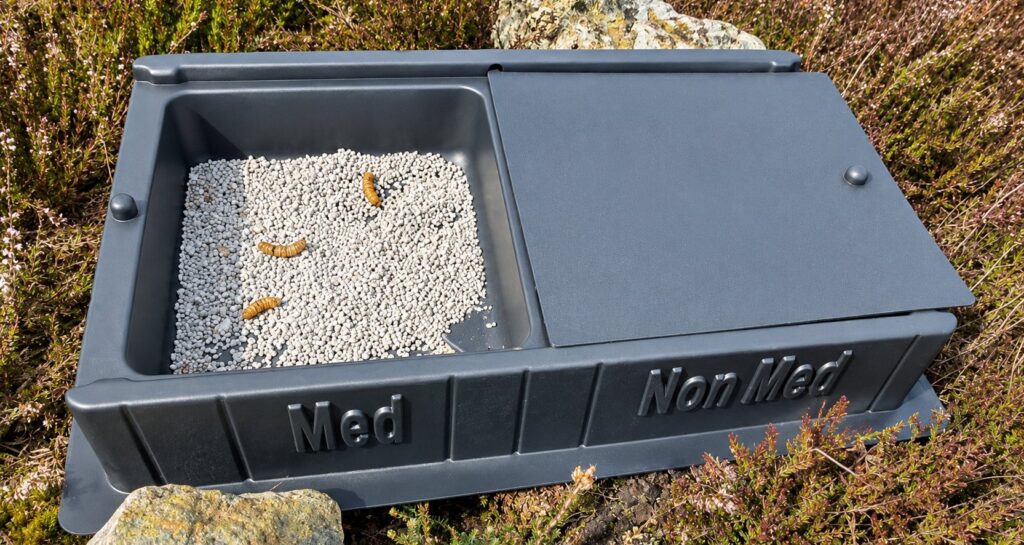
Moorland managers invited to trial garlic-based grouse grit
Ecospray and livestock nutrition specialists Denis Brinicombe are recruiting estates for larger trials of a natural garlic grit, after a one-year pilot on Scottish moors suggested grouse took it more...
By News Desk | 5 November 2026
Get the latest news delivered direct to your door
Subscribe to Shooting Times & Country
Discover the ultimate companion for fieldsports enthusiasts with Shooting Times & Country Magazine, the UK’s leading weekly publication that has been at the forefront of shooting culture since 1882. Subscribers gain access to expert tips, comprehensive gear reviews, seasonal advice and a vibrant community of like-minded shooters.
Save on shop price when you subscribe with weekly issues featuring in-depth articles on gundog training, exclusive member offers and access to the digital back issue library. A Shooting Times & Country subscription is more than a magazine, don’t just read about the countryside; immerse yourself in its most authoritative and engaging publication.

